-

Bachelor's

-

Masters
-

MBA
-

Doctorate
-

Micro Credit
-

Explore all Courses
-
Postgraduate Certifications

-
Postgraduate Diploma
-
Undergraduate Diploma
-
Diploma



Is Blockchain the Next Internet? Here’s What You Should Know
Author: priyanka chatterjee
|4
MINS READ
| 0
| 119
Created On: 07 April, 2026
Share




Table of Content(TOC):
- What is Blockchain Technology (Beyond the Basics)
- Blockchain vs Internet: Evolution or Revolution?
- Is Blockchain Rebuilding the Internet Layer by Layer?
- Is Blockchain the Next Internet?
- Applications of Blockchain That Matter
- Types of Blockchain You Should Know
- Benefits and Security Features
- The Future of Blockchain
- Final Thoughts
Imagine a world where your data isn’t controlled by platforms, your identity isn’t owned by intermediaries, and trust doesn’t depend on centralized systems.
That is the promise driving the conversation around blockchain and the future of the internet. But is this simply another technology cycle, or does it represent a deeper structural shift in how the digital world operates?
Let's examine it in detail.
What is Blockchain Technology (Beyond the Basics)
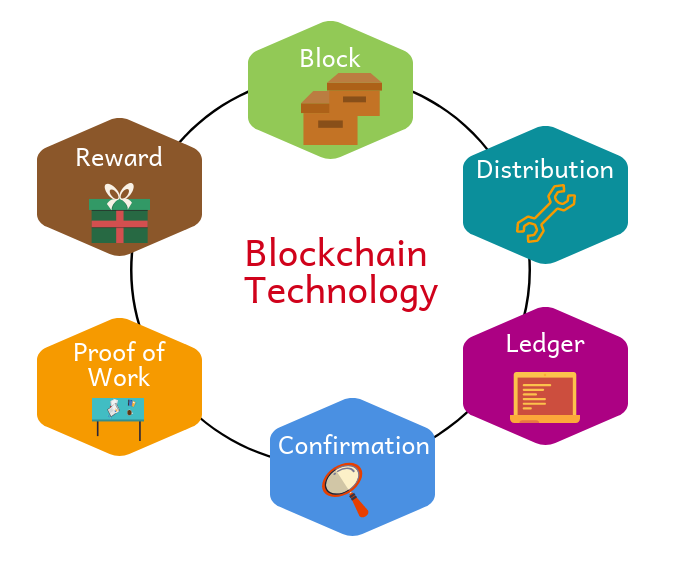
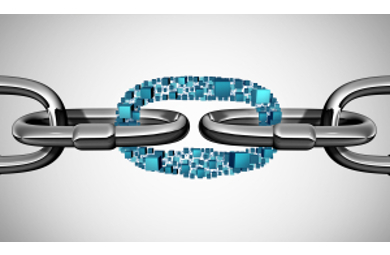
Fundamentally, blockchain technology extends far beyond cryptocurrencies. It is a distributed digital ledger, where data is stored across multiple nodes rather than a single central server. This structure is designed to enable trust, transparency, and immutability without relying on intermediaries.
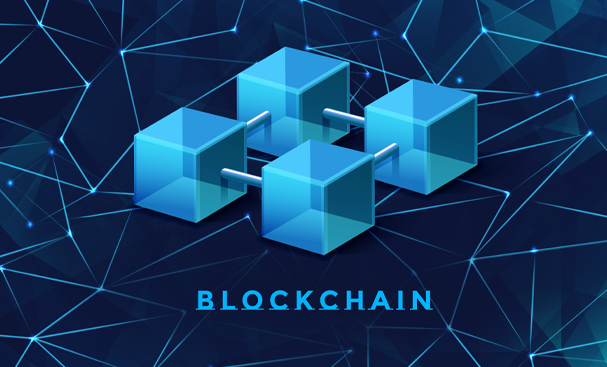
What makes it particularly powerful is its architecture. Blockchain consists of cryptographically linked blocks, each containing a unique hash, timestamps, and transaction data. Once recorded, altering this data becomes extremely difficult, making the system inherently secure.
Source: https://tinyurl.com/24uu7mwx
Blockchain vs Internet: Evolution or Revolution?
The traditional internet is largely centralized. Major platforms control access, data, and user interactions. Blockchain, by contrast, introduces a decentralized layer, often associated with the idea of Web 3.0.
The distinction can be understood simply:
The internet connects information
Blockchain connects trust, value, and ownership
This shift goes beyond communication. It changes how transactions occur, how identities are managed, and how digital ownership is defined. Instead of depending entirely on platforms, users may gain greater control over their data and digital presence.
Is Blockchain Rebuilding the Internet Layer by Layer?
A more precise way to frame the question is not whether blockchain replaces the internet, but whether it is restructuring its foundational layers.
The current internet is built around centralized infrastructure, where platforms act as gatekeepers of data, identity, and transactions. Blockchain introduces an alternative model where these functions can be distributed across networks.
This does not eliminate existing systems. Instead, it gradually shifts specific functions:
Identity moves from platform-controlled accounts to user-controlled credentials
Transactions move from intermediaries to peer-to-peer validation
Data ownership shifts from platforms to individuals
In this sense, blockchain operates less as a replacement and more as a structural modification. It introduces a trust layer that can coexist with, and in some cases reduce dependence on, centralized systems.
Also Read: Smart but Trustworthy: Why AI Needs Blockchain
Is Blockchain the Next Internet?
Innovations such as decentralized applications (dApps) and blockchain-based infrastructure are already shaping what a blockchain-enabled internet could look like.
However, it may be premature to describe blockchain as the “next internet.”
Rather than replacing the internet, blockchain functions more as an additional layer. It enhances existing systems by introducing decentralized verification and trust mechanisms. Developments such as blockchain-based internet infrastructure reflect ongoing efforts to redesign parts of the web using decentralized principles.
Applications of Blockchain That Matter
The real-world applications of blockchain technology are its true strength.
- Finance: Faster, cross-border transactions without intermediaries
- Supply Chain: Clear tracking of products
- Healthcare: Secure exchange of patient data
- Cybersecurity: Robust defense against data manipulation
In particular, blockchain is gaining traction in cybersecurity due to its ability to reduce fraud and prevent unauthorized data changes.
Types of Blockchain You Should Know
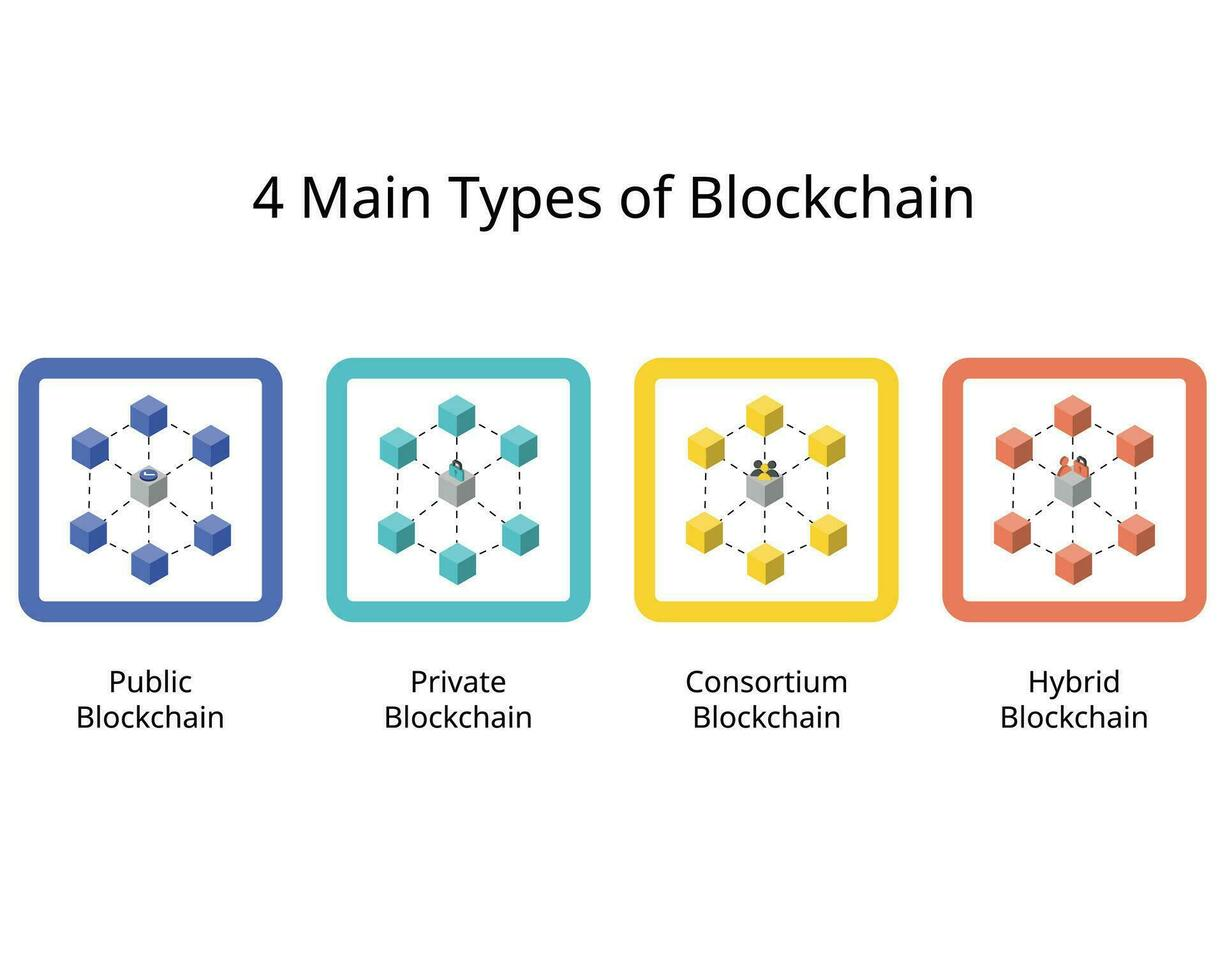
Blockchains differ from one another. There are mostly four kinds:
- Public Blockchain: Open to everyone (such as cryptocurrency)
- Private Blockchain: Managed by a single organization
- Consortium Blockchain: Distributed among multiple entities
- Hybrid Blockchain: A combination of public and private features
Each serves different purposes within the growing blockchain infrastructure.
Source: https://tinyurl.com/b3czvauz
Also Read: Reframing Corporate Governance: The Strategic Role of Blockchain in Auditability and Control
Benefits and Security Features
Blockchain has various advantages, including:
- Decentralization: No single point of failure
- Transparency: All transactions are verifiable
- Immutability: Data cannot be easily altered
- Security: Advanced cryptographic protection
Because of these security features, blockchain technology is very dependable for sensitive applications.
The Future of Blockchain
The future of blockchain appears promising, particularly with developments in digital identity systems and decentralized finance.
However, important challenges remain. Energy consumption in certain blockchain models raises sustainability concerns. Scalability limitations can impact transaction speed and cost. In addition, regulatory uncertainty continues to influence adoption, especially across jurisdictions.
These factors will shape how quickly and effectively blockchain integrates into mainstream systems.
Final Thoughts
So, is blockchain the next internet?
Not exactly, but it is reshaping key aspects of it. Blockchain introduces a new layer that redefines how trust, ownership, and transactions function in digital environments.
The real shift is not about replacing the internet, but about rethinking how trust is established and maintained at scale.
References:
- https://aws.amazon.com/what-is/blockchain/
- https://www.investopedia.com/terms/b/blockchain.asp
- https://www.elinext.com/solutions/blockchain/trends/blockchain-evolution-and-revolution/
- https://99x.io/Insights/blog/blockchain-whats-out-there-and-whats-next
- https://scalac.io/blog/how-blockchain-will-change-the-world/
- https://webisoft.com/articles/blockchain-applications/
- https://www.linkedin.com/pulse/understanding-different-types-blockchain-networks-sheria-online
- https://www.bsetec.com/blog/types-of-blockchain-networks/
- https://webisoft.com/articles/advantages-of-blockchain/
Explore Related Courses











COMMENTS(0)
Explore Related Courses
Our Popular Insights
Careers are shifting faster than ever, and staying relevant takes more than experience. Explore UniAthena’s most-read blogs for sharp insights, emerging skills, and practical pathways that help you move forward with clarity and confidence in a changing professional world.


How to Switch Career to Data Analytics?
Read More
6
mins read




How to Switch Career to Data Analytics?
Read more
6
mins read
Get in Touch

It’s Time to Start
Join NowMost Popular Online Specialization
- Master of International Business Administration
- Master of Business Administration
- MBA in General Management- FastTrack
- Master in Innovation and Entrepreneurship
- MBA-Family Business Management
- Master in Procurement and Contract Management
- Extended Diploma in Business Analytics (SCQF Level 11)
- Diploma in Supply Chain and Logistics Management (SCQF Level 11)
- Strategic Human Resource Management Practitioner
- Master in Data Science
- Master in Engineering Management
Trending Online
- Integrated Doctorate of Business Administration
- Postgraduate Certificate in Finance for Next Generation Managers
- Master of Business Administration- General Management (Fast Track)
- Postgraduate Certificate in Socio-Economic and Legal Framework
- Postgraduate Certificate in Business Sustainability
- Certified Manager
- Supply Chain Management Practitioner
- MBA - AI in Business
- MBA - Accounting & Finance
- Master in Supply Chain and Logistics Management
Top Universities Online Certificates
- Postgraduate Certificate in International Marketing Management
- Postgraduate Certificate In International Human Resource Management
- Postgraduate Certificate in Strategic Management
- Postgraduate Certificate in Procurement & Contracts Management
- Postgraduate Certificate in Business Analytics
- Postgraduate Certificate in Strategic Supply Chain & Logistics Management
- Postgraduate Certificate in Human Resource and Leadership
- Project Management Practitioner
- Postgraduate Certificate in Supply Chain Design & Implementation
- Postgraduate Certificate in Management Accounting and Finance
Accredited Online Degree Program
- MBA - Digital Transformation
- MBA - Family Business Management
- MBA - Marketing Management
- MBA in Quality Management
- MBA - Business Intelligence & Data Analytics
- MBA in Operations & Project Management
- MBA in Energy Management
- MBA In Construction & Safety Management
- Master in Organisational Leadership
- Master in Public Health
- Master in Construction Management
- Bachelor of Arts in Business Administration


 Install Now


UniAthena is an Ed-Tech, offering flexible, affordable learning solutions, including Free-Learning Upskilling Courses and Academic Programs in partnerships with accredited and globally renowned universities and professional qualification bodies.


Do you have any questions ?
Feel free to send us your questions or request a free consultation
Send a message
UK
Athena Global Education
Magdalen Centre,
Robert Robinson Avenue,
Oxford, OX4 4GA, UK
Phone : 01865 784299
MIDDLE EAST
Athena Global Education FZE
Block L-03, First Floor,
P O Box 519265, Sharjah Publishing City,
Free Zone, Sharjah, UAE
Phone : +971 55 879 5492
INDIA
Uniathena Private Limited
9A,Midas Tower
Phase 1
Hinjewadi Rajiv Gandhi Infotech Park
Pune-411057
Phone: +91 9145665544
All Copyrights Reserved @ Athena Global Education 2021-2026