-

Bachelor's

-

Masters
-

MBA
-

Doctorate
-

Micro Credit
-

Explore all Courses
-
Postgraduate Certifications

-
Postgraduate Diploma
-
Undergraduate Diploma
-
Diploma



Difference Between Sales and Marketing: Roles, Skills, Careers & Salaries
Author: aishwarya sancheti
|7
MINS READ
| 0
| 818
Created On: 05 January, 2026
Share




Table of Contents (TOC):
- Introduction
- Key Takeaways
- What Is Marketing?
- What Is Sales?
- Marketing vs Sales - Side-by-Side Comparison
- Sales vs Marketing: Assumptions vs Reality
- Inbound vs Outbound: Beyond Basic Definitions
- Strategy and Process Differences
- Types of Marketing & Sales
- Skills That Define Each Function
- Careers and Salaries
- Why Alignment Matters - A Clear Look at “Smarketing”
- Conclusion
- FAQs
Introduction
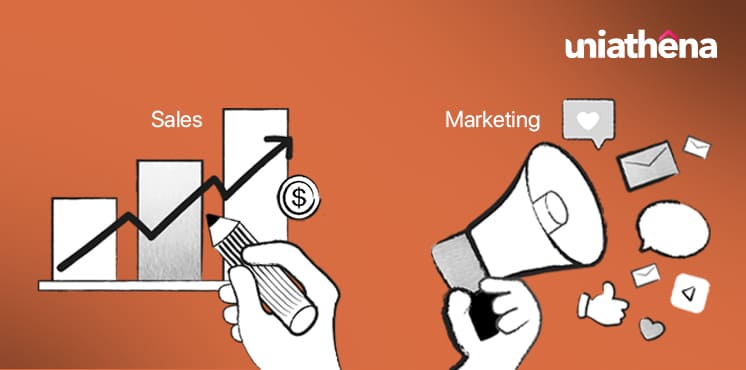
Think of a business like a party: marketing is the friend sending out the invites, creating hype, and getting everyone excited to show up. Sales? That’s the friend at the door, convincing guests to stay, enjoy, and maybe even bring friends next time. Both are essential, but they’re not the same.
Understanding how marketing and sales play different roles isn’t just useful for students or job seekers; it’s a secret weapon for business leaders who want growth that’s smart, scalable, and sustainable. Companies that get this balance right? They don’t just survive, they thrive.
Key Takeaways:
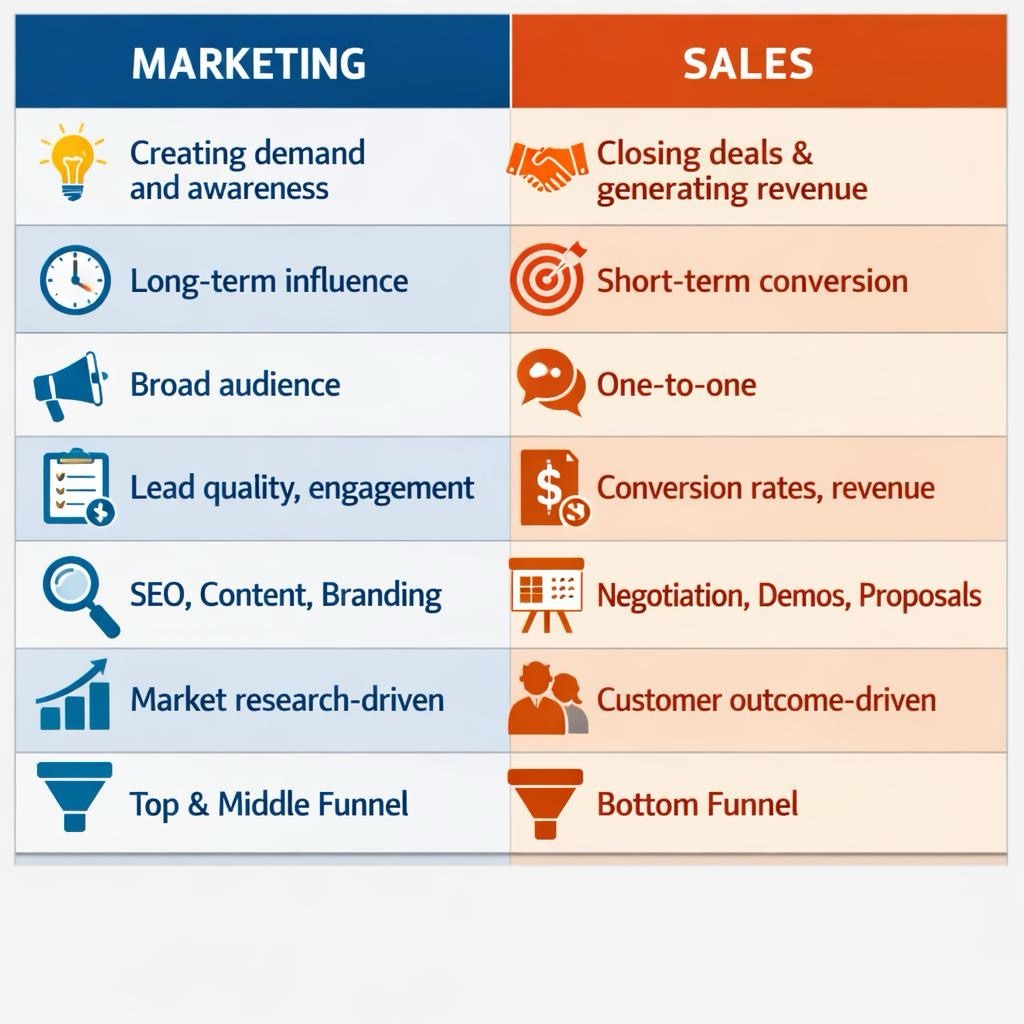
- The difference between sales and marketing lies in purpose: marketing builds demand, sales converts it into revenue.
- Marketing focuses on awareness and lead nurturing, while sales prioritizes closing and revenue generation.
- Inbound sales and marketing generate higher-quality leads than outbound approaches.
- Sales and marketing jobs require different skill sets but benefit from shared data and alignment.
- Organizations that align sales and marketing teams see higher revenue growth and better customer experience.
What is Marketing?
Marketing is the strategic process of understanding customer needs, building attraction, and creating demand. A strong marketing function:
- Defines who your audience is,
- Crafts narratives, positioning, and value perception,
- Generates awareness and qualified leads,
- And often lays the foundation for sales success.
In essence, marketing makes your brand desirable and discoverable. It includes activities such as advertising, content creation, SEO, social campaigns, and audience analytics.
Core Goals of Marketing
What is Sales?
Sales is the execution function that converts interest into revenue. Sales teams interact directly with prospective customers to close transactions. It’s more transactional, personalized, and performance-measured.
Examples include:
- Negotiating deals,
- Demoing products,
- Managing customer relationships,
- Closing contracts.
Sales focuses on turning potential into profit.
Core Goals of Sales
Marketing vs Sales - Side-by-Side Comparison
Sales vs Marketing: Assumptions vs Reality
Inbound vs Outbound: Beyond Basic Definitions
Inbound Marketing:
Inbound marketing attracts customers by pulling them in with useful content, trust-building tools, and educational experiences. It’s opt-in, contextual, and cost-efficient:
- Blogs, SEO, webinars, social engagement,
- Educational content that solves immediate problems.
Impactful Data:
Inbound tactics generate about 54% more leads than traditional outbound, while also cutting cost per lead by over 60%.
Outbound Marketing:
Outbound approaches push messages to audiences who may not yet be looking for solutions, think cold calls, paid ads, and direct mail. These can yield fast awareness but often cost more and convert less efficiently on average.
While outbound delivers reach, only around 18% of marketers report high ROI from traditional outbound, compared to inbound tactics that more frequently drive measurable results.
Inbound vs Outbound Sales
Likewise, in sales:
- Inbound sales follow leads already interested,
- Outbound sales proactively reach out to cold or warm prospects.
Both play roles in modern pipelines, but inbound often feeds higher-quality conversations into sales.
Also Read: How to Sell Anything to Anybody
Strategy and Process Differences
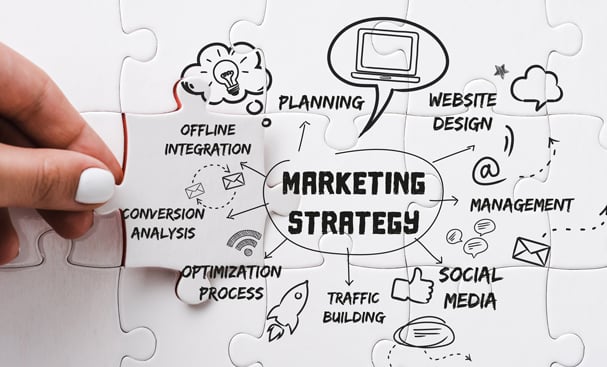
Marketing Strategy:
Marketing strategies map the journey from awareness to preference:
- Audience segmentation
- Messaging strategy
- Channel planning
- Campaign execution
Example: Content marketing that positions your brand as a trusted expert before any sales touch.
Sales Strategy:
Sales strategies focus directly on revenue execution:
- Lead qualification
- Solution selling
- Objection handling
- Personalized outreach and negotiation
Impactful sales strategy is informed by marketing intelligence on buyer needs.
Types of Marketing & Sales
Marketing:
Modern marketing is not a single activity but a mix of specialized approaches, each supporting a different stage of growth.
Common types of marketing include:
- Content marketing - blogs, videos, guides that educate and attract
- Digital marketing - SEO, PPC, and social media campaigns
- Product marketing - positioning, launches, and go-to-market strategy
- Brand marketing - awareness, perception, and trust-building
- Performance marketing - ROI-driven, conversion-focused campaigns
Together, these marketing strategies strengthen visibility, engagement, and lead quality across the funnel.
Sales:
Sales roles and methods vary based on customer type and business model. Common types of sales include:
- B2B sales - complex, relationship-driven enterprise or corporate selling
- B2C sales - high-volume, faster decision consumer selling
- Inbound sales - engaging leads already interested through marketing efforts
- Outbound sales - proactive outreach via calls, emails, or social selling
- Consultative or solution sales - diagnosing problems and tailoring solutions
Understanding these sales strategies helps organizations align the right sales approach with the right marketing support.
Also Read: The Psychology of Scarcity: How FOMO Shapes Buying Behaviour
Skills That Define Each Function
Both roles benefit today from digital fluency, empathy, and data literacy, but their day-to-day focus differs. To build these capabilities, many learners opt for free, self-paced courses from platforms like UniAthena that offer industry-relevant credentials that support progression into well-paid sales and marketing careers.
Also Read: Customer Reviews: Integrating Customer Reviews Into Your Marketing Campaigns
Careers and Salaries
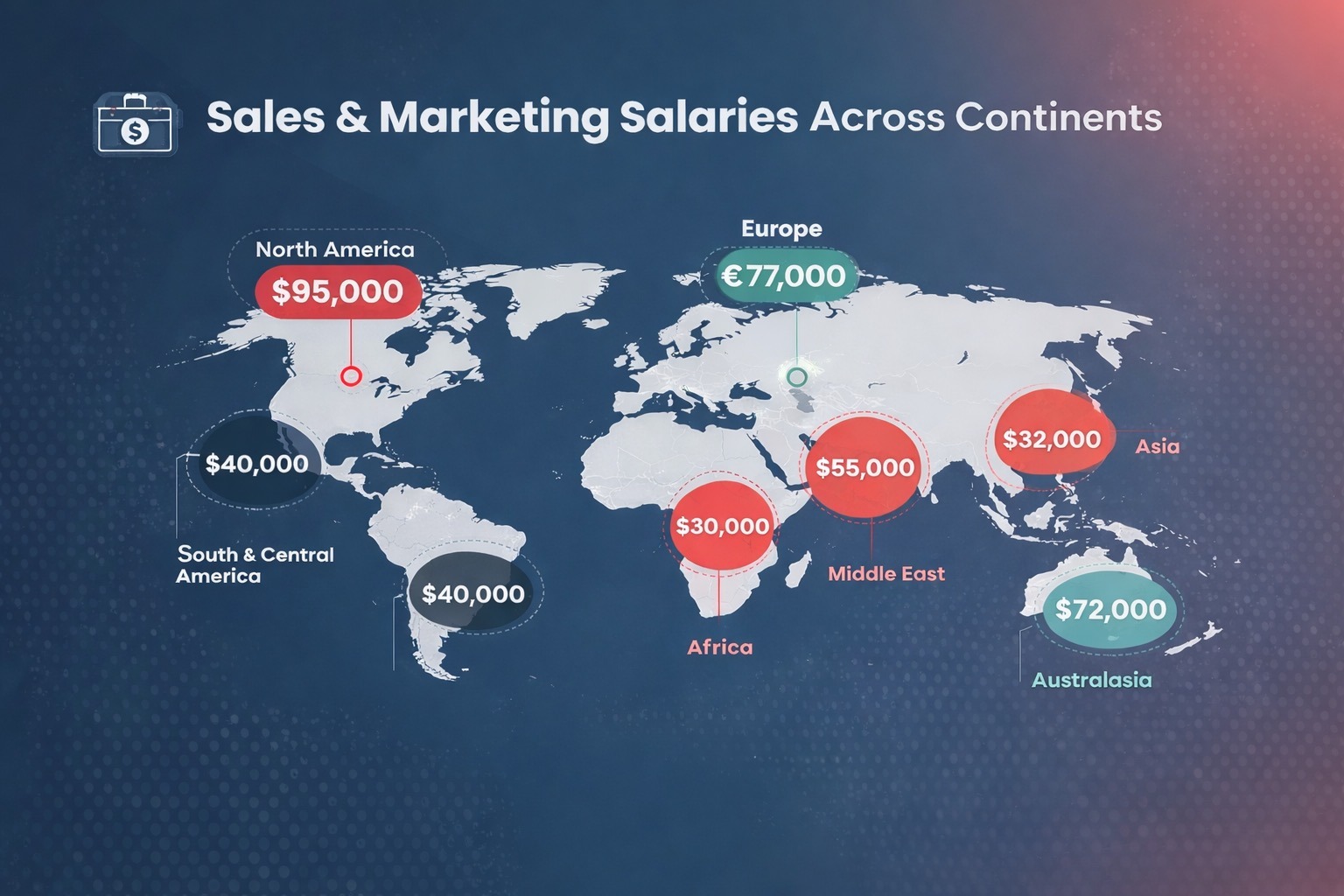
Sales & Marketing Salaries Across Countries
Below are approximate salary ranges for sales jobs and marketing jobs across key global markets, based on aggregated job data and industry reports, offering a realistic benchmark despite variations in role, experience, and region.
1. United States
- Marketing Manager: ~$80,000 average annual salary (mid-range)
- Digital Marketing Coordinator: $50,000–$65,000 (entry-mid)
- Product Marketing / Senior Roles: Median ~$140,000 in some sectors
- Sales Roles (varied): Often include base + commission, can scale significantly above base depending on performance
2. United Kingdom
- Marketing Manager: ~£80,000 range (varies widely)
- Sales Roles: £50,000–£100,000+ for experienced positions
- Senior Sales Leadership: Roles like Sales Director or Head of Sales often exceed six figures in total compensation packages (base + bonuses)
3. Germany
- Marketing Manager: ~€75,000 average salary
- Sales Roles: €59,000–€137,000 typical range
4. India
- Sales & Marketing Manager: ~₹23,522 per month on average (~₹2.8 LPA/year) in formal roles
- General Sales & Marketing Salaries: ₹1.3 LPA to ₹12 LPA yearly, depending on experience and company scale
- Digital Marketing Roles: Many entry/mid positions range ₹3.5 LPA upward, especially with specialized skills
Key Salary Trends (Worth Knowing)
✔ United States typically offers higher base pay and commission potential compared to most other markets.
✔ Canada and Australia balance strong compensation with better work-life policies.
✔ Europe often has wide variability by market and sector; leadership roles can be highly paid but base entry roles may be more modest than U.S. equivalents.
✔ India offers strong growth potential, especially in tech and digital marketing, but base salaries are generally lower than in Western markets.
Many sales roles include performance-linked compensation (commissions, bonuses), making total earnings highly variable; top performers often earn significantly above base numbers.
Also Read: Mastering the Art of Marketing Management: The MBA Advantage
Why Alignment Matters - A Clear Look at “Smarketing”
Smarketing is the strategic alignment of sales and marketing teams to function as one revenue engine, not two disconnected departments. Instead of working in silos, aligned teams share common goals, use the same definition of a “qualified lead,” rely on shared data, and collaborate from first touchpoint to final conversion.
For example, when marketing hands over a lead only after it meets agreed criteria and sales follow up within a defined time, conversion rates improve dramatically, and customer experience feels seamless.
The results are measurable. Companies with strong sales-marketing alignment report up to 20% higher revenue growth, better win rates, and lower customer acquisition costs, because effort isn’t duplicated and messaging stays consistent throughout the buyer journey. In contrast, misalignment leads to lost leads, delayed follow-ups, and internal friction.
Why Smarketing Works (In Simple Terms)
- Everyone agrees on what makes a lead “sales-ready.”
- Marketing creates content that actually helps sales close deals
- Sales feedback helps marketing refine campaigns in real time
- Customers get the same message, whether they read a blog or speak to a salesperson
Bottom line: When sales and marketing move together, customers move faster, and revenue becomes more predictable.
Conclusion
In the modern business ecosystem:
- Marketing builds the bridge to your audience,
- Sales closes the deal at the other end of that bridge.
Neither operates effectively without the other, and data shows that alignment between the two drives far better outcomes than isolation. Whether you’re choosing a career or crafting a growth strategy, understanding this difference isn’t optional but foundational.
FAQs
Q1. What is the main difference between sales and marketing?
A: Marketing creates awareness and demand, while sales converts that demand into paying customers.
Q2. Which is better as a career: sales or marketing?
A: Both offer strong career growth. Marketing suits analytical and creative roles, while sales fits relationship-driven, revenue-focused professionals.
Q3. Are sales and marketing salaries different?
A: Yes. Sales roles often include commissions, while marketing roles typically offer fixed salaries with performance incentives.
Q4. What is inbound vs outbound sales and marketing?
A: Inbound attracts interested customers through content, while outbound involves proactive outreach like cold calls and ads.
Q5. Why is sales and marketing alignment important?
A: Aligned teams generate higher-quality leads, close deals faster, and improve customer experience.
Explore Related Courses











COMMENTS(0)
Explore Related Courses
Our Popular Insights
Careers are shifting faster than ever, and staying relevant takes more than experience. Explore UniAthena’s most-read blogs for sharp insights, emerging skills, and practical pathways that help you move forward with clarity and confidence in a changing professional world.

🌟 Top Project Performer – June 2026 🌟
Read More
1
mins read



🌟 Top Project Performer – May 2026 🌟
Read More
1
mins read


🌟 Top Project Performer – April 2026 🌟
Read More
1
mins read

🌟 Top Project Performer – June 2026 🌟
Read more
1
mins read
🌟 Top Project Performer – May 2026 🌟
Read more
1
mins read

🌟 Top Project Performer – April 2026 🌟
Read more
1
mins read
Get in Touch

It’s Time to Start
Join NowMost Popular Online Specialization
- Master of International Business Administration
- Master of Business Administration
- MBA in General Management- FastTrack
- Master in Innovation and Entrepreneurship
- MBA-Family Business Management
- Master in Procurement and Contract Management
- Extended Diploma in Business Analytics (SCQF Level 11)
- Diploma in Supply Chain and Logistics Management (SCQF Level 11)
- Strategic Human Resource Management Practitioner
- Master in Data Science
- Master in Engineering Management
Trending Online
- Integrated Doctorate of Business Administration
- Postgraduate Certificate in Finance for Next Generation Managers
- Master of Business Administration- General Management (Fast Track)
- Postgraduate Certificate in Socio-Economic and Legal Framework
- Postgraduate Certificate in Business Sustainability
- Certified Manager
- Supply Chain Management Practitioner
- MBA - AI in Business
- MBA - Accounting & Finance
- Master in Supply Chain and Logistics Management
Top Universities Online Certificates
- Postgraduate Certificate in International Marketing Management
- Postgraduate Certificate In International Human Resource Management
- Postgraduate Certificate in Strategic Management
- Postgraduate Certificate in Procurement & Contracts Management
- Postgraduate Certificate in Business Analytics
- Postgraduate Certificate in Strategic Supply Chain & Logistics Management
- Postgraduate Certificate in Human Resource and Leadership
- Project Management Practitioner
- Postgraduate Certificate in Supply Chain Design & Implementation
- Postgraduate Certificate in Management Accounting and Finance
Accredited Online Degree Program
- MBA - Digital Transformation
- MBA - Family Business Management
- MBA - Marketing Management
- MBA in Quality Management
- MBA - Business Intelligence & Data Analytics
- MBA in Operations & Project Management
- MBA in Energy Management
- MBA In Construction & Safety Management
- Master in Organisational Leadership
- Master in Public Health
- Master in Construction Management
- Bachelor of Arts in Business Administration


 Install Now


UniAthena is an Ed-Tech, offering flexible, affordable learning solutions, including Free-Learning Upskilling Courses and Academic Programs in partnerships with accredited and globally renowned universities and professional qualification bodies.


Do you have any questions ?
Feel free to send us your questions or request a free consultation
Send a message
UK
Athena Global Education
Magdalen Centre,
Robert Robinson Avenue,
Oxford, OX4 4GA, UK
Phone : 01865 784299
MIDDLE EAST
Athena Global Education FZE
Block L-03, First Floor,
P O Box 519265, Sharjah Publishing City,
Free Zone, Sharjah, UAE
Phone : +971 55 879 5492
INDIA
Uniathena Private Limited
9A,Midas Tower
Phase 1
Hinjewadi Rajiv Gandhi Infotech Park
Pune-411057
Phone: +91 9145665544
All Copyrights Reserved @ Athena Global Education 2021-2026