-

Bachelor's

-

Masters
-

MBA
-

Doctorate
-

Micro Credit
-

Explore all Courses
-
Postgraduate Certifications

-
Postgraduate Diploma
-
Undergraduate Diploma
-
Diploma



Why Adaptability Is the Most Valuable Career Skill (And How to Build It)

Author: maharajan p
|8
MINS READ
| 0
| 5
Created On: 14 July, 2026
Share




Table of Contents (TOC):
- Introduction
- Key Takeaways
- What Workplace Adaptability Actually Means
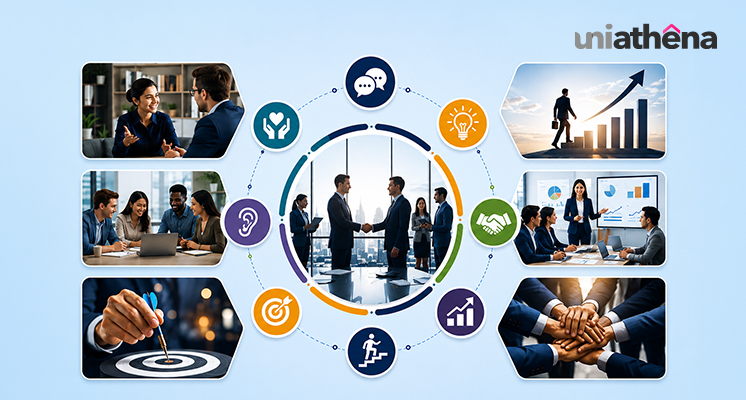
- The 4 Layers of Adaptability
- Advantages of Being Adaptable at Work
- How to Become More Adaptable at Work?
- Conclusion
- FAQs
Introduction
Let me tell you what workplace adaptability is not.
- It is not saying yes to every new task given to you.
- It is not pretending everything is fine while your workload keeps changing every week.
- And definitely, it is not changing your entire personality just to fit into every work culture.
Then what actually is being adaptable at work?
And why has this one skill become one of the most sought-after career skills, from Silicon Valley tech giants to consumer-friendly ecommerce brands of all sizes?
And honestly, if you can already handle uncertainty, pressure, changing priorities, or learning something completely new without mentally checking out…you are already more adaptable than you think.
Key Takeaways:
- Workplace adaptability affects how you learn, communicate, handle uncertainty, and respond to changing work environments.
- Professionals who continuously update their skills usually stay more relevant in fast-changing industries and job roles.
- Adaptability is not one skill alone; it includes cognitive, emotional, social, and behavioral flexibility at work.
- Learning new technologies and improving collaboration skills can gradually make you more adaptable in modern workplaces.
What Workplace Adaptability Actually Means
Workplace adaptability simply means your ability to adjust when your work environment, responsibilities, or expectations start changing.
It is the ability to stay open to learning, adjusting, and working through change instead of resisting every new situation immediately.
An adaptable employee is usually someone who can:
- Learn new tools, skills, or workflows without avoiding them completely
- Handle changing priorities or unexpected situations without mentally giving up
- Work with different people, communication styles, or responsibilities more confidently.
And honestly, this is exactly why adaptability has become such a valuable career skill today.
The 4 Layers of Adaptability
Workplace adaptability is not just about how well you handle pressure. Sometimes, it shows up in the way you learn new things. Sometimes, in the way you communicate with different people and work cultures. And sometimes, it becomes visible through your behavior when situations no longer go according to plan.
That is why adaptability at work can be understood through four different layers. Each one reveals something different about how you respond to change, uncertainty, and evolving work environments.
Advantages of Being Adaptable at Work
In today’s fast-changing work culture, adaptability gives professionals a huge advantage. From handling workplace pressure better to staying professionally relevant for years, adaptable people often find it easier to grow, adjust, and stay valuable even when industries, tools, and job expectations keep evolving constantly.
1. Stronger Career Security
One of the biggest advantages of becoming adaptable is career security.
Not because your job suddenly becomes permanent, but because your ability to learn new things keeps you valuable even when industries change.
A few years ago, many professionals never imagined AI tools would become part of everyday work conversations. Today, companies across industries expect employees to understand changing technologies, evolving workflows, and faster systems.
And honestly, the people who stay professionally relevant are usually not the ones refusing change completely.
2. Lower Stress During Change
Most workplace stress does not come from change alone.
It comes from feeling mentally unprepared for it.
When priorities suddenly shift, new expectations appear, or workflows change, adaptable people usually recover faster because they do not spend all their energy resisting reality first. That does not mean they never feel overwhelmed. It simply means they learn how to adjust faster instead of mentally freezing every time something changes.
3. Faster Decision-Making
Adaptable professionals usually make decisions faster because they are more comfortable dealing with uncertainty.
Instead of waiting for “perfect conditions,” they learn how to:
- Gather information quickly
- Adjust when needed
- Test solutions
- Improve while moving forward
That mindset becomes especially valuable in fast-moving industries where delays can cost opportunities.
4. Long-Term Professional Relevance
This is probably the biggest reason adaptability matters today.
- Skills change.
- Industries evolve.
- Technology keeps moving forward whether people feel ready or not.
Adaptability helps you stay connected to where your industry is going instead of staying stuck where it used to be.
And in a world where new tools, AI systems, and changing work cultures continue reshaping careers, that ability to evolve may become one of the most valuable professional skills you can build for the long run.
Also Read: From Job Security to Skill Security: How to Stay Relevant
How to Become More Adaptable at Work?
Nobody naturally enjoys uncertainty at first. Nobody loves changing routines overnight.
But the professionals who grow faster usually train themselves to adjust instead of staying mentally stuck in “this is how I have always done it.”
So, how do you actually become more adaptable at work?
1. Learn How New Technologies Changing Your Work
You do not have to become an expert in every new technology showing up in your industry. That is exhausting and honestly unrealistic.
But you should at least understand how your industry is changing and what tools are slowly becoming part of everyday work.
- For example, if you work in marketing, you can explore AI writing tools, automation platforms, customer analytics software, or even how search behavior is changing because of AI-generated answers.
- If you work in finance, you can start understanding fintech platforms, AI-based forecasting tools, digital payment systems, or automation software reducing repetitive manual tasks.
- If you work in design, ecommerce, HR, operations, customer service, or sales, the same thing applies. Every industry is quietly evolving through technology in some way.
And the professionals who stay adaptable are usually the ones staying curious instead of completely ignoring those shifts.
You can start small.
- Read industry newsletters.
- Follow people discussing trends in your field.
- Test a few tools yourself instead of only hearing about them from others.
Because adaptability at work is not only about reacting after change happens. It is also about noticing where things are heading before you are forced to catch up later.
2. Work With People Outside Your Comfort Zone
At work, you don’t really get to choose people who think and work exactly like you. And that’s usually where adaptability gets tested without any warning.
Because one person might move fast while you prefer thinking things through. Someone else might be very direct while you’re more detailed in how you explain things. And sometimes, you’ll work with people who simply don’t approach problems the way you do.
That can feel slightly uncomfortable at first. But that’s exactly the point.
Adaptability here is not about agreeing with everyone or changing who you are. It’s more about adjusting how you work so things don’t get stuck.
You learn to communicate a bit differently depending on the person. You pick up when to slow down or when to be more direct. You stop expecting everyone to follow your style of working. And instead, you start focusing on getting the work done together.
3. Improve Your Response To Uncertainty
Uncertainty at work is pretty normal. Plans change, priorities shift, instructions aren’t always fully clear, and sometimes you’re expected to figure things out while things are still evolving.
And that’s usually where people get stuck, not because they lack skill, but because they wait too long for clarity.
Adaptability here is really about how you behave before everything becomes clear.
- You take the next small step instead of waiting for the full picture
- You stop treating unclear situations as something “wrong”
- You learn to work with incomplete information without freezing
- You avoid overthinking every change before acting on it
- You adjust quickly when priorities shift instead of resisting it internally
- You separate confusion from inability
- You keep moving even when the direction is not fully defined
4. Stop Treating Your Current Skills As Permanent
If you already have a skill, it helps to think of it as something you keep building on, not something you just “finish learning” and move on from.
Work doesn’t really reward static skill sets, always. Things move, tools evolve, expectations shift. And in most roles, the people who stay relevant are usually the ones who keep adding small layers to what they already know.
That doesn’t mean you need to restart everything. It just means you keep upgrading, pairing skills together, or expanding into related areas instead of holding on to just one direction for too long.
If you want to explore that kind of growth, here are a few structured programs that can help you add new layers to your current skill set:
- The Essentials of Operations & Project Management helps you understand how work flows inside teams, from planning to execution, so you see how projects actually get delivered.
- The MBA Essentials with Machine Learning combines core business disciplines with an introduction to machine learning, helping learners understand how data-driven technologies are influencing modern business decisions.
- The Basics of UI/UX Strategy gives you a simple foundation in how digital products are designed and how user behavior is influenced through design decisions.
- The Executive Diploma in Procurement & Contract Management explains how businesses manage sourcing, vendors, and contracts, helping you understand the structure behind operations.
UniAthena offers various short courses across different career and skill areas. Go through the courses, find what fits your goals, and start building the next skill that adds value to your career.
Conclusion
Workplaces will continue changing, whether it is through technology, team structures, or evolving job expectations. And because of that, adaptability is no longer just a soft skill. It directly affects how well you learn, work with others, handle change, and stay relevant over time.
The good part is that adaptability is not something people are simply “born with.” It can be built through small changes in how you learn, respond, communicate, and grow your skills.
Also Read: Growth Mindset vs Fixed Mindset: The Key to Career Success
FAQs
Q1. Why is adaptability important in today’s workplace?
A: Workplaces change constantly through technology, workflows, and evolving roles, making adaptability important for long-term career growth.
Q2. Is adaptability considered a soft skill?
A: Yes, but it also affects problem-solving, learning speed, collaboration, and how well you handle workplace change.
Q3. Can adaptability be learned over time?
A: Yes. Adaptability improves through learning new skills, handling uncertainty better, and adjusting to changing work environments regularly.
Q4. What are the main layers of adaptability?
A: Cognitive, emotional, social, and behavioral adaptability together shape how you respond to workplace changes and challenges.
Q5. How does technology affect workplace adaptability?
A: New technologies continuously change workflows, requiring professionals to keep learning and adjusting their skills over time.
Explore Related Courses











COMMENTS(0)
Explore Related Courses
Our Popular Insights
Careers are shifting faster than ever, and staying relevant takes more than experience. Explore UniAthena’s most-read blogs for sharp insights, emerging skills, and practical pathways that help you move forward with clarity and confidence in a changing professional world.

🌟 Top Project Performer – June 2026 🌟
Read More
1
mins read

🌟 Top Project Performer – May 2026 🌟
Read More
1
mins read
🌟 Top Project Performer – April 2026 🌟
Read More
1
mins read

🌟 Top Project Performer – June 2026 🌟
Read more
1
mins read

🌟 Top Project Performer – May 2026 🌟
Read more
1
mins read
🌟 Top Project Performer – April 2026 🌟
Read more
1
mins read
Get in Touch

It’s Time to Start
Join NowMost Popular Online Specialization
- Master of International Business Administration
- Master of Business Administration
- MBA in General Management- FastTrack
- Master in Innovation and Entrepreneurship
- MBA-Family Business Management
- Master in Procurement and Contract Management
- Extended Diploma in Business Analytics (SCQF Level 11)
- Diploma in Supply Chain and Logistics Management (SCQF Level 11)
- Strategic Human Resource Management Practitioner
- Master in Data Science
- Master in Engineering Management
Trending Online
- Integrated Doctorate of Business Administration
- Postgraduate Certificate in Finance for Next Generation Managers
- Master of Business Administration- General Management (Fast Track)
- Postgraduate Certificate in Socio-Economic and Legal Framework
- Postgraduate Certificate in Business Sustainability
- Certified Manager
- Supply Chain Management Practitioner
- MBA - AI in Business
- MBA - Accounting & Finance
- Master in Supply Chain and Logistics Management
Top Universities Online Certificates
- Postgraduate Certificate in International Marketing Management
- Postgraduate Certificate In International Human Resource Management
- Postgraduate Certificate in Strategic Management
- Postgraduate Certificate in Procurement & Contracts Management
- Postgraduate Certificate in Business Analytics
- Postgraduate Certificate in Strategic Supply Chain & Logistics Management
- Postgraduate Certificate in Human Resource and Leadership
- Project Management Practitioner
- Postgraduate Certificate in Supply Chain Design & Implementation
- Postgraduate Certificate in Management Accounting and Finance
Accredited Online Degree Program
- MBA - Digital Transformation
- MBA - Family Business Management
- MBA - Marketing Management
- MBA in Quality Management
- MBA - Business Intelligence & Data Analytics
- MBA in Operations & Project Management
- MBA in Energy Management
- MBA In Construction & Safety Management
- Master in Organisational Leadership
- Master in Public Health
- Master in Construction Management
- Bachelor of Arts in Business Administration


 Install Now


UniAthena is an Ed-Tech, offering flexible, affordable learning solutions, including Free-Learning Upskilling Courses and Academic Programs in partnerships with accredited and globally renowned universities and professional qualification bodies.


Do you have any questions ?
Feel free to send us your questions or request a free consultation
Send a message
UK
Athena Global Education
Magdalen Centre,
Robert Robinson Avenue,
Oxford, OX4 4GA, UK
Phone : 01865 784299
MIDDLE EAST
Athena Global Education FZE
Block L-03, First Floor,
P O Box 519265, Sharjah Publishing City,
Free Zone, Sharjah, UAE
Phone : +971 55 879 5492
INDIA
Uniathena Private Limited
9A,Midas Tower
Phase 1
Hinjewadi Rajiv Gandhi Infotech Park
Pune-411057
Phone: +91 9145665544
All Copyrights Reserved @ Athena Global Education 2021-2026