-

Bachelor's

-

Masters
-

MBA
-

Doctorate
-

Micro Credit
-

Explore all Courses
-
Postgraduate Certifications

-
Postgraduate Diploma
-
Undergraduate Diploma
-
Diploma



What Are Interpersonal Skills? Importance, Benefits & Career Impact

Author: urvi malusare
|7
MINS READ
| 0
| 6
Created On: 11 July, 2026
Share




Table of Contents (TOC):
- Key Takeaways
- What Are Interpersonal Skills?
- Why Are Interpersonal Skills Important?
- Examples of Interpersonal Skills
- Benefits of Interpersonal Skills
- How to Highlight Your Interpersonal Skills for Career Success?
- How To Improve Interpersonal Skills?
- Elevate Your Career
- FAQs
Some skills, like Python or Data Analysis, you need for specific jobs. But other skills like communication and collaboration you need irrespective of your role. These skills are often referred to as interpersonal skills or people skills.
While your technical skills shine on your resume and help you get the job, your interpersonal skills help you succeed in your role.
In this article, we will learn how you can build your interpersonal skills for career success.
Key Takeaways:
- Active listening, conflict management, emotional intelligence, empathy, teamwork, collaboration, leadership, and relationship management are some of the most common interpersonal skills you should invest time in learning.
- Interpersonal skills can help you get a promotion at work, build your career, and help you become a strong leader.
- Skills like negotiation, adaptability, and conflict resolution not only help you personally in your career, but it also helps your organization and others around you. So, your ability to enhance not only your work but others as well will make you stand out.
- Benefits of interpersonal skills can be seen in your long-term career, as the network you would have built will help you get to top career opportunities and business partnerships that last.
- The STAR method, aka highlighting the Situation, Task, Action, and Result, will help you show employers that you possess the skills you speak of. You can use this to add these interpersonal skills to your resume.
What Are Interpersonal Skills?
Interpersonal skills are behavioural traits that make interacting with others easier and more effective. Having strong interpersonal skills can help you reach a common goal faster, avoid misunderstandings, and implement change in a more effective way.
Here are some common interpersonal skills for career success that you should learn:
- Active listening
- Conflict management
- Emotional intelligence
- Empathy
- Teamwork
- Collaboration
- Leadership
- Relationship management
Why Are Interpersonal Skills Important?
Interpersonal skills are important for your professional journey from the moment you enter the job market. Having strong communication skills will help you better connect with the recruiter during your interview, and you will make a strong impression on them, leading to you getting the job.
When working in an organization, benefits of interpersonal skills can be seen in the way you work with your colleagues, collaborate on solving problems, and build connections with them that go beyond just work.
Interpersonal skills like conflict management, emotional intelligence, and leadership can help you get a promotion and become a leader in your organization. So no matter what phase you are in your career, having strong interpersonal skills will help you in career development every step of the way.
Examples of Interpersonal Skills
Let’s take a look at some of the common interpersonal skills in career development and the real impact they have on your career:
Benefits of Interpersonal Skills
Here is how improving your interpersonal skills will benefit your career:
Fast-Tracks Career Promotion
When it’s time for promotion, your interpersonal skills and how you have created relationships in the workplace will stand out the most. Especially if you are up for a leadership role, these will be the most important skills to have.
As you move up the corporate ladder, your job shifts from doing the work to leading the people who do the work. Executive leadership teams rarely promote the smartest person in the room if they can't get along with others. They promote the person who can unite a team, navigate internal politics smoothly, and represent the company confidently to clients.
Drives Team Performance
A team led by someone with strong interpersonal skills will consistently outperform other teams. When a leader communicates clearly, listens actively, and shows genuine empathy, it builds psychological safety.
When employees feel safe, they don't hide their mistakes; they collaborate openly, share innovative ideas, and go the extra mile because they feel respected and valued.
Transforms Conflict into Collaboration
Conflict is inevitable in any business—differing opinions on budgets, deadlines, and strategies happen every day. Leaders with strong interpersonal skills don't avoid conflict; they manage it.
Instead of letting disagreements turn into passive-aggressive corporate warfare, a skilled communicator can de-escalate tension, find common ground, and steer the conversation toward a productive compromise that protects the company's goals.
Makes You Highly Adaptable
When a major strategic shift happens, managers usually panic and enforce rigid rules. Interpersonal leaders read the room, address their team’s anxieties honestly, and rally everyone around the new direction without losing momentum. This adaptability makes you a more trusted leader in the organization.
Helps Build a Professional Network
People prefer working with, recommending, and hiring people they like and trust. Strong interpersonal skills allow you to build genuine, long-term professional relationships. When a new high-level position opens up, or a strategic partnership is needed, you can be the first person people think to call.
Also Read: Interpersonal Communication at Work: Tips to Improve Skills
How to Highlight Your Interpersonal Skills for Career Success?
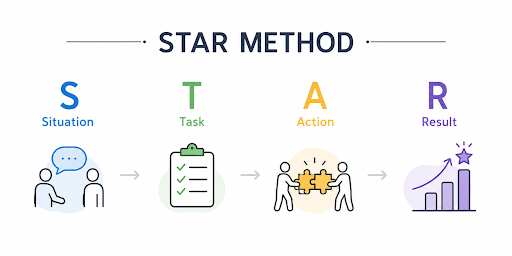
Simply stating that you are a team player and strong communicator does not really help. You need a way to prove these skills. You can follow the STAR method to highlight your interpersonal skills for career success.
- Situation: Start by describing the situation you were faced with.
- Task: Define your task in the circumstances.
- Action: Outline the steps you took to overcome the challenge.
- Result: Highlight the outcome of your actions and how it benefited your company.
Whether you are seeking a promotion in your company or looking to highlight examples of interpersonal skills you have developed on your resume, this method will be more effective.
How To Improve Interpersonal Skills?
To gain the benefits of interpersonal skills, you need to possess those skills. While some people are naturally good at showing empathy, leading others, and practising active listening, you can still develop these skills later in life.
UniAthena offers a few free short courses that will help you develop your interpersonal skills.
- Basics of Motivation and Leadership
- Basics of Leadership & Human Behavior in Change Management
- Basics of Customer Relationship Management
- Essentials of Team Management - Nurture your Team Better
- Mastering Alternative Dispute Resolution & Negotiation Aspects
- Executive Diploma in Business Communication
Elevate Your Career
Whether you are just starting out your career journey or you are looking for a promotion to leadership, the importance of interpersonal skills in professional life is a constant. Being a strong communicator and an active listener, knowing how to lead a team and manage conflicts, and negotiate well while being empathetic are skills that will take you far.
So start investing in yourself and build various types of interpersonal skills for a successful future career.
Also Read: Hard Skills vs Soft Skills: Which Is More Important?
FAQ
Q1. What is the difference between interpersonal skills and communication skills?
A: Communication skills are part of interpersonal skills. Interpersonal skills is an umbrella term that incorporates every soft skill a professional would need in their career. Being a strong communicator is an essential interpersonal skill.
Q2. Can interpersonal skills be learned?
A: Yes. Just like technical skills can be learned and perfected over time, your interpersonal skills can also be practised and perfected. Courses can help you learn the skills, and then you can apply them in real-life situations to really get the hang of them.
Q3. How to show strong interpersonal skills?
A: Use the STAR method to show your interpersonal skills to an employer. The STAR method requires you to describe the SITUATION your company or team was in, then define the TASKS you were assigned, next provide information regarding the ACTIONS you took, and finally share the RESULTS this achieved.
Our Popular Courses

$14000


Doctoral Degree in Business Administration
Universidad Catolica De Murcia (UCAM), Spain
Duration:
2 - 3 Years
$17500*
Integrated Doctorate of Business Administration
Guglielmo Marconi University, Italy
Universidad Catolica De Murcia (UCAM), Spain
Duration:
2.5 - 3.5 Years
$5600*
Master of Business Administration
Guglielmo Marconi University, Italy
Duration:
12 - 24 Months
$5600*
MBA in Operations & Project Management
Guglielmo Marconi University, Italy
Duration:
12 - 24 Months
$5600*
Master in Supply Chain and Logistics Management
Guglielmo Marconi University, Italy
Duration:
12 - 24 Months
$5950*
Master in Data Sciences
Guglielmo Marconi University, Italy
Duration:
12 - 24 Months
$5600*
Master in Engineering Management
Guglielmo Marconi University, Italy
Duration:
12 - 24 Months
$5600*
Master in Procurement and Contract Management
Guglielmo Marconi University, Italy
Duration:
12 - 24 Months
$5600*
Master in Public Health
Guglielmo Marconi University, Italy
Duration:
12 - 24 MonthsOur Popular Courses
COMMENTS(0)
Our Popular Courses
$14000
Doctoral Degree in Business Administration
Universidad Catolica De Murcia (UCAM), Spain
Duration:
2 - 3 Years
$17500*
Integrated Doctorate of Business Administration
Guglielmo Marconi University, Italy
Universidad Catolica De Murcia (UCAM), Spain
Duration:
2.5 - 3.5 Years
$5600*
Master of Business Administration
Guglielmo Marconi University, Italy
Duration:
12 - 24 Months
$5600*
MBA in Operations & Project Management
Guglielmo Marconi University, Italy
Duration:
12 - 24 Months
$5600*
Master in Supply Chain and Logistics Management
Guglielmo Marconi University, Italy
Duration:
12 - 24 Months
$5950*
Master in Data Sciences
Guglielmo Marconi University, Italy
Duration:
12 - 24 Months
$5600*
Master in Engineering Management
Guglielmo Marconi University, Italy
Duration:
12 - 24 Months
$5600*
Master in Procurement and Contract Management
Guglielmo Marconi University, Italy
Duration:
12 - 24 Months
$5600*
Master in Public Health
Guglielmo Marconi University, Italy
Duration:
12 - 24 MonthsOur Popular Courses
Our Popular Insights
Careers are shifting faster than ever, and staying relevant takes more than experience. Explore UniAthena’s most-read blogs for sharp insights, emerging skills, and practical pathways that help you move forward with clarity and confidence in a changing professional world.


🌟 Top Project Performer – June 2026 🌟
Read More
1
mins read

🌟 Top Project Performer – May 2026 🌟
Read More
1
mins read

Best AI Tools for Content Creation
Read More
9
mins read
🌟 Top Project Performer – April 2026 🌟
Read More
1
mins read
🌟 Top Project Performer – June 2026 🌟
Read more
1
mins read
🌟 Top Project Performer – May 2026 🌟
Read more
1
mins read
Best AI Tools for Content Creation
Read more
9
mins read
🌟 Top Project Performer – April 2026 🌟
Read more
1
mins read
Get in Touch

It’s Time to Start
Join NowMost Popular Online Specialization
- Master of International Business Administration
- Master of Business Administration
- MBA in General Management- FastTrack
- Master in Innovation and Entrepreneurship
- MBA-Family Business Management
- Master in Procurement and Contract Management
- Extended Diploma in Business Analytics (SCQF Level 11)
- Diploma in Supply Chain and Logistics Management (SCQF Level 11)
- Strategic Human Resource Management Practitioner
- Master in Data Science
- Master in Engineering Management
Trending Online
- Integrated Doctorate of Business Administration
- Postgraduate Certificate in Finance for Next Generation Managers
- Master of Business Administration- General Management (Fast Track)
- Postgraduate Certificate in Socio-Economic and Legal Framework
- Postgraduate Certificate in Business Sustainability
- Certified Manager
- Supply Chain Management Practitioner
- MBA - AI in Business
- MBA - Accounting & Finance
- Master in Supply Chain and Logistics Management
Top Universities Online Certificates
- Postgraduate Certificate in International Marketing Management
- Postgraduate Certificate In International Human Resource Management
- Postgraduate Certificate in Strategic Management
- Postgraduate Certificate in Procurement & Contracts Management
- Postgraduate Certificate in Business Analytics
- Postgraduate Certificate in Strategic Supply Chain & Logistics Management
- Postgraduate Certificate in Human Resource and Leadership
- Project Management Practitioner
- Postgraduate Certificate in Supply Chain Design & Implementation
- Postgraduate Certificate in Management Accounting and Finance
Accredited Online Degree Program
- MBA - Digital Transformation
- MBA - Family Business Management
- MBA - Marketing Management
- MBA in Quality Management
- MBA - Business Intelligence & Data Analytics
- MBA in Operations & Project Management
- MBA in Energy Management
- MBA In Construction & Safety Management
- Master in Organisational Leadership
- Master in Public Health
- Master in Construction Management
- Bachelor of Arts in Business Administration


 Install Now


UniAthena is an Ed-Tech, offering flexible, affordable learning solutions, including Free-Learning Upskilling Courses and Academic Programs in partnerships with accredited and globally renowned universities and professional qualification bodies.


Do you have any questions ?
Feel free to send us your questions or request a free consultation
Send a message
UK
Athena Global Education
Magdalen Centre,
Robert Robinson Avenue,
Oxford, OX4 4GA, UK
Phone : 01865 784299
MIDDLE EAST
Athena Global Education FZE
Block L-03, First Floor,
P O Box 519265, Sharjah Publishing City,
Free Zone, Sharjah, UAE
Phone : +971 55 879 5492
INDIA
Uniathena Private Limited
9A,Midas Tower
Phase 1
Hinjewadi Rajiv Gandhi Infotech Park
Pune-411057
Phone: +91 9145665544
All Copyrights Reserved @ Athena Global Education 2021-2026