-

Bachelor's

-

Masters
-

MBA
-

Doctorate
-

Micro Credit
-

Explore all Courses
-
Postgraduate Certifications

-
Postgraduate Diploma
-
Undergraduate Diploma
-
Diploma



What Is Strategic Leadership and How Do You Develop It?

Author: urvi malusare
|7
MINS READ
| 0
| 47
Created On: 18 June, 2026
Share




Table of Contents (TOC):
- Key Takeaways
- What Is Strategic Leadership?
- Types of Strategic Leadership
- Role of a Strategic Leader
- How To Become a Strategic Leader?
- How Do You Develop Strategic Leadership Skills?
- Conclusion
- FAQs
80% of leaders believe in the importance of strategic leadership, yet only 8% are actually strategic leaders.
This huge gap not only affects the way businesses function but also the way teams work together. If you are a new leader, motivated to lead strategically, you need to start investing your time in gaining strategic leadership skills.
But before we get into that, let’s understand ‘what is strategic leadership?
Key Takeaways:
- Strategic thinking is the key to strategic leadership. If you develop a strategic thinking mindset, you will be able to lead your teams strategically in no time.
- The various types of strategic leadership include visionary, coaching, affiliative, democratic, pacesetting, and commanding.
- What makes a good strategic leader is their ability to map out where the company needs to be in 10 years, to align all resources, and to build an environment where people work strategically.
- The key strategic leadership competencies include being able to think strategically, act strategically, and influence strategically.
What Is Strategic Leadership?
Strategic leadership refers to the style of leadership where leaders focus on long-term planning and goals and create a clear vision for the entire organization. Strategic thinking is at the core of this style of leadership, and leaders often use creative methods to solve common problems occurring in the organization.
What you need to know about the strategic leadership model is that it is not just another leadership style with rules and regulations; instead, it is a mindset. Anyone aspiring to become a strategic leader must be an analytical and creative individual. Not only must you understand the current standing of your organization and its limitations, but also set realistic future goals and create practical plans to achieve said goals.
Types of Strategic Leadership
The strategic leadership approach can further be divided into various types. Here are some common styles of strategic leadership:
Visionary Strategic Leadership Management:
Visionary leaders are all about the big picture. Instead of daily micro-tasks, they define a bold, long-term direction and inspire their teams to figure out how to get there. They drive innovation and are essential during times of massive organizational change or market shifts.
Coaching Strategic Leadership:
This style focuses heavily on personal and professional development. A coaching leader identifies the unique strengths and weaknesses of individual team members and aligns them with the company’s long-term strategic goals. It’s an investment in people that pays off in high loyalty and deep institutional capability.
Affiliative Strategic Leadership Model:
This approach is entirely about harmony, emotional bonding, and team cohesion. Affiliative leaders focus on building strong relationships, fostering a positive workplace culture, and healing rifts during stressful corporate transitions.
Democratic Strategic Leadership Approach:
This style relies heavily on collaboration. Before making a major strategic pivot, a democratic leader gathers input, feedback, and ideas from all levels of the organization. It builds massive buy-in and morale, though it can slow down decision-making.
Pacesetting Strategic Leadership:
A pacesetter sets exceptionally high standards for performance and exemplifies them personally. They push for rapid results, high efficiency, and zero excuses. While highly effective in short bursts with self-motivated teams, it can quickly lead to employee burnout if used long-term.
Commanding Strategic Leadership:
Also known as an autocratic or coercive style, this relies on top-down directives and strict compliance. There is no room for debate. While it stifles creativity in normal times, it is incredibly effective in certain situations.
Role of a Strategic Leader
Becoming a strategic leader means preparing yourself to wear these three hats:
1. The Navigator: In this role, you are not just staring at dashboards all day. You track the market, spot emerging industry trends (like AI integration or regulatory shifts), and map out where the company needs to be in 3, 5, and 10 years. You define the "why" and the "where."
2. The Architect : A great strategy is useless if the company's structure can't support it. The strategic leader aligns the organization's resources—its budget, its technology, and most importantly, its people—to support the vision. In this role, you ensure that every department (from marketing to product development) is rowing in the exact same direction.
3. The Catalyst : True strategy always requires change, and change usually brings resistance. A strategic leader must be a master communicator who can translate a complex corporate strategy into a compelling story. You not only inspire your team but also foster a culture of adaptability, building an environment where people are willing to take calculated risks.
How To Become a Strategic Leader?
As mentioned earlier, strategic leadership management is not just a leadership style; it's a mindset. So you cannot just follow a step-by-step guide to become a strategic leader.
What you need to do instead is develop your mindset and adopt these behaviours:
1. Think Strategically
See the bigger picture. Thinking strategically is all about connecting dots that others miss. For example, a strategic leader in logistics doesn't just ask, "How do we ship faster today?" They ask, "How will shifting environmental regulations in our target market change our fuel costs over the next three years, and should we pivot to electric fleets now?"
To adopt this into your daily life, you can start by asking the question, “What else?” Whenever a major problem lands on your desk, force yourself to look beyond the immediate fix. If a top client leaves, a manager replaces them. A strategic thinker asks: "Is this an isolated incident, or is our core product losing relevance in the current market? What else is the problem?"
2. Act Strategically
Acting strategically means ruthlessly prioritizing long-term value over short-term checkmarks. It requires saying "no" to good opportunities so you can say "yes" to great ones.
Block out two hours every single week that are completely non-negotiable. No emails, no Slack, no meetings. Use this time exclusively for high-level planning, workflow optimization, or anticipating bottlenecks that are 6 months away.
3. Influence Strategically
You cannot execute a strategy alone. Influencing strategically means building a network of alliances across the organization. Basically, you are selling a vision so clearly that people want to follow you, even if they don't report to you.
How you can do this is by tailoring the narrative. Stop using the same presentation for everyone. When pitching a strategic shift, speak your audience's language. To the Finance Team, talk about cost reduction and ROI; to the Creative Team, talk about creative freedom and eliminating tedious work, and so on.
Also Read: What is Organizational Leadership? A Guide for Aspiring Leaders
How Do You Develop Strategic Leadership Skills?
Now of course, you can’t just step into strategic leadership overnight. You need to develop the proper skills and learn the nuances. UniAthena can help you polish your skills and develop your strategic thinking.
Here are some of the best strategic leadership courses to explore:
- Essentials of Strategic Leadership & HR Practices
- Essentials of Strategic Design Thinking
- Executive Diploma in Strategic Leadership and HR Practices In Organizations
All of these courses are free for learning and will help you develop a strategic mindset.
Conclusion
Becoming a strategic leader is just the next step in the progression, and many leaders miss the mark. By simply changing a few ways you are approaching problem-solving and decision-making in your role, you can improve the effectiveness of strategies in your business.
If you are ready to transform yourself as a leader, gain some strategic management skills and learn to think, act, and influence others around you strategically.
Also Read: The Impact of Transformational Leadership on Enhancing Employee Psychological Wellbeing
FAQs
Q1. What is the difference between strategic management and strategic leadership?
A: Strategic management is strategy-focused, and strategic leadership is leadership-focused. What this means is that a strategic leader not only thinks and acts strategically to improve the performance of the business, but they also do so to motivate and guide others into becoming strategic professionals as well.
Q2. How to develop strategic leadership skills?
A: Developing skills in strategic leadership management is all about developing your mindset to become a strategic thinker. You are not learning new skills, per se, but instead you are applying your same leadership skills in a more thoughtful and goal-focused way.
Q3. What are the biggest leadership challenges?
A: One of the biggest challenges leaders face is dealing with various types of people and managing them on a daily basis. Strategic leadership makes this easier as you are not just assigning and delegating tasks to your employees but also guiding and motivating them to achieve a common goal.
Explore Related Courses













COMMENTS(0)
Explore Related Courses
Our Popular Insights
Careers are shifting faster than ever, and staying relevant takes more than experience. Explore UniAthena’s most-read blogs for sharp insights, emerging skills, and practical pathways that help you move forward with clarity and confidence in a changing professional world.



🌟 Top Project Performer – June 2026 🌟
Read More
1
mins read


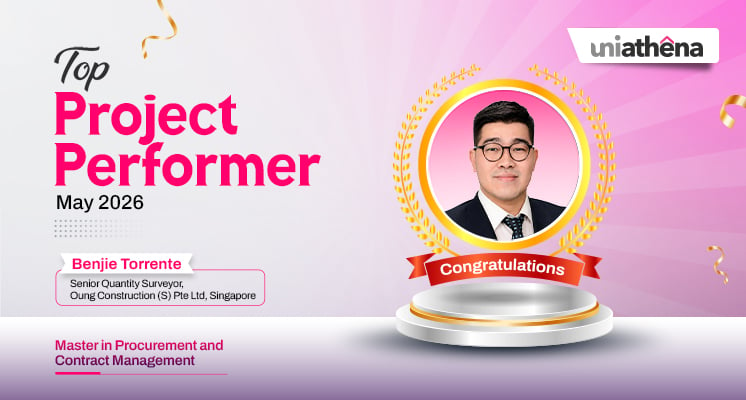
🌟 Top Project Performer – May 2026 🌟
Read More
1
mins read


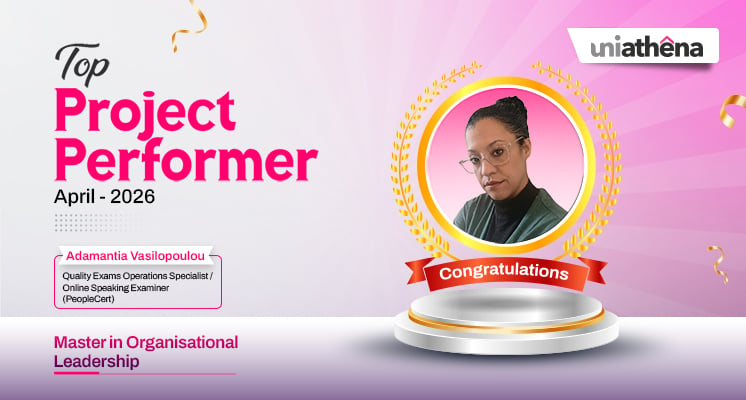
🌟 Top Project Performer – April 2026 🌟
Read More
1
mins read
🌟 Top Project Performer – June 2026 🌟
Read more
1
mins read
🌟 Top Project Performer – May 2026 🌟
Read more
1
mins read
🌟 Top Project Performer – April 2026 🌟
Read more
1
mins read
Get in Touch

It’s Time to Start
Join NowMost Popular Online Specialization
- Master of International Business Administration
- Master of Business Administration
- MBA in General Management- FastTrack
- Master in Innovation and Entrepreneurship
- MBA-Family Business Management
- Master in Procurement and Contract Management
- Extended Diploma in Business Analytics (SCQF Level 11)
- Diploma in Supply Chain and Logistics Management (SCQF Level 11)
- Strategic Human Resource Management Practitioner
- Master in Data Science
- Master in Engineering Management
Trending Online
- Integrated Doctorate of Business Administration
- Postgraduate Certificate in Finance for Next Generation Managers
- Master of Business Administration- General Management (Fast Track)
- Postgraduate Certificate in Socio-Economic and Legal Framework
- Postgraduate Certificate in Business Sustainability
- Certified Manager
- Supply Chain Management Practitioner
- MBA - AI in Business
- MBA - Accounting & Finance
- Master in Supply Chain and Logistics Management
Top Universities Online Certificates
- Postgraduate Certificate in International Marketing Management
- Postgraduate Certificate In International Human Resource Management
- Postgraduate Certificate in Strategic Management
- Postgraduate Certificate in Procurement & Contracts Management
- Postgraduate Certificate in Business Analytics
- Postgraduate Certificate in Strategic Supply Chain & Logistics Management
- Postgraduate Certificate in Human Resource and Leadership
- Project Management Practitioner
- Postgraduate Certificate in Supply Chain Design & Implementation
- Postgraduate Certificate in Management Accounting and Finance
Accredited Online Degree Program
- MBA - Digital Transformation
- MBA - Family Business Management
- MBA - Marketing Management
- MBA in Quality Management
- MBA - Business Intelligence & Data Analytics
- MBA in Operations & Project Management
- MBA in Energy Management
- MBA In Construction & Safety Management
- Master in Organisational Leadership
- Master in Public Health
- Master in Construction Management
- Bachelor of Arts in Business Administration


 Install Now


UniAthena is an Ed-Tech, offering flexible, affordable learning solutions, including Free-Learning Upskilling Courses and Academic Programs in partnerships with accredited and globally renowned universities and professional qualification bodies.


Do you have any questions ?
Feel free to send us your questions or request a free consultation
Send a message
UK
Athena Global Education
Magdalen Centre,
Robert Robinson Avenue,
Oxford, OX4 4GA, UK
Phone : 01865 784299
MIDDLE EAST
Athena Global Education FZE
Block L-03, First Floor,
P O Box 519265, Sharjah Publishing City,
Free Zone, Sharjah, UAE
Phone : +971 55 879 5492
INDIA
Uniathena Private Limited
9A,Midas Tower
Phase 1
Hinjewadi Rajiv Gandhi Infotech Park
Pune-411057
Phone: +91 9145665544
All Copyrights Reserved @ Athena Global Education 2021-2026