-

Bachelor's

-

Masters
-

MBA
-

Doctorate
-

Micro Credit
-

Explore all Courses
-
Postgraduate Certifications

-
Postgraduate Diploma
-
Undergraduate Diploma
-
Diploma



How to Improve Interpersonal Communication at Work?

Author: urvi malusare
|6
MINS READ
| 0
| 75
Created On: 20 April, 2026
Share




Table of Contents (TOC):
- Introduction
- Key Takeaways
- What Is Interpersonal Communication?
- Barriers to Interpersonal Communication
- Importance of Interpersonal Communication
- How To Improve Communication Skills in the Workplace?
- Develop Interpersonal Skills with UniAthena
- Conclusion
- FAQs
Introduction
We’ve all been there: an email that just doesn’t sound right, a meeting that could have been an email, or a project that is delayed because of miscommunication. The worst part? It could have been avoided with just some good interpersonal communication skills.
If you are wondering how to improve communication skills in the workplace, you are in the right place. First, let’s understand what interpersonal skills in the workplace are.
Key Takeaways:
- Interpersonal communication skills are advantageous for employees at all levels as they help you communicate with your colleagues, team members, supervisors, stakeholders, customers, and clients.
- Physical, perceptual, emotional, cultural, language, and interpersonal barriers can challenge interpersonal skills in the workplace.
- Interpersonal skills are important for building strong relationships, enhancing productivity, ensuring effective leadership, improving customer satisfaction, and personal development, as well as professional growth.
- Give the speaker your undivided attention, reflect on your conversations, be empathetic, seek mentorship, observe others around you, ask for feedback, attend workshops, and try online courses for communication to break barriers to interpersonal communication and improve your skills.
What Is Interpersonal Communication?
Interpersonal communication or interpersonal skills refer to the ability of a professional to interact with others in the workplace and communicate their thoughts and ideas effectively. This communication might be happening between coworkers, with supervisors, stakeholders, or even with customers and clients.
Barriers to Interpersonal Communication
Miscommunication happens when you are unable to carry out interpersonal communication with others in your workplace.
Here are some barriers to interpersonal communication:
- Physical Barriers: Communication across a wall or through a bad internet connection.
- Perceptual Barriers: Having different perspectives on the timelines of the project.
- Emotional Barriers: Communicating when angry or upset.
- Cultural Barriers: Mistranslation of gestures or humour.
- Language Barriers: Error in translation or misinterpretation of jargon.
- Interpersonal Barriers: Tension between the communicator and the audience can be a barrier.
Importance of Interpersonal Communication
But why do we need to work on getting rid of these barriers and improving interpersonal communication?
The importance of communication skills lies in their ability to build trust, reduce conflicts, and drive both personal and professional success.
Here are some advantages of interpersonal skills:
- Build Strong Relationships: Better communication results in trust among colleagues and better collaboration.
- Enhances Productivity: Everyone works towards the same goal and addresses problems as they arise.
- Effective Leadership: Teams stay motivated and inspired, and work with minimal conflicts.
- Improved Customer Satisfaction: Customers’ queries are answered faster, and trust is built.
- Personal and Professional Growth: Strong interpersonal communication skills will help you advance your career growth and connect with more like-minded people.
How To Improve Communication Skills in the Workplace?
Practice Active Listening
Communication is not just about talking; it is also about listening. If you are not paying attention to others when they speak, there will be a lot of misunderstandings happening. Always give the speaker your undivided attention and ensure that you are comprehending everything they say. You can even take notes to ensure you don’t miss out on any information.
Reflect and Self-regulate
Make sure you are reflecting on the interaction you have and make a note of the positives. This will also give you the opportunity to understand where you lack when communicating and work on improving those areas specifically. You must also keep a handle on your emotions and remain calm when you are having a conversation with others in the workplace.
Be Empathetic
This is a highly valuable trait to have as a leader, highlighting the power of empathy in building trust and understanding. Show your team empathy when they communicate their troubles with you. Try seeing their perspective and offer the best solution you can.
Seek Mentorship
Early on in your career, you can ask your superiors to mentor you with regard to hosting meetings, giving presentations, or communicating with a client. The guidance they provide will be rooted in real-world experience and prove to be highly relevant for you.
Make Observations
A lot can be learned from simply observing others around you, breaking barriers to interpersonal communication. You can take a lot from their positive interactions and apply those qualities to your interactions with others in your workplace.
Ask For Feedback
You should also be open to feedback from your colleagues and mentors regarding your interpersonal communication skills. Getting an outside perspective can help you see where you are lacking and improve those specific areas.
Attend Workshops
You can join professional workshops or find business communication tutorials online and follow along with the tips they offer. You can practice the skills in real conversations and improve your interpersonal skills.
Try Online Learning
UniAthena offers plenty of online learning opportunities via our free short courses that can help you improve various types of interpersonal skills in a short period of time. You can even gain certification to add to your resume after completing one of these courses.
Develop Interpersonal Skills with UniAthena
1. Basics of Business Communication
Gain the foundational skills with the Basics of Business Communication free short course. This course can be completed in 4-6 hours and offers you a CIQ, UK certification for free. It will help you better connect with your team and follow the etiquette of workplace communication.
Here are the topics taught:
- Communication at Work
- Succeeding in the New Workplace
- Interpersonal Communication
- Communicating and Information Flow in Organization
- Ethics in Business Communication
- Strengthening Communication Skills
2. Executive Diploma in Business Communication
This four-week online course will help you gain a deeper understanding of business communication. The Executive Diploma in Business Communication focuses on interpersonal communication, cross-cultural communication, report writing, and more.
Here are some of the topics covered in this:
- Communication at the Workplace
- Group Communication and Meetings
- Workplace Diversity and Multicultural Communication
- Writing Reports and Analysing Reports
3. Essentials of Group Communication
When your job requires you to communicate in groups, you need to have a special skill set for that. UniAthena’s Essentials of Group Communication free course can help you learn how to communicate with a team and hold the attention of a group.
Here’s what you learn:
- Introduction to Group Communication
- Role of an Individual and Resolving Conflicts in Groups
- Meetings in an Organization
- Organizational Communication for Recruitment and Interview
4. Basics of Training & Leadership
If you aspire to become a leader and train a team of individuals, this Basics of Training & Leadership free course can be the perfect one for you. In just 4-6 hours, it’ll help you gain the skills needed to become an effective leader of tomorrow along with a CIQ, UK free certificate.
The course covers the following topics:
- Importance of Training
- The ADDIE Five-Step Training Process
- Training in International Management
- Lewin's Leadership Styles
- Theories of Leadership
Conclusion
If you were wondering how to improve your communication skill, this article hopefully helped you gain some tips and find some relevant free courses. More often than not, your interpersonal communication skills will improve with more experience in the workplace.
But if you are just starting out your career, and the lack of communication skills makes you nervous, you can try some of UniAthena’s free short courses.
FAQs
Q1. What are the interpersonal communication challenges in the workplace?
A: Language barrier is one of the biggest challenges to interpersonal communication. But other challenges, like a lack of active listening, cultural differences, and misunderstanding of non-verbal cues, might also become an issue when communicating in the workplace.
Q2. What are the 7 interpersonal skills?
A: The seven interpersonal skills in the workplace include: communication, active listening, empathy, adaptability, constructive criticism, problem solving, and leadership.
Q3. What is the best example of good interpersonal skills?
A: A good example of someone demonstrating interpersonal skills is when they listen to the speaker carefully and do not interrupt them. Using polite language and maintaining a calm composure when speaking also points towards the speaker having good communication skills.
Explore Related Courses













COMMENTS(0)
Explore Related Courses
Our Popular Insights
Careers are shifting faster than ever, and staying relevant takes more than experience. Explore UniAthena’s most-read blogs for sharp insights, emerging skills, and practical pathways that help you move forward with clarity and confidence in a changing professional world.
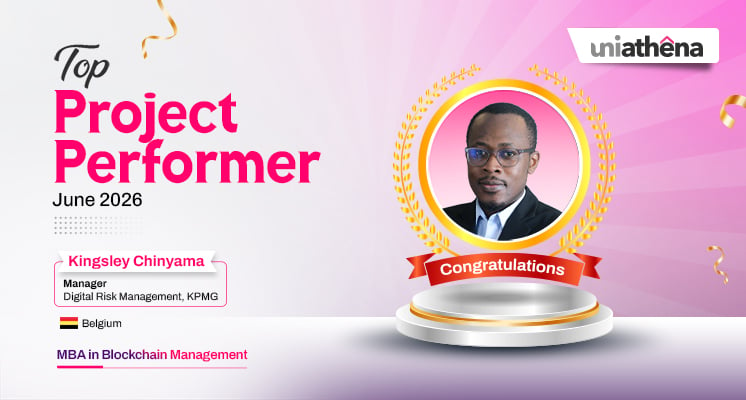
🌟 Top Project Performer – June 2026 🌟
Read More
1
mins read


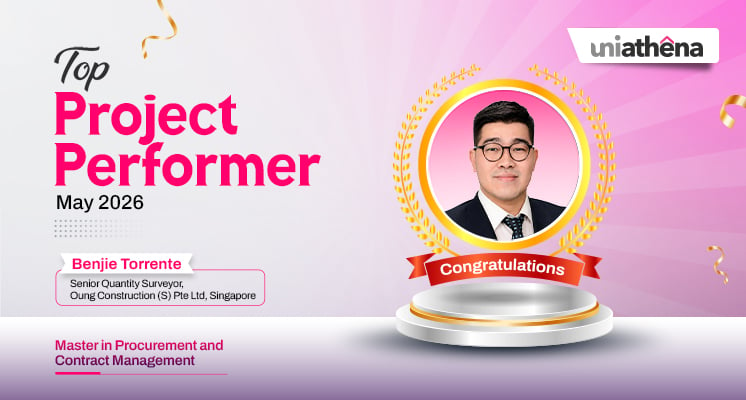
🌟 Top Project Performer – May 2026 🌟
Read More
1
mins read

🌟 Top Project Performer – April 2026 🌟
Read More
1
mins read

🌟 Top Project Performer – June 2026 🌟
Read more
1
mins read
🌟 Top Project Performer – May 2026 🌟
Read more
1
mins read

🌟 Top Project Performer – April 2026 🌟
Read more
1
mins read
Get in Touch

It’s Time to Start
Join NowMost Popular Online Specialization
- Master of International Business Administration
- Master of Business Administration
- MBA in General Management- FastTrack
- Master in Innovation and Entrepreneurship
- MBA-Family Business Management
- Master in Procurement and Contract Management
- Extended Diploma in Business Analytics (SCQF Level 11)
- Diploma in Supply Chain and Logistics Management (SCQF Level 11)
- Strategic Human Resource Management Practitioner
- Master in Data Science
- Master in Engineering Management
Trending Online
- Integrated Doctorate of Business Administration
- Postgraduate Certificate in Finance for Next Generation Managers
- Master of Business Administration- General Management (Fast Track)
- Postgraduate Certificate in Socio-Economic and Legal Framework
- Postgraduate Certificate in Business Sustainability
- Certified Manager
- Supply Chain Management Practitioner
- MBA - AI in Business
- MBA - Accounting & Finance
- Master in Supply Chain and Logistics Management
Top Universities Online Certificates
- Postgraduate Certificate in International Marketing Management
- Postgraduate Certificate In International Human Resource Management
- Postgraduate Certificate in Strategic Management
- Postgraduate Certificate in Procurement & Contracts Management
- Postgraduate Certificate in Business Analytics
- Postgraduate Certificate in Strategic Supply Chain & Logistics Management
- Postgraduate Certificate in Human Resource and Leadership
- Project Management Practitioner
- Postgraduate Certificate in Supply Chain Design & Implementation
- Postgraduate Certificate in Management Accounting and Finance
Accredited Online Degree Program
- MBA - Digital Transformation
- MBA - Family Business Management
- MBA - Marketing Management
- MBA in Quality Management
- MBA - Business Intelligence & Data Analytics
- MBA in Operations & Project Management
- MBA in Energy Management
- MBA In Construction & Safety Management
- Master in Organisational Leadership
- Master in Public Health
- Master in Construction Management
- Bachelor of Arts in Business Administration


 Install Now


UniAthena is an Ed-Tech, offering flexible, affordable learning solutions, including Free-Learning Upskilling Courses and Academic Programs in partnerships with accredited and globally renowned universities and professional qualification bodies.


Do you have any questions ?
Feel free to send us your questions or request a free consultation
Send a message
UK
Athena Global Education
Magdalen Centre,
Robert Robinson Avenue,
Oxford, OX4 4GA, UK
Phone : 01865 784299
MIDDLE EAST
Athena Global Education FZE
Block L-03, First Floor,
P O Box 519265, Sharjah Publishing City,
Free Zone, Sharjah, UAE
Phone : +971 55 879 5492
INDIA
Uniathena Private Limited
9A,Midas Tower
Phase 1
Hinjewadi Rajiv Gandhi Infotech Park
Pune-411057
Phone: +91 9145665544
All Copyrights Reserved @ Athena Global Education 2021-2026