-

Bachelor's

-

Masters
-

MBA
-

Doctorate
-

Micro Credit
-

Explore all Courses
-
Postgraduate Certifications

-
Postgraduate Diploma
-
Undergraduate Diploma
-
Diploma



Is Energy a Good Career Path? Everything You Need to Know Before You Decide

Author: krishna priya t nair
|9
MINS READ
| 0
| 11
Created On: 11 July, 2026
Share




Table of Contents (TOC):
- Introduction
- The Growing Importance of the Energy Sector
- Why Energy Management Is Becoming a Popular Career Choice
- Key Reasons Why Energy Is a Strong Career Path
- Major Career Areas in Energy Management
- Skills Required for a Career in Energy Management
- Educational Qualifications for Energy Careers
- Future Trends in the Energy Industry
- Conclusion
Introduction
The energy sector is the most crucial driver of the world economy. Every single company, every business, and every home needs energy that they can count on. A major shift towards renewable, sustainable, and energy-efficient systems is widely seen across the globe, indicating careers in energy management are becoming more valuable than ever before.
The objectives of energy management go beyond simply reducing energy costs. It aims to improve efficiency, enhance sustainability, support environmental protection, and ensure the effective use of energy resources. With increasing global energy demand and sustainability concerns, energy management has become an essential strategy for industries, businesses, and governments worldwide.
The energy sector is changing fast. We are seeing things like smart grids, electric vehicles, solar- or wind-powered industries and factories, etc. This transformation is creating millions of new jobs worldwide and opening opportunities for engineers, managers, analysts, environmental professionals, business graduates, and technology specialists.
For individuals interested in engineering, sustainability, technology, infrastructure, or business transformation, the energy sector offers diverse long-term career opportunities. With expanding employment prospects, global career mobility, and increasing demand for skilled professionals, it provides opportunities for both career growth and meaningful contribution. As the world transitions toward cleaner and more efficient energy systems, professionals with the right knowledge and skills are expected to play an increasingly important role in shaping the future of the industry.
The Growing Importance of the Energy Sector
The energy industry is going through a rapid change. Countries everywhere are putting a lot of money into energy and renewable energy to meet sustainability goals and cut down on carbon emissions.
According to the International Energy Agency, global energy sector employment has been growing faster than overall global employment for three consecutive years (IEA, 2025). The International Energy Agency (IEA)’s latest World Energy Employment 2025 report highlights a major shift in the global workforce.
In 2024, energy employment grew by 2.2%, almost double the wider economy’s 1.3%, bringing total global energy jobs to 76 million. Since 2019, the sector has added 5.4 million roles, making energy one of the most powerful engines for job creation worldwide. The electricity sector, especially solar energy, has become one of the largest contributors to new energy jobs.
The growth is being driven by:
- Expansion of renewable energy projects
- Rising electricity demand from electric vehicles and data centers
- Global sustainability initiatives
- Energy efficiency programs
- Government investments in clean energy infrastructure
- Corporate net-zero commitments
The renewable energy sector alone has experienced massive expansion, with renewable power accounting for nearly half of global electricity capacity in 2025 (Reuters, 2026).
Why Energy Management Is Becoming a Popular Career Choice
Energy management is about using energy resources effectively. This means we need to save energy, watch how we use it, and make sure we are using it in the most efficient way. Energy managers are people who help companies use energy more sustainably, save money on daily costs, and follow the rules that protect the environment.
Nowadays, companies are looking for people who're experts in energy because using energy wisely has a big impact on how much profit they make, how sustainable they are, and what people think of them when it comes to taking care of the environment. Proper Energy management is really important for energy efficiency. This is why companies want energy professionals to help them with energy management so as to reduce energy consumption, improve sustainability, lower operational costs, and comply with environmental regulations.
While the long-term outlook for energy careers is positive, opportunities vary across regions, industries, and technologies. Government policies, infrastructure investments, changing market conditions, and the pace of the energy transition can all influence hiring demand. Professionals therefore benefit from continuous learning as new technologies, regulations, and sustainability standards continue to evolve.
Key Reasons Why Energy Is a Strong Career Path
1. High Global Demand
Energy professionals are needed across multiple sectors, including:
- Renewable energy
- Oil and gas
- Construction
- Manufacturing
- Smart cities
- Transportation
- Utilities
- Data centers
- Government agencies
- Sustainability consulting
The IEA reports that skilled worker shortages are becoming a major challenge in the energy sector, particularly in technical and engineering roles (IEA, 2025). This indicates strong future demand for qualified professionals.
2. Diverse Career Opportunities
The energy industry offers careers for people from various educational backgrounds, including:
3. Strong Salary Potential
Energy careers often provide competitive salaries because they require technical expertise and specialized knowledge. They play a key role in saving more money in business.
Professionals in renewable energy, energy efficiency consulting, petroleum engineering, and power systems management are among the higher-paid specialists in many countries.
Compensation often reflects the technical expertise, regulatory knowledge, and operational responsibility associated with these roles, particularly in sectors involving critical infrastructure, large-scale energy projects, and complex operational environments.
Experienced energy managers and sustainability leaders often move into executive-level positions such as:
- Chief Sustainability Officer (CSO)
- ESG Director
- Energy Strategy Manager
- Operations Director
4. Global Career Mobility
Energy is a global industry. Professionals can work in:
- Europe
- Middle East
- North America
- Asia-Pacific
- Africa
- Offshore energy projects
- International sustainability organizations
Countries investing heavily in renewable energy and infrastructure are actively seeking skilled energy professionals.
5. Opportunity to Create Social and Environmental Impact
Many professionals are attracted to energy careers because they contribute to:
- Climate change mitigation
- Sustainable development
- Reduced carbon emissions
- Energy security
- Green innovation
- Environmental protection
Energy management careers combine business value with environmental responsibility.
Major Career Areas in Energy Management
1. Renewable Energy Management
This area focuses on renewable technologies such as:
- Solar energy
- Wind energy
- Hydropower
- Biomass
- Geothermal energy
Professionals may work in project planning, operations, maintenance, policy, or sustainability.
Common Roles:
- Renewable Energy Engineer
- Solar Project Manager
- Wind Energy Specialist
- Renewable Energy Consultant
2. Energy Efficiency and Sustainability
Organizations aim to reduce energy waste and improve operational efficiency.
Professionals in this field conduct:
- Energy audits
- Building performance analysis
- Carbon footprint assessments
- Sustainability reporting
- Green building certification support
Common Roles:
- Energy Auditor
- Sustainability Manager
- ESG Analyst
- Green Building Consultant
3. Power and Utility Management
This sector includes electricity generation, transmission, distribution, and smart grid systems.
The transition toward electrification and smart energy systems is increasing demand for:
- Grid Engineers
- Electrical Planners
- Utility Managers
- Power Analysts
The IEA notes that electricity-related jobs have increased significantly over the last five years due to expansion in power infrastructure (IEA, 2025).
4. Oil and Gas Energy Management
Although renewable energy is expanding rapidly, oil and gas remain important parts of the global energy mix.
Careers still exist in:
- Petroleum Engineering
- Drilling Operations
- Refinery Management
- Offshore Operations
- Energy Trading
However, many oil and gas companies are also investing in cleaner energy technologies and sustainability initiatives.
At the same time, many organizations are diversifying their portfolios by investing in renewable energy, carbon management, hydrogen technologies, and other low-carbon initiatives. This transition is creating opportunities for professionals who can combine expertise in traditional energy systems with emerging clean energy technologies.
5. Smart Energy and Digital Technologies
Technology is reshaping the energy sector through:
- Artificial Intelligence (AI)
- Internet of Things (IoT)
- Smart Meters
- Digital Twins
- Predictive Maintenance
- Energy Analytics
Professionals with both technology and energy expertise are increasingly valuable.
Common Roles:
- Energy Data Analyst
- Smart Grid Specialist
- Energy AI Consultant
- Automation Engineer
Skills Required for a Career in Energy Management
To succeed in the energy industry, professionals need both technical and managerial skills.
Technical Skills:
- Energy Systems Knowledge
- Renewable Energy Technologies
- Energy Auditing
- Power Systems Understanding
- Sustainability Analysis
- Data Analytics
- Regulatory Compliance
- Carbon Management
Soft Skills:
- Problem-Solving
- Leadership
- Communication
- Analytical Thinking
- Project Management
- Decision-Making
- Team Collaboration
Employers increasingly prefer professionals who can combine technical expertise with business and sustainability knowledge. As the energy sector becomes more digital, professionals who combine engineering or operational knowledge with data analytics, automation, artificial intelligence, and sustainability expertise are likely to be particularly well positioned for future opportunities.
Also Read: AI and the Environment: Can Intelligent Energy Systems Drive Sustainability?
Educational Qualifications for Energy Careers
Several academic pathways can lead to energy management careers.
Popular Degrees:
- Energy Management
- Electrical Engineering
- Mechanical Engineering
- Environmental Engineering
- Sustainability Management
- Renewable Energy Engineering
- MBA in Energy or Sustainability
- Environmental Science
For professionals seeking a higher qualification, specialised programs can offer a structured way to deepen their understanding of energy management alongside business and sustainability. One such option is UniAthena's MBA in Energy Management, offered in partnership with Guglielmo Marconi University, Italy. This 15-month program covers key areas such as energy management principles, sustainability, and strategic decision-making in a flexible online learning format.
Continuous learning is important because energy technologies and regulations evolve rapidly.
Future Trends in the Energy Industry
The energy industry is evolving rapidly and is expected to play a major role in shaping the future of the global economy. Advancements in technology, increasing environmental awareness, and the shift toward cleaner energy sources are creating new opportunities across the sector.
Renewable energy technologies such as solar, wind, and green hydrogen are growing quickly as countries focus on reducing carbon emissions and achieving sustainability goals. At the same time, smart technologies, artificial intelligence, and digital energy systems are improving the way energy is produced, monitored, and consumed.
The rise of electric vehicles, smart grids, and energy-efficient infrastructure is also increasing the demand for skilled professionals in the energy field. As governments and industries continue investing in clean and sustainable energy solutions, the sector is expected to offer strong career growth, innovation, and global opportunities in the coming years.
1. Renewable Energy Expansion
Solar and wind energy continue to grow rapidly worldwide. According to Reuters (2026), renewable energy represented nearly 50% of global electricity capacity in 2025.
2. Electrification Growth
Electric vehicles, smart buildings, and digital infrastructure are increasing electricity demand globally.
3. Sustainability and ESG Reporting
Organizations are prioritizing Environmental, Social, and Governance (ESG) goals, increasing the need for sustainability and energy professionals.
4. Smart Grid Development
Digital technologies and smart energy systems are creating opportunities for energy analytics and automation professionals.
5. Workforce Shortages
The IEA reported that more than half of surveyed energy companies faced hiring bottlenecks due to shortages of skilled workers (IEA, 2025). This creates strong opportunities for future graduates.
Addressing these workforce shortages will require continued investment in education, reskilling, and interdisciplinary training as the industry accelerates the adoption of digital technologies, automation, and cleaner energy systems. Professionals who continuously update their skills will be better prepared to adapt to the evolving demands of the global energy sector.
Also Read: Energy 2.0: How Data is Powering the Future of Oil & Gas
Conclusion
The field of energy management is becoming increasingly important in today’s rapidly changing world. With growing investments in renewable energy, sustainable practices, electric technologies, and smart energy systems, organizations across the globe are actively looking for skilled professionals who can contribute to this transformation.
The energy sector provides opportunities for individuals from different backgrounds, including engineering, business management, sustainability, data analysis, and technology. This variety makes it a flexible and attractive career option for many learners and professionals.
For those seeking a career that offers long-term growth, international opportunities, and the chance to contribute to a more sustainable future, energy management presents a compelling career option. The future of the energy industry will depend not only on technological innovation but also on professionals who can combine technical expertise, sustainability knowledge, business understanding, and strategic thinking to build more resilient, efficient, and environmentally responsible energy systems.
Our Popular Courses

$14000


Doctoral Degree in Business Administration
Universidad Catolica De Murcia (UCAM), Spain
Duration:
2 - 3 Years
$17500*
Integrated Doctorate of Business Administration
Guglielmo Marconi University, Italy
Universidad Catolica De Murcia (UCAM), Spain
Duration:
2.5 - 3.5 Years
$5600*
Master of Business Administration
Guglielmo Marconi University, Italy
Duration:
12 - 24 Months
$5600*
MBA in Operations & Project Management
Guglielmo Marconi University, Italy
Duration:
12 - 24 Months
$5600*
Master in Supply Chain and Logistics Management
Guglielmo Marconi University, Italy
Duration:
12 - 24 Months
$5950*
Master in Data Sciences
Guglielmo Marconi University, Italy
Duration:
12 - 24 Months
$5600*
Master in Engineering Management
Guglielmo Marconi University, Italy
Duration:
12 - 24 Months
$5600*
Master in Procurement and Contract Management
Guglielmo Marconi University, Italy
Duration:
12 - 24 Months
$5600*
Master in Public Health
Guglielmo Marconi University, Italy
Duration:
12 - 24 MonthsOur Popular Courses
COMMENTS(0)
Our Popular Courses
$14000
Doctoral Degree in Business Administration
Universidad Catolica De Murcia (UCAM), Spain
Duration:
2 - 3 Years
$17500*
Integrated Doctorate of Business Administration
Guglielmo Marconi University, Italy
Universidad Catolica De Murcia (UCAM), Spain
Duration:
2.5 - 3.5 Years
$5600*
Master of Business Administration
Guglielmo Marconi University, Italy
Duration:
12 - 24 Months
$5600*
MBA in Operations & Project Management
Guglielmo Marconi University, Italy
Duration:
12 - 24 Months
$5600*
Master in Supply Chain and Logistics Management
Guglielmo Marconi University, Italy
Duration:
12 - 24 Months
$5950*
Master in Data Sciences
Guglielmo Marconi University, Italy
Duration:
12 - 24 Months
$5600*
Master in Engineering Management
Guglielmo Marconi University, Italy
Duration:
12 - 24 Months
$5600*
Master in Procurement and Contract Management
Guglielmo Marconi University, Italy
Duration:
12 - 24 Months
$5600*
Master in Public Health
Guglielmo Marconi University, Italy
Duration:
12 - 24 MonthsOur Popular Courses
Our Popular Insights
Careers are shifting faster than ever, and staying relevant takes more than experience. Explore UniAthena’s most-read blogs for sharp insights, emerging skills, and practical pathways that help you move forward with clarity and confidence in a changing professional world.


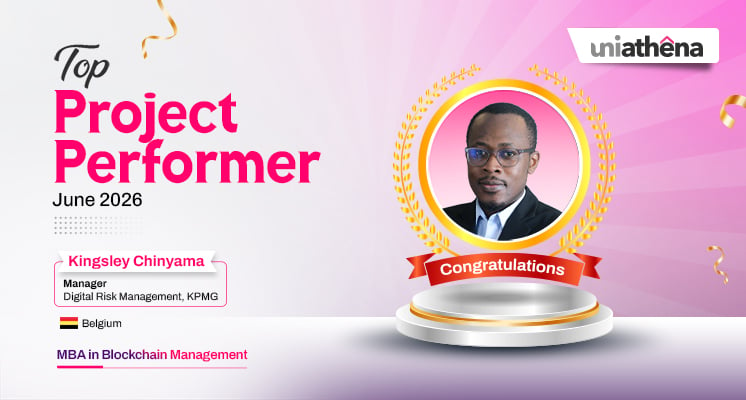
🌟 Top Project Performer – June 2026 🌟
Read More
1
mins read



🌟 Top Project Performer – May 2026 🌟
Read More
1
mins read

Best AI Tools for Content Creation
Read More
9
mins read

🌟 Top Project Performer – April 2026 🌟
Read More
1
mins read
🌟 Top Project Performer – June 2026 🌟
Read more
1
mins read
🌟 Top Project Performer – May 2026 🌟
Read more
1
mins read
Best AI Tools for Content Creation
Read more
9
mins read
🌟 Top Project Performer – April 2026 🌟
Read more
1
mins read
Get in Touch

It’s Time to Start
Join NowMost Popular Online Specialization
- Master of International Business Administration
- Master of Business Administration
- MBA in General Management- FastTrack
- Master in Innovation and Entrepreneurship
- MBA-Family Business Management
- Master in Procurement and Contract Management
- Extended Diploma in Business Analytics (SCQF Level 11)
- Diploma in Supply Chain and Logistics Management (SCQF Level 11)
- Strategic Human Resource Management Practitioner
- Master in Data Science
- Master in Engineering Management
Trending Online
- Integrated Doctorate of Business Administration
- Postgraduate Certificate in Finance for Next Generation Managers
- Master of Business Administration- General Management (Fast Track)
- Postgraduate Certificate in Socio-Economic and Legal Framework
- Postgraduate Certificate in Business Sustainability
- Certified Manager
- Supply Chain Management Practitioner
- MBA - AI in Business
- MBA - Accounting & Finance
- Master in Supply Chain and Logistics Management
Top Universities Online Certificates
- Postgraduate Certificate in International Marketing Management
- Postgraduate Certificate In International Human Resource Management
- Postgraduate Certificate in Strategic Management
- Postgraduate Certificate in Procurement & Contracts Management
- Postgraduate Certificate in Business Analytics
- Postgraduate Certificate in Strategic Supply Chain & Logistics Management
- Postgraduate Certificate in Human Resource and Leadership
- Project Management Practitioner
- Postgraduate Certificate in Supply Chain Design & Implementation
- Postgraduate Certificate in Management Accounting and Finance
Accredited Online Degree Program
- MBA - Digital Transformation
- MBA - Family Business Management
- MBA - Marketing Management
- MBA in Quality Management
- MBA - Business Intelligence & Data Analytics
- MBA in Operations & Project Management
- MBA in Energy Management
- MBA In Construction & Safety Management
- Master in Organisational Leadership
- Master in Public Health
- Master in Construction Management
- Bachelor of Arts in Business Administration


 Install Now


UniAthena is an Ed-Tech, offering flexible, affordable learning solutions, including Free-Learning Upskilling Courses and Academic Programs in partnerships with accredited and globally renowned universities and professional qualification bodies.


Do you have any questions ?
Feel free to send us your questions or request a free consultation
Send a message
UK
Athena Global Education
Magdalen Centre,
Robert Robinson Avenue,
Oxford, OX4 4GA, UK
Phone : 01865 784299
MIDDLE EAST
Athena Global Education FZE
Block L-03, First Floor,
P O Box 519265, Sharjah Publishing City,
Free Zone, Sharjah, UAE
Phone : +971 55 879 5492
INDIA
Uniathena Private Limited
9A,Midas Tower
Phase 1
Hinjewadi Rajiv Gandhi Infotech Park
Pune-411057
Phone: +91 9145665544
All Copyrights Reserved @ Athena Global Education 2021-2026