-

Bachelor's

-

Masters
-

MBA
-

Doctorate
-

Micro Credit
-

Explore all Courses
-
Postgraduate Certifications

-
Postgraduate Diploma
-
Undergraduate Diploma
-
Diploma



What is Emotional Intelligence?
Author: maharajan p
|6
MINS READ
| 0
| 105
Created On: 17 April, 2026
Share




Table of Contents (TOC):
- Introduction
- Key Takeaways
- What Is Emotional Intelligence?
- Components of Emotional Intelligence
- 5 Simple Steps to Improve Your Emotional Intelligence
- Bottom Line
- FAQs
Introduction
Employers have always paid attention to soft skills, but for years they stayed quietly in the background — nice to have, rarely the priority. Recently, that changed.
As workplaces adapt to Gen Z, the expectations around how people lead, communicate, and handle pressure are shifting fast. This generation values psychological safety, authenticity, and honest conversation. That shift is also highlighting the importance of emotional intelligence in modern workplaces. What once felt like a supporting skill is now moving to the center of leadership and collaboration. It is now ranked the third most important skill for both leaders and senior professionals to have.
So what exactly is emotional intelligence, and how do you build it?
Key Takeaways:
- Emotional intelligence is becoming a critical workplace skill. Modern workplaces increasingly expect professionals to manage emotions, communicate effectively, and handle pressure with maturity.
- Four core components shape emotional intelligence. Self-awareness, emotional regulation, social awareness, and relationship management guide how people think, react, and interact when developing emotional intelligence.
- Improving emotional intelligence requires deliberate daily practice. Simple habits like noticing triggers, pausing before responding, and reflecting after difficult interactions help strengthen emotional control.
What Is Emotional Intelligence?
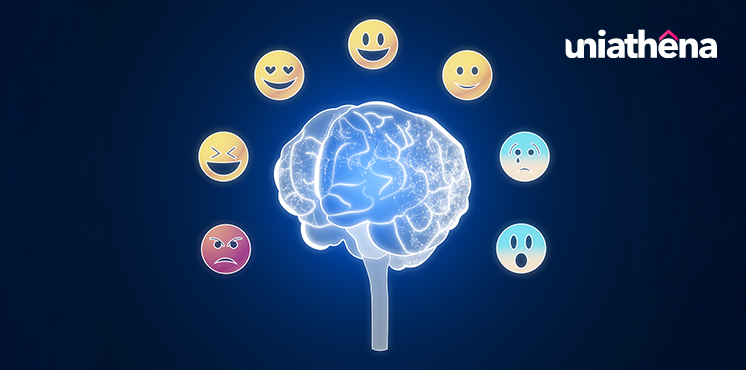
Emotional intelligence refers to your ability to understand emotions and manage them effectively. It includes how you recognize your own emotional responses, how you interpret the emotions of others, and how you adjust your behavior based on that understanding.
Consider a common situation at work. You receive feedback that you do not agree with. Your first reaction may be frustration or defensiveness. Emotional intelligence helps you notice that reaction before you respond. It allows you to pause and listen instead of reacting immediately.
You can then respond with a question or clarification rather than an emotional response. The situation stays productive instead of turning into conflict.
Components of Emotional Intelligence
Emotional intelligence consists of a few key components that work together. Each component focuses on how emotions influence thinking, behavior, and interaction with others. When these components develop together, emotional responses become more controlled and more effective.
The core components of emotional intelligence include:
- Self-awareness, which involves recognizing your emotions as they arise and understanding how they affect your thoughts and actions.
- Emotional regulation, which focuses on managing emotional responses and choosing how to act instead of reacting impulsively.
- Social awareness, which involves noticing emotions in others and understanding emotional cues within a situation.
- Relationship management, which refers to using emotional understanding to communicate clearly, handle disagreements, and maintain professional and personal relationships.
Strengthening one component often supports improvement in the others, making emotional responses more deliberate and consistent.
Also Read: What is Critical Thinking and How to Develop it?
5 Simple Steps to Improve Your Emotional Intelligence
Improving emotional intelligence requires deliberate effort. Most people struggle not because they lack emotions, but because they do not examine them closely. You may notice reactions only after they create tension or regret.
The goal is to slow that pattern down and replace it with awareness and choice. These five steps focus on practical changes you can apply in daily life.
1. Start Noticing Emotional Triggers
Pay attention to situations that create strong reactions. Notice when you feel defensive, anxious, irritated, or withdrawn. Identify the specific event that triggered the emotion.
Do not judge the feeling. Simply name it clearly. This habit builds self-awareness, which forms the foundation of emotional intelligence.
2. Pause Before Responding
Create a short gap between emotion and action. Take a breath before replying to a message or comment. Give yourself a few seconds before speaking in a tense moment. That pause reduces impulsive reactions. It gives your thinking process time to catch up with your emotions.
3. Ask What the Emotion Is Telling You
Every emotion carries information. Frustration may signal unmet expectations. Anxiety may signal uncertainty or lack of clarity. Instead of ignoring emotions, examine them. Ask what problem needs attention. This step shifts you from reacting emotionally to thinking constructively.
Also Read: How FOMO Shapes Buying Behaviour
4. Pay Attention to Others’ Signals
Observe tone, facial expressions, and changes in behavior. Listen fully instead of preparing your response. Notice when someone seems uncomfortable or disengaged. This practice strengthens social awareness. It helps you adjust your communication based on the situation.
5. Reflect After Difficult Interactions
Review conversations that did not go well. Identify what you felt and how you responded. Consider what you could handle differently next time. Reflection turns everyday experiences into learning opportunities. Over time, this builds more consistent emotional control.
If you want to understand emotions, thought patterns, and interpersonal behaviour in daily life, you need to learn core psychological principles. This helps you understand why people think and act the way they do. It also helps you notice emotional cues before someone clearly expresses them.
- Check Out the Program: Basics of Psychology – Approaches & Methodology - covers these core foundations and gives you practical methods you can apply in real situations.
- Check Out the Program: Essentials of Psychology - examines how psychological principles influence human interaction and professional environments across fields such as management, education, and workplace behaviour.
If you want to apply emotional intelligence in a professional or managerial context, the same patterns still matter. The difference is in application. In teams and organizations, you must understand how emotions affect decisions, performance, and communication.
- Check Out the Program: Executive Diploma in Managerial Psychology - focuses on applying psychological understanding within workplace settings.
Bottom Line
Emotional intelligence is a practical skill that affects how you think, respond, and relate to others. You can improve it by building self-awareness, managing reactions, and understanding emotional patterns in different situations.
Daily practice helps, but deeper learning strengthens that progress. The key is to decide where you want to apply emotional intelligence and develop it with clear intent.
Also Read: What Is Psychology? Types & Importance of Psychology in Modern Life
FAQs
Q1. Can emotional intelligence be learned?
A: Yes. Emotional intelligence is a skill. You can improve it through self-awareness, reflection, feedback, and consistent practice in daily interactions and challenging situations.
Q2. Why is emotional intelligence important at work?
A: It improves communication, reduces conflict, supports better decision-making, and helps professionals handle pressure without damaging relationships or team performance.
Q3. Is emotional intelligence the same as being empathetic?
A: No. Empathy is one part of emotional intelligence. Emotional intelligence also includes managing your reactions and making balanced decisions under emotional pressure.
Q4. Can emotional intelligence help in leadership roles?
A: Yes. Leaders with strong emotional intelligence communicate clearly, manage conflicts effectively, understand team dynamics, and respond calmly during uncertainty or pressure.
Q5. What is the first step to building emotional intelligence?
A: The first step is self-awareness. You must notice your emotional triggers and understand how they influence your reactions and decisions.
Explore Related Courses







.jpg)



COMMENTS(0)
Explore Related Courses
Our Popular Insights
Careers are shifting faster than ever, and staying relevant takes more than experience. Explore UniAthena’s most-read blogs for sharp insights, emerging skills, and practical pathways that help you move forward with clarity and confidence in a changing professional world.



🌟 Top Project Performer – June 2026 🌟
Read More
1
mins read


🌟 Top Project Performer – May 2026 🌟
Read More
1
mins read



🌟 Top Project Performer – April 2026 🌟
Read More
1
mins read
🌟 Top Project Performer – June 2026 🌟
Read more
1
mins read

🌟 Top Project Performer – May 2026 🌟
Read more
1
mins read
🌟 Top Project Performer – April 2026 🌟
Read more
1
mins read
Get in Touch

It’s Time to Start
Join NowMost Popular Online Specialization
- Master of International Business Administration
- Master of Business Administration
- MBA in General Management- FastTrack
- Master in Innovation and Entrepreneurship
- MBA-Family Business Management
- Master in Procurement and Contract Management
- Extended Diploma in Business Analytics (SCQF Level 11)
- Diploma in Supply Chain and Logistics Management (SCQF Level 11)
- Strategic Human Resource Management Practitioner
- Master in Data Science
- Master in Engineering Management
Trending Online
- Integrated Doctorate of Business Administration
- Postgraduate Certificate in Finance for Next Generation Managers
- Master of Business Administration- General Management (Fast Track)
- Postgraduate Certificate in Socio-Economic and Legal Framework
- Postgraduate Certificate in Business Sustainability
- Certified Manager
- Supply Chain Management Practitioner
- MBA - AI in Business
- MBA - Accounting & Finance
- Master in Supply Chain and Logistics Management
Top Universities Online Certificates
- Postgraduate Certificate in International Marketing Management
- Postgraduate Certificate In International Human Resource Management
- Postgraduate Certificate in Strategic Management
- Postgraduate Certificate in Procurement & Contracts Management
- Postgraduate Certificate in Business Analytics
- Postgraduate Certificate in Strategic Supply Chain & Logistics Management
- Postgraduate Certificate in Human Resource and Leadership
- Project Management Practitioner
- Postgraduate Certificate in Supply Chain Design & Implementation
- Postgraduate Certificate in Management Accounting and Finance
Accredited Online Degree Program
- MBA - Digital Transformation
- MBA - Family Business Management
- MBA - Marketing Management
- MBA in Quality Management
- MBA - Business Intelligence & Data Analytics
- MBA in Operations & Project Management
- MBA in Energy Management
- MBA In Construction & Safety Management
- Master in Organisational Leadership
- Master in Public Health
- Master in Construction Management
- Bachelor of Arts in Business Administration


 Install Now


UniAthena is an Ed-Tech, offering flexible, affordable learning solutions, including Free-Learning Upskilling Courses and Academic Programs in partnerships with accredited and globally renowned universities and professional qualification bodies.


Do you have any questions ?
Feel free to send us your questions or request a free consultation
Send a message
UK
Athena Global Education
Magdalen Centre,
Robert Robinson Avenue,
Oxford, OX4 4GA, UK
Phone : 01865 784299
MIDDLE EAST
Athena Global Education FZE
Block L-03, First Floor,
P O Box 519265, Sharjah Publishing City,
Free Zone, Sharjah, UAE
Phone : +971 55 879 5492
INDIA
Uniathena Private Limited
9A,Midas Tower
Phase 1
Hinjewadi Rajiv Gandhi Infotech Park
Pune-411057
Phone: +91 9145665544
All Copyrights Reserved @ Athena Global Education 2021-2026