-

Bachelor's

-

Masters
-

MBA
-

Doctorate
-

Micro Credit
-

Explore all Courses
-
Postgraduate Certifications

-
Postgraduate Diploma
-
Undergraduate Diploma
-
Diploma



Nurturing Work-Life Balance: The Key to Employee Well-being and Productivity

Author: aaysha khan
|3
MINS READ
| 0
| 164
Created On: 24 July, 2023 Updated On: 18 July, 2025
Share




In today's fast-paced and competitive world, maintaining a healthy work-life balance has become more crucial than ever. Striking a harmonious equilibrium between professional commitments and personal life is essential for achieving overall well-being and maximizing productivity. Organizations that prioritize and encourage work-life balance not only foster happier and healthier employees but also create an environment conducive to enhanced performance and success. Let's explore why nurturing work-life balance is the key to employee well-being and productivity.
- Improved Mental Health:
Excessive work hours and chronic stress can take a toll on an individual's mental health. When employees are constantly overwhelmed with work and neglect their personal lives, they become more susceptible to burnout, anxiety, and depression. On the other hand, a healthy work-life balance allows individuals to recharge, relax, and engage in activities that promote mental well-being. By creating opportunities for employees to pursue their personal interests and spend quality time with loved ones, organizations can contribute to improved mental health, resulting in higher job satisfaction and productivity.
- Enhanced Physical Health:
Neglecting personal well-being can have adverse effects on an employee's physical health. Long hours of sedentary work, irregular eating habits, and a lack of exercise can lead to various health issues such as obesity, cardiovascular problems, and weakened immune systems. Encouraging employees to prioritize self-care, engage in regular exercise, and maintain a nutritious diet contributes to their overall physical well-being. When employees are healthy and energized, they are more likely to perform at their best, leading to increased productivity and reduced absenteeism.
- Increased Engagement and Loyalty:
Organizations that value work-life balance and support their employees' personal lives tend to foster higher levels of engagement and loyalty. When employees feel respected and supported in their efforts to maintain a healthy balance between work and personal life, they are more committed to their jobs and the organization's mission. They are also more likely to stay with the company in the long term, reducing turnover rates and the associated costs of recruitment and training. By prioritizing work-life balance, organizations can build a loyal and dedicated workforce.
- Enhanced Creativity and Innovation:
A constant focus on work can lead to mental fatigue and limited creativity. On the other hand, taking time off and engaging in non-work activities stimulates the mind, allowing for fresh perspectives and innovative ideas. Encouraging employees to pursue hobbies and interests outside of work creates a more diverse and creative workforce. Employees who have a balanced lifestyle bring a broader range of experiences and insights to the table, fostering a culture of creativity and innovation within the organization.
- Optimal Work Performance:
A well-rested and rejuvenated employee is likely to perform better at work. When individuals have adequate time for rest, relaxation, and personal fulfillment, they approach their professional responsibilities with renewed focus, motivation, and productivity. The ability to disconnect from work and recharge leads to increased efficiency, better decision-making, and higher-quality outputs. Nurturing work-life balance enables employees to achieve their professional goals while also tending to their personal needs, resulting in optimal work performance.
In conclusion, nurturing work-life balance is crucial for both employee well-being and productivity. By prioritizing and supporting work-life balance, organizations create an environment that promotes mental and physical health, increases engagement and loyalty, stimulates creativity and innovation, and ultimately leads to optimal work performance. Recognizing the importance of work-life balance and implementing policies and practices that support it will not only benefit employees but also contribute to the long-term success of the organization as a whole.
Explore Related Courses















COMMENTS(0)
Explore Related Courses
Our Popular Insights
Careers are shifting faster than ever, and staying relevant takes more than experience. Explore UniAthena’s most-read blogs for sharp insights, emerging skills, and practical pathways that help you move forward with clarity and confidence in a changing professional world.


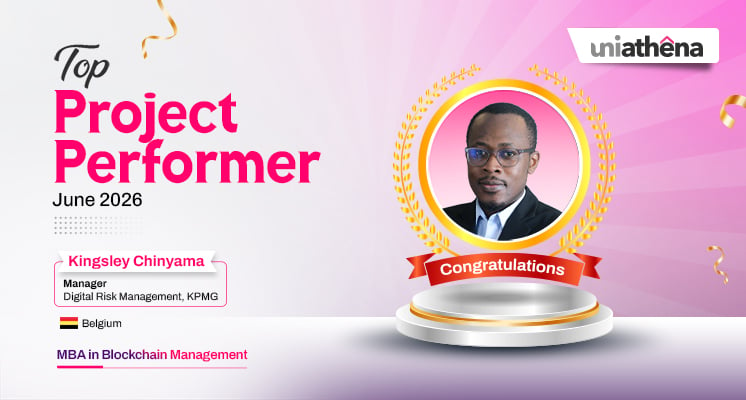
🌟 Top Project Performer – June 2026 🌟
Read More
1
mins read


🌟 Top Project Performer – May 2026 🌟
Read More
1
mins read


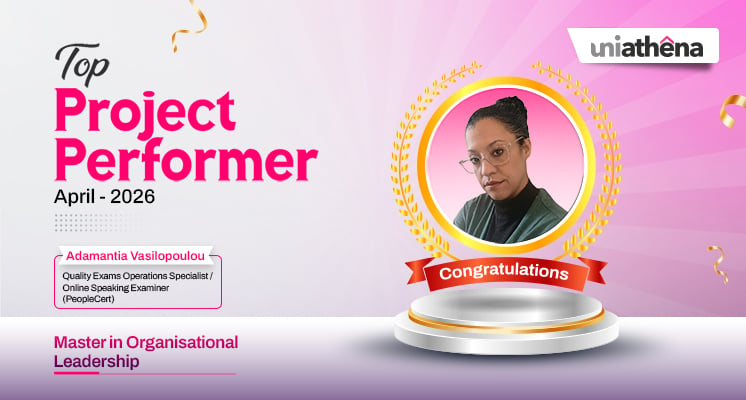
🌟 Top Project Performer – April 2026 🌟
Read More
1
mins read
🌟 Top Project Performer – June 2026 🌟
Read more
1
mins read

🌟 Top Project Performer – May 2026 🌟
Read more
1
mins read
🌟 Top Project Performer – April 2026 🌟
Read more
1
mins read
Get in Touch

It’s Time to Start
Join NowMost Popular Online Specialization
- Master of International Business Administration
- Master of Business Administration
- MBA in General Management- FastTrack
- Master in Innovation and Entrepreneurship
- MBA-Family Business Management
- Master in Procurement and Contract Management
- Extended Diploma in Business Analytics (SCQF Level 11)
- Diploma in Supply Chain and Logistics Management (SCQF Level 11)
- Strategic Human Resource Management Practitioner
- Master in Data Science
- Master in Engineering Management
Trending Online
- Integrated Doctorate of Business Administration
- Postgraduate Certificate in Finance for Next Generation Managers
- Master of Business Administration- General Management (Fast Track)
- Postgraduate Certificate in Socio-Economic and Legal Framework
- Postgraduate Certificate in Business Sustainability
- Certified Manager
- Supply Chain Management Practitioner
- MBA - AI in Business
- MBA - Accounting & Finance
- Master in Supply Chain and Logistics Management
Top Universities Online Certificates
- Postgraduate Certificate in International Marketing Management
- Postgraduate Certificate In International Human Resource Management
- Postgraduate Certificate in Strategic Management
- Postgraduate Certificate in Procurement & Contracts Management
- Postgraduate Certificate in Business Analytics
- Postgraduate Certificate in Strategic Supply Chain & Logistics Management
- Postgraduate Certificate in Human Resource and Leadership
- Project Management Practitioner
- Postgraduate Certificate in Supply Chain Design & Implementation
- Postgraduate Certificate in Management Accounting and Finance
Accredited Online Degree Program
- MBA - Digital Transformation
- MBA - Family Business Management
- MBA - Marketing Management
- MBA in Quality Management
- MBA - Business Intelligence & Data Analytics
- MBA in Operations & Project Management
- MBA in Energy Management
- MBA In Construction & Safety Management
- Master in Organisational Leadership
- Master in Public Health
- Master in Construction Management
- Bachelor of Arts in Business Administration


 Install Now


UniAthena is an Ed-Tech, offering flexible, affordable learning solutions, including Free-Learning Upskilling Courses and Academic Programs in partnerships with accredited and globally renowned universities and professional qualification bodies.


Do you have any questions ?
Feel free to send us your questions or request a free consultation
Send a message
UK
Athena Global Education
Magdalen Centre,
Robert Robinson Avenue,
Oxford, OX4 4GA, UK
Phone : 01865 784299
MIDDLE EAST
Athena Global Education FZE
Block L-03, First Floor,
P O Box 519265, Sharjah Publishing City,
Free Zone, Sharjah, UAE
Phone : +971 55 879 5492
INDIA
Uniathena Private Limited
9A,Midas Tower
Phase 1
Hinjewadi Rajiv Gandhi Infotech Park
Pune-411057
Phone: +91 9145665544
All Copyrights Reserved @ Athena Global Education 2021-2026