-

Bachelor's

-

Masters
-

MBA
-

Doctorate
-

Micro Credit
-

Explore all Courses
-
Postgraduate Certifications

-
Postgraduate Diploma
-
Undergraduate Diploma
-
Diploma



Geopolitics Is Changing Markets. Are Your Skills Keeping Up?

Author: aishwarya sancheti
|5
MINS READ
| 0
| 111
Created On: 04 April, 2026
Share




Table of Contents (TOC):
- Introduction
- Key Takeaways
- When Global Disruptions Hit Critical Systems
- How Global Changes Are Influencing the Job Market
- Why Continuous Learning Matters More Than Ever
- Key Skill Areas Gaining Importance
- Learning Pathways to Build Relevant Skills
- The Upskilling Window Is Short
- FAQs

Introduction
Look around: rising oil and gas prices, evolving transport and supply chains, and ongoing global tensions are gradually reshaping the economy. While it may not feel like a closure, there is a noticeable shift in how industries operate and how careers evolve.
From policy shifts to the lasting impact of the COVID-19 lockdown, uncertainty has become a constant factor, and it’s increasingly influencing the job market and required skill sets.
Industries are adapting, hiring trends are evolving, and the demand for in-demand skills, upskilling, and reskilling continues to grow. If you’re wondering how to stay relevant in a changing job market, this is exactly what professionals across the world are searching for right now.
One consistent pattern stands out: professionals who continue to learn and adapt tend to navigate change more effectively. As economic shifts and global developments influence careers, upskilling is becoming a crucial part of staying competitive.
Key Takeaways:
- Global trends like energy shifts and supply chain disruptions are reshaping job market demands.
- The job market is becoming more skill-driven and selective, not necessarily smaller.
- Upskilling and reskilling are essential for staying competitive in evolving industries.
- Key areas like supply chain, energy, and operations management are gaining importance.
- Structured learning helps professionals align with current and future job market needs.
- Early skill-building during uncertainty creates a long-term career advantage.
When Global Disruptions Hit Critical Systems
Since late February 2026, the tensions involving the US, Israel, and Iran have disrupted activity around the Strait of Hormuz, one of the world’s most critical maritime routes. The impact has been immediate, affecting global energy flows and putting pressure on supply chains. The IEA calls it worse than the 1970s oil crisis and the 2022 Ukraine gas collapse, combined.
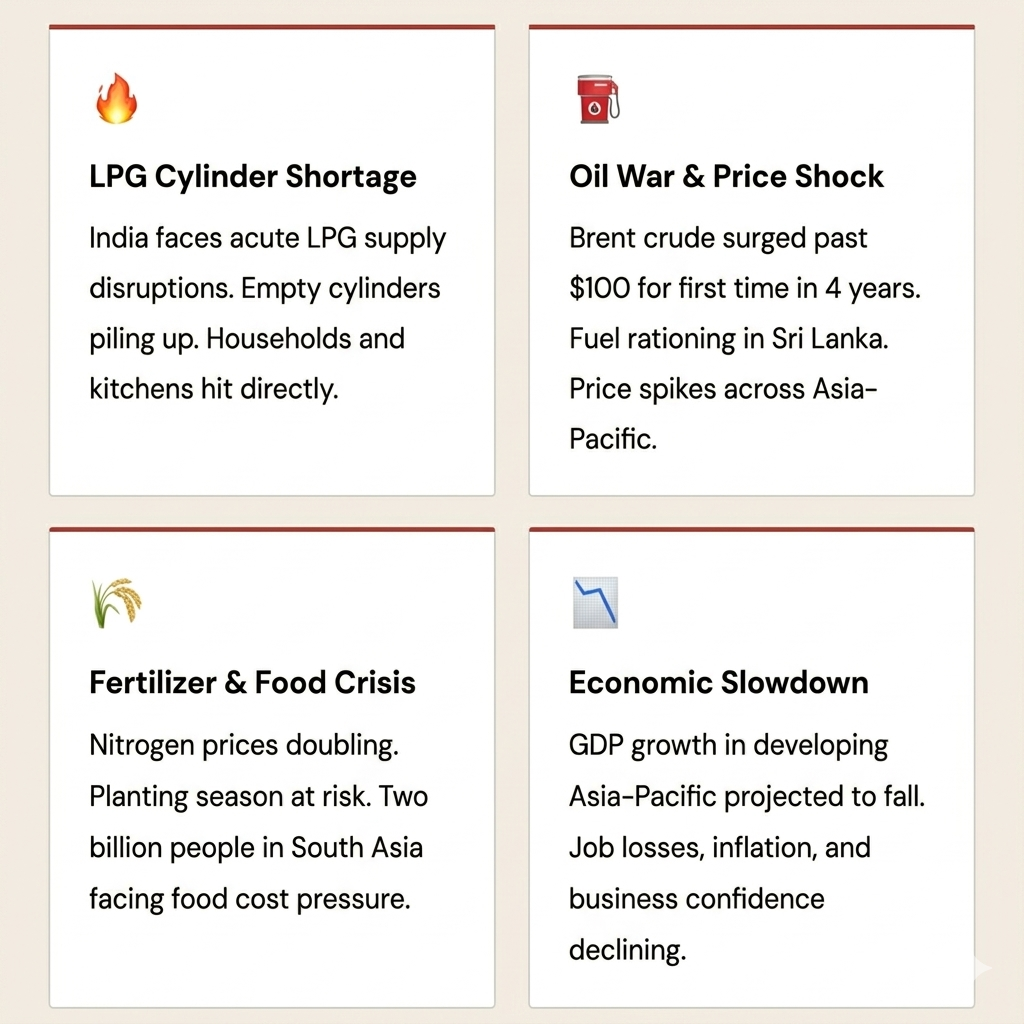
For economies across India and Southeast Asia, these shifts can influence:
- Cost of goods and services
- Business operations and supply chains
- Employment trends and hiring priorities
While these changes may not always be immediately visible, they gradually shape the skills businesses look for and the roles they prioritize.
How Global Changes Are Influencing the Job Market
Global uncertainty doesn’t just stay in headlines; it reflects in hiring patterns and workplace expectations. Rising energy costs, supply chain instability, and economic uncertainty are directly affecting:
- Evolving job roles across industries
- Greater emphasis on adaptability and cross-functional skills
- Increased demand for specialized knowledge
The job market isn’t necessarily shrinking, but it's becoming more selective and skill-driven.
Why Continuous Learning Matters More Than Ever
If recent years have shown anything, it’s that learning agility is a long-term advantage.
During periods of disruption:
- Professionals with updated, relevant skills (digital, data, and operations) adapt more easily
- Those who delay learning often take longer to recover lost momentum
This doesn’t mean reacting to every change but rather building skills that remain valuable across different scenarios.
That’s where upskilling and reskilling come in - not as urgent fixes, but as strategic investments in career growth.
Also Read: The Return of the “War Premium”: How Geopolitics Is Reshaping Global Business Strategy
Key Skill Areas Gaining Importance
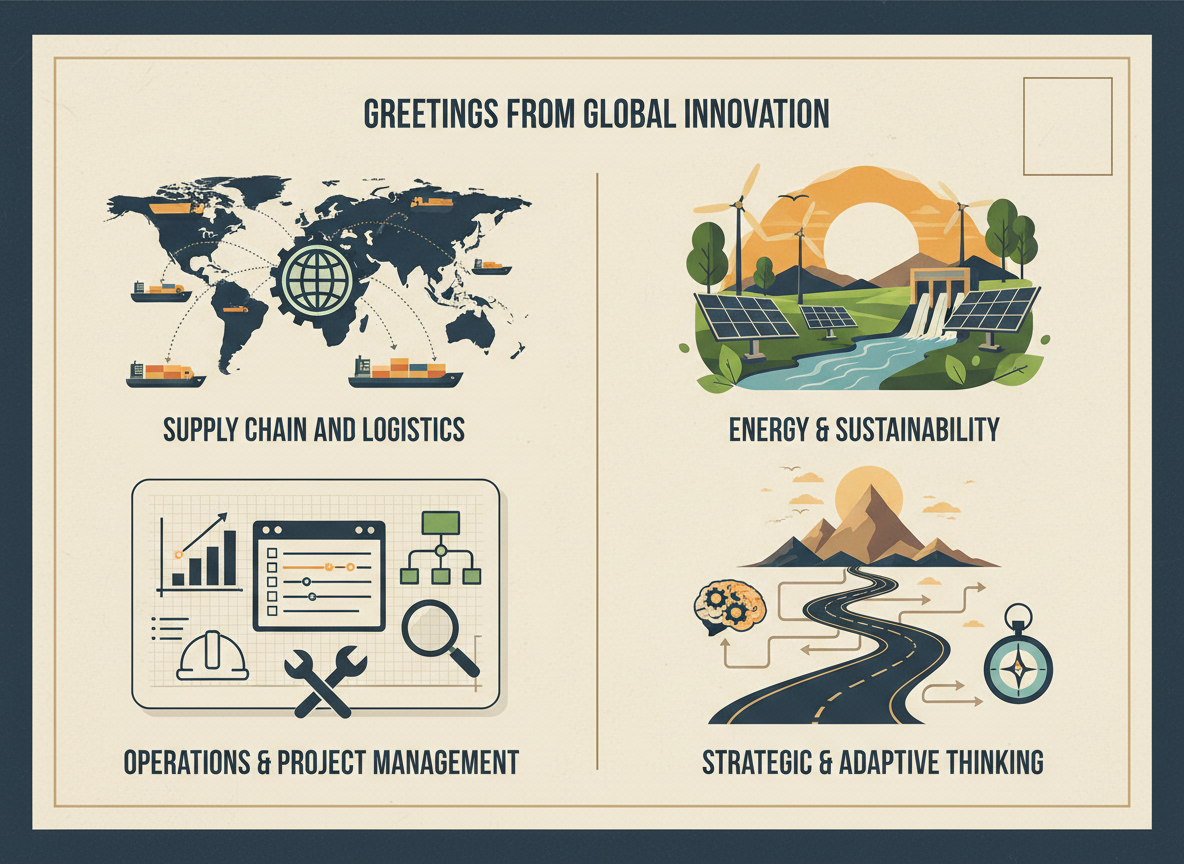
As industries evolve, certain skill areas are consistently becoming more relevant:
Also Read: A Critical Evaluation of Supply Chain Resilience Strategies in Emerging Markets
Learning Pathways to Build Relevant Skills
For professionals looking to build expertise in these areas, structured learning can provide direction and clarity. Platforms like UniAthena provide programs that focus on exposure to these evolving domains.
These programs are designed to help learners:
- Understand industry-specific challenges
- Build practical, applicable knowledge
- Align their skills with current market needs
Rather than being quick fixes, they serve as pathways to develop long-term, industry-relevant capabilities.
Also Read: Recession-Proof Jobs to Build a Stable Career
The Upskilling Window is Short
Here's what history tells us: the people who upskilled during the early months of COVID didn't just survive the pandemic, they led the recovery. As systems adjust and markets stabilise, the demand for skilled professionals does not slow down. It becomes more refined.
Supply chain expertise, energy sector understanding, and operational leadership are no longer niche areas. They are becoming core competencies in a world shaped by constant change.
The world may stabilise over time, but the expectations placed on professionals rarely move backward. Those who invest in building relevant capabilities during uncertain periods are often the ones best prepared for what comes next.
FAQs
Q1. Why is upskilling important in today’s job market?
A: Upskilling helps professionals stay relevant as industries evolve and skill demands change.
Q2. What are the most in-demand skills in 2026?
A: Skills in supply chain management, energy, operations, and strategic thinking are highly in demand.
Q3. How do global trends affect career growth?
A: Global shifts influence hiring trends, required skills, and long-term career opportunities.
Q4. Is upskilling necessary during economic uncertainty?
A: Yes, continuous learning helps professionals adapt and remain competitive during changing market conditions.
Q5. Which careers are growing due to global disruptions?
A: Roles in logistics, energy management, sustainability, and operations are seeing increased demand.
Q6. How can I stay relevant in a changing job market?
A: By consistently learning new skills, tracking industry trends, and adapting to evolving job requirements.
Explore Related Courses















COMMENTS(0)
Explore Related Courses
Our Popular Insights
Careers are shifting faster than ever, and staying relevant takes more than experience. Explore UniAthena’s most-read blogs for sharp insights, emerging skills, and practical pathways that help you move forward with clarity and confidence in a changing professional world.


How to Switch Career to Data Analytics?
Read More
6
mins read





How to Switch Career to Data Analytics?
Read more
6
mins read

Get in Touch

It’s Time to Start
Join NowMost Popular Online Specialization
- Master of International Business Administration
- Master of Business Administration
- MBA in General Management- FastTrack
- Master in Innovation and Entrepreneurship
- MBA-Family Business Management
- Master in Procurement and Contract Management
- Extended Diploma in Business Analytics (SCQF Level 11)
- Diploma in Supply Chain and Logistics Management (SCQF Level 11)
- Strategic Human Resource Management Practitioner
- Master in Data Science
- Master in Engineering Management
Trending Online
- Integrated Doctorate of Business Administration
- Postgraduate Certificate in Finance for Next Generation Managers
- Master of Business Administration- General Management (Fast Track)
- Postgraduate Certificate in Socio-Economic and Legal Framework
- Postgraduate Certificate in Business Sustainability
- Certified Manager
- Supply Chain Management Practitioner
- MBA - AI in Business
- MBA - Accounting & Finance
- Master in Supply Chain and Logistics Management
Top Universities Online Certificates
- Postgraduate Certificate in International Marketing Management
- Postgraduate Certificate In International Human Resource Management
- Postgraduate Certificate in Strategic Management
- Postgraduate Certificate in Procurement & Contracts Management
- Postgraduate Certificate in Business Analytics
- Postgraduate Certificate in Strategic Supply Chain & Logistics Management
- Postgraduate Certificate in Human Resource and Leadership
- Project Management Practitioner
- Postgraduate Certificate in Supply Chain Design & Implementation
- Postgraduate Certificate in Management Accounting and Finance
Accredited Online Degree Program
- MBA - Digital Transformation
- MBA - Family Business Management
- MBA - Marketing Management
- MBA in Quality Management
- MBA - Business Intelligence & Data Analytics
- MBA in Operations & Project Management
- MBA in Energy Management
- MBA In Construction & Safety Management
- Master in Organisational Leadership
- Master in Public Health
- Master in Construction Management
- Bachelor of Arts in Business Administration


 Install Now


UniAthena is an Ed-Tech, offering flexible, affordable learning solutions, including Free-Learning Upskilling Courses and Academic Programs in partnerships with accredited and globally renowned universities and professional qualification bodies.


Do you have any questions ?
Feel free to send us your questions or request a free consultation
Send a message
UK
Athena Global Education
Magdalen Centre,
Robert Robinson Avenue,
Oxford, OX4 4GA, UK
Phone : 01865 784299
MIDDLE EAST
Athena Global Education FZE
Block L-03, First Floor,
P O Box 519265, Sharjah Publishing City,
Free Zone, Sharjah, UAE
Phone : +971 55 879 5492
INDIA
Uniathena Private Limited
9A,Midas Tower
Phase 1
Hinjewadi Rajiv Gandhi Infotech Park
Pune-411057
Phone: +91 9145665544
All Copyrights Reserved @ Athena Global Education 2021-2026