-

Bachelor's

-

Masters
-

MBA
-

Doctorate
-

Micro Credit
-

Explore all Courses
-
Postgraduate Certifications

-
Postgraduate Diploma
-
Undergraduate Diploma
-
Diploma



Free Social Media Marketing Courses with Certificates - The Only Guide You Actually Need
Author: aishwarya sancheti
|12
MINS READ
| 2
| 623
Created On: 24 April, 2026
Share




Table of Contents (TOC):
- Introduction
- Key Takeaways
- What is Social Media Marketing (SMM)?
- How Social Media Marketing Works
- Why SMM Skills Are Hotter Than Ever in 2026
- Advantages & Disadvantages of SMM
- Top Social Media Marketing Platforms to Know
- Free Social Media Marketing Courses with Certificates
- How to Build a Social Media Marketing Strategy
- Social Media Marketing Tips That Actually Work
- Social Media Marketing for Small Businesses
- Conclusion
- FAQ
Introduction
Let's be honest with each other for a second.
You've probably googled "free social media marketing courses" at least once in the past few weeks. Maybe you're a student trying to build a resume that stands out. Maybe you're a small business owner watching your competitor's Instagram grow while yours sits at 11512 followers (347 - 500 of which are friends and family who already bought your product, and some unknown). Or maybe you’re someone who simply knows that social media is where the money is moving, and you want in.
Here's the thing nobody tells you: you don't need a ₹50,000 certification program or an MBA to become a social media marketer. The brands winning today aren’t always the ones with the biggest budgets; they’re the ones that understand people, platforms, and timing. Think of CRED turning financial services into pop-culture moments with bold, unexpected campaigns, or Sugar Cosmetics building a loyal audience through influencer-first content and relatable storytelling.
Even newer D2C disruptors like The Souled Store and Snitch have scaled rapidly by leaning into trend-driven content, creator collaborations, and strong community engagement rather than traditional advertising. They’re not just selling, but showing up where their audience already is. And that? That can absolutely be learned for free.
This guide is everything. We'll cover what social media marketing (SMM) actually is, how it works, where to learn it for free with a legit certificate, what platforms matter in 2026, how to build a strategy, and the exact tips the pros use. By the time you're done reading, you'll know exactly where to start.
Key Takeaways:
- Social media marketing (SMM) is a must-have skill in 2026, driven by the rise of social commerce, creator economy, and platform-based discovery.
- You can learn social media marketing through free social media marketing courses with certificates, without investing in expensive programs.
- Understanding how social media marketing works: audience, content, and engagement, is more important than just posting consistently.
- A strong social media marketing strategy and plan are essential for turning content into measurable results.
- Different social media marketing platforms require different approaches, so platform-specific content is key to growth.
- The best way to learn social media marketing is to combine structured courses with real-world practice and continuous optimisation.
What Is Social Media Marketing (SMM)?
Social media marketing, or SMM, is the practice of using platforms like Instagram, YouTube, LinkedIn, Facebook, X (Twitter), and TikTok to promote your brand, connect with your audience, drive traffic to your website, and ultimately, make more sales or achieve your business goals.
But it's bigger than just posting a pretty picture with a caption. Real SMM is strategy, storytelling, data, and community-building wrapped into one.
Think about the last time you bought something because you saw it on Instagram. Or watched a brand's reel and thought, "I need that." That wasn't an accident. Someone planned that content, scheduled it at the right time, used the right hashtags, and knew exactly who they were talking to. That's SMM at work.
Quick definition: SMM = using social media platforms to achieve marketing and business goals through organic content, paid ads, influencer partnerships, community engagement, and data-driven strategy.
How Social Media Marketing (SMM) Works
At its core, SMM works by meeting your audience where they already hang out. Here's the simple version:
- Define Your Goal
Brand awareness? More website traffic? Direct sales? Lead generation? Every SMM effort starts with knowing what success looks like.
- Know Your Audience
Who are you talking to? Their age, interests, pain points, and which platforms they spend time on determine everything about your content.
- Create Valuable Content
Content that entertains, educates, or solves a problem. Reels, carousels, threads, stories, live videos - format depends on platform and audience.
- Publish & Distribute
Post consistently on the right platforms at the right times. Use scheduling tools like Buffer or Hootsuite to work smarter, not harder.
- Engage & Build Community
Respond to comments, DMs, and mentions. Social media is a two-way conversation; brands that only broadcast and never respond are leaving money on the table.
- Analyse & Optimise
Check your metrics: reach, engagement rate, click-throughs, conversions. Double down on what works. Cut what doesn't. Repeat.
Real Brand Example - Duolingo
Duolingo's social media team turned a language-learning app into a cultural moment by leaning into unhinged humour and TikTok trends. Their "threatening" owl persona and rapid-fire meme content earned millions of followers, not because they had the biggest ad budget, but because they understood their audience's sense of humour and moved fast.
Their CMO confirmed in early 2026 that the goal is content that feels "real and intentional" in a sea of AI-generated noise. That intentionality is teachable. And learnable. For free.
Why SMM Skills Are Hotter Than Ever in 2026
Here's a number that should stop you mid-scroll:
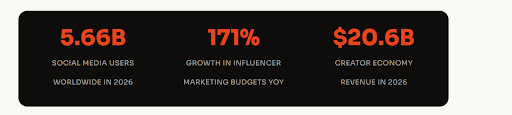
Social media users now make up a global supermajority online, outnumbering those without social media nearly two to one. And the platforms themselves have evolved from places to chat with friends into primary marketplaces where people search, discover, and complete purchases without ever leaving the app.
What's more, AI has changed the game and not in the scary "robots will take your job" way people feared. AI is a tool now embedded into content creation, analytics, and targeting. But here's the catch: brands still need humans for strategy, ethics, tone, and creative direction.
AI fluency + social media strategy = one of the most in-demand skill sets of 2026, according to multiple industry reports.
Oh, and social media is now a parallel search engine. When Gen Z wants to find a restaurant, a skincare product, or a coding tutorial, they go to TikTok or Instagram first, not Google. That shift has made social SEO a brand-new discipline marketers need to understand. Another skill you can pick up in these free courses.
Advantages & Disadvantages of Social Media Marketing
SMM isn't magic. It has real strengths and real limitations. Here's the unfiltered version:
The takeaway? The advantages massively outweigh the disadvantages, IF you go in with a strategy, not just vibes. Which is exactly what these courses will teach you.
Top Social Media Marketing Platforms to Know
Not every platform is right for every brand. Here's a quick orientation so you know where to focus your energy and your learning.
📸 Instagram▶️ YouTube🎵 TikTok💼 LinkedIn👍 Facebook📌 Pinterest🐦 X (Twitter)👻 Snapchat💬 WhatsApp🎙️ Threads
- Instagram & TikTok are where brands win with short-form video and creator partnerships right now.
- LinkedIn is gold for B2B, thought leadership, and professional services.
- YouTube is experiencing a long-form content renaissance in 2026 - episodic, series-style content is booming.
- Facebook remains powerful for community groups, local businesses, and older demographics.
- Pinterest quietly drives massive e-commerce revenue for fashion, home, and food brands.
The biggest trend right now? Multi-platform presence with platform-native content. You can't just copy-paste the same post everywhere. Each platform has its own language, and the courses below will teach you to speak all of them.
Free Social Media Marketing Courses with Certificates
Alright, here's what you came for. These are the best free social media marketing courses online that actually give you a certificate you can put on LinkedIn, your resume, or your portfolio, without spending a rupee.
If you're new to SMM, this is the exact learning path we'd recommend you follow. Each of these courses builds on the last:
- Basics of Social Media Marketing - Your foundation. Understand what SMM is, why it matters, how brands use it, and the key metrics that actually move the needle.
- Basics of Social Media Marketing Types - Dive into organic vs. paid, influencer marketing, UGC (user-generated content), social commerce, and community management.
- Basics of Social Media Platform - A platform-by-platform breakdown — who uses them, what content performs, and how to build presence on each.
- Basics of Social Media Marketing Strategy - Tie it all together. Learn to set goals, build a content calendar, plan campaigns, and measure success like a pro.
Pro tip: Don't just collect certificates. Pick one course, finish it fully, then immediately apply what you learned to a real account - yours, a friend's business, or a practice page you create. Certificates open doors. Actual results keep them open.
How to Build a Social Media Marketing Strategy (Step by Step)
A social media marketing plan isn't a posting schedule. It's a living document that connects your business goals to the content you create. Here's how to build one that actually works:
- Set SMART Goals
Specific, Measurable, Achievable, Relevant, Time-bound. "Get more followers" is not a goal. "Grow Instagram followers by 30% in 90 days by posting 4 Reels per week" is.
- Research Your Target Audience
Use native platform analytics (Instagram Insights, LinkedIn Demographics) to understand who's already following you and who you want to reach. Build audience personas.
- Spy on Competitors (Ethically)
What's working for your competitors? What gaps are they leaving? Use tools like Semrush, Meltwater, or simply stalk their profiles manually to find opportunities.
- Choose Your Platforms Wisely
Don't try to be everywhere. Be exceptional on 2–3 platforms where your audience actually lives. Quality over quantity, always.
- Build Your Content Strategy
Mix content pillars: educational, entertaining, promotional, behind-the-scenes, UGC reposts. A common rule: 80% value, 20% promotion. Create a content calendar with a scheduling tool.
- Run a Social Media Campaign
Launch, run, and evaluate campaigns with a clear start, objective, creative brief, and measurable outcome. Every campaign teaches you something for the next one.
- Review, Report, Repeat
Monthly or weekly - look at your analytics. What content earned the most saves? What drove the most clicks? Adjust your strategy based on data, not gut feeling.
Indian Brand Spotlight - boAt
boAt, the homegrown audio and wearables brand, built a cult following through a relentless social media content strategy.
Their "Tribe" community approach, treating customers as part of an exclusive club, combined with consistent creator collaborations and product drops, turned a startup into a market leader.
Their Instagram strategy alone is a masterclass in brand voice, community building, and campaign execution. You don't need a massive team to replicate the thinking. You need a clear strategy and consistent execution, both of which you'll learn in the courses above.
Also Read: Free Digital Marketing Courses with Certificates
Social Media Marketing Tips That Actually Work in 2026
Here are the things working right now, not two years ago, not based on what some 2022 blog post says.
- Master Social SEO
People search on TikTok and Instagram now. Use keyword-rich captions, on-screen text, and hashtags. Treat your bio like a homepage meta description.
- Use AI as a Tool, Not a Crutch
AI is great for ideation, repurposing content, and drafting captions. But your brand voice, strategy, and creative direction must stay human.
- Go Long-Form on Video
Short-form is saturated. YouTube long-form and episodic content is having a major moment in 2026. Start a series. Build loyal subscribers.
- Choose Depth Over Reach
Micro-influencers with genuine communities outperform mega-influencers. The rule for 2026? Trust is the most valuable currency in the media.
- Embrace Social Commerce
Instagram Shop, TikTok Shop, Pinterest Product Pins , your social channel is also a storefront now. Reduce friction between discovery and purchase.
- Track What Actually Matters
Vanity metrics (likes, follower count) are surface-level. Focus on saves, shares, website clicks, conversions, and cost-per-result for paid campaigns.
- Build Real Community
Reply to comments. Run polls. Go live. Host AMAs. The brands winning in 2026 are the ones that make their audience feel seen - not marketed to.
- Repurpose Relentlessly
One YouTube video can become 5 Reels, 3 LinkedIn posts, 10 tweets, and a newsletter. Content repurposing is the highest-ROI habit in SMM.
Also Read: How to Become an Influencer
Social Media Marketing for Small Businesses
If you run a small business - a local cafe, a fashion label, a tutoring service, a freelance studio, this section is for you.
The beautiful truth about social media in 2026 is that it is genuinely a level playing field.
- A bakery in Sydney or say Pune with a brilliant Instagram Reels strategy can outperform a national chain with a boring one.
- A one-person consulting firm on LinkedIn can out-engage a 200-person agency that treats it like a job board.
Here's your lean social media marketing plan as a small business:
- Pick One Platform First: Nail it before you expand. For most local businesses, Instagram or Facebook. For B2B services to LinkedIn. For youth-facing brands to TikTok or YouTube Shorts.
- Post Consistently (Not Constantly): Three times a week beats seven times a week if your three posts are genuinely valuable. Burnout is real. Sustainability beats virality.
- Show the Humans Behind the Brand: Behind-the-scenes content, founder stories, day-in-the-life videos, this is what small businesses do better than any corporation can. Authenticity is your biggest unfair advantage.
- Partner with Local Micro-Influencers: You don't need a Bollywood celebrity. A food blogger in your city with 12,000 followers and an engaged local audience is worth 10x more for a neighbourhood restaurant.
- Run Small Paid Campaigns: Even ₹200/day on Facebook or Instagram Ads can drive meaningful results when targeted correctly. Learn the basics of paid social, it's covered in many of the free courses above.
Also Read: Small Business Ideas for Beginners and Aspiring Entrepreneurs
Conclusion
The Best Time to Start Was Yesterday. The Second Best is Right Now.
You now have everything you need, the knowledge of what SMM is, how it works, which platforms matter, where to learn it for free with a certificate, and how to apply it for a business or career.
The only thing left is to actually start. Pick one course. Finish it. Apply it. Then come back for the next one.
FAQs
Q1. Can I really learn social media marketing for free?
A: Absolutely. Platforms like UniAthena and dozens of other platforms offer genuinely comprehensive, free courses with certificates. The knowledge is free. The commitment is on you.
Q2. Are free SMM certificates worth anything?
A: It depends on the issuer. Certification from organisations that are widely recognized and respected by employers are worth pursuing. It signals foundational knowledge. But the certificate alone won't get you hired, your portfolio and demonstrated results will. Pair the certificate with real work.
Q3. How long does it take to learn social media marketing?
A: The basics? A committed week of study. Practical competency? 2–3 months of consistent learning and application. Real expertise? That's a career-long journey, the platforms never stop evolving, so neither do the best marketers.
Q4. What's the difference between organic and paid social media marketing?
A: Organic is content you post for free; it reaches your existing followers and whoever the algorithm decides to show it to. Paid is when you put money behind posts or run ads to reach specific audiences beyond your current following. The best strategies use both together.
Q5. Do I need to know how to make videos to do SMM?
A: In 2026, video fluency helps a lot, but it's not a dealbreaker to start. You can build skills with a smartphone. Many of the most effective social media marketers aren't professional videographers; they just understand what makes content compelling, and they've learned by doing.
Q6. Is social media marketing a good career in 2026?
A: Yes - significantly. Influencer marketing budgets have grown 171% year-over-year. Social media-related roles consistently rank among the most in-demand marketing positions. AI fluency, social SEO, and analytics skills make you especially valuable right now.
Explore Related Courses









Explore Related Courses
Our Popular Insights
Careers are shifting faster than ever, and staying relevant takes more than experience. Explore UniAthena’s most-read blogs for sharp insights, emerging skills, and practical pathways that help you move forward with clarity and confidence in a changing professional world.







Get in Touch

It’s Time to Start
Join NowMost Popular Online Specialization
- Master of International Business Administration
- Master of Business Administration
- MBA in General Management- FastTrack
- Master in Innovation and Entrepreneurship
- MBA-Family Business Management
- Master in Procurement and Contract Management
- Extended Diploma in Business Analytics (SCQF Level 11)
- Diploma in Supply Chain and Logistics Management (SCQF Level 11)
- Strategic Human Resource Management Practitioner
- Master in Data Science
- Master in Engineering Management
Trending Online
- Integrated Doctorate of Business Administration
- Postgraduate Certificate in Finance for Next Generation Managers
- Master of Business Administration- General Management (Fast Track)
- Postgraduate Certificate in Socio-Economic and Legal Framework
- Postgraduate Certificate in Business Sustainability
- Certified Manager
- Supply Chain Management Practitioner
- MBA - AI in Business
- MBA - Accounting & Finance
- Master in Supply Chain and Logistics Management
Top Universities Online Certificates
- Postgraduate Certificate in International Marketing Management
- Postgraduate Certificate In International Human Resource Management
- Postgraduate Certificate in Strategic Management
- Postgraduate Certificate in Procurement & Contracts Management
- Postgraduate Certificate in Business Analytics
- Postgraduate Certificate in Strategic Supply Chain & Logistics Management
- Postgraduate Certificate in Human Resource and Leadership
- Project Management Practitioner
- Postgraduate Certificate in Supply Chain Design & Implementation
- Postgraduate Certificate in Management Accounting and Finance
Accredited Online Degree Program
- MBA - Digital Transformation
- MBA - Family Business Management
- MBA - Marketing Management
- MBA in Quality Management
- MBA - Business Intelligence & Data Analytics
- MBA in Operations & Project Management
- MBA in Energy Management
- MBA In Construction & Safety Management
- Master in Organisational Leadership
- Master in Public Health
- Master in Construction Management
- Bachelor of Arts in Business Administration


 Install Now


UniAthena is an Ed-Tech, offering flexible, affordable learning solutions, including Free-Learning Upskilling Courses and Academic Programs in partnerships with accredited and globally renowned universities and professional qualification bodies.


Do you have any questions ?
Feel free to send us your questions or request a free consultation
Send a message
UK
Athena Global Education
Magdalen Centre,
Robert Robinson Avenue,
Oxford, OX4 4GA, UK
Phone : 01865 784299
MIDDLE EAST
Athena Global Education FZE
Block L-03, First Floor,
P O Box 519265, Sharjah Publishing City,
Free Zone, Sharjah, UAE
Phone : +971 55 879 5492
INDIA
Uniathena Private Limited
9A,Midas Tower
Phase 1
Hinjewadi Rajiv Gandhi Infotech Park
Pune-411057
Phone: +91 9145665544
All Copyrights Reserved @ Athena Global Education 2021-2026