-

Bachelor's

-

Masters
-

MBA
-

Doctorate
-

Micro Credit
-

Explore all Courses
-
Postgraduate Certifications

-
Postgraduate Diploma
-
Undergraduate Diploma
-
Diploma



Skill-Based Courses That Are Trending in Bangladesh

Author: maharajan p
|8
MINS READ
| 0
| 350
Created On: 16 March, 2026
Share




Table of Contents (TOC):
- Introduction
- Key Takeaways
- High-Paying Skills in the Bangladesh Job Market
- Top 5 Skill-Based Courses for Learners in Bangladesh
- Conclusion
- FAQs
Introduction
You spent four years getting your degree. You paid the tuition. You passed the exams.
And what does all that get you? No job. Just you scrolling BDjobs for BPO roles that pay 15,000 taka.
Sounds harsh? That's the reality in Bangladesh right now. In the last few years, the unemployment rate among youth has jumped from 9.7% to 27.8%. More than 1 in 4 graduates are sitting at home without work.
So what can you do to avoid being part of that statistic? Improve your skills. Real, practical skills are what make employers fight to hire you. Equip yourself with the in-demand skills that actually matter in 2026.
Key Takeaways:
- Many trending online courses now focus on skill-based roles like digital marketing, data analytics, UI/UX, AI, and cybersecurity, fields where employers hire based on ability, not background.
- Short, focused programs such as online diploma courses in Bangladesh often deliver better job value than long, theory-heavy degrees when they align with current hiring needs.
- Entry-level salaries may look modest, but skill-backed roles scale faster compared to traditional fresher jobs with stagnant pay.
- Learning is only step one, applying skills through practice, projects, and real-world exposure is what actually improves employability and income.
High-Paying Skills in the Bangladesh Job Market
In Bangladesh, salary growth is closely tied to skill specialization. Roles that handle technology, data, risk, revenue, or financial decision-making tend to pay more than general positions.
The table below summarizes current salary benchmarks for high-demand entry level roles in the Bangladesh job market.
Source: Glassdoor and Payscale
Professionals can command higher pay when they specialize in areas such as DevOps or cybersecurity, especially when working remotely with international firms. Based on current salary trends and market demand, these skills can be grouped into three income tiers for Bangladesh.
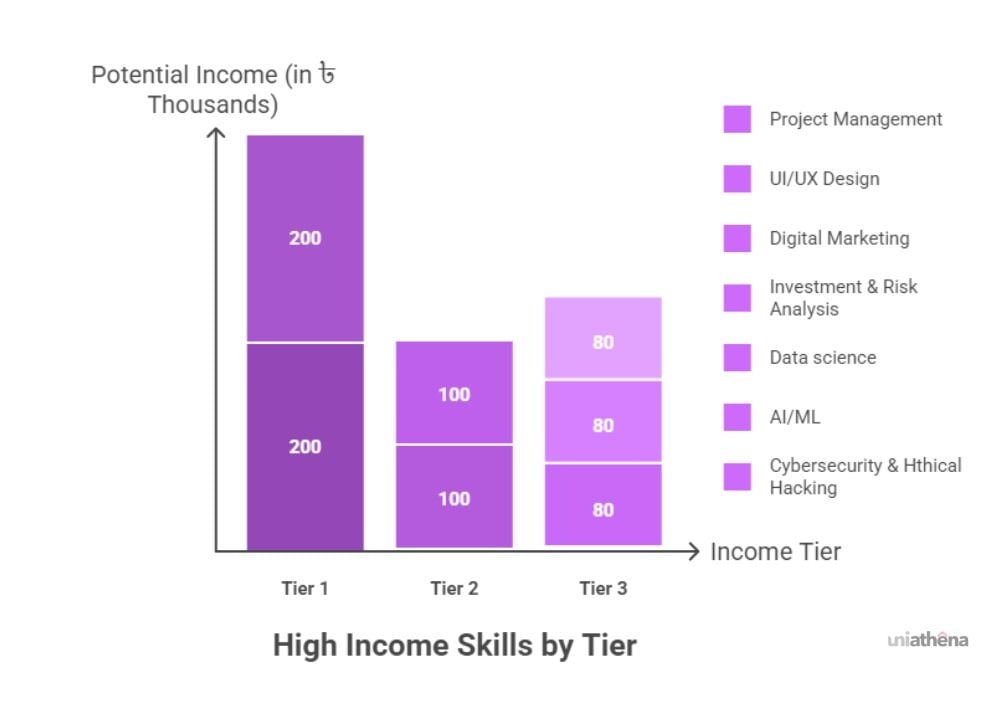
Top 5 Skill-Based Courses for Learners in Bangladesh
1. Digital Marketing
The global digital advertising market is growing fast. It is expected to increase from USD 488.4 million in 2026 to 1,164.25 million by 2030. This shows that more businesses are spending money online to reach customers.
In Bangladesh, the rise of e-commerce is adding to this demand. As more companies sell through websites and social platforms, they need people who can bring traffic, leads, and sales through digital marketing and SEO.
Career Paths:
What You Need to Learn:
- Search Engine Optimization (on-page, off-page, technical)
- Facebook & Instagram advertising
- Google Ads management
- Content strategy & email marketing
- Analytics & reporting
Best For: People who enjoy working with both creativity and data, and who are comfortable with social media and online tools.
Best Digital Marketing Courses to Become Niche-Specialised Experts:
- Diploma in Digital Marketing: Covers core and advanced digital marketing skills, including SEO, social media, email marketing, and analytics. Focuses on planning and improving campaigns using data and automation tools.
- Diploma in SEO & Digital Marketing Strategies: Focuses on SEO, keyword research, Google Ads, display ads, and remarketing. Also introduces current digital trends and basic content strategy.
- Basics of Content Marketing: Covers how to create content for specific audiences and measure engagement using performance metrics.
2. UI/UX Design
In Dhaka, many tech companies now list UI/UX designers as a core hiring priority, and demand has risen sharply with the city’s digital transformation push. UX work in e-commerce, apps, and software is increasingly seen as vital for user engagement and business results.
Career Paths:
What You Need to Learn:
- UI principles and design basics
- UX research and user testing
- Wireframing and prototyping
- Tools like Figma, Adobe XD, or Sketch
- User flows and information architecture
Best for: People who enjoy visual design, problem solving, and making digital products easy to use.
Best UI/UX Course:
You can choose an Executive Diploma in UI/UX design process. This course focuses on the complete UI/UX design process, from understanding user needs to designing usable interfaces. It covers user research, wireframing, prototyping, information architecture, and usability testing.
You will also learn how to design user flows and interfaces that balance user experience with business goals.
3. Data Analytics & Excel Skills
PayScale reports that the average annual salary for a data analyst in Bangladesh is around ৳230,000–৳300,000. That works out to roughly ৳19,000–৳25,000 per month, which is common for entry-level roles.
But this is not where the ceiling ends. Recent hiring trends show that candidates who combine data analytics skills with practical tools like Excel are moving into better-paying roles much faster than before.
Career Paths:
What You Need to Learn:
- Data collection and cleaning
- Data analysis using Excel
- Basic statistics and trends
- Visualization with charts and dashboards
- Tools like Excel functions and data tools
Best for: People who enjoy working with numbers and patterns, are curious about business trends, and like solving problems with data.
Best Data Analytics & Excel Courses:
- Diploma in Data Analytics: Teaches how to use data to support business decisions and solve problems. You learn methods of analysis, how to interpret data, and make insights that help business performance.
- Essentials of Excel Workbook Analytics and Visualization: Teaches key Excel skills needed for data analysis. You learn data filtering, sorting, formatting, visualization, and how to use advanced functions to manage and view data effectively.
Also Read: How to Become a Data Analyst [2026 Roadmap]
4. AI & Machine Learning
A recent survey shows that 96% of internet users in Bangladesh now use AI tools for regular tasks. At the same time, the country has started applying AI across sectors that matter to the economy.
- Financial services: Used for fraud detection, customer analytics, and onboarding automation.
- Telecom & mobile services: Companies apply AI for analytics and customer support.
- Agriculture: AI tools help monitor crop health and make farming decisions.
If this demand keeps growing, staying out of AI means falling behind. Building AI and machine learning skills can open opportunities across industries and roles.
Career Paths:
What You Need to Learn:
- AI fundamentals and use cases
- Machine learning concepts and workflows
- Data handling and basic modeling
- Python basics and ML libraries
- Applying AI to real business problems
Best for: People who enjoy problem-solving, logic, and working with data-driven systems.
Best AI & Machine Learning Courses to Build Strong Foundations:
- Basics of Artificial Intelligence: Introduces core AI concepts, real-world use cases, and how AI is applied across industries.
- Basics in Machine Learning: Covers how machines learn from data, including models, training processes, and practical ML workflows.
- Postgraduate Diploma in Artificial Intelligence and Machine Learning: A comprehensive program that combines AI theory with hands-on machine learning applications, preparing learners for applied roles across sectors.
5. Cybersecurity
Bangladesh has seen a sharp increase in cyber incidents, with some reports showing over a 105% rise in attacks between recent quarters. Frequent attacks on educational systems and critical infrastructure have highlighted the real threat to data and services.
Because of this, organisations and the government are encouraging skilled people to work in security domains.
Career Paths:
What You Need to Learn:
- Types of cyber threats and attacks
- Risk assessment and breach response basics
- Fundamental security practices
- Legal and compliance aspects of cybersecurity
- Tools and techniques for digital protection
Best for: People who are detail-oriented, enjoy solving security problems, and want to protect systems from threats and attacks.
Best Cybersecurity Courses for Beginners:
- Basics of Cyber Attacks & Threats: Teaches the foundations of cyber attacks and threats. You learn how attackers operate and how to protect digital systems and data, which builds the base for further cybersecurity learning.
- Diploma in Cyber Laws: Introduces the legal and regulatory frameworks of cyberspace, including cyber crimes, data governance, and intellectual property issues. This course helps you understand the legal side of cybersecurity and how laws apply to digital security challenges.
Also Read: How to Become a Cybersecurity Expert?
Conclusion
These courses give beginners and intermediate learners a fast track to practical, in-demand skills. But finishing a course alone isn’t enough to land a job. To turn learning into real career growth, you need to apply your skills, build a portfolio, and gain hands-on experience in entry-level roles. Focus on practice and results, and the opportunities will follow.
FAQs
Q1. What if I'm 30+ years old? Am I too late?
A: No. These skills are in demand for all age groups. Learning and applying them now can still lead to career growth.
Q2. Can I learn while working full-time?
A: Yes. Most courses are self-paced or part-time, allowing you to study alongside a job.
Q3. Can I really learn this without a technical degree?
A: Absolutely. Many courses are designed for beginners and don’t require prior technical knowledge.
Q4. How long does it take to complete these courses?
A: Depending on the course, completion can take from a few weeks to a few months.
Q5. Which skill should I start with first?
A: Choose based on your interest and career goals. Digital marketing, AI/ML, and cybersecurity are currently in high demand.
Explore Related Courses











.jpg)
COMMENTS(0)
Explore Related Courses
Our Popular Insights
Careers are shifting faster than ever, and staying relevant takes more than experience. Explore UniAthena’s most-read blogs for sharp insights, emerging skills, and practical pathways that help you move forward with clarity and confidence in a changing professional world.


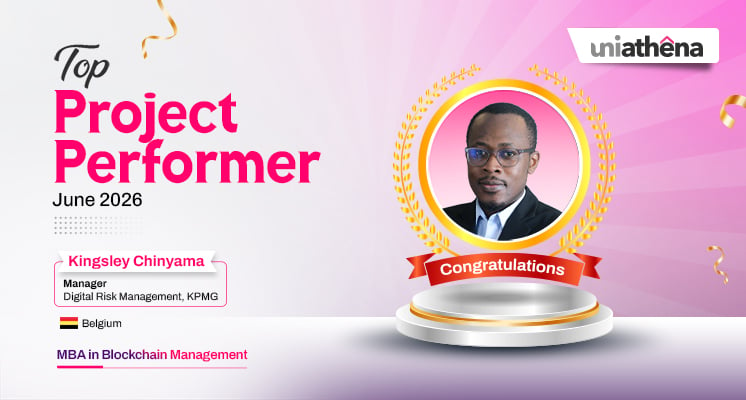
🌟 Top Project Performer – June 2026 🌟
Read More
1
mins read



🌟 Top Project Performer – May 2026 🌟
Read More
1
mins read


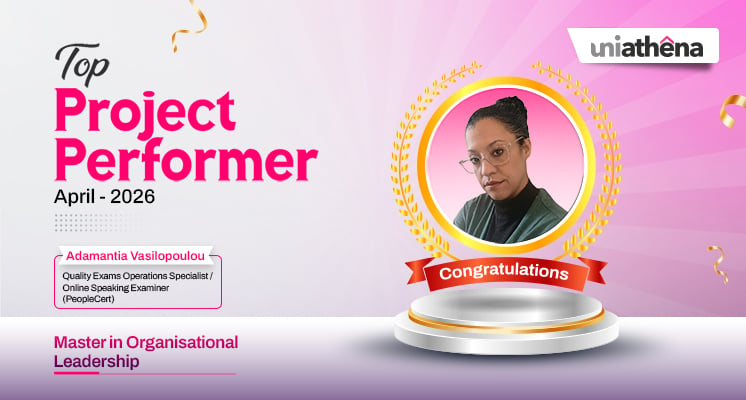
🌟 Top Project Performer – April 2026 🌟
Read More
1
mins read
🌟 Top Project Performer – June 2026 🌟
Read more
1
mins read
🌟 Top Project Performer – May 2026 🌟
Read more
1
mins read
🌟 Top Project Performer – April 2026 🌟
Read more
1
mins read
Get in Touch

It’s Time to Start
Join NowMost Popular Online Specialization
- Master of International Business Administration
- Master of Business Administration
- MBA in General Management- FastTrack
- Master in Innovation and Entrepreneurship
- MBA-Family Business Management
- Master in Procurement and Contract Management
- Extended Diploma in Business Analytics (SCQF Level 11)
- Diploma in Supply Chain and Logistics Management (SCQF Level 11)
- Strategic Human Resource Management Practitioner
- Master in Data Science
- Master in Engineering Management
Trending Online
- Integrated Doctorate of Business Administration
- Postgraduate Certificate in Finance for Next Generation Managers
- Master of Business Administration- General Management (Fast Track)
- Postgraduate Certificate in Socio-Economic and Legal Framework
- Postgraduate Certificate in Business Sustainability
- Certified Manager
- Supply Chain Management Practitioner
- MBA - AI in Business
- MBA - Accounting & Finance
- Master in Supply Chain and Logistics Management
Top Universities Online Certificates
- Postgraduate Certificate in International Marketing Management
- Postgraduate Certificate In International Human Resource Management
- Postgraduate Certificate in Strategic Management
- Postgraduate Certificate in Procurement & Contracts Management
- Postgraduate Certificate in Business Analytics
- Postgraduate Certificate in Strategic Supply Chain & Logistics Management
- Postgraduate Certificate in Human Resource and Leadership
- Project Management Practitioner
- Postgraduate Certificate in Supply Chain Design & Implementation
- Postgraduate Certificate in Management Accounting and Finance
Accredited Online Degree Program
- MBA - Digital Transformation
- MBA - Family Business Management
- MBA - Marketing Management
- MBA in Quality Management
- MBA - Business Intelligence & Data Analytics
- MBA in Operations & Project Management
- MBA in Energy Management
- MBA In Construction & Safety Management
- Master in Organisational Leadership
- Master in Public Health
- Master in Construction Management
- Bachelor of Arts in Business Administration


 Install Now


UniAthena is an Ed-Tech, offering flexible, affordable learning solutions, including Free-Learning Upskilling Courses and Academic Programs in partnerships with accredited and globally renowned universities and professional qualification bodies.


Do you have any questions ?
Feel free to send us your questions or request a free consultation
Send a message
UK
Athena Global Education
Magdalen Centre,
Robert Robinson Avenue,
Oxford, OX4 4GA, UK
Phone : 01865 784299
MIDDLE EAST
Athena Global Education FZE
Block L-03, First Floor,
P O Box 519265, Sharjah Publishing City,
Free Zone, Sharjah, UAE
Phone : +971 55 879 5492
INDIA
Uniathena Private Limited
9A,Midas Tower
Phase 1
Hinjewadi Rajiv Gandhi Infotech Park
Pune-411057
Phone: +91 9145665544
All Copyrights Reserved @ Athena Global Education 2021-2026