-

Bachelor's

-

Masters
-

MBA
-

Doctorate
-

Micro Credit
-

Explore all Courses
-
Postgraduate Certifications

-
Postgraduate Diploma
-
Undergraduate Diploma
-
Diploma



How to Become a Cybersecurity Expert?

Author: sheza firoz
|6
MINS READ
| 4
| 773
Created On: 22 May, 2025 Updated On: 16 July, 2025
Share




Table of Contents (TOC):
- Introduction
- Understanding the Cyber Security Landscape
- Essential Skills for a Cyber Security Expert
- Free Education and Certifications
- Basics of Cyber Attacks & Threats
- Essentials of Cyber Attacks
- Diploma in Cyber Laws
- Building Practical Experience
- Conclusion
- Bonus Points
Introduction
Cybersecurity is under attack.
With an estimated 3.5 million job roles projected to go unfilled in 2025, the shortage of talented cybersecurity experts is weighing heavily on industries across the globe. The World Economic Forum found that 4 million cybersecurity professionals will be needed to close the talent gap, a figure that suggests that the skill shortage is likely to continue beyond 2025. Combined with the increasing frequency and sophistication of cyber crimes – not to mention monetary losses that will hit $10 trillion by 2025 – the world needs cybersecurity experts.
Thus, there has never been a better time to consider becoming a cybersecurity professional. In this blog, we lay out everything you need to become a cybersecurity expert, from key cybersecurity skills to the best cybersecurity certifications. With these details, you will be able to make an informed decision about becoming a cybersecurity professional.
Understanding the Cybersecurity Landscape
Cybersecurity, at its core, is dedicated to protecting systems from external threats. This includes:
- Protecting sensitive information from unauthorized access and external threats
- Maintaining the integrity of data by preventing tampering and distortion
- Preventing malicious attacks from causing device/system shutdowns
- Ensuring that authorised personnel can access relevant data easily
Cyber attacks, including Malware, Phishing, DOS/DDOS, Ransomware attacks, Zero-day Exploits, Trojan Horses, and more, are on the rise – and evolving, now emboldened by innovations like Artificial Intelligence. AI-development phishing attacks and deep-fake videos have made socially engineered attacks easier than ever before, which has already cost companies millions of dollars.
The normalisation of remote work and the ever-increasing interconnectedness of devices via IoT significantly deepen our vulnerability to malicious cyber attacks. Geopolitics-motivated, sophisticated cyber attacks, pioneered by national governments against other countries, further complicate the issues of regulation and cyber law enforcement.
The rapid pace of AI development (and subsequent potential for newer, deadlier cyber-attacks), with regulators playing catch-up with data privacy laws and policies, presents a cyber safety challenge unlike anything the world has ever seen before.
Even so, the future is not entirely bleak. AI advancements can also benefit the Cyber Law sphere, with advanced threat intelligence becoming capable of identifying risks and responding to them in real-time, without human intervention. Zero-trust Architectures, which require entities to continuously verify their level of access to sensitive information, will slowly but surely become the norm in organisations.
IoT devices may receive a significant security boost through strengthened verification protocols and authorisation mechanisms. If the talent shortage in cybersecurity is mitigated by new cybersecurity experts on the rise, there is a lot of potential for improved cybersecurity.
Essential Skills for a Cyber Security Expert
To become a cybersecurity expert, you need the right blend of soft and hard skills. The technical skills required for cybersecurity include expertise in:
- Network Security
- Programming
- Incident Response
- Threat Detection & Analysis
- Cloud Security
- AI and ML
- Encryption
- Ethical Hacking
- Cryptography
- IoT Security
To become a sought-after cybersecurity expert, soft skills are a must, too. Build proficiency in:
- Problem Solving
- Critical Thinking
- Analytical Thinking
- Communication
- Ethics
- Observation
- Continuous Development
This versatile yet comprehensive skillset can help you become a cybersecurity expert. But where can you build these abilities? Start with pursuing cyber security certifications for beginners!
Free Education & Certifications
UniAthena’s Cybersecurity online courses are a great place to start exploring this domain. Featuring courses across several proficiency levels, these cybersecurity online programs are free to learn, self-paced, and can be completed from the comfort of your couch.
Basics of Cyber Attacks & Threats
The Basics of Cyber Attacks & Threats, a cybersecurity certification for beginners, is delivered 100% online, in a self-paced and bite-sized format. With engaging video lectures, easy-to-read course materials, and a discussion board to connect with peers, the course introduces beginners to Phishing, DOS, SQL Injections, Malware, and Man-in-the-middle (MITM) attacks. Upon completion, learners will be eligible for a free certification from CIQ, UK.
Essentials of Cyber Attacks
This cybersecurity certificate program is perfect for intermediate learners who wish to build upon previous knowledge. Featuring 100% online delivery, self-paced learning, byte-sized course material, and free learning access, the Essentials of Cyber Attacks Program explores the Internet, Search Engines, Networking, and Website Hosting. Learners will also study the different types of cyber attacks and threats. Upon completion, learners will be eligible for a certification from Acacia University Professional Development.
Diploma in Cyber Laws
Developed for intermediate and advanced learners, UniAthena’s Diploma in Cyber Laws is one of the best online cybersecurity certificate programs for people on a budget. The comprehensive curriculum features the origins of the Internet, Data Governance, Types of Cyber Attacks and Cyber Crimes, along with Cyber Law. With 100% online delivery, self-paced and byte-sized course work, and free learning access, this cyber security certification course comes with an affordable Certification from UniAthena.
Building Practical Experience
While cyber security certifications can be extremely useful in understanding key concepts and theories, it does not beat the hands-on experience to become a cyber security expert.
For interactive training, TryHackMe and Hack The Box offer certification courses that arm you with industry-standard skills and expertise. The former is free to use and trusted by Google, and the latter is a student favorite with nearly 2 million learners.
One fun activity that will set you on the path to becoming a cybersecurity expert is Catch The Flag (CTF) Competitions. Initiated by companies like Google, CTF competitions will have contestants solve computer riddles and challenges to unlock ‘flags’, which will earn them points and move them up the leaderboard. Winners may also receive monetary awards, with Google’s CTF 1st Place winner earning $13,337.
Don’t forget to join forums and discussion boards with other cyber security experts and aspirants. This is not only a networking opportunity for when you will inevitably begin job-hunting, but also a goldmine of advice, help and insider news. Check out Discord servers, Reddit communities and even cyber security conferences to build connections and level up your industry knowledge.
Conclusion
This blog offers an actionable step-by-step manual for becoming a cybersecurity expert. It has covered the challenges that the cybersecurity industry faces, from sophisticated attacks to talent shortages, and outlined the key skills needed for cybersecurity roles.
We recommended free-to-learn cybersecurity online programs for beginners and advanced learners, and we suggested ways to build cybersecurity expertise outside the classroom.
Bonus Points:
- In an industry advancing as rapidly as cybersecurity, regular upskilling and reskilling are critical for professional success. Keep learning and expanding your repertoire!
- If you want more practical experience and potentially earn some money, too, explore bug bounty programs, where ethical hackers are rewarded for identifying flaws in security systems.
Explore Related Courses












Explore Related Courses
Our Popular Insights
Careers are shifting faster than ever, and staying relevant takes more than experience. Explore UniAthena’s most-read blogs for sharp insights, emerging skills, and practical pathways that help you move forward with clarity and confidence in a changing professional world.


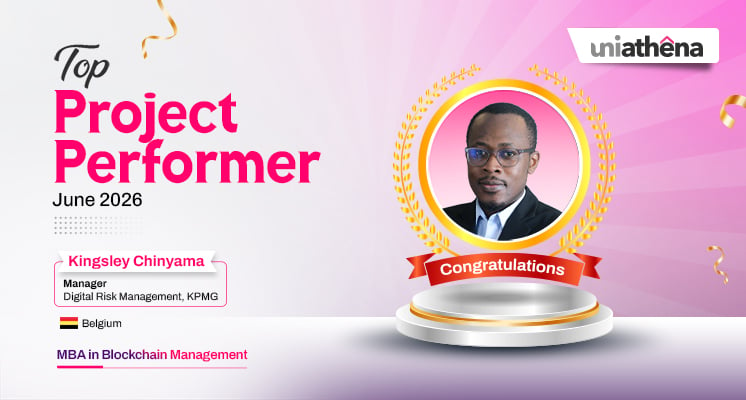
🌟 Top Project Performer – June 2026 🌟
Read More
1
mins read



🌟 Top Project Performer – May 2026 🌟
Read More
1
mins read


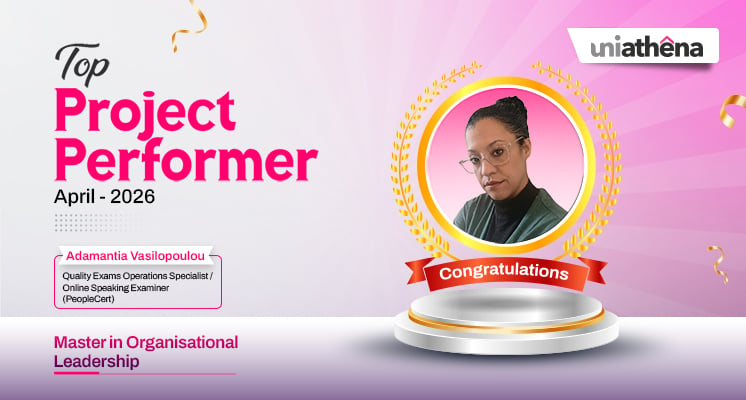
🌟 Top Project Performer – April 2026 🌟
Read More
1
mins read
🌟 Top Project Performer – June 2026 🌟
Read more
1
mins read
🌟 Top Project Performer – May 2026 🌟
Read more
1
mins read
🌟 Top Project Performer – April 2026 🌟
Read more
1
mins read
Get in Touch

It’s Time to Start
Join NowMost Popular Online Specialization
- Master of International Business Administration
- Master of Business Administration
- MBA in General Management- FastTrack
- Master in Innovation and Entrepreneurship
- MBA-Family Business Management
- Master in Procurement and Contract Management
- Extended Diploma in Business Analytics (SCQF Level 11)
- Diploma in Supply Chain and Logistics Management (SCQF Level 11)
- Strategic Human Resource Management Practitioner
- Master in Data Science
- Master in Engineering Management
Trending Online
- Integrated Doctorate of Business Administration
- Postgraduate Certificate in Finance for Next Generation Managers
- Master of Business Administration- General Management (Fast Track)
- Postgraduate Certificate in Socio-Economic and Legal Framework
- Postgraduate Certificate in Business Sustainability
- Certified Manager
- Supply Chain Management Practitioner
- MBA - AI in Business
- MBA - Accounting & Finance
- Master in Supply Chain and Logistics Management
Top Universities Online Certificates
- Postgraduate Certificate in International Marketing Management
- Postgraduate Certificate In International Human Resource Management
- Postgraduate Certificate in Strategic Management
- Postgraduate Certificate in Procurement & Contracts Management
- Postgraduate Certificate in Business Analytics
- Postgraduate Certificate in Strategic Supply Chain & Logistics Management
- Postgraduate Certificate in Human Resource and Leadership
- Project Management Practitioner
- Postgraduate Certificate in Supply Chain Design & Implementation
- Postgraduate Certificate in Management Accounting and Finance
Accredited Online Degree Program
- MBA - Digital Transformation
- MBA - Family Business Management
- MBA - Marketing Management
- MBA in Quality Management
- MBA - Business Intelligence & Data Analytics
- MBA in Operations & Project Management
- MBA in Energy Management
- MBA In Construction & Safety Management
- Master in Organisational Leadership
- Master in Public Health
- Master in Construction Management
- Bachelor of Arts in Business Administration


 Install Now


UniAthena is an Ed-Tech, offering flexible, affordable learning solutions, including Free-Learning Upskilling Courses and Academic Programs in partnerships with accredited and globally renowned universities and professional qualification bodies.


Do you have any questions ?
Feel free to send us your questions or request a free consultation
Send a message
UK
Athena Global Education
Magdalen Centre,
Robert Robinson Avenue,
Oxford, OX4 4GA, UK
Phone : 01865 784299
MIDDLE EAST
Athena Global Education FZE
Block L-03, First Floor,
P O Box 519265, Sharjah Publishing City,
Free Zone, Sharjah, UAE
Phone : +971 55 879 5492
INDIA
Uniathena Private Limited
9A,Midas Tower
Phase 1
Hinjewadi Rajiv Gandhi Infotech Park
Pune-411057
Phone: +91 9145665544
All Copyrights Reserved @ Athena Global Education 2021-2026