-

Bachelor's

-

Masters
-

MBA
-

Doctorate
-

Micro Credit
-

Explore all Courses
-
Postgraduate Certifications

-
Postgraduate Diploma
-
Undergraduate Diploma
-
Diploma



Heating your Lunch in the Office Microwave? Why You Should Rethink It
Author: aishwarya sancheti
|4
MINS READ
| 0
| 132
Created On: 26 June, 2025
Share




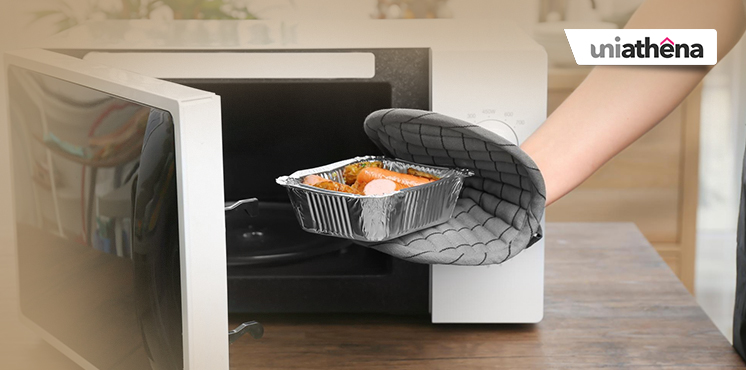
"Just heat it for two minutes." Sound familiar? It’s a line we’ve all said, especially when juggling meetings, deadlines, or even just a break between shifts. You grab your leftovers, pop them into the microwave in last night’s plastic container, and move on without a second thought. But here’s the reality check: how often do we stop to ask if that container is microwave-safe, or what that even means?
In break rooms around the world, employees routinely reheat meals in plastic containers, unaware that this everyday habit could have long-term consequences on health and safety. While we often associate workplace risks with heavy machinery or slippery floors, Environmental Health and Safety (EHS) also extends to more subtle, chemically-induced threats like microwaveable plastics.
Why This Matters Globally
A 2023 study published in Environmental Science & Technology found that heating food in certain plastic containers can release microplastics and endocrine-disrupting chemicals like BPA and phthalates. These substances may leach into food, especially when containers are scratched, old, or not microwave-safe.
Over time, chronic exposure, even in small doses, can contribute to hormonal imbalances, fertility issues, and even an increased cancer risk.
The EHS Perspective
Traditional EHS frameworks often focus on visible hazards, but workplace safety also includes chemical exposure, even through food practices. Think about this: Are your employees heating food in non-food-grade plastic every day? Is there any signage in your pantry about microwave-safe plastics? Many organizations don’t realize that their kitchen policies might be silently compromising their workforce’s well-being.
EHS teams should audit common-use kitchen appliances and microwavable packaging, include microwave-safe container awareness in onboarding or wellness programs, and encourage the use of glass or BPA-free alternatives through policy or incentives.
Is Microwave-Safe Plastic Really Safe?
Microwaving food in the wrong plastic containers involves more than minor wear and tear; it could have significant health implications. When certain plastics are heated, they release hormone disruptors like BPA and phthalates into food. These chemicals have been shown to interfere with estrogen and testosterone levels, impacting long-term hormonal health.
Additionally, a University of Nebraska study found that microwaving plastic can release micro- and nanoplastics in quantities high enough to cause cell damage, including the death of kidney cells in laboratory settings. These effects may not be immediately noticeable but can accumulate over time.
More alarmingly, many of these microplastics are labeled safe by manufacturers yet have been linked to serious conditions such as cancer, infertility, and metabolic disorders. They are invisible but present, making them especially concerning for regular use in workplace kitchens.
What Type of Plastics Are Microwave Safe?
Understanding types of microwave-safe plastic can help reduce risk. Look for recycling symbols that indicate:
- #2: HDPE (High Density Polyethylene Plastic) – Stable under heat, often used for containers.
- #5: PP (Polypropylene) – Common in takeout and food containers, considered microwave safe.
Avoid using:
- #1: PET (Polyethylene Terephthalate) – Safe for cold drinks, but not for heating.
- #3: PVC, #6: Polystyrene, and #7: Other (often includes BPA) – Known to leach chemicals when heated.
Features of Microwaveable Plastics
Microwaveable plastics should be:
- Heat-resistant (up to 120°C or 248°F)
- Non-leaching under microwave conditions
- Labeled as microwave-safe by FDA/EFSA standards
These requirements for microwaveable plastic packaging are crucial for ensuring food safety and regulatory compliance.
Office Actions You Can Take Today
EHS leaders don’t need to overhaul entire kitchen systems to create a safer environment. Even small, practical actions can have a big impact:
Start by swapping to safer materials. Promote containers made from plastics labeled #2 (HDPE) and #5 (PP), which are considered more stable under heat. Even better, encourage the use of glass or ceramic containers that don’t degrade over time.
Next, signal the risks with signage. Simple reminders at microwaves, such as “Use only #2 HDPE or #5 PP plastic, glass, or ceramic for heating,” can go a long way in raising awareness.
Incorporate this information into existing training sessions. Use toolbox talks or monthly wellness sessions to cover symbols, safety, and best practices.
Conduct regular audits to identify damaged, warped, or low-quality containers. Offer replacements as part of an employee care program.
Finally, promote refillable glassware and sustainable lunch kits through small incentives or giveaways to foster long-term behavior change.
Learning to Lead Healthier Workplaces
EHS professionals are expected to think holistically, identifying even the smallest threats that can affect workplace health. Addressing something as simple as microwaveable materials is a great example of proactive risk management. Global platforms like UniAthena offer EHS programs that cover real-world risks, including industrial safety and sustainable practices.
Also, courses like Diploma in Environmental Impact Assessment and Diploma in Environment Health and Safety Management empower professionals with practical skills to assess, manage, and mitigate everyday workplace hazards.
Conclusion
Microwaving lunch shouldn’t be a health gamble. By acknowledging the risks and promoting safer alternatives, organizations can protect their people from invisible dangers hiding in plain sight. After all, safety isn't just about what you see; it’s also about what you feel. A well-defined hydration strategy and microwavable material policy can form a low-cost, high-impact part of your broader EHS program.
Explore Related Courses







COMMENTS(0)
Explore Related Courses
Our Popular Insights
Careers are shifting faster than ever, and staying relevant takes more than experience. Explore UniAthena’s most-read blogs for sharp insights, emerging skills, and practical pathways that help you move forward with clarity and confidence in a changing professional world.

What is the usage of Power BI?
Read More
5
mins read



How to Switch Career to Data Analytics?
Read More
6
mins read

What is the usage of Power BI?
Read more
5
mins read
How to Switch Career to Data Analytics?
Read more
6
mins read
Get in Touch

It’s Time to Start
Join NowMost Popular Online Specialization
- Master of International Business Administration
- Master of Business Administration
- MBA in General Management- FastTrack
- Master in Innovation and Entrepreneurship
- MBA-Family Business Management
- Master in Procurement and Contract Management
- Extended Diploma in Business Analytics (SCQF Level 11)
- Diploma in Supply Chain and Logistics Management (SCQF Level 11)
- Strategic Human Resource Management Practitioner
- Master in Data Science
- Master in Engineering Management
Trending Online
- Integrated Doctorate of Business Administration
- Postgraduate Certificate in Finance for Next Generation Managers
- Master of Business Administration- General Management (Fast Track)
- Postgraduate Certificate in Socio-Economic and Legal Framework
- Postgraduate Certificate in Business Sustainability
- Certified Manager
- Supply Chain Management Practitioner
- MBA - AI in Business
- MBA - Accounting & Finance
- Master in Supply Chain and Logistics Management
Top Universities Online Certificates
- Postgraduate Certificate in International Marketing Management
- Postgraduate Certificate In International Human Resource Management
- Postgraduate Certificate in Strategic Management
- Postgraduate Certificate in Procurement & Contracts Management
- Postgraduate Certificate in Business Analytics
- Postgraduate Certificate in Strategic Supply Chain & Logistics Management
- Postgraduate Certificate in Human Resource and Leadership
- Project Management Practitioner
- Postgraduate Certificate in Supply Chain Design & Implementation
- Postgraduate Certificate in Management Accounting and Finance
Accredited Online Degree Program
- MBA - Digital Transformation
- MBA - Family Business Management
- MBA - Marketing Management
- MBA in Quality Management
- MBA - Business Intelligence & Data Analytics
- MBA in Operations & Project Management
- MBA in Energy Management
- MBA In Construction & Safety Management
- Master in Organisational Leadership
- Master in Public Health
- Master in Construction Management
- Bachelor of Arts in Business Administration


 Install Now


UniAthena is an Ed-Tech, offering flexible, affordable learning solutions, including Free-Learning Upskilling Courses and Academic Programs in partnerships with accredited and globally renowned universities and professional qualification bodies.


Do you have any questions ?
Feel free to send us your questions or request a free consultation
Send a message
UK
Athena Global Education
Magdalen Centre,
Robert Robinson Avenue,
Oxford, OX4 4GA, UK
Phone : 01865 784299
MIDDLE EAST
Athena Global Education FZE
Block L-03, First Floor,
P O Box 519265, Sharjah Publishing City,
Free Zone, Sharjah, UAE
Phone : +971 55 879 5492
INDIA
Uniathena Private Limited
9A,Midas Tower
Phase 1
Hinjewadi Rajiv Gandhi Infotech Park
Pune-411057
Phone: +91 9145665544
All Copyrights Reserved @ Athena Global Education 2021-2026