-

Bachelor's

-

Masters
-

MBA
-

Doctorate
-

Micro Credit
-

Explore all Courses
-
Postgraduate Certifications

-
Postgraduate Diploma
-
Undergraduate Diploma
-
Diploma



What is EHSM, And Why is it a Growing Career in 2026?

Author: urvi malusare
|6
MINS READ
| 0
| 576
Created On: 21 August, 2024 Updated On: 11 February, 2026
Share




Table of Contents (TOC):
- Introduction
- Key Takeaways
- What is EHSM?
- The Growing Importance of EHSM
- Is EHS a Good Career?
- Top Industries Driving Demand for EHS Professionals
- Key Skills and Attributes for EHS Careers
- The Future of EHS Management
- Conclusion
- FAQs
Introduction
The global Environment, Health, and Safety (EHS) market was valued at USD 85.08 billion in 2024 and is projected to grow significantly, reaching USD 163.22 billion by 2033, representing a CAGR of 7.13% from 2025 to 2033. This surge reflects the increasing emphasis on workplace safety, environmental sustainability, and regulatory compliance across industries.
From oil spills to industrial disasters, history is filled with reminders of the devastating consequences of neglecting environmental and safety protocols. Such incidents underscore the vital role of EHS Management in preventing catastrophes and protecting both people and the planet.
In this article, we will take a look at the importance of Environmental Health and Safety as well as highlight a few promising EHS career paths you can pursue.
Key Takeaways:
- Hazard-prone workplaces like construction sites, manufacturing plants, industrial spaces, and healthcare facilities are always in need of environmental safety management professionals.
- EHS management is important as it has become part of CSR initiatives for a lot of companies plus it ensures that government regulations are met by corporations.
- An environmental health and safety career results in roles like EHS Specialist, Safety Officer, Industrial Hygienist, EHS Manager, and Air and Water Specialist.
What is EHSM?
Let’s begin with a basic introduction to the EHS industry. EHSM or Environment, Health, and Safety Management is a structured approach to identifying, evaluating, and mitigating environmental and health risks.
Every organization, especially those with hazard-prone work environments, must have EHS Professionals on board. EHS professionals are individuals with EHS certifications, such as a Diploma in Environment Health and Safety Management, and industry experience. This ensures not only the safety of the environment and improved sustainability but also the health and safety of the employees.
The Growing Importance of EHSM
As awareness around climate change and healthy workplace culture continues to grow, the field of EHSM is gaining more traction.
Here are a few key reasons why EHS Management is gaining popularity:
Corporate Social Responsibility (CSR):
Consumers have become environmentally aware and demand that companies adopt sustainable and eco-friendly practices. Harmful practices by corporations are brought to public attention, damaging the reputation of the brand.
Government Regulations:
Many governments have started taking steps toward combating climate change. Laws and regulations against environmental harm have also been imposed on corporations.
Cost Saving:
Businesses have found cost-effective, sustainable practices. Additionally, implementing Environmental, Health, and Safety protocols has also resulted in fewer accidents and legal penalties.
Protecting Health:
EHS management ensures that people are safe in their workplaces. EHS professionals are responsible for checking ventilation systems, providing PPE kits, and creating safety policies.
Drive Efficiency:
Reducing hazards and accidents in the workplace results in improved efficiency. Not only will the employees be more motivated and productive, but you will also low turnover for the staff.
Is EHS a Good Career?
Most EHS jobs lead to industries like Construction, Healthcare, and Manufacturing. To understand EHS roles and responsibilities, you can do an online course like the MBA Essentials with Environment Health and Safety Management program. This short course will help you learn the fundamentals you need to step into the following EHS careers:
- EHS Specialist: Ensures the overall safety of the workplace, employees, and the environment.
- Safety Officer: Implements and enforces health and safety protocols in an organization.
- Industrial Hygienist: Addressing health hazards like lead poisoning, air pollution through industrial chemicals, and contagious illnesses.
- EHS Manager: Develops and maintains EHS Management systems and policies to protect the workplace.
- Air and Water Specialist: Monitors environmental pollution and implements corrective measures.
Top Industries Driving Demand for EHS Professionals
As more attention is given to sustainability, safety, and the environment, EHS roles are now needed in many different settings. Some of the key sectors where EHS professionals are making a difference are:
Manufacturing:
Industrial economies rely on manufacturing plants, which use heavy machinery, chemicals, and operate at a fast pace. EHS specialists ensure that safety rules are followed, monitor the pollution levels, and carry out waste management procedures. With more attention being given to sustainability, expertise in EHS in the manufacturing industry is becoming increasingly necessary.
Construction:
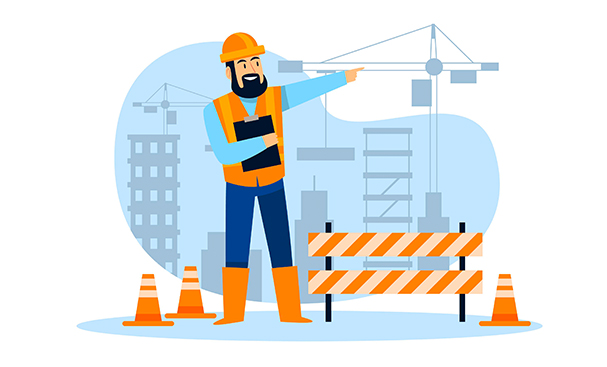
The construction industry is dynamic and often high-risk. Whether it’s making sure cranes are safe or workers wear the right gear, EHS officers play a key part in ensuring that everyone gets back home safely at the end of the day. With more people moving to cities, there is always a need for safety professionals.
Healthcare:
EHS officers in hospitals and laboratories are responsible for infection control, dealing with hazardous waste, ensuring radiation safety, and making sure health regulations are met. Healthcare organizations are strengthening EHS processes as global health crises continue to increase.
Key Skills and Attributes for EHS Careers
- Passion for protecting the environment and people
- Leadership and interpersonal skills
- Problem solving attitude
- Fluent and confident public speaking
- Training skills to help conduct training sessions
- Knowledge of EHS software and tools
- Good communication and collaboration skills
The Future of EHS Management
Environmental health safety manager jobs will always be in-demand as safety concerns around workplaces remain ever-present. In fact, as companies grow and their scopes get bigger and riskier, EHS professionals become more in-demand.
Proper environmental safety management not only improves efficiency and helps organizations save costs, but it also helps companies attract investors with their good business practices. No matter how many new technologies become available, EHS management is one of those jobs that will always need human experts for ensuring best results.
Conclusion
As the demand for EHS professionals continues to grow, individuals with the right skills and qualifications can carve out rewarding careers for themselves. Whether it's preventing accidents, minimizing environmental impact, or driving sustainability initiatives, EHS Specialists play a crucial role in building a safer and healthier future.
Learning EHS Management can help you build a good career for yourself. You can explore the free short courses on our platform and gain a better understanding of the industry. Explore now and take your first step towards a strong EHS career.
FAQs
Q1. What skills are needed for EHS?
A: To become an EHS professional, you need to have domain knowledge and skills like data analysis, risk management, EHS software knowledge, critical thinking, and problem solving.
Q2. What is the EHS job role?
A: Working in EHS management, your role will consist of risk assessment and management, ensuring safety of employees and workplace, developing safety policies, and overseeing safety procedures.
Q3. Is EHS a stressful job?
A: In the beginning, an environmental health and safety career can be stressful as you will be dealing with unexpected situations and handling risks. But once you gain enough working experience, the job will be less stressful.
Explore Related Courses









COMMENTS(0)
Explore Related Courses
Our Popular Insights
Careers are shifting faster than ever, and staying relevant takes more than experience. Explore UniAthena’s most-read blogs for sharp insights, emerging skills, and practical pathways that help you move forward with clarity and confidence in a changing professional world.


What Is Grok AI?
Read More
9
mins read
🌟 Top Project Performer – June 2026 🌟
Read More
1
mins read



🌟 Top Project Performer – May 2026 🌟
Read More
1
mins read

Top Cybersecurity Courses in Ghana
Read More
7
mins read
Best AI Tools for Content Creation
Read More
8
mins read

🌟 Top Project Performer – April 2026 🌟
Read More
1
mins read
What Is Grok AI?
Read more
9
mins read
🌟 Top Project Performer – June 2026 🌟
Read more
1
mins read
🌟 Top Project Performer – May 2026 🌟
Read more
1
mins read
Top Cybersecurity Courses in Ghana
Read more
7
mins read
Best AI Tools for Content Creation
Read more
8
mins read
🌟 Top Project Performer – April 2026 🌟
Read more
1
mins read
Get in Touch

It’s Time to Start
Join NowMost Popular Online Specialization
- Master of International Business Administration
- Master of Business Administration
- MBA in General Management- FastTrack
- Master in Innovation and Entrepreneurship
- MBA-Family Business Management
- Master in Procurement and Contract Management
- Extended Diploma in Business Analytics (SCQF Level 11)
- Diploma in Supply Chain and Logistics Management (SCQF Level 11)
- Strategic Human Resource Management Practitioner
- Master in Data Science
- Master in Engineering Management
Trending Online
- Integrated Doctorate of Business Administration
- Postgraduate Certificate in Finance for Next Generation Managers
- Master of Business Administration- General Management (Fast Track)
- Postgraduate Certificate in Socio-Economic and Legal Framework
- Postgraduate Certificate in Business Sustainability
- Certified Manager
- Supply Chain Management Practitioner
- MBA - AI in Business
- MBA - Accounting & Finance
- Master in Supply Chain and Logistics Management
Top Universities Online Certificates
- Postgraduate Certificate in International Marketing Management
- Postgraduate Certificate In International Human Resource Management
- Postgraduate Certificate in Strategic Management
- Postgraduate Certificate in Procurement & Contracts Management
- Postgraduate Certificate in Business Analytics
- Postgraduate Certificate in Strategic Supply Chain & Logistics Management
- Postgraduate Certificate in Human Resource and Leadership
- Project Management Practitioner
- Postgraduate Certificate in Supply Chain Design & Implementation
- Postgraduate Certificate in Management Accounting and Finance
Accredited Online Degree Program
- MBA - Digital Transformation
- MBA - Family Business Management
- MBA - Marketing Management
- MBA in Quality Management
- MBA - Business Intelligence & Data Analytics
- MBA in Operations & Project Management
- MBA in Energy Management
- MBA In Construction & Safety Management
- Master in Organisational Leadership
- Master in Public Health
- Master in Construction Management
- Bachelor of Arts in Business Administration


 Install Now


UniAthena is an Ed-Tech, offering flexible, affordable learning solutions, including Free-Learning Upskilling Courses and Academic Programs in partnerships with accredited and globally renowned universities and professional qualification bodies.


Do you have any questions ?
Feel free to send us your questions or request a free consultation
Send a message
UK
Athena Global Education
Magdalen Centre,
Robert Robinson Avenue,
Oxford, OX4 4GA, UK
Phone : 01865 784299
MIDDLE EAST
Athena Global Education FZE
Block L-03, First Floor,
P O Box 519265, Sharjah Publishing City,
Free Zone, Sharjah, UAE
Phone : +971 55 879 5492
INDIA
Uniathena Private Limited
9A,Midas Tower
Phase 1
Hinjewadi Rajiv Gandhi Infotech Park
Pune-411057
Phone: +91 9145665544
All Copyrights Reserved @ Athena Global Education 2021-2026