-

Bachelor's

-

Masters
-

MBA
-

Doctorate
-

Micro Credit
-

Explore all Courses
-
Postgraduate Certifications

-
Postgraduate Diploma
-
Undergraduate Diploma
-
Diploma



Why Every Workplace Needs a Hydration Strategy

Author: aishwarya sancheti
|4
MINS READ
| 0
| 150
Created On: 27 May, 2025 Updated On: 07 July, 2025
Share




"I’ve had three cups of coffee today, but forgot to drink water."
Sounds familiar? You’re not alone. In fast-paced, high-performing work environments, hydration is often the last thing on anyone’s mind. But its absence comes with a quiet cost.
Dehydration is not just a personal health issue, it’s a silent threat to workplace safety, productivity, and morale. From cognitive fatigue to an increased risk of accidents, dehydration can derail more than just your energy levels. For EHS (Environment, Health, and Safety) professionals, implementing a hydration strategy isn’t just good practice, it’s essential to maintaining workplace safety.
The Silent Impact of Dehydration at Work
Dehydration doesn't always announce itself with immediate symptoms. Yet, even mild dehydration can lead to:
- Reduced Cognitive Function: A mere 1% decrease in hydration can impair concentration and alertness, leading to decreased productivity.
- Mood Disturbances: Dehydrated individuals are more prone to irritability and fatigue, affecting workplace morale.
- Physical Health Issues: Chronic dehydration can result in headaches, kidney stones, and urinary tract infections leading to more sick days.
For instance, a review article titled "Cognitive Performance and Dehydration" published on ResearchGate discusses how a 2% loss in body water can negatively affect tasks requiring attention, psychomotor skills, and immediate memory.
Why Hydration Should be a Workplace Priority
While you might assume that employees will manage their own hydration, reality tells a different story. A recent survey found that over one-third of Americans don’t consume most of their daily water until after 3 p.m., despite knowing the benefits of early hydration.
Developing a hydration strategy at the workplace helps counter these trends. Some proven benefits include:
- Enhanced Productivity: Proper hydration has been linked to a 14% improvement in workplace performance, according to research by the Natural Hydration Council.
- Better Mental Well-being: Hydrated employees are collaborative, more receptive to feedback, and better at handling stress
- Reduced Workplace Accidents: Dehydration slows reaction times, which is critical in physically demanding or safety-sensitive roles.
Are hydration protocols part of your daily toolbox talks or summer safety briefings? If not, now’s the time to integrate this small-but-mighty habit into your workforce!
Real-World Safety Implications
In physically demanding industries like construction, manufacturing, logistics, dehydration isn’t just inconvenient – risky. Symptoms like dizziness, reduced alertness, or muscle fatigue can turn routine tasks into potential hazards.
And with climate change pushing global temperatures higher, heat-related illnesses are on the rise. According to OSHA, thousands of workers in the U.S. alone suffer from heat stress annually, most cases preventable with simple hydration measures.
A hydration-first safety culture is key to building a heatwave-ready workplace.
Practical Tips to Build a Hydration Strategy
Implementing a workplace hydration strategy doesn’t need to be complicated. Here are a few steps EHS professionals can take:
- Hydration Stations: Make clean water accessible in all work zones.
- Policy Inclusion: Add hydration breaks into long shifts or post-lunch schedules.
- Monitor High-risk Zones: In hot environments, assess water loss and set hydration targets.
- Awareness Drives: Use posters, hydration challenges, or mobile reminders to create awareness.
Consider providing cool, low-sugar electrolyte drinks during peak summer or intense workloads. Often, the availability of liquids can do wonders in cementing hydration-friendly habits.
The Business Case for Hydration
Encouraging hydration is more than a health perk. It supports:
- Fewer sick days
- Higher alertness and morale
- Lower error rates in high-stakes environments
- A sense of employee care and trust
A well-hydrated employee is more productive, mentally sharp, and physically ready. The return on this small investment is hard to ignore.
Learn to Build Smarter Safety Protocols
Many online platforms like UniAthena offer globally recognized EHS programs that equip professionals with practical tools to address real-world safety concerns like hydration and heat stress.
Conclusion
Keeping employees well-hydrated is one of the easiest ways to boost safety and performance – yet it’s often overlooked. As outdoor work becomes increasingly complex and temperatures rise, a solid hydration plan is more than just a health tip; it is essential for protecting your team. Start with something as simple as water, and watch your workforce become healthier, more focused, and ready to tackle any challenge.
Explore Related Courses






.jpg)




COMMENTS(0)
Explore Related Courses
Our Popular Insights
Careers are shifting faster than ever, and staying relevant takes more than experience. Explore UniAthena’s most-read blogs for sharp insights, emerging skills, and practical pathways that help you move forward with clarity and confidence in a changing professional world.

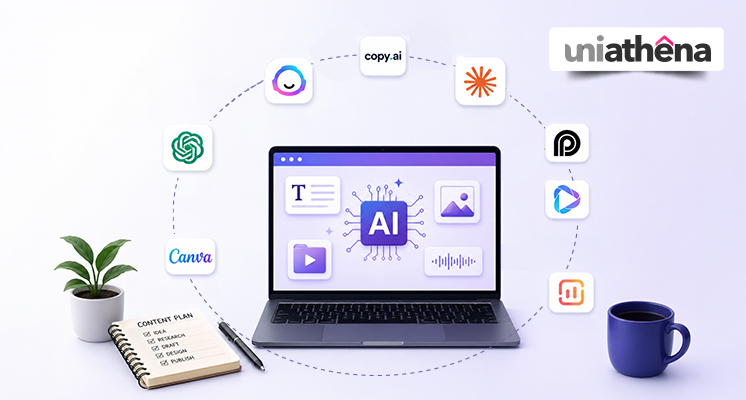
Best AI Tools for Content Creation
Read More
9
mins read

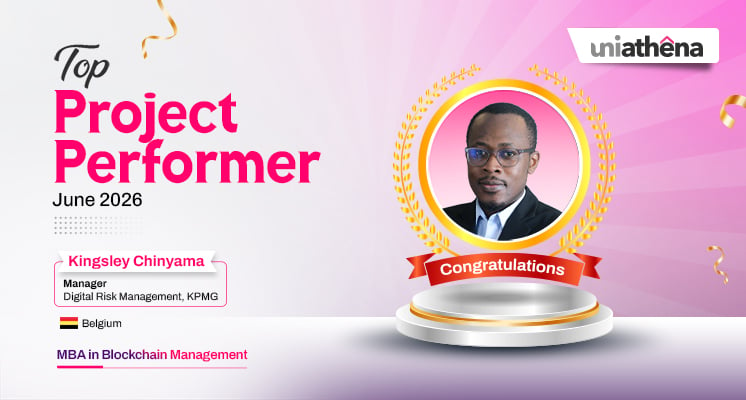
🌟 Top Project Performer – June 2026 🌟
Read More
1
mins read


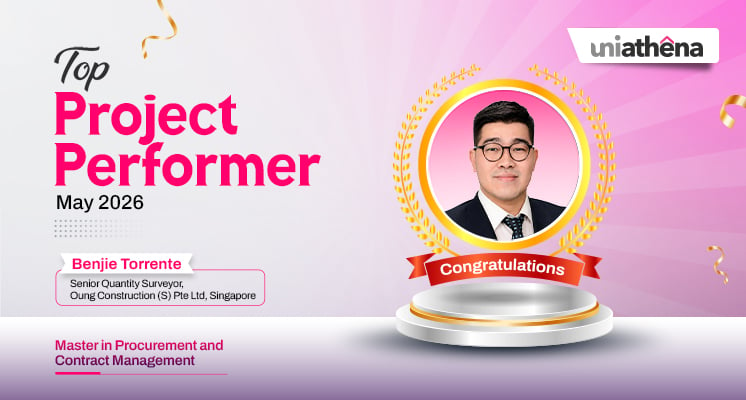
🌟 Top Project Performer – May 2026 🌟
Read More
1
mins read


Best AI Tools for Content Creation
Read more
9
mins read
🌟 Top Project Performer – June 2026 🌟
Read more
1
mins read
🌟 Top Project Performer – May 2026 🌟
Read more
1
mins read
Get in Touch

It’s Time to Start
Join NowMost Popular Online Specialization
- Master of International Business Administration
- Master of Business Administration
- MBA in General Management- FastTrack
- Master in Innovation and Entrepreneurship
- MBA-Family Business Management
- Master in Procurement and Contract Management
- Extended Diploma in Business Analytics (SCQF Level 11)
- Diploma in Supply Chain and Logistics Management (SCQF Level 11)
- Strategic Human Resource Management Practitioner
- Master in Data Science
- Master in Engineering Management
Trending Online
- Integrated Doctorate of Business Administration
- Postgraduate Certificate in Finance for Next Generation Managers
- Master of Business Administration- General Management (Fast Track)
- Postgraduate Certificate in Socio-Economic and Legal Framework
- Postgraduate Certificate in Business Sustainability
- Certified Manager
- Supply Chain Management Practitioner
- MBA - AI in Business
- MBA - Accounting & Finance
- Master in Supply Chain and Logistics Management
Top Universities Online Certificates
- Postgraduate Certificate in International Marketing Management
- Postgraduate Certificate In International Human Resource Management
- Postgraduate Certificate in Strategic Management
- Postgraduate Certificate in Procurement & Contracts Management
- Postgraduate Certificate in Business Analytics
- Postgraduate Certificate in Strategic Supply Chain & Logistics Management
- Postgraduate Certificate in Human Resource and Leadership
- Project Management Practitioner
- Postgraduate Certificate in Supply Chain Design & Implementation
- Postgraduate Certificate in Management Accounting and Finance
Accredited Online Degree Program
- MBA - Digital Transformation
- MBA - Family Business Management
- MBA - Marketing Management
- MBA in Quality Management
- MBA - Business Intelligence & Data Analytics
- MBA in Operations & Project Management
- MBA in Energy Management
- MBA In Construction & Safety Management
- Master in Organisational Leadership
- Master in Public Health
- Master in Construction Management
- Bachelor of Arts in Business Administration


 Install Now


UniAthena is an Ed-Tech, offering flexible, affordable learning solutions, including Free-Learning Upskilling Courses and Academic Programs in partnerships with accredited and globally renowned universities and professional qualification bodies.


Do you have any questions ?
Feel free to send us your questions or request a free consultation
Send a message
UK
Athena Global Education
Magdalen Centre,
Robert Robinson Avenue,
Oxford, OX4 4GA, UK
Phone : 01865 784299
MIDDLE EAST
Athena Global Education FZE
Block L-03, First Floor,
P O Box 519265, Sharjah Publishing City,
Free Zone, Sharjah, UAE
Phone : +971 55 879 5492
INDIA
Uniathena Private Limited
9A,Midas Tower
Phase 1
Hinjewadi Rajiv Gandhi Infotech Park
Pune-411057
Phone: +91 9145665544
All Copyrights Reserved @ Athena Global Education 2021-2026