-

Bachelor's

-

Masters
-

MBA
-

Doctorate
-

Micro Credit
-

Explore all Courses
-
Postgraduate Certifications

-
Postgraduate Diploma
-
Undergraduate Diploma
-
Diploma



ESG vs EHS: What’s the Real Difference

Author: aishwarya sancheti
|4
MINS READ
| 0
| 317
Created On: 28 July, 2025
Share




Let’s be honest.
If you’ve ever nodded along in a meeting when someone threw around terms like ESG and EHS, secretly thinking, “Wait... are those the same thing? Or am I missing something?” Well, you’re not alone.
Maybe you’ve seen ESG reports popping up in corporate newsletters. Or maybe your workplace just rolled out a new EHS training module and now you're wondering if it's related to sustainability or just about safety goggles and spill kits.
Let’s face it: the world of Environment, Health and Safety (EHS), and Environmental, Social and governance (ESG) can feel like a maze of trending terms, certifications, and acronyms. But here’s the thing: understanding ESG vs EHS isn’t just corporate jargon anymore.
In 2025, it’s part of how companies stay compliant, competitive, and conscious. And for professionals like you, whether you're in operations, HR, Sustainability, or Leadership, knowing the real difference between EHS and ESG can make you sharper, more informed, and ahead of the game.
So, let’s break it all down. No fluff, no jargon, just straight-up answers to the questions everyone has but few are asking out loud.
First Things First: What Is EHS, Really?
Let’s start with the more familiar EHS, short for Environmental Health and Safety.
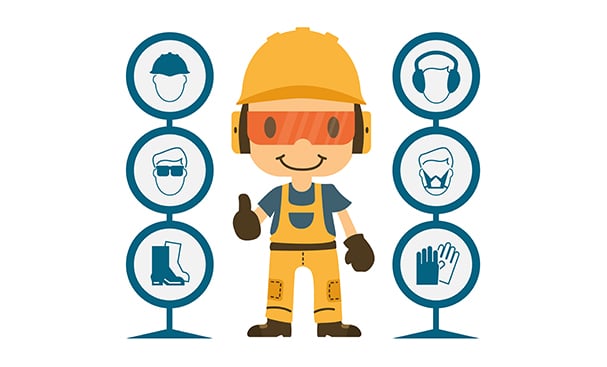
Ever had to sit through a safety drill, sign a chemical handling form, or wear protective glasses on-site? That’s EHS in action.
But it’s not just about checking boxes.
Environment, Health and Safety is about protecting people and the environment. It's the framework companies use to make sure employees aren’t getting injured, the air isn't toxic, waste is handled properly, and operations follow safety standards.
Health and safety programs, environmental management plans, and compliance audits all fall under EHS. It refers to all the hands-on, everyday actions that keep a workplace safe, ethical, and legally compliant.
And here’s something cool: you can even get EHS certification online these days. Whether you’re in manufacturing, healthcare, tech, or logistics, having an environmental health and safety certification makes you a real asset to any team.
Also Read: The Ultimate Guide to Launching Your EHS Career
And ESG? That’s a Whole Different Ballgame
ESG stands for Environmental, Social, and Governance, and it’s the hot topic your CEO is probably throwing around in quarterly updates.
But what is ESG really about?
Here’s the simplest way to look at it: ESG is how companies show the world they’re responsible and future-ready.
It’s not just what happens inside your four walls (like EHS), it’s about how your company behaves as a citizen of the world.
- The Environmental part? That’s your company’s climate impact, carbon emissions, energy use, etc.
- The Social part? That’s how you treat employees, support communities, and champion diversity.
- The Governance part? That’s about leadership ethics, transparency, and anti-corruption.
In short, ESG is the big picture. It's the strategy behind your company’s values. It's the reason investors trust you, customers choose you, and employees stay with you.
Still Wondering How They’re Different?
You’re not the only one! People often mix up EHS and ESG, and for good reason, they sound similar and do overlap.
Here’s a quick cheat sheet: If EHS is your operations manual, ESG is your public relations report. If EHS is about doing things safely, ESG is about doing the right things.
So Why Should You Care in 2025?
Whether you’re a fresh graduate, a team leader, or a business owner, understanding EHS and ESG is no longer optional.
- Environmental management is no longer a nice-to-have, it’s expected.
- Governments are enforcing stricter EHS and ESG regulations.
- Investors won’t even consider companies that don’t check off ESG concerns.
- And yes, employees and customers actually care about who they’re working for or buying from.
Want to future-proof your career or your company? Start by integrating EHS into your ESG strategy!
How Do You Bring ESG and EHS Together?
Here’s how companies (and individuals) are bridging the gap:
- Take online EHS certification courses to build foundational knowledge.
- Start tracking ESG concerns that align with your industry.
- Create a direct link between your health and safety programs and sustainability goals.
- Don’t isolate EHS teams! Bring them into ESG discussions and empower them to contribute.
- Use EHS data (like incident rates or waste reduction) in your ESG reporting.
Conclusion: It’s Not Either/Or, It’s Both
Let’s stop thinking of it as ESG vs EHS. Instead, think EHS and ESG, because that’s how future-ready organizations operate.
In 2025, companies that prioritize both safety and sustainability aren’t just surviving, they're thriving. And professionals who understand both? They’re the ones leading the change.
So the next time you hear "What is EHS?" or "What is ESG?", smile. You’ve got the full picture.
Explore Related Courses







COMMENTS(0)
Explore Related Courses
Our Popular Insights
Careers are shifting faster than ever, and staying relevant takes more than experience. Explore UniAthena’s most-read blogs for sharp insights, emerging skills, and practical pathways that help you move forward with clarity and confidence in a changing professional world.


🌟 Top Project Performer – June 2026 🌟
Read More
1
mins read



🌟 Top Project Performer – May 2026 🌟
Read More
1
mins read
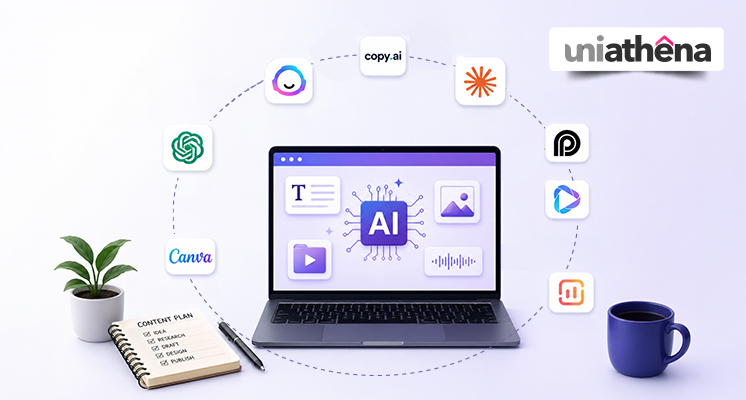
Best AI Tools for Content Creation
Read More
9
mins read

How to Start Freelancing With No Experience
Read More
8
mins read

🌟 Top Project Performer – April 2026 🌟
Read More
1
mins read
🌟 Top Project Performer – June 2026 🌟
Read more
1
mins read
🌟 Top Project Performer – May 2026 🌟
Read more
1
mins read
Best AI Tools for Content Creation
Read more
9
mins read
How to Start Freelancing With No Experience
Read more
8
mins read
🌟 Top Project Performer – April 2026 🌟
Read more
1
mins read
Get in Touch

It’s Time to Start
Join NowMost Popular Online Specialization
- Master of International Business Administration
- Master of Business Administration
- MBA in General Management- FastTrack
- Master in Innovation and Entrepreneurship
- MBA-Family Business Management
- Master in Procurement and Contract Management
- Extended Diploma in Business Analytics (SCQF Level 11)
- Diploma in Supply Chain and Logistics Management (SCQF Level 11)
- Strategic Human Resource Management Practitioner
- Master in Data Science
- Master in Engineering Management
Trending Online
- Integrated Doctorate of Business Administration
- Postgraduate Certificate in Finance for Next Generation Managers
- Master of Business Administration- General Management (Fast Track)
- Postgraduate Certificate in Socio-Economic and Legal Framework
- Postgraduate Certificate in Business Sustainability
- Certified Manager
- Supply Chain Management Practitioner
- MBA - AI in Business
- MBA - Accounting & Finance
- Master in Supply Chain and Logistics Management
Top Universities Online Certificates
- Postgraduate Certificate in International Marketing Management
- Postgraduate Certificate In International Human Resource Management
- Postgraduate Certificate in Strategic Management
- Postgraduate Certificate in Procurement & Contracts Management
- Postgraduate Certificate in Business Analytics
- Postgraduate Certificate in Strategic Supply Chain & Logistics Management
- Postgraduate Certificate in Human Resource and Leadership
- Project Management Practitioner
- Postgraduate Certificate in Supply Chain Design & Implementation
- Postgraduate Certificate in Management Accounting and Finance
Accredited Online Degree Program
- MBA - Digital Transformation
- MBA - Family Business Management
- MBA - Marketing Management
- MBA in Quality Management
- MBA - Business Intelligence & Data Analytics
- MBA in Operations & Project Management
- MBA in Energy Management
- MBA In Construction & Safety Management
- Master in Organisational Leadership
- Master in Public Health
- Master in Construction Management
- Bachelor of Arts in Business Administration


 Install Now


UniAthena is an Ed-Tech, offering flexible, affordable learning solutions, including Free-Learning Upskilling Courses and Academic Programs in partnerships with accredited and globally renowned universities and professional qualification bodies.


Do you have any questions ?
Feel free to send us your questions or request a free consultation
Send a message
UK
Athena Global Education
Magdalen Centre,
Robert Robinson Avenue,
Oxford, OX4 4GA, UK
Phone : 01865 784299
MIDDLE EAST
Athena Global Education FZE
Block L-03, First Floor,
P O Box 519265, Sharjah Publishing City,
Free Zone, Sharjah, UAE
Phone : +971 55 879 5492
INDIA
Uniathena Private Limited
9A,Midas Tower
Phase 1
Hinjewadi Rajiv Gandhi Infotech Park
Pune-411057
Phone: +91 9145665544
All Copyrights Reserved @ Athena Global Education 2021-2026