-

Bachelor's

-

Masters
-

MBA
-

Doctorate
-

Micro Credit
-

Explore all Courses
-
Postgraduate Certifications

-
Postgraduate Diploma
-
Undergraduate Diploma
-
Diploma



Inside the Intelligent Oilfield: AI-Driven Digital Twins and the New Era of Energy Operations
Author: pallavi patnaik
|7
MINS READ
| 0
| 440
Created On: 16 December, 2025
Share




Introduction
At 3:17 a.m., deep in the control room of an offshore platform in the Gulf, alarms began flashing. Traditionally, this would mean one thing — shutdown. But on this night, something unusual happened.
A digital twin AI system, constantly mirroring every vibration, temperature shift, and pressure fluctuation of the platform’s compressors, had already predicted the anomaly hours earlier. The maintenance team received an automated alert, inspected the equipment, and resolved the issue before it ever became a threat.
Production continued. Downtime was avoided. Costs were saved.
This moment captures the new reality of digital transformation in oil and gas: a world where AI twins are no longer theoretical concepts but mission-critical technologies transforming upstream operations.
In this blog, we explore what a digital twin is, its role across petroleum upstream and downstream operations, and how AI is shaping the future of oil and gas efficiency.
Before we dive into the details, for those looking to build strong managerial and technical expertise in today’s evolving energy landscape, Uniathena offers a comprehensive 90 ECTS MBA in Oil & Gas Management. The program is designed for graduates and working professionals seeking to advance their careers across upstream, midstream, and downstream oil and gas operations.
What is a Digital Twin?
A digital twin is a virtual, real-time, AI-powered representation of an asset, process, or entire production system.
Digital twinning definition:
A continuously updated digital simulation of physical equipment or processes, integrating sensor data, physics-based modeling, and machine learning.
With growing digitalization in oil and gas, digital twin technologies now enhance drilling operations, subsea systems, asset management, and refinery processes.
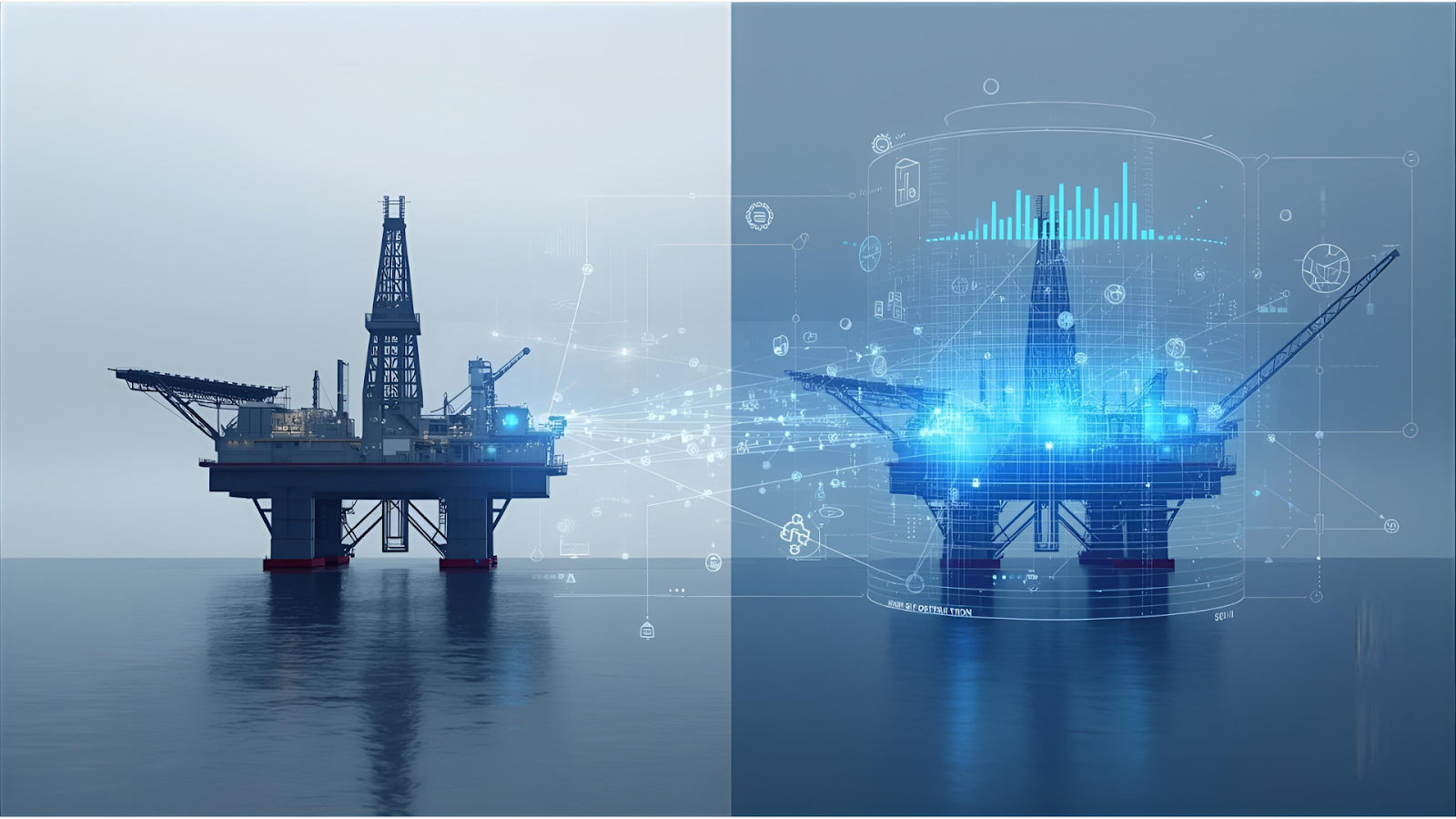
FIG 1: Digital Twin: A real-time, AI-powered virtual replica of physical oil & gas operations
Where Do Digital Twins Fit? Upstream and Downstream Oil & Gas
Understanding the petroleum value chain is essential to mapping where digital twins deliver the most impact:
While digital twinning adds value across oil and gas upstream, midstream, and downstream, the highest operational benefits emerge in upstream oil and gas environments due to greater uncertainty, equipment intensity, and safety risks.
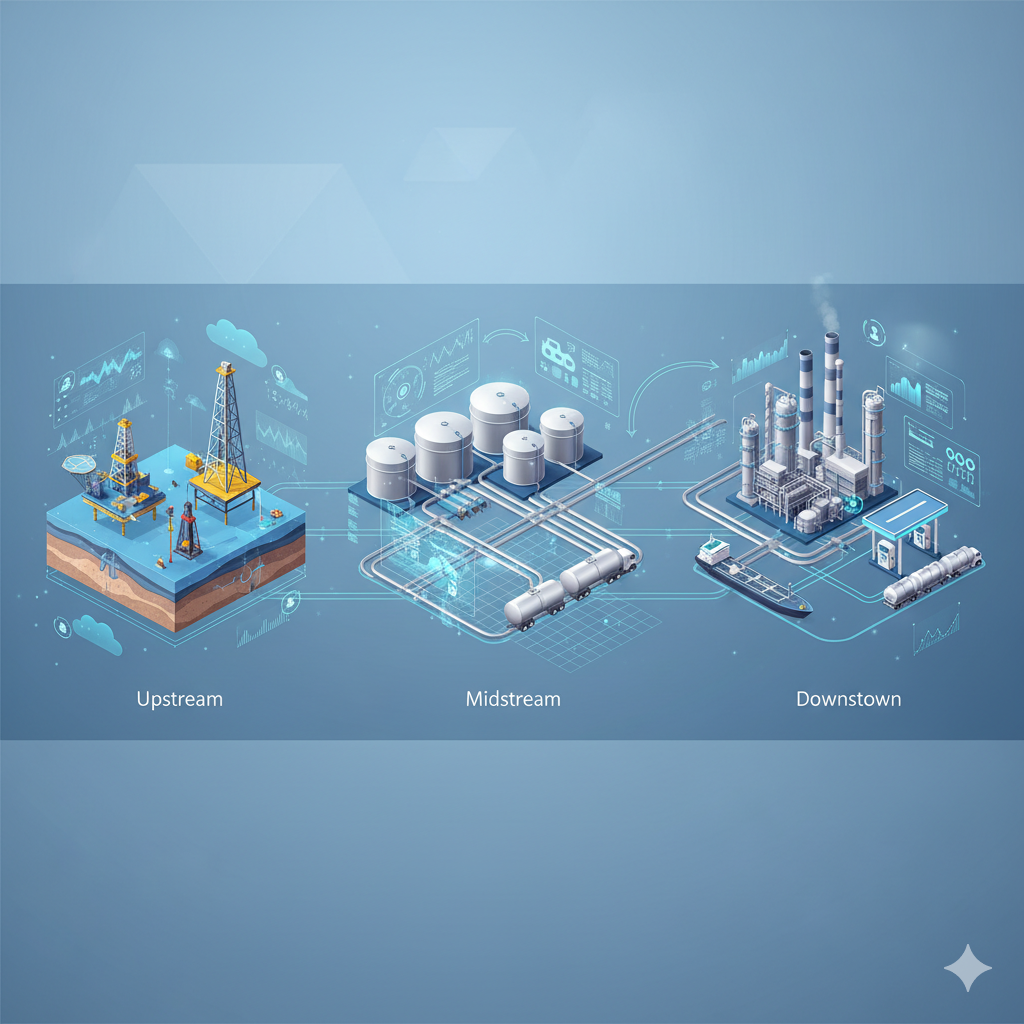
FIG 2: Visualizing the Oil and Gas Value Chain - Upstream, Midstream, and Downstream
AI-Driven Digital Twins in Upstream: Transforming Operations
Predictive Maintenance & Asset Integrity
AI-driven digital twins act like a constantly alert digital guardian for oil and gas operations. By continuously sensing, analyzing, and learning from equipment behavior, they identify unusual patterns long before the human eye can catch them.
This allows operators to shift from reactive firefighting to true predictive intelligence, where systems alert teams before failures occur, not after. The result is safer operations, smarter maintenance decisions, and a dramatic reduction in costly unplanned shutdowns.
Key capabilities enabled by AI-driven digital twins:
- Real-time equipment condition monitoring
- Prediction of failure events hours or even days in advance
- Optimized and cost-efficient maintenance schedules
- Enhanced safety performance in high-risk zones
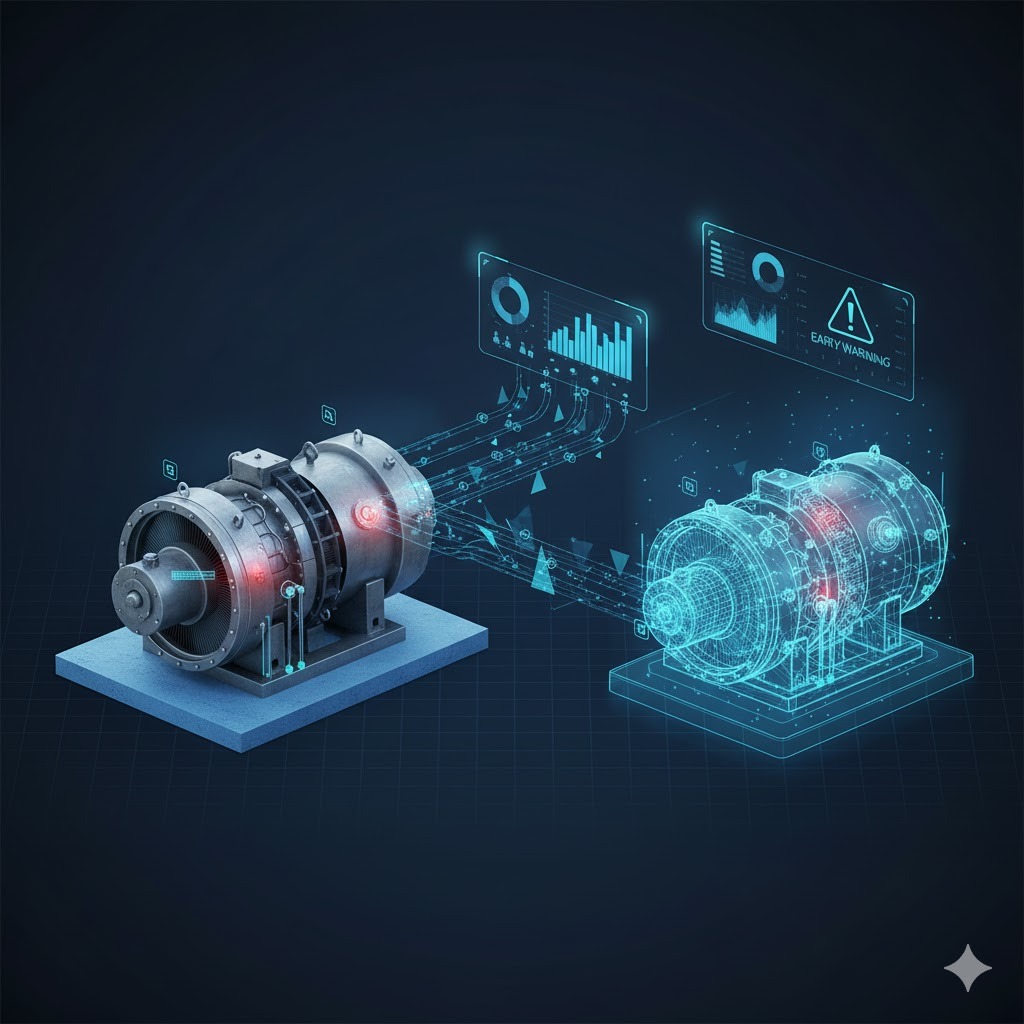
Fig 3.1: Holographic Twins & AI: Swift anomaly detection for asset safety and reliability
Intelligent Drilling Optimization
In drilling operations, every second and every meter can introduce new complexities beneath the surface. Digital twins bring clarity to this uncertainty by simulating real-time wellbore conditions and drilling parameters with remarkable precision.
These AI-powered models allow engineers to “see ahead” in the subsurface, anticipate challenges before they escalate, and adjust strategies on the fly. By transforming drilling from a reactive to a predictive process, digital twin oil and gas platforms significantly improve well performance while minimizing operational risks.
Key capabilities enabled by digital twins in drilling:
- Anticipation of drilling hazards before they occur
- Ranking and selection of optimal drilling paths
- Reduction of non-productive time (NPT)
- Real-time optimization of critical drilling parameters
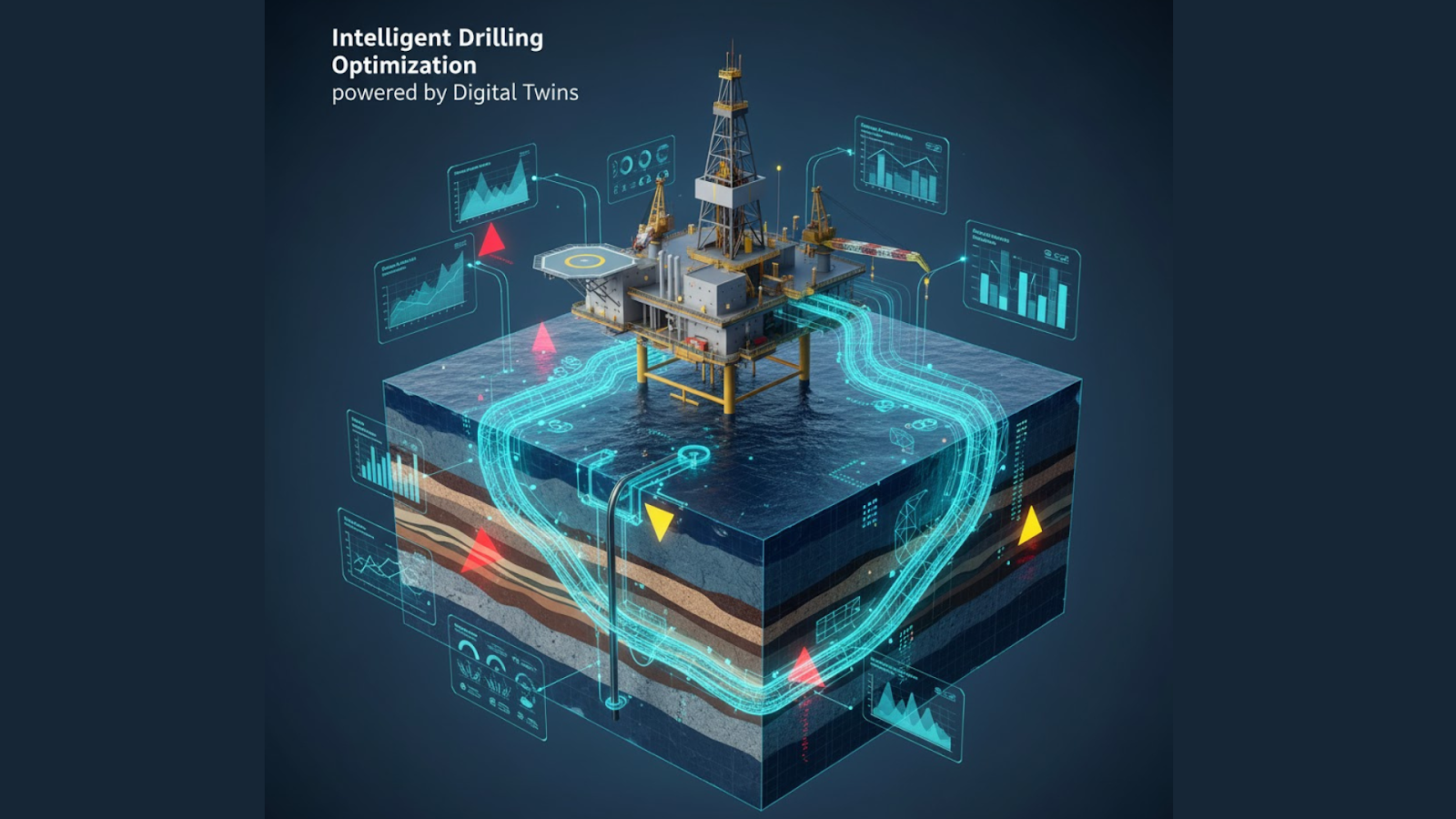
Fig 3.2: Real-time simulation and analytics enabling optimal well paths and reduced drilling risk
Reservoir Modeling & Production Optimization
Reservoir twins open a window into the hidden world beneath the surface, translating complex subsurface behavior into clear, data-driven insights. By continuously modeling how fluids move, how pressure evolves, and how reservoirs respond to operational decisions, these AI-powered twins allow operators to test scenarios long before they touch the physical field.
This transforms reservoir management from educated guesswork into a precise, simulation-driven strategy: ultimately enabling smarter, more profitable upstream decisions.
Key advantages of reservoir digital twins include:
- Forecasting pressure and flow patterns with greater accuracy
- Optimizing reservoir management for sustained performance
- Enhancing EOR strategies through scenario-based simulation
- Predicting and simulating long-term production outcomes

FIG 3.3: Simulating subsurface behavior to optimize reservoir performance and long-term recovery
Midstream and Downstream Applications
Digital twins are now reshaping the entire petroleum value chain by connecting upstream, midstream, and downstream operations through real-time, AI-powered models. They accelerate decision-making, increase safety, and drive operational excellence through continuous monitoring and simulation.
Midstream Applications:
- Real-time leak detection
- Flow assurance modeling
- Pipeline performance optimization
Downstream Applications:
- Refinery process simulation
- Energy efficiency modeling
- Predictive quality control
Together, these capabilities significantly strengthen oil and gas digital transformation across the full lifecycle of energy production and distribution.
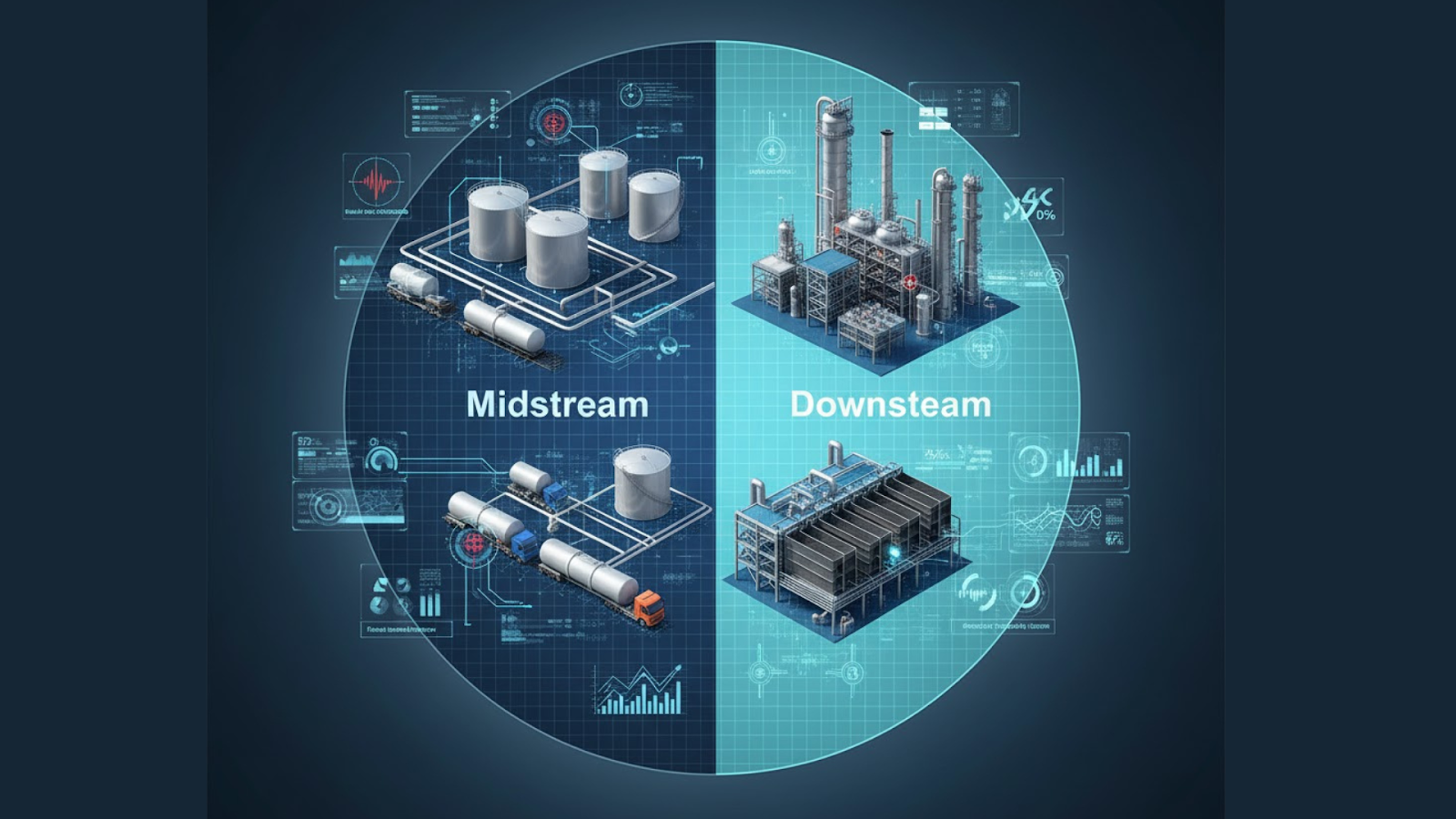
Fig 4: Midstream vs. Downstream Digital Twins: A Comparative View
Key Digital Twin Applications
Across the oil and gas sector, digital twins are becoming the backbone of smarter, safer, and more sustainable operations. By blending real-time data with AI-driven simulation, they empower companies to predict issues before they occur, optimize complex processes, and train teams in realistic virtual environments.
From improving equipment reliability to supporting environmental goals, these applications are shaping the next generation of oil and gas digital solutions.
Key digital twin applications include:
- Predictive maintenance
- Operational efficiency modeling
- Safety and risk assessment simulations
- Workforce virtual training
- Emissions tracking and sustainability management
The Future of Digital Twins in the Energy Sector
The future of digital twins is heading toward autonomous, AI-enhanced systems capable of making real-time operational decisions.
Key trends include:
- AI-autonomous wells and drilling twins
- Edge-based real-time decision systems
- Integrated upstream-to-downstream twins
- Robotics-enabled monitoring twins
- Carbon-neutral operations powered by simulation insights
These developments will shape the future of digital transformation in the oil and gas industry.
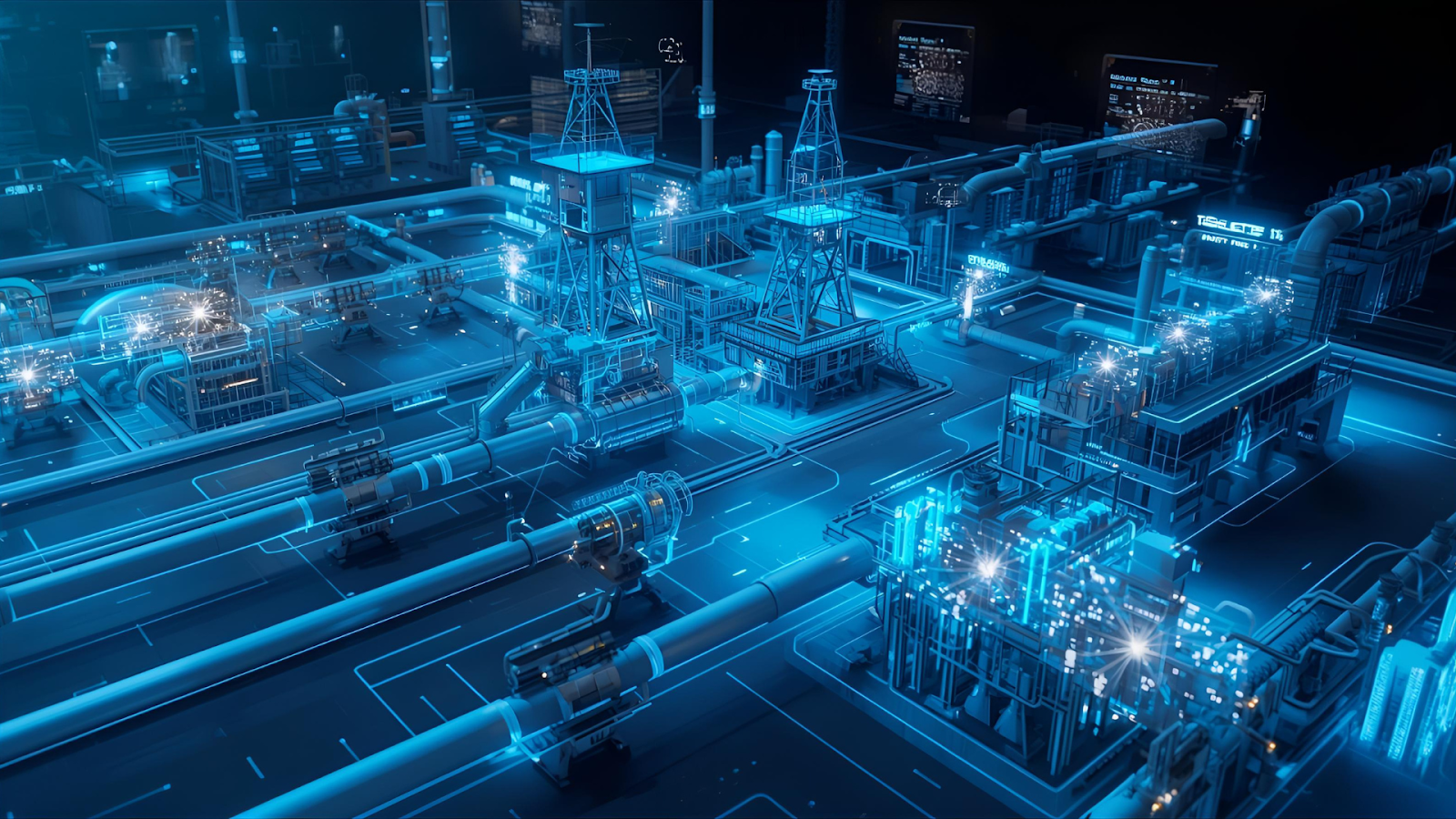
FIG 5: The Autonomous Energy Ecosystem: A Future Vision
Conclusion
AI-driven digital twins are reshaping the future of the energy sector, enabling companies to transition from reactive operations to intelligent, predictive ecosystems. By integrating digital twin AI across upstream and downstream oil and gas environments, organizations unlock powerful advantages, from improved equipment reliability to streamlined production and safer, more sustainable operations. These capabilities provide the clarity and confidence needed to make faster, smarter decisions in an increasingly complex industry landscape.
Ultimately, digital twinning has become more than a technological upgrade; it is the foundation of the next era of digital in oil and gas: an ecosystem where every asset, process, and decision is guided by real-time insight, precision, and intelligence. As this shift accelerates, building both technical understanding and managerial perspective becomes essential.
Programs such as UniAthena’s MBA in Oil and Gas Management support this need by equipping professionals with a comprehensive overview of the energy operations. The companies and leaders that adopt this approach today will shape the industry’s future tomorrow.
References:
1. Holmås H., Sjåtil O. A., Santamarta S., Lindseth S., Romanin P. Creating Value with Digital Twins in Oil & Gas. Boston Consulting Group, Oct 2019 - Web-assets.bcg
2. Honeywell. Essential Digital Twins in Upstream Oil & Gas Production Operations (White Paper). 2019 - Honeywell.com
3. IBM. Digital Twin for the Oil & Gas Industry. IBM Institute for Business Value- IBM
4. Le Blanc, M.B. Digital Twin Technology for Enhanced Upstream Capability. MIT Thesis, 2020- MIT Thesis
5. Dada M. A. Digital Twins in the Upstream Oil and Gas Industry: Trends, Applications, and Challenges. NAPEC Conference, 2024.- ResearchGate
6. Hamidishad N., Barbosa R.S., Allahyarzadeh-Bidgoli A., Yanagihara J.I. Digital Twin Frameworks for Oil and Gas Processing Plants: A Comprehensive Literature Review. Processes, Vol 13(11), 2025. https://doi.org/10.3390/pr13113488 - MDP
7. Belo R.C. Fundamental requirements of Digital Twins for production systems in Oil & Gas. Journal article, 2025- Sciencedirect.com
8. Pandi S. A Study on Building Blocks of Digital Twin for Oil and Gas Industry. International Journal of Engineering Research & Technology (IJERT), Vol 12 Issue 11, Nov 2023. - ijert.com
Explore Related Courses









COMMENTS(0)
Explore Related Courses
Our Popular Insights
Careers are shifting faster than ever, and staying relevant takes more than experience. Explore UniAthena’s most-read blogs for sharp insights, emerging skills, and practical pathways that help you move forward with clarity and confidence in a changing professional world.

How to Switch Career to Data Analytics?
Read More
6
mins read




How to Switch Career to Data Analytics?
Read more
6
mins read

Get in Touch

It’s Time to Start
Join NowMost Popular Online Specialization
- Master of International Business Administration
- Master of Business Administration
- MBA in General Management- FastTrack
- Master in Innovation and Entrepreneurship
- MBA-Family Business Management
- Master in Procurement and Contract Management
- Extended Diploma in Business Analytics (SCQF Level 11)
- Diploma in Supply Chain and Logistics Management (SCQF Level 11)
- Strategic Human Resource Management Practitioner
- Master in Data Science
- Master in Engineering Management
Trending Online
- Integrated Doctorate of Business Administration
- Postgraduate Certificate in Finance for Next Generation Managers
- Master of Business Administration- General Management (Fast Track)
- Postgraduate Certificate in Socio-Economic and Legal Framework
- Postgraduate Certificate in Business Sustainability
- Certified Manager
- Supply Chain Management Practitioner
- MBA - AI in Business
- MBA - Accounting & Finance
- Master in Supply Chain and Logistics Management
Top Universities Online Certificates
- Postgraduate Certificate in International Marketing Management
- Postgraduate Certificate In International Human Resource Management
- Postgraduate Certificate in Strategic Management
- Postgraduate Certificate in Procurement & Contracts Management
- Postgraduate Certificate in Business Analytics
- Postgraduate Certificate in Strategic Supply Chain & Logistics Management
- Postgraduate Certificate in Human Resource and Leadership
- Project Management Practitioner
- Postgraduate Certificate in Supply Chain Design & Implementation
- Postgraduate Certificate in Management Accounting and Finance
Accredited Online Degree Program
- MBA - Digital Transformation
- MBA - Family Business Management
- MBA - Marketing Management
- MBA in Quality Management
- MBA - Business Intelligence & Data Analytics
- MBA in Operations & Project Management
- MBA in Energy Management
- MBA In Construction & Safety Management
- Master in Organisational Leadership
- Master in Public Health
- Master in Construction Management
- Bachelor of Arts in Business Administration


 Install Now


UniAthena is an Ed-Tech, offering flexible, affordable learning solutions, including Free-Learning Upskilling Courses and Academic Programs in partnerships with accredited and globally renowned universities and professional qualification bodies.


Do you have any questions ?
Feel free to send us your questions or request a free consultation
Send a message
UK
Athena Global Education
Magdalen Centre,
Robert Robinson Avenue,
Oxford, OX4 4GA, UK
Phone : 01865 784299
MIDDLE EAST
Athena Global Education FZE
Block L-03, First Floor,
P O Box 519265, Sharjah Publishing City,
Free Zone, Sharjah, UAE
Phone : +971 55 879 5492
INDIA
Uniathena Private Limited
9A,Midas Tower
Phase 1
Hinjewadi Rajiv Gandhi Infotech Park
Pune-411057
Phone: +91 9145665544
All Copyrights Reserved @ Athena Global Education 2021-2026