-

Bachelor's

-

Masters
-

MBA
-

Doctorate
-

Micro Credit
-

Explore all Courses
-
Postgraduate Certifications

-
Postgraduate Diploma
-
Undergraduate Diploma
-
Diploma



Career Change at 30: How to Switch Careers Smartly

Author: aishwarya sancheti
|7
MINS READ
| 0
| 562
Created On: 25 November, 2025
Share




Table of Contents (TOC):
- Introduction
- Key Takeaways
- Why 30 Is the Perfect Time for a Career Switch
- The Mindset Shift: You’re Not Starting from Zero
- The Two Paths to a Career Change at 30
- How to Make the Switch: A 5-Step Framework
- Career Change Ideas & Best Jobs for Switchers
- Recommended Courses for a Career Change
- What Holds People Back (and How to Overcome It)
- Conclusion
- FAQs
Introduction
You've hit your 30s. Maybe you’re checking off milestones, one job behind you, maybe a stack of bills, maybe a dream unfulfilled. If that nagging “Is this really it?” The question keeps creeping in, you’re in good company. A career change at 30 is not just possible; it can be one of the most strategic moves of your working life.
In this blog, we’ll walk through how to approach a mid-career switch, why changing careers in your 30s is more of an opportunity than a risk, and share career change ideas, best career change jobs, and steps to start a new career in this modern world.
Key Takeaways:
- Turning 30 gives you experience, emotional maturity, and clarity, the best tools for a career change.
- You don’t start from scratch; you transfer and upgrade the skills you already have.
- Online learning and career change courses make transitions easier than ever.
- Choose between two paths: The Pivot (same industry, new role) or The Shift (new industry altogether).
- Strategic planning, networking, and upskilling can turn uncertainty into opportunity.
Why 30 Is the Perfect Time for a Career Switch
You might wonder: is 30 too late to change careers? Absolutely not. In fact, your 30s can be the window of the career shift. Towards the age of 30s, you have acquired something that no college course can give you: the experience.
You have had team work, deadlines, received feedback and also realized what motivates you (as well as what de-motivates you). This is precisely what renders this age optimal in a career transition.
Here are some concrete signs it's time for a change:
- You wake up with dread on Sunday evenings.
- You feel your skills are underused or misaligned with your values.
- The work-life balance you once accepted now feels off.
- You catch yourself Googling “how to make a career change at 30”, “need a career change”, or “best career change jobs”.
- You’ve built transferable skills that travel well between industries.
And yes, society may hint you should have “settled in” by now, but the modern workforce disagrees. Career resets and pivots are increasingly normal.
The Mindset Shift: You’re Not Starting From Zero
A key misconception: changing careers means wiping the slate clean. In reality, your past work matters, it’s your “transferable skills” goldmine. Let’s flip the narrative: Instead of “I’m 30 and haven’t found a career yet”, think: “I’m 30 and ready to level up into a career that fits me better.”
Your decade of experience gives you:
- Professional maturity and discipline
- Industry and workplace understanding
- Communication, project, and people skills that can migrate
For example, someone moving from marketing into product management doesn’t lose their audience insight; they just apply it differently.
The Two Paths to a Career Change at 30
Most successful career shifts in your 30s fall into one of two clear categories:
Both paths are valid; what matters is self-awareness. If you like your industry but want a better role, go for – The Pivot.
If your entire field drains you, go for - The Shift and rebuild with fresh, future-ready skills.
How to Make the Switch: 5-Step Framework
1. Self-Audit: Why Are You Switching?
Before making any move, understand why.
Ask yourself:
- What about my current job drains me?
- What do I actually enjoy doing?
- What values or goals am I missing in my current path?
This clarity will shape your story for interviews and for yourself.
2. Research and Validate
- Explore industries and roles that align with your strengths. Talk to professionals already working there.
- Check how accessible these roles are. Do they require specific career change courses, or can you pivot through related experience?
3. Map Your Bridge
- After you have identified your objective, close the skill gap.
- Online courses can help you change careers and get faster with upskilling.
- Short Programs in Data Analytics, Business Administration, HR, or Leadership would provide your resume with a plausible boost without years of education.
- Platforms like UniAthena offer flexible, accredited courses that align perfectly with both The Pivot and The Shift paths.
4. Plan Financially and Set a Timeline
- Not all transitions are immediate.
- Build a small financial cushion (3–6 months), and if needed, upskill part-time while staying in your current job.
- That way, your change feels planned, not pressured.
5. Network and Test the Waters
- Join LinkedIn groups, online communities, or industry webinars. Conversations often open unexpected doors.
- The more you learn from real professionals, the clearer your next step becomes.
Career Change Ideas & Best Jobs for Switchers
Here are some roles and fields that tend to be friendly for career changers in their 30s:
- Data Analytics: For logical minds who enjoy uncovering insights from numbers.
- UX/UI Design: For creative thinkers who love improving digital experiences.
- Digital Marketing: To the storytellers with the knowledge of the audience psychology.
- Project Management: To structured leaders who like organization.
- Cybersecurity: For problem-solvers who want a future-proof career protecting people and organizations from digital threats.
- Learning & Development: The ones who are interested in supporting others to develop.
- Sustainability and ESG Roles: For purpose-driven professionals who want to help businesses grow responsibly and create real environmental and social impact.
All these positions embrace students of varying backgrounds; all that is required of you is curiosity, strategy and the appropriate upskilling support.
Recommended Courses for Your Career Path
Depending on whether you’re pivoting or shifting, here are courses to explore:
- Executive Diploma in Strategic Change Management: Learn how to lead transformation using your existing industry knowledge.
- Diploma in Business Administration: Gain advanced business acumen to step into top-tier managerial positions.
- Basics in Human Resource Management:Turn people skills into a structured HR or talent management career.
- Basics of Digital Marketing: Ideal for a career change into something creative + strategic, and often more accessible (less technical barrier) for a 30-something.
- Diploma in Data Analytics: Enter the high-demand world of data-driven decisions.
- Essentials of AI Learning Frameworks & Advanced Models & Executive Diploma in Machine Learning: Step into the next frontier of technology and automation.
- Basics of Leadership & Human Behavior in Change Management: Strengthen your mindset and resilience through career transitions.
All available at UniAthena, designed for working professionals seeking flexible, 100% online, and globally credible upskilling opportunities.
What Holds People Back and How to Overcome It
Fear of failure. “What if I’m not good enough?”
You won’t know until you try. The first step is often the hardest, but it’s also the most freeing.
Financial anxiety. “What if I can’t afford the shift?”
Plan ahead. Build a small safety net or pivot gradually while you learn part-time.
Judgment from others. “What will people think?”
They’ll think you’re brave enough to design your own future, and they’ll probably wish they did it too.
Conclusion: This is your moment
It is not too late at 30 to be boxed in. When you are not happy about your current career path, it is not the end of the world to change, but maybe even an upgrade. Just imagine the GPS is being diverted: you are not beginning anew, you are re-routing.
You carry experience and clarity and realistic ambitions to make this work. By doing self-assessment, research, and having a smart plan, you are not merely doing a career change, you are building a career that you will be happy about.
FAQs
Q1. Is switching careers at 30 too late?
A: No. Your 30s offer the best balance of experience, adaptability, and self-awareness for a successful career transition.
Q2. How do I make a career change without starting from scratch?
A: Identify your transferable skills and upskill strategically. Many online courses help you pivot faster.
Q3. Do I need to quit my job to change careers?
A: Not necessarily. You can upskill online while staying employed, then transition gradually.
Q4. What are the best career change jobs for professionals in their 30s?
A: Data Analytics, Digital Marketing, Project Management, and CyberSecurity are top career change options with strong growth potential.
Q5. How do I explain my career change in interviews?
A: Frame it as growth: “My previous role taught me X, and I’m now applying it to Y because it aligns with Z.”
Explore Related Courses







COMMENTS(0)
Explore Related Courses
Our Popular Insights
Careers are shifting faster than ever, and staying relevant takes more than experience. Explore UniAthena’s most-read blogs for sharp insights, emerging skills, and practical pathways that help you move forward with clarity and confidence in a changing professional world.

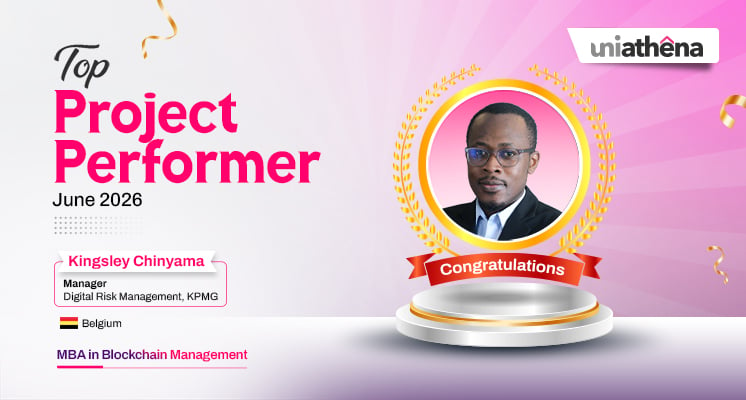
🌟 Top Project Performer – June 2026 🌟
Read More
1
mins read


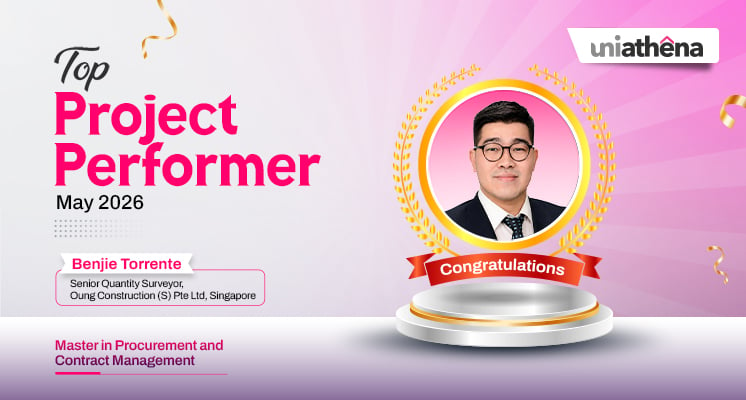
🌟 Top Project Performer – May 2026 🌟
Read More
1
mins read

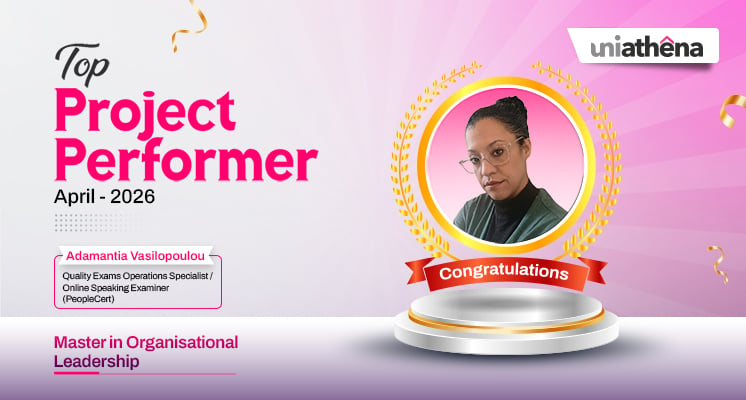
🌟 Top Project Performer – April 2026 🌟
Read More
1
mins read

🌟 Top Project Performer – June 2026 🌟
Read more
1
mins read
🌟 Top Project Performer – May 2026 🌟
Read more
1
mins read

🌟 Top Project Performer – April 2026 🌟
Read more
1
mins read
Get in Touch

It’s Time to Start
Join NowMost Popular Online Specialization
- Master of International Business Administration
- Master of Business Administration
- MBA in General Management- FastTrack
- Master in Innovation and Entrepreneurship
- MBA-Family Business Management
- Master in Procurement and Contract Management
- Extended Diploma in Business Analytics (SCQF Level 11)
- Diploma in Supply Chain and Logistics Management (SCQF Level 11)
- Strategic Human Resource Management Practitioner
- Master in Data Science
- Master in Engineering Management
Trending Online
- Integrated Doctorate of Business Administration
- Postgraduate Certificate in Finance for Next Generation Managers
- Master of Business Administration- General Management (Fast Track)
- Postgraduate Certificate in Socio-Economic and Legal Framework
- Postgraduate Certificate in Business Sustainability
- Certified Manager
- Supply Chain Management Practitioner
- MBA - AI in Business
- MBA - Accounting & Finance
- Master in Supply Chain and Logistics Management
Top Universities Online Certificates
- Postgraduate Certificate in International Marketing Management
- Postgraduate Certificate In International Human Resource Management
- Postgraduate Certificate in Strategic Management
- Postgraduate Certificate in Procurement & Contracts Management
- Postgraduate Certificate in Business Analytics
- Postgraduate Certificate in Strategic Supply Chain & Logistics Management
- Postgraduate Certificate in Human Resource and Leadership
- Project Management Practitioner
- Postgraduate Certificate in Supply Chain Design & Implementation
- Postgraduate Certificate in Management Accounting and Finance
Accredited Online Degree Program
- MBA - Digital Transformation
- MBA - Family Business Management
- MBA - Marketing Management
- MBA in Quality Management
- MBA - Business Intelligence & Data Analytics
- MBA in Operations & Project Management
- MBA in Energy Management
- MBA In Construction & Safety Management
- Master in Organisational Leadership
- Master in Public Health
- Master in Construction Management
- Bachelor of Arts in Business Administration


 Install Now


UniAthena is an Ed-Tech, offering flexible, affordable learning solutions, including Free-Learning Upskilling Courses and Academic Programs in partnerships with accredited and globally renowned universities and professional qualification bodies.


Do you have any questions ?
Feel free to send us your questions or request a free consultation
Send a message
UK
Athena Global Education
Magdalen Centre,
Robert Robinson Avenue,
Oxford, OX4 4GA, UK
Phone : 01865 784299
MIDDLE EAST
Athena Global Education FZE
Block L-03, First Floor,
P O Box 519265, Sharjah Publishing City,
Free Zone, Sharjah, UAE
Phone : +971 55 879 5492
INDIA
Uniathena Private Limited
9A,Midas Tower
Phase 1
Hinjewadi Rajiv Gandhi Infotech Park
Pune-411057
Phone: +91 9145665544
All Copyrights Reserved @ Athena Global Education 2021-2026