-

Bachelor's

-

Masters
-

MBA
-

Doctorate
-

Micro Credit
-

Explore all Courses
-
Postgraduate Certifications

-
Postgraduate Diploma
-
Undergraduate Diploma
-
Diploma



How AI and IoT Are Transforming Workplace Safety Management
Author: urvi malusare
|6
MINS READ
| 0
| 117
Created On: 23 April, 2026
Share




Table of Contents (TOC):
- Key Takeaways
- Impact of AI in the Workplace
- AI for Workplace Safety
- Workplace Safety Management With IoT
- How AI and IoT Work Together To Improve Workplace Safety
- Conclusion
- FAQs
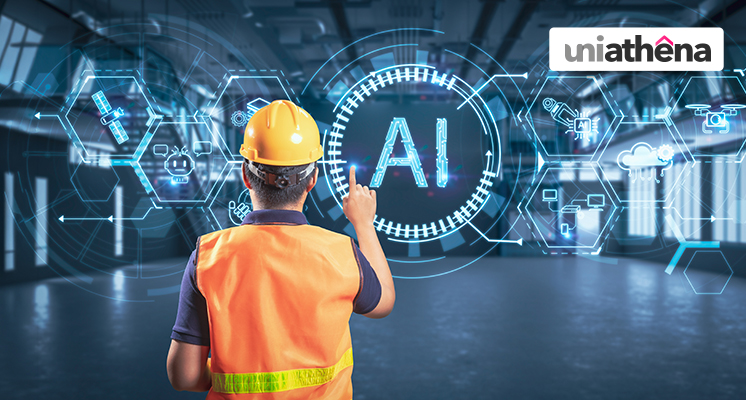
For decades, workplace safety has been a reaction to workplace hazards. Safety rules are only put in place after a disaster happens. But the introduction of AI and workplace IoT is changing this scene. AI for workplace safety is not just a trend; it’s here to stay.
Key Takeaways:
- AI adoption in the workplace reduces human errors and improves efficiency. In terms of safety, it helps safety managers establish safety protocols before a disaster can happen.
- AI sensors can help detect early signs of smoke, trigger an emergency stop in heavy machinery, and send real-time updates to safety systems.
- The adoption of IoT has resulted in IoT sensors being added to equipment as well as wearable devices. This helps monitor real-time movement and changes in a person’s well-being, as well as sudden changes in the functioning of the equipment.
- AI and IoT help improve industrial safety measures by providing real-time data using sensors on wearable devices, improving emergency response via AI analysis, predicting maintenance time, and more.
Impact of AI in Workplace
First, let’s understand how AI adoption is changing the workplace. The impact of AI in the workplace is not limited to safety management. AI is used in decision-making, problem-solving, and automation of mundane tasks. This not only makes the jobs of humans easier but also minimizes human errors and improves efficiency.
For professionals, having an understanding of AI can be valuable. UniAthena’s Diploma in Artificial Intelligence can be a great place to start. It will help you understand how AI can be used in different areas in the workplace and how it can help solve problems. You will learn about the various AI models, frameworks, algorithms, and more.
AI for Workplace Safety
AI for workplace safety has been a game-changer since safety managers no longer have to wait for a disaster to happen to establish safety protocols. Artificial Intelligence and workplace IoT can predict hazards before they happen. This creates an overall safe working environment and changes the way we carry out workplace safety management.
Some examples of AI in occupational health and safety include:
- Using AI sensors to detect the earliest sign of smoke or fire.
- AI sensors that trigger emergency stops in heavy machinery.
- Using AI to analyse historic audits to find recurring patterns.
- Real-time images of the workplace can be scanned with AI to complete an inspection.
- Predictive safety analytics can be used to prevent future incidents.
Workplace Safety Management With IoT
Apart from AI adoption, the adoption of IoT is also changing how we handle safety in the workplace. IoT, also known as Internet of Things, is a network of objects with sensors that share data with each other over the internet.
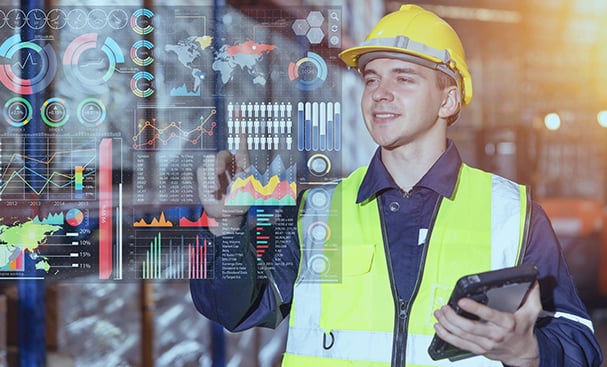
The way it is used in industrial safety measures is by connecting smart devices with sensors in them to safety systems and tracking real-time movements to ensure there are no discrepancies. The most common IoT devices introduced are smart helmets, wearable sensors and monitors, environmental sensors, and more. These devices are connected via WiFi or Bluetooth and share data with one common monitoring device.
A great example of an IoT device is a wearable arm band with sensors in it. This arm-band detects heart rate and body temperature, and in case of an elevated heart rate or sudden change in temperature, it will send an alert.
IoT and AI are a huge part of the new Industrial Revolution. If you want to be prepared for the Industrial Revolution 4.0, knowledge of these technologies is essential.
How AI and IoT Work Together To Improve Workplace Safety
Here are some ways occupational health and safety are being transformed by AI and IoT:
Hazard Detection Using Real-Time Data
IoT sensors are used in the workplace to track real-time anomalies such as temperature fluctuations, smoke detection, chemical leaks, and more. AI is used to analyze patterns and send alerts for potential threats and hazards.
Wearable Technologies
Wearable workplace IoT devices track workers' heart rate, temperature, and movement. Early signs of distress can be detected, and AI analysis is then conducted to ensure the best measures are taken for safety.
Emergency Response Systems Powered by AI
In case of an emergency, AI-powered workplace safety management systems can scan the area for safer routes. It can also help address priority threats first and get immediate attention to those in need.
Predictive Maintenance
IoT sensors and AI can work in tandem with each other to enhance predictive safety analysis. These sensors can detect defects in systems or equipment, and AI analysis can help predict the timeline for maintenance.
Smart Building Management
AI adoption can help make buildings more energy efficient. IoT-enabled systems can detect leaks and help take quick action to preserve resources like water. This can help make the building management process more efficient and cost-effective.
Access Control and Surveillance
One huge benefit of AI in the workplace is its use in security. AI-powered security systems that recognize faces or thumbprints can help better control access to restricted areas. AI in surveillance systems can alert security teams regarding unusual activity. This will reduce the risks of theft or security breaches.
If you work in occupational health and safety and want to make the most of the new technologies, you need to be updated on AI and IoT. An MBA Essentials with Artificial Intelligence free course can help you gain fundamental knowledge of AI, as well as gain some leadership skills. The mini MBA certification will be provided by AUPD.
It covers the following topics:
- Marketing Concepts and Strategies
- Strategic Human Resource Management
- Leadership Fundamentals & Approaches
- Change Management Fundamentals
- Operation Management
- Quality Management
- Six Sigma and MIS
- Supply Chain Management
- Financial Statement and Budgeting
- Ratio Analysis and Capital Budgeting
- Scope of Artificial Intelligence
- Artificial Intelligence Methodologies
- Problem Solving & Knowledge Representation
- Artificial Intelligence Learning
Also Read: What's New in OSHA? Current Trends and Priorities in Workplace Safety
Conclusion
IoT and AI in safety management are making workplaces safer and more efficient. These technologies are able to predict hazards before they occur, helping safety managers take preventive measures to stop damage to property or people.
UniAthena offers plenty of safety courses and AI courses that can help you better understand these fields. Whether you are a safety officer looking for AI skills or an AI professional looking to enter the safety field, these courses can help you. Explore UniAthena for more information.
FAQs
Q1. How is AI used in workplace safety?
A: AI can help monitor spills, leaks, cracks, and analyse the damage before it happens. When addressed on time, this could prevent huge accidents from taking place.
Q2. How can IoT improve safety and security?
A: IoT sensors can be added to equipment for faster detection. These sensors can also monitor environmental factors to alert the teams on-site of sudden changes in the environment or temperatures.
Q3. What is the main purpose of the OHSMS?
A: The main purpose of OHSMS is to prevent workplace injuries and illnesses. It helps create safer environments for employees as well as visitors. Proper OHSMS detects hazards and dangers immediately and alerts the team responsible for addressing them.
Explore Related Courses






COMMENTS(0)
Explore Related Courses
Our Popular Insights
Careers are shifting faster than ever, and staying relevant takes more than experience. Explore UniAthena’s most-read blogs for sharp insights, emerging skills, and practical pathways that help you move forward with clarity and confidence in a changing professional world.

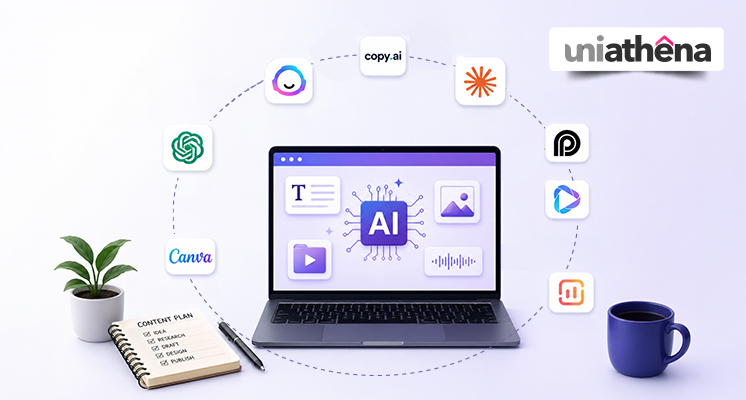
Best AI Tools for Content Creation
Read More
9
mins read

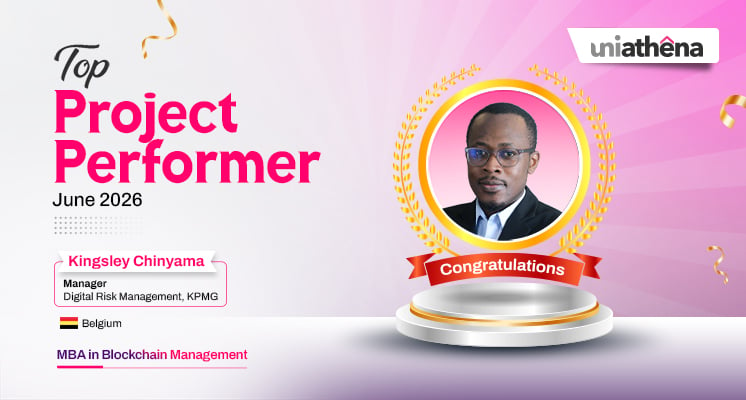
🌟 Top Project Performer – June 2026 🌟
Read More
1
mins read


🌟 Top Project Performer – May 2026 🌟
Read More
1
mins read


Best AI Tools for Content Creation
Read more
9
mins read
🌟 Top Project Performer – June 2026 🌟
Read more
1
mins read
🌟 Top Project Performer – May 2026 🌟
Read more
1
mins read
Get in Touch

It’s Time to Start
Join NowMost Popular Online Specialization
- Master of International Business Administration
- Master of Business Administration
- MBA in General Management- FastTrack
- Master in Innovation and Entrepreneurship
- MBA-Family Business Management
- Master in Procurement and Contract Management
- Extended Diploma in Business Analytics (SCQF Level 11)
- Diploma in Supply Chain and Logistics Management (SCQF Level 11)
- Strategic Human Resource Management Practitioner
- Master in Data Science
- Master in Engineering Management
Trending Online
- Integrated Doctorate of Business Administration
- Postgraduate Certificate in Finance for Next Generation Managers
- Master of Business Administration- General Management (Fast Track)
- Postgraduate Certificate in Socio-Economic and Legal Framework
- Postgraduate Certificate in Business Sustainability
- Certified Manager
- Supply Chain Management Practitioner
- MBA - AI in Business
- MBA - Accounting & Finance
- Master in Supply Chain and Logistics Management
Top Universities Online Certificates
- Postgraduate Certificate in International Marketing Management
- Postgraduate Certificate In International Human Resource Management
- Postgraduate Certificate in Strategic Management
- Postgraduate Certificate in Procurement & Contracts Management
- Postgraduate Certificate in Business Analytics
- Postgraduate Certificate in Strategic Supply Chain & Logistics Management
- Postgraduate Certificate in Human Resource and Leadership
- Project Management Practitioner
- Postgraduate Certificate in Supply Chain Design & Implementation
- Postgraduate Certificate in Management Accounting and Finance
Accredited Online Degree Program
- MBA - Digital Transformation
- MBA - Family Business Management
- MBA - Marketing Management
- MBA in Quality Management
- MBA - Business Intelligence & Data Analytics
- MBA in Operations & Project Management
- MBA in Energy Management
- MBA In Construction & Safety Management
- Master in Organisational Leadership
- Master in Public Health
- Master in Construction Management
- Bachelor of Arts in Business Administration


 Install Now


UniAthena is an Ed-Tech, offering flexible, affordable learning solutions, including Free-Learning Upskilling Courses and Academic Programs in partnerships with accredited and globally renowned universities and professional qualification bodies.


Do you have any questions ?
Feel free to send us your questions or request a free consultation
Send a message
UK
Athena Global Education
Magdalen Centre,
Robert Robinson Avenue,
Oxford, OX4 4GA, UK
Phone : 01865 784299
MIDDLE EAST
Athena Global Education FZE
Block L-03, First Floor,
P O Box 519265, Sharjah Publishing City,
Free Zone, Sharjah, UAE
Phone : +971 55 879 5492
INDIA
Uniathena Private Limited
9A,Midas Tower
Phase 1
Hinjewadi Rajiv Gandhi Infotech Park
Pune-411057
Phone: +91 9145665544
All Copyrights Reserved @ Athena Global Education 2021-2026