-

Bachelor's

-

Masters
-

MBA
-

Doctorate
-

Micro Credit
-

Explore all Courses
-
Postgraduate Certifications

-
Postgraduate Diploma
-
Undergraduate Diploma
-
Diploma



What Is Psychology? Types & Importance of Psychology in Modern Life

Author: aishwarya sancheti
|5
MINS READ
| 0
| 1,773
Created On: 03 November, 2025
Share




Table of Contents (TOC):
- Introduction
- Key Takeaways
- Categories and Sectors of Psychology
- The Significance of Psychology in Today's World
- Enhancing Personal Well-being and Mental Health
- Improving Decision-Making and Organizational Performance
- Fostering Better Social and Community Outcomes
- Psychology Trends Shaping Today’s Generation
- Conclusion
- FAQ
Introduction
Psychology is the scientific discipline that investigates the mind and behavior. It is a comprehensive and evolving area that tries to fathom the intricacies of human experience, along with the ways in which people think, feel, act, and relate.
Psychology is a science, and therefore, it employs rigorous methods of observation, experimentation, and analysis to study phenomena such as the biological source of emotion and the social dynamics of groups.
Key Takeaways:
- Psychology is the scientific study of mind and behavior, bridging theory and practice.
- Major branches of psychology include clinical, cognitive, developmental, social, organizational, and forensic psychology.
- Psychology enhances personal well-being, informs decision-making, and improves social outcomes.
- Online psychology courses and short courses provide accessible ways to learn and apply psychology.
- Knowledge of human behavior in psychology is essential for personal, professional, and societal growth.
Categories and Sectors of Psychology
Psychology, a Highly Diversified field, is made up of various branches offering specialized focus on different areas of human and animal life.
It's still one area of study, but several specific fields light it up:
1. Clinical Psychology:
Concentrates on diagnosing and treating mental, emotional, and behavioral issues and disorders such as depression and anxiety. This is, in fact, the picture that most people make of a psychologist.
2. Cognitive Psychology:
Attends memory, thinking, problem-solving, language, and decision-making as mental processes of the mind. This area aims to unveil the working principles of the brain.
3. Developmental Psychology:
Observes the changes people undergo and the reasons: infants, children, adults, and old people, with their learning and personality development being the focus.
4. Social Psychology:
Investigates the extent to which an individual’s thoughts, feelings, and behavior are influenced by others and the social environment. It looks into issues like conformity, influence, and discrimination.
5. Organizational/Industrial Psychology (O/I):
Merges psychological theories and research techniques with the workplace to enhance productivity, employee satisfaction, and organizational structure (as in the suggested course: Basics of Managerial Psychology or Diploma in Managerial Psychology).
6. Forensic Psychology:
Employs psychological principles in the legal and judicial system, often with the involvement of criminal profiling.
The Significance of Psychology in Today's World
Psychology is one of the most important cornerstones of modern-day society, as its revelations and theories could be applied to almost all aspects of human life. It is not just a matter for intellectuals anymore, but rather a powerful medium for living, cohabiting, and, most importantly, understanding humanity.
1. Enhancing Personal Well-being and Mental Health
The most immediate area in which psychological influence is felt is mental health. Therapists and psychologists work with their clients to develop ways of self-regulation and coping, thus increasing awareness.
Stress management, enhancing one's emotional intelligence, and living a quality life are some of the many areas where psychology is an ally. The knowledge of the psychology of human behavior is the very first step in self-development and, hence, a stronger relationship with others.
2. Improving Decision-Making and Organizational Performance
Cognitive psychology throws light on how we process information and subsequently make choices. This valuable information is necessary for:
Business:
Industrial/Organizational psychology, as taught in psychological courses like Essentials of Practical Psychology, empowers businesses by giving insights into employee motivation, the dynamics of teams, and the methods of effective management. Knowledge of even the simplest concepts of psychology and human behavior can speak volumes for leaders' transformations.
Education:
Psychology plays a major role in the construction of effective teaching methods and also helps teachers understand the varied learning needs of the students.
Personal Life:
Human beings' learning about cognitive biases allows one to make more reasonable and informed decisions.
3. Fostering Better Social and Community Outcomes
Social psychology breaks human phenomena down into aspects like bias, conformity, and conflicts, and thus helps to formulate theories and hypotheses.
Programs such as Basics of Psychology - Approaches & Methodology are ideal for understanding the fundamental ideas, the historical viewpoints, and the techniques of research.
Psychology Trends Shaping Today’s Generation
In the modern, fast-paced, digital-first world, understanding human behavior is more important than ever. Modern learners and professionals are increasingly drawn to psychology online courses and short courses that focus on mental well-being, emotional intelligence, and stress management.
With rising awareness around mental health, people are seeking practical ways to apply psychology in decision-making and daily life rather than just studying theory.
Digital behavior and social interactions have made social and cognitive psychology highly relevant. From understanding online behavior to improving productivity, these insights are being applied in workplaces, education, and personal development. Learners are exploring psychology certificate programs, online psychology programs, and free online courses to gain skills that are both career-oriented and personally transformative.
This shift reflects a new generation’s demand for actionable, applicable knowledge. By studying types of psychology and focusing on the importance of psychology in everyday life, individuals can better understand themselves, relate to others, and make informed decisions that enhance both personal growth and professional success.
In fact, modern consumer psychology reveals fascinating insights into how emotions drive choices, especially in digital spaces. For instance, concepts like scarcity and FOMO (fear of missing out) often influence buying behavior.
Read more in our related blog: The Psychology of Scarcity: Understanding FOMO and Buying Behavior
Conclusion
Psychology is a versatile field combining science with real-world applications. Understanding the types of psychology, its importance, and pursuing psychology online courses or short courses can enhance personal well-being, improve decision-making in psychology, and open diverse career opportunities in psychology.
Take the first step toward understanding the human mind with flexible psychology courses online, designed to help you grow personally and professionally.
FAQs:
Q1: What is the main focus of psychology?
A: Understanding how humans think, feel, and act, and applying this knowledge to improve life and work.
Q2: Can I study psychology online for career advancement?
A: Yes, you can explore psychology online courses, certificate programs, and short courses for skill development.
Q3: Which branch of psychology is most applied in workplaces?
A: Organizational/Industrial Psychology improves productivity, employee engagement, and leadership efficiency.
Q4: How can psychology improve decision-making?
A: By understanding cognitive biases, human behavior, and social influences, individuals make more informed and rational choices.
Q5: What are the career paths in psychology?
A: Careers include clinical psychologist, counselor, organizational consultant, forensic psychologist, educator, and researcher.
Explore Related Courses








.jpg)





COMMENTS(0)
Explore Related Courses
Our Popular Insights
Careers are shifting faster than ever, and staying relevant takes more than experience. Explore UniAthena’s most-read blogs for sharp insights, emerging skills, and practical pathways that help you move forward with clarity and confidence in a changing professional world.



🌟 Top Project Performer – June 2026 🌟
Read More
1
mins read



🌟 Top Project Performer – May 2026 🌟
Read More
1
mins read

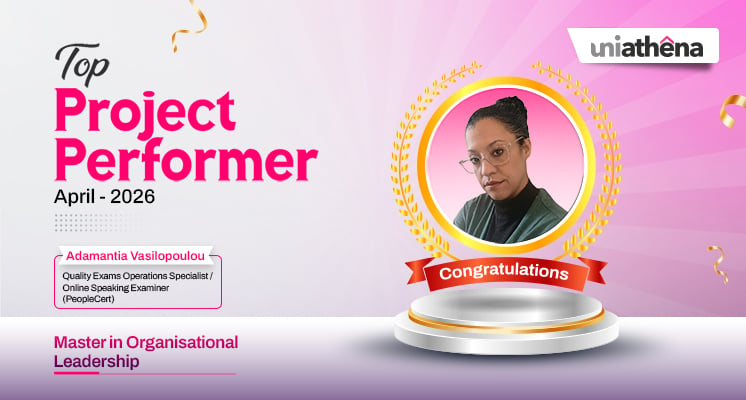
🌟 Top Project Performer – April 2026 🌟
Read More
1
mins read
🌟 Top Project Performer – June 2026 🌟
Read more
1
mins read
🌟 Top Project Performer – May 2026 🌟
Read more
1
mins read
🌟 Top Project Performer – April 2026 🌟
Read more
1
mins read
Get in Touch

It’s Time to Start
Join NowMost Popular Online Specialization
- Master of International Business Administration
- Master of Business Administration
- MBA in General Management- FastTrack
- Master in Innovation and Entrepreneurship
- MBA-Family Business Management
- Master in Procurement and Contract Management
- Extended Diploma in Business Analytics (SCQF Level 11)
- Diploma in Supply Chain and Logistics Management (SCQF Level 11)
- Strategic Human Resource Management Practitioner
- Master in Data Science
- Master in Engineering Management
Trending Online
- Integrated Doctorate of Business Administration
- Postgraduate Certificate in Finance for Next Generation Managers
- Master of Business Administration- General Management (Fast Track)
- Postgraduate Certificate in Socio-Economic and Legal Framework
- Postgraduate Certificate in Business Sustainability
- Certified Manager
- Supply Chain Management Practitioner
- MBA - AI in Business
- MBA - Accounting & Finance
- Master in Supply Chain and Logistics Management
Top Universities Online Certificates
- Postgraduate Certificate in International Marketing Management
- Postgraduate Certificate In International Human Resource Management
- Postgraduate Certificate in Strategic Management
- Postgraduate Certificate in Procurement & Contracts Management
- Postgraduate Certificate in Business Analytics
- Postgraduate Certificate in Strategic Supply Chain & Logistics Management
- Postgraduate Certificate in Human Resource and Leadership
- Project Management Practitioner
- Postgraduate Certificate in Supply Chain Design & Implementation
- Postgraduate Certificate in Management Accounting and Finance
Accredited Online Degree Program
- MBA - Digital Transformation
- MBA - Family Business Management
- MBA - Marketing Management
- MBA in Quality Management
- MBA - Business Intelligence & Data Analytics
- MBA in Operations & Project Management
- MBA in Energy Management
- MBA In Construction & Safety Management
- Master in Organisational Leadership
- Master in Public Health
- Master in Construction Management
- Bachelor of Arts in Business Administration


 Install Now


UniAthena is an Ed-Tech, offering flexible, affordable learning solutions, including Free-Learning Upskilling Courses and Academic Programs in partnerships with accredited and globally renowned universities and professional qualification bodies.


Do you have any questions ?
Feel free to send us your questions or request a free consultation
Send a message
UK
Athena Global Education
Magdalen Centre,
Robert Robinson Avenue,
Oxford, OX4 4GA, UK
Phone : 01865 784299
MIDDLE EAST
Athena Global Education FZE
Block L-03, First Floor,
P O Box 519265, Sharjah Publishing City,
Free Zone, Sharjah, UAE
Phone : +971 55 879 5492
INDIA
Uniathena Private Limited
9A,Midas Tower
Phase 1
Hinjewadi Rajiv Gandhi Infotech Park
Pune-411057
Phone: +91 9145665544
All Copyrights Reserved @ Athena Global Education 2021-2026