-

Bachelor's

-

Masters
-

MBA
-

Doctorate
-

Micro Credit
-

Explore all Courses
-
Postgraduate Certifications

-
Postgraduate Diploma
-
Undergraduate Diploma
-
Diploma



From Morning to Night: 10 Ways AI Is Part of Your Daily Routine
Author: priyanka chatterjee
|5
MINS READ
| 0
| 830
Created On: 26 March, 2026
Share




Table of Contents (TOC):
- What is Artificial Intelligence?
- Types of Artificial Intelligence
- 10 Uses of Artificial Intelligence in Daily Life
- Understanding the Trade-Offs of AI in Daily Life
- What Will AI Be Used for in the Future?
- Conclusion
Imagine that when you wake up in the morning, your phone already knows the quickest way to get to work, your email filters out spam automatically, and a voice assistant plays your preferred music without manual input. All of this is not magic. It reflects the growing integration of artificial intelligence (AI) into everyday decision-making systems.
From smartphones to hospitals, AI is transforming how we live, learn, and work. What was once considered experimental technology is now embedded in daily routines. Understanding how these systems function and their real-world impact is increasingly important for both professionals and learners.
In this article, we explore what artificial intelligence is, how it functions in daily life, and the 10 most significant applications of AI across industries, with a focus on how these applications create measurable impact and influence future skills.
What is Artificial Intelligence?
The ability of machines or computer systems to mimic aspects of human intelligence is known as artificial intelligence (AI). These systems can learn from data, identify patterns, make decisions, and improve over time.
At a technical level, most AI systems rely on machine learning models that process large datasets to identify statistical relationships and generate predictions or classifications.
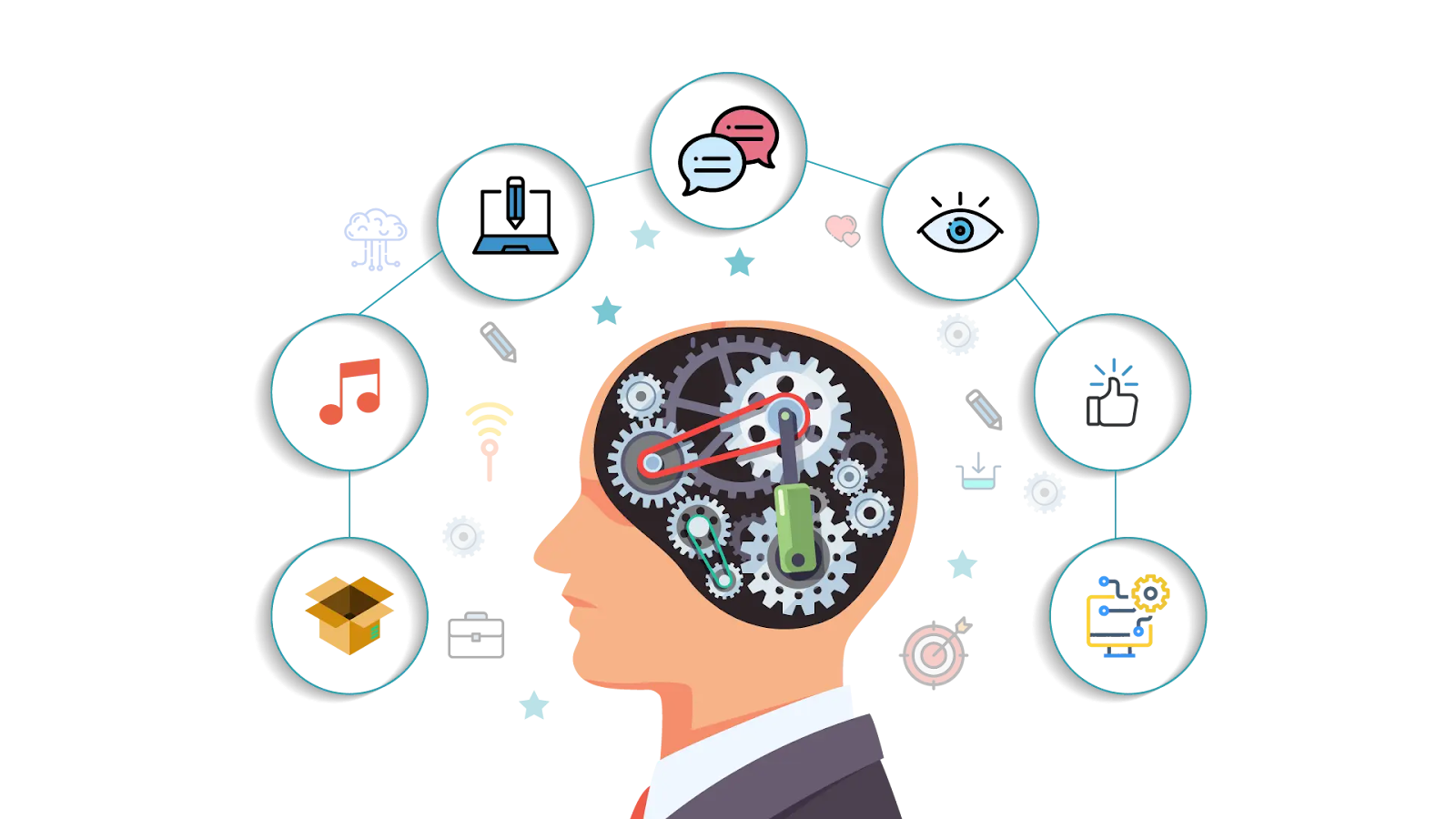
Many everyday tools, from medical diagnostics to recommendation engines, are powered by these systems.
Types of Artificial Intelligence
Understanding the types of artificial intelligence helps explain how AI is used in different sectors.
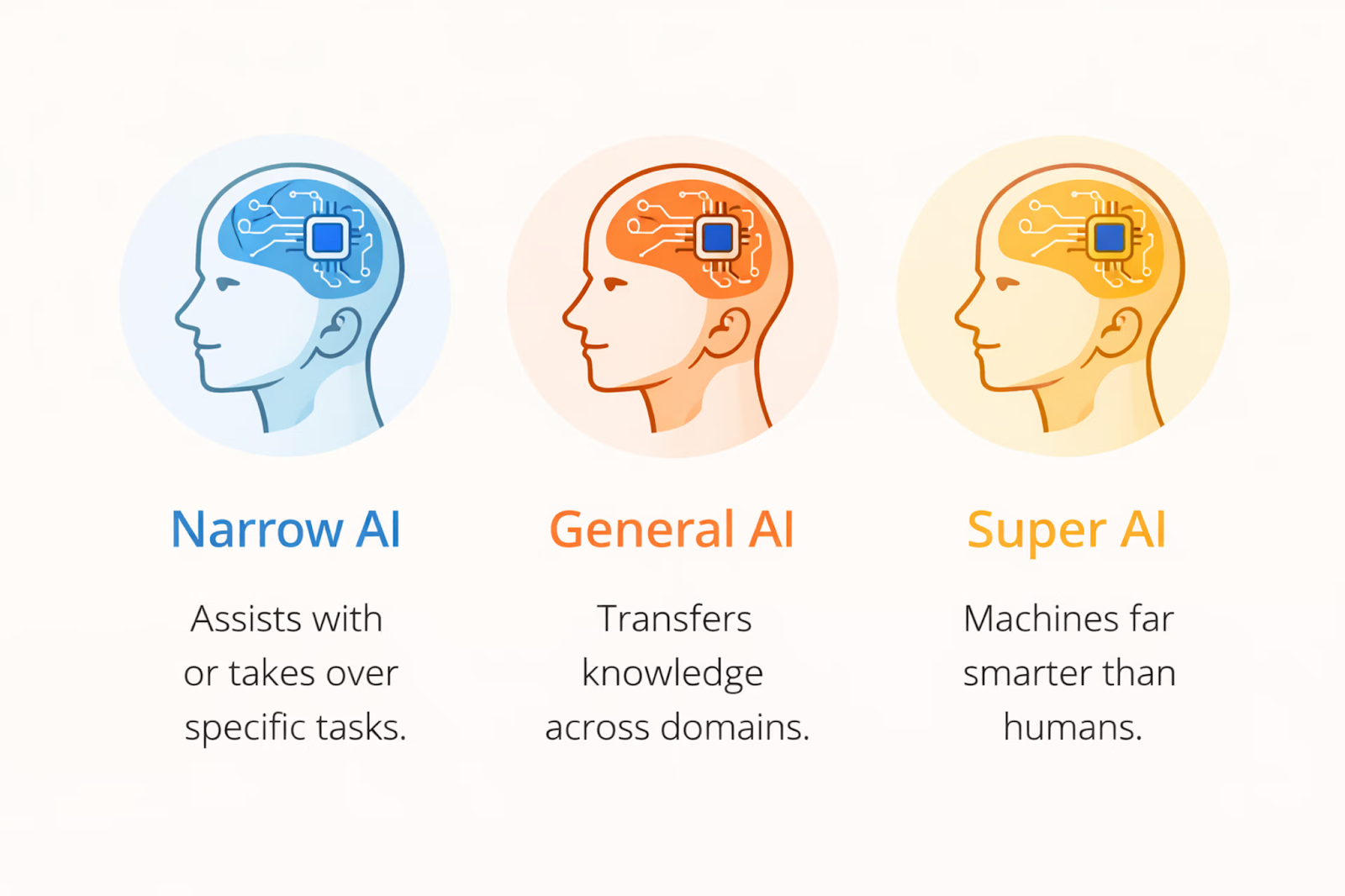
1. Narrow AI (Weak AI)
This type of AI is designed for specific tasks such as recommendation systems, image recognition, or voice assistants. Most current AI applications fall into this category.
2. General AI
General AI refers to systems capable of performing any intellectual task that a human can. This remains largely theoretical.
3. Super AI
Super AI represents a future stage where machines may surpass human capabilities in reasoning and creativity. Research in this area is ongoing.
10 Uses of Artificial Intelligence in Daily Life
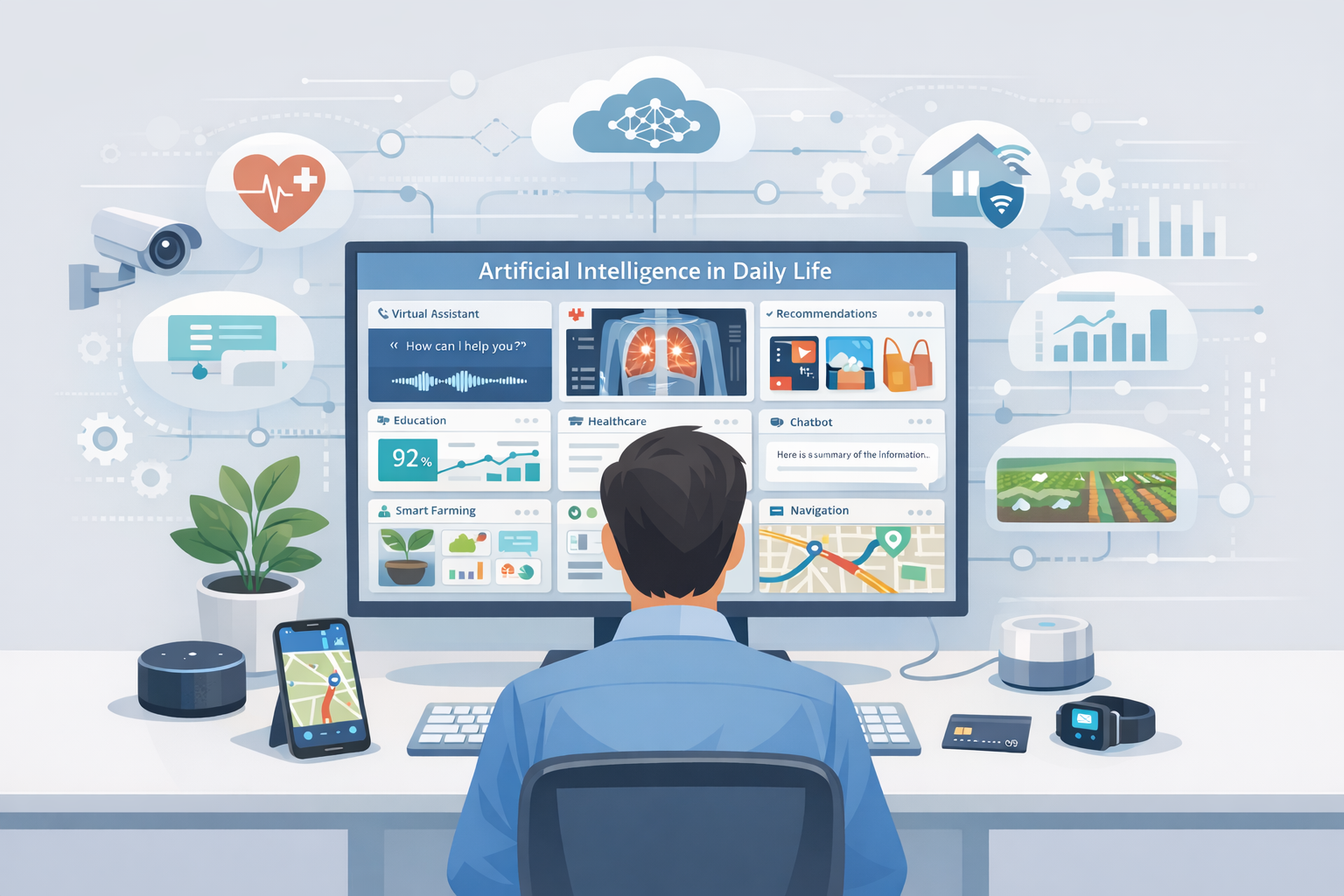
Artificial intelligence is no longer limited to technical environments. Below are ten applications, with expanded insight into how they function and why they matter.
1. Smart Virtual Assistants
AI-powered assistants like Siri, Alexa, and Google Assistant process voice inputs using natural language processing models.
These systems combine speech recognition, contextual understanding, and user behavior data to provide personalized responses, making them increasingly adaptive over time.
Why it matters: These systems are gradually moving from reactive tools to more context-aware assistants that can anticipate user needs over time.
2. AI in Healthcare
AI systems analyze medical images using deep learning models trained on large datasets.
This enables faster detection of conditions such as tumors, often improving diagnostic speed and supporting early intervention, which can directly impact patient outcomes.
Why it matters: Faster analysis can support earlier detection, which is often critical in improving treatment outcomes.
3. Personalized Recommendations
Streaming and e-commerce platforms use AI algorithms to analyze user behavior and preferences.
These systems continuously learn from interactions, improving accuracy and increasing user engagement, which has direct business implications such as higher retention and conversion rates.
Why it matters: These systems shape user choices and significantly influence engagement and purchasing behavior.
4. AI in Education
AI-powered platforms support learning through adaptive systems.
These systems adjust content difficulty, track performance, and provide targeted feedback, enabling more efficient learning pathways compared to static educational models.
Why it matters: Adaptive learning reduces inefficiencies by focusing attention where it is needed most.
5. AI Tools for Students and Knowledge Work
AI tools such as ChatGPT assist with research, summarization, and writing.
These tools function by generating context-based responses using language models, helping users process information faster and improve productivity in academic and professional tasks.
Why it matters: They reduce time spent on routine tasks, allowing users to focus more on critical thinking and analysis.
6. AI in Agriculture
AI systems monitor crops using sensors, drones, and predictive analytics.
By analyzing soil data, weather patterns, and crop health, these systems help optimize yield while reducing resource waste, contributing to more sustainable farming practices.
Why it matters: Better predictions lead to improved yield while conserving resources.
7. Navigation and Traffic Prediction
AI-powered navigation systems analyze real-time traffic data and historical patterns.
This allows dynamic route optimization, reducing travel time, fuel consumption, and congestion at scale.
Why it matters: Efficient routing reduces travel time, fuel usage, and congestion.
8. AI in Business Operations
AI is widely used in business decision-making processes.
It processes large datasets to identify trends, automate workflows, and support strategic decisions, improving operational efficiency and reducing manual effort.
Why it matters: It enables faster, more informed decisions that can improve operational efficiency.
9. Smart Home Automation
AI-enabled devices learn user preferences over time.
These systems use pattern recognition to automate lighting, temperature, and security settings, improving convenience while optimizing energy usage.
Why it matters: These systems improve convenience while also supporting energy efficiency.
10. Fraud Detection in Banking
AI models analyze transaction patterns to detect anomalies.
By identifying unusual behavior in real time, these systems help reduce financial fraud and improve security across digital transactions.
Why it matters: Real-time detection helps prevent financial losses and enhances security.
Also Read: AI Isn’t Just Assisting Anymore. It’s Working as an Agent
Understanding the Trade-Offs of AI in Daily Life
While AI offers many benefits, several challenges must be considered.
Automation may replace certain repetitive roles, raising concerns about job displacement. Privacy and data security are also critical issues, as AI systems rely on large volumes of personal data.
Additionally, excessive reliance on AI systems may reduce human critical thinking in decision-heavy environments.
What Will AI Be Used for in the Future?
AI applications are expanding across industries.
Future developments are expected in areas such as autonomous systems, precision healthcare, climate modelling, and advanced robotics. These changes will not only improve efficiency but also redefine job roles and required skill sets.
As AI becomes more integrated into daily life, AI literacy and the ability to work alongside intelligent systems will become essential professional skills.
Also Read: What Jobs Will AI Replace & Which Careers Are Safe?
Conclusion
Artificial intelligence is no longer a theoretical concept. It is embedded in everyday life across industries such as healthcare, education, agriculture, and business.
Understanding these applications helps individuals and organizations prepare for a future where AI plays a central role in decision-making and operations.
Beyond awareness, developing the ability to interpret, evaluate, and work with AI systems will be a key differentiator in modern careers.
When used responsibly, AI can improve productivity, enhance decision-making, and support more efficient systems across daily life and professional environments.
References:
- https://www.edureka.co/blog/what-is-artificial-intelligence
- https://www.investopedia.com/terms/a/artificial-intelligence-ai.asp
- https://www.analytixlabs.co.in/blog/applications-of-artificial-intelligence/
- https://clay.global/blog/ai-guide/main-types-of-artificial-intelligence
- https://futureskillsacademy.com/blog/narrow-ai-vs-general-ai-vs-super-ai/
- https://collegevidya.com/blog/advantages-disadvantages-of-artificial-intelligence-pros-cons/
- https://viitorcloud.com/blog/advantages-and-disadvantages-of-ai/
- https://techvidvan.com/tutorials/artificial-intelligence-applications/
- https://www.techspian.com/blog/10-ways-artificial-intelligence-is-changing-your-daily-life-discover-how/
Explore Related Courses









COMMENTS(0)
Explore Related Courses
Our Popular Insights
Careers are shifting faster than ever, and staying relevant takes more than experience. Explore UniAthena’s most-read blogs for sharp insights, emerging skills, and practical pathways that help you move forward with clarity and confidence in a changing professional world.

Best AI Tools for Content Creation
Read More
9
mins read


🌟 Top Project Performer – June 2026 🌟
Read More
1
mins read



🌟 Top Project Performer – May 2026 🌟
Read More
1
mins read


Best AI Tools for Content Creation
Read more
9
mins read
🌟 Top Project Performer – June 2026 🌟
Read more
1
mins read
🌟 Top Project Performer – May 2026 🌟
Read more
1
mins read
Get in Touch

It’s Time to Start
Join NowMost Popular Online Specialization
- Master of International Business Administration
- Master of Business Administration
- MBA in General Management- FastTrack
- Master in Innovation and Entrepreneurship
- MBA-Family Business Management
- Master in Procurement and Contract Management
- Extended Diploma in Business Analytics (SCQF Level 11)
- Diploma in Supply Chain and Logistics Management (SCQF Level 11)
- Strategic Human Resource Management Practitioner
- Master in Data Science
- Master in Engineering Management
Trending Online
- Integrated Doctorate of Business Administration
- Postgraduate Certificate in Finance for Next Generation Managers
- Master of Business Administration- General Management (Fast Track)
- Postgraduate Certificate in Socio-Economic and Legal Framework
- Postgraduate Certificate in Business Sustainability
- Certified Manager
- Supply Chain Management Practitioner
- MBA - AI in Business
- MBA - Accounting & Finance
- Master in Supply Chain and Logistics Management
Top Universities Online Certificates
- Postgraduate Certificate in International Marketing Management
- Postgraduate Certificate In International Human Resource Management
- Postgraduate Certificate in Strategic Management
- Postgraduate Certificate in Procurement & Contracts Management
- Postgraduate Certificate in Business Analytics
- Postgraduate Certificate in Strategic Supply Chain & Logistics Management
- Postgraduate Certificate in Human Resource and Leadership
- Project Management Practitioner
- Postgraduate Certificate in Supply Chain Design & Implementation
- Postgraduate Certificate in Management Accounting and Finance
Accredited Online Degree Program
- MBA - Digital Transformation
- MBA - Family Business Management
- MBA - Marketing Management
- MBA in Quality Management
- MBA - Business Intelligence & Data Analytics
- MBA in Operations & Project Management
- MBA in Energy Management
- MBA In Construction & Safety Management
- Master in Organisational Leadership
- Master in Public Health
- Master in Construction Management
- Bachelor of Arts in Business Administration


 Install Now


UniAthena is an Ed-Tech, offering flexible, affordable learning solutions, including Free-Learning Upskilling Courses and Academic Programs in partnerships with accredited and globally renowned universities and professional qualification bodies.


Do you have any questions ?
Feel free to send us your questions or request a free consultation
Send a message
UK
Athena Global Education
Magdalen Centre,
Robert Robinson Avenue,
Oxford, OX4 4GA, UK
Phone : 01865 784299
MIDDLE EAST
Athena Global Education FZE
Block L-03, First Floor,
P O Box 519265, Sharjah Publishing City,
Free Zone, Sharjah, UAE
Phone : +971 55 879 5492
INDIA
Uniathena Private Limited
9A,Midas Tower
Phase 1
Hinjewadi Rajiv Gandhi Infotech Park
Pune-411057
Phone: +91 9145665544
All Copyrights Reserved @ Athena Global Education 2021-2026