-

Bachelor's

-

Masters
-

MBA
-

Doctorate
-

Micro Credit
-

Explore all Courses
-
Postgraduate Certifications

-
Postgraduate Diploma
-
Undergraduate Diploma
-
Diploma



Safety Tips for HVAC Technicians

Author: aishwarya sancheti
|5
MINS READ
| 0
| 145
Created On: 03 July, 2025
Share




Working as an HVAC technician means mastering the art of multitasking. From electrical components to refrigerants, heights, and heavy equipment, you’re stepping into different, sometimes hidden, hazards every day.
This blog is your roadmap – starting from clear explanations for beginners and leading into smart strategies even seasoned pros will appreciate.
1. Gear Up with the Right PPE: It's Non-Negotiable
First things first, your gear is your shield. Maybe you’re starting out and thinking, “Do I really need all this?” Absolutely. Think of safety glasses or a face shield, which block chemical splashes or flying debris. Insulated gloves protect your hands from sharp apparatus and stray voltage. Steel-toed boots guard your feet when tools or parts drop. Ear protection and respirators? Vital when working near loud machines or with refrigerants and solvents.
Never skip PPE. It’s simple, it’s critical, and it keeps you working tomorrow and every day after.
2. Power Down Safety: Lockout/Tagout & Electrical Checks
Even small shocks can send you to the hospital, or worse. That’s why Lockout/Tagout (LOTO) procedures exist; they ensure no one accidentally re-energizes a circuit you’re working on.
Before starting, de-energize the system, lock it, tag it, and then confirm it’s dead with a reliable meter. It might feel routine, but it’s the difference between a smooth job and a life-changing mistake.
3. Handle Refrigerants & Chemicals Responsibly
Refrigerants can be dangerous. Wear chemical-resistant gloves, goggles, and respirators, and always work in well-ventilated spaces. Store refrigerants upright, secure cylinders, and follow EPA Section 608 rules. When leaks happen, contain and ventilate immediately. Over time, these cautious habits keep your lungs healthy and your license valid.
4. Climb with Confidence: Ladder, Roof & Fall Safety
From rooftop to drizzling system heights, you need more than a steady boot. Use ladders properly placed on solid ground, with 3-point contact and spotters or harnesses when needed. Don’t overreach. If it’s two feet off the ground, treat it like you’re on scaffolding: stay alert, stay anchored. Small missteps can cause broken bones or worse.
5. Start Smart- Pre-Job Awareness
Before diving in, spend a minute assessing the site. Look for tripping hazards, poor lighting, slippery spots, or low clearances, and anticipate changes as you work. If something feels off, slow down or ask for help. Awareness can often keep you safer than any gear can.
6. Use and Maintain the Right Tools
Ever grabbed a broken tool and thought “Meh. It’ll do.”? It's never worth it. Tools should be the right match for the job, insulated if working electrically, well-maintained, clean, and damage-free. Pack methodically; a neat tool bag means quicker work and fewer mistakes that lead to injury.
7. Lift with Purpose: Back-Safe Practices & Mechanical Help
Lifting heavy units every day invites strain and long-term back issues. Instead of brute force, lift with your legs, bend your knees, keep your back straight, and ask for help with awkward loads. A little thought saves a lifetime of ache.
8. Pause When You Need It: Fatigue & Heat Awareness
Chasing schedules is common, but don’t push yourself to the edge. HVAC work can sweat you out, literally, in hot attics or boiler rooms. Stay hydrated, take regular breaks, and recognize signs of exhaustion. Your best work happens when you’re rested.
9. Clean as You Go & Stay Ergonomic
Slip, trip, fall – that trio has no place on the job. Keep work areas uncluttered, wipe spills, coil hoses neatly, and mind sharp edges on coils and ducts. Pay attention to posture: tables or stools help prevent awkward reaches. In the long run, clean and posture-conscious habits protect both your body and your clients’ space.
10. Stick to Specs & Have a Safety Plan
Each HVAC model has unique quirks. Read the manual, confirm voltage, line size, and refrigerant type before touching anything.
Always know the location of safety gear, fire extinguishers, first-aid kits, and emergency exits. Preparing for problems before they happen is the hallmark of a top pro.
11. Keep Learning- Standards, Certifications & Toolbox Talks
The HVAC world keeps evolving, with new refrigerants, updated electrical rules, and fresh OSHA guidelines. Stay sharp with certifications (such as EPA Section 608), refresher training on ANSI/ASHRAE/OSHA standards, and toolbox talks. This ongoing learning helps you field smarter, safer, and more compliant, every shift.
Explore UniAthena’s free learning Basics of HVAC Systems in Buildings course to build both your technical skills and safety awareness.
Why HVAC Worker Safety is a Priority
A single mistake costs more than just time. Accidents can lead to charges, hospital visits, legal headaches, and even the possibility of leaving the trade you love. Beyond that, your family, your team, and your reputation all count on you staying sharp, not just on skill, but on safety.
When you choose safety over shortcuts, you’re choosing longevity. Every smart HVAC professional knows it’s not just work, it’s your life and future on the line.
Let’s Wrap It Up
So, if you’re headed out the door tomorrow, take a moment. Grab your PPE, walk the site before tools come out, question every shortcut, and commit to learning something new, maybe a quick OSHA refresh or a refrigerant change update.
Because when you show up safely and smartly, you’re not just installing A/C units or furnaces, you’re building trust and setting a legacy for everyone who follows in your footsteps.
Explore Related Courses









COMMENTS(0)
Explore Related Courses
Our Popular Insights
Careers are shifting faster than ever, and staying relevant takes more than experience. Explore UniAthena’s most-read blogs for sharp insights, emerging skills, and practical pathways that help you move forward with clarity and confidence in a changing professional world.


What is Business Development?
Read More
6
mins read
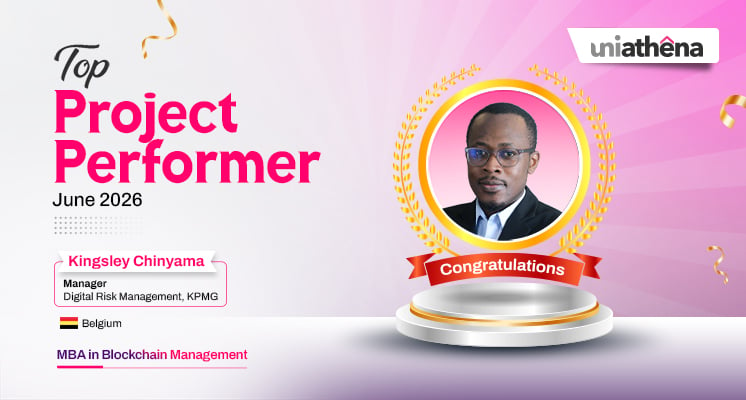
🌟 Top Project Performer – June 2026 🌟
Read More
1
mins read

What is the Role of AI in Education?
Read More
4
mins read


🌟 Top Project Performer – May 2026 🌟
Read More
1
mins read


🌟 Top Project Performer – April 2026 🌟
Read More
1
mins read
What is Business Development?
Read more
6
mins read
🌟 Top Project Performer – June 2026 🌟
Read more
1
mins read
What is the Role of AI in Education?
Read more
4
mins read
🌟 Top Project Performer – May 2026 🌟
Read more
1
mins read

🌟 Top Project Performer – April 2026 🌟
Read more
1
mins read
Get in Touch

It’s Time to Start
Join NowMost Popular Online Specialization
- Master of International Business Administration
- Master of Business Administration
- MBA in General Management- FastTrack
- Master in Innovation and Entrepreneurship
- MBA-Family Business Management
- Master in Procurement and Contract Management
- Extended Diploma in Business Analytics (SCQF Level 11)
- Diploma in Supply Chain and Logistics Management (SCQF Level 11)
- Strategic Human Resource Management Practitioner
- Master in Data Science
- Master in Engineering Management
Trending Online
- Integrated Doctorate of Business Administration
- Postgraduate Certificate in Finance for Next Generation Managers
- Master of Business Administration- General Management (Fast Track)
- Postgraduate Certificate in Socio-Economic and Legal Framework
- Postgraduate Certificate in Business Sustainability
- Certified Manager
- Supply Chain Management Practitioner
- MBA - AI in Business
- MBA - Accounting & Finance
- Master in Supply Chain and Logistics Management
Top Universities Online Certificates
- Postgraduate Certificate in International Marketing Management
- Postgraduate Certificate In International Human Resource Management
- Postgraduate Certificate in Strategic Management
- Postgraduate Certificate in Procurement & Contracts Management
- Postgraduate Certificate in Business Analytics
- Postgraduate Certificate in Strategic Supply Chain & Logistics Management
- Postgraduate Certificate in Human Resource and Leadership
- Project Management Practitioner
- Postgraduate Certificate in Supply Chain Design & Implementation
- Postgraduate Certificate in Management Accounting and Finance
Accredited Online Degree Program
- MBA - Digital Transformation
- MBA - Family Business Management
- MBA - Marketing Management
- MBA in Quality Management
- MBA - Business Intelligence & Data Analytics
- MBA in Operations & Project Management
- MBA in Energy Management
- MBA In Construction & Safety Management
- Master in Organisational Leadership
- Master in Public Health
- Master in Construction Management
- Bachelor of Arts in Business Administration


 Install Now


UniAthena is an Ed-Tech, offering flexible, affordable learning solutions, including Free-Learning Upskilling Courses and Academic Programs in partnerships with accredited and globally renowned universities and professional qualification bodies.


Do you have any questions ?
Feel free to send us your questions or request a free consultation
Send a message
UK
Athena Global Education
Magdalen Centre,
Robert Robinson Avenue,
Oxford, OX4 4GA, UK
Phone : 01865 784299
MIDDLE EAST
Athena Global Education FZE
Block L-03, First Floor,
P O Box 519265, Sharjah Publishing City,
Free Zone, Sharjah, UAE
Phone : +971 55 879 5492
INDIA
Uniathena Private Limited
9A,Midas Tower
Phase 1
Hinjewadi Rajiv Gandhi Infotech Park
Pune-411057
Phone: +91 9145665544
All Copyrights Reserved @ Athena Global Education 2021-2026