-

Bachelor's

-

Masters
-

MBA
-

Doctorate
-

Micro Credit
-

Explore all Courses
-
Postgraduate Certifications

-
Postgraduate Diploma
-
Undergraduate Diploma
-
Diploma



Overlooked Pitfalls: The Missing Ingredients for Sustainable IT Product Development

Author: prashant priyadarshi
|3
MINS READ
| 0
| 95
Created On: 11 April, 2024 Updated On: 18 July, 2025
Share




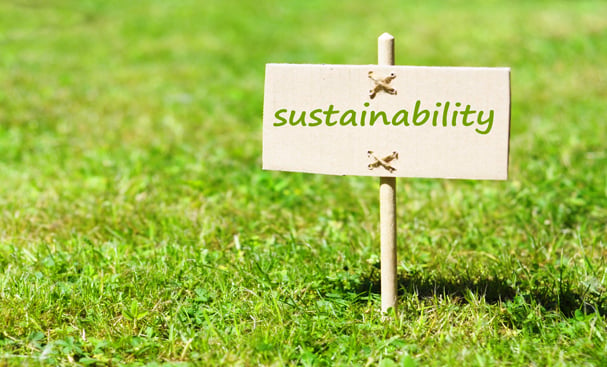
In the fast-paced world of technology, the race to develop innovative IT products is relentless. Every company wants to be the next big thing, rolling out groundbreaking solutions that promise to revolutionise the way we live and work. However, amidst the excitement and eagerness to launch, there's a crucial aspect that often gets overlooked: Sustainability.
Sustainable IT Product Development goes beyond just creating something new; it's about ensuring that what we build today doesn't become tomorrow's burden. Yet, many companies fall into common traps that can compromise the sustainability of their products. Let's delve into some of these overlooked pitfalls.
Firstly, there's the rush to market. In the competitive landscape of technology, speed is often prioritised over thoroughness. Companies are eager to release their products before their competitors, leading to shortcuts in the development process. However, this haste can result in poorly designed products with hidden flaws that only surface later, ultimately leading to higher maintenance costs and environmental impact.
Another overlooked pitfall is the lack of stakeholder involvement. Sustainable IT Product Development requires input from various stakeholders, including end-users, environmental experts, and community representatives. However, many companies fail to engage these stakeholders adequately, resulting in products that don't meet the needs of their intended users or address environmental concerns.
Moreover, there's often a disconnect between design and sustainability. While aesthetics and functionality are essential, they shouldn't come at the expense of sustainability. Too often, designers prioritise flashy features over eco-friendly materials and energy-efficient designs. This oversight not only harms the environment but also leads to products that are less durable and more resource-intensive to maintain.
Additionally, inadequate consideration of the product's lifecycle can be a significant pitfall. Sustainable IT Product Development requires a holistic approach that considers the entire lifecycle of the product, from raw material extraction to disposal. However, many companies focus solely on the development phase, neglecting factors such as manufacturing processes, packaging, transportation, and end-of-life recycling. As a result, products may have a more significant environmental footprint than anticipated, undermining their sustainability goals.
Furthermore, there's the issue of scalability. While a product may be sustainable in theory, its sustainability can quickly unravel as it scales up to meet growing demand. Without proper planning and infrastructure in place, increased production can lead to supply chain bottlenecks, increased energy consumption, and greater waste generation. Companies must anticipate these challenges and implement measures to ensure that scalability doesn't compromise Sustainability.
In conclusion, Sustainable IT Product Development requires careful planning, stakeholder engagement, and a holistic approach to design and lifecycle management. By avoiding the overlooked pitfalls discussed above, companies can create products that not only meet the needs of today but also contribute to a more sustainable future. It's time to shift our focus from short-term gains to long-term sustainability and ensure that the technology we create serves us without harming the planet.
Explore Related Courses















COMMENTS(0)
Explore Related Courses
Our Popular Insights
Careers are shifting faster than ever, and staying relevant takes more than experience. Explore UniAthena’s most-read blogs for sharp insights, emerging skills, and practical pathways that help you move forward with clarity and confidence in a changing professional world.


What is the usage of Power BI?
Read More
5
mins read





How to Switch Career to Data Analytics?
Read More
6
mins read

What is the usage of Power BI?
Read more
5
mins read
How to Switch Career to Data Analytics?
Read more
6
mins read
Get in Touch

It’s Time to Start
Join NowMost Popular Online Specialization
- Master of International Business Administration
- Master of Business Administration
- MBA in General Management- FastTrack
- Master in Innovation and Entrepreneurship
- MBA-Family Business Management
- Master in Procurement and Contract Management
- Extended Diploma in Business Analytics (SCQF Level 11)
- Diploma in Supply Chain and Logistics Management (SCQF Level 11)
- Strategic Human Resource Management Practitioner
- Master in Data Science
- Master in Engineering Management
Trending Online
- Integrated Doctorate of Business Administration
- Postgraduate Certificate in Finance for Next Generation Managers
- Master of Business Administration- General Management (Fast Track)
- Postgraduate Certificate in Socio-Economic and Legal Framework
- Postgraduate Certificate in Business Sustainability
- Certified Manager
- Supply Chain Management Practitioner
- MBA - AI in Business
- MBA - Accounting & Finance
- Master in Supply Chain and Logistics Management
Top Universities Online Certificates
- Postgraduate Certificate in International Marketing Management
- Postgraduate Certificate In International Human Resource Management
- Postgraduate Certificate in Strategic Management
- Postgraduate Certificate in Procurement & Contracts Management
- Postgraduate Certificate in Business Analytics
- Postgraduate Certificate in Strategic Supply Chain & Logistics Management
- Postgraduate Certificate in Human Resource and Leadership
- Project Management Practitioner
- Postgraduate Certificate in Supply Chain Design & Implementation
- Postgraduate Certificate in Management Accounting and Finance
Accredited Online Degree Program
- MBA - Digital Transformation
- MBA - Family Business Management
- MBA - Marketing Management
- MBA in Quality Management
- MBA - Business Intelligence & Data Analytics
- MBA in Operations & Project Management
- MBA in Energy Management
- MBA In Construction & Safety Management
- Master in Organisational Leadership
- Master in Public Health
- Master in Construction Management
- Bachelor of Arts in Business Administration


 Install Now


UniAthena is an Ed-Tech, offering flexible, affordable learning solutions, including Free-Learning Upskilling Courses and Academic Programs in partnerships with accredited and globally renowned universities and professional qualification bodies.


Do you have any questions ?
Feel free to send us your questions or request a free consultation
Send a message
UK
Athena Global Education
Magdalen Centre,
Robert Robinson Avenue,
Oxford, OX4 4GA, UK
Phone : 01865 784299
MIDDLE EAST
Athena Global Education FZE
Block L-03, First Floor,
P O Box 519265, Sharjah Publishing City,
Free Zone, Sharjah, UAE
Phone : +971 55 879 5492
INDIA
Uniathena Private Limited
9A,Midas Tower
Phase 1
Hinjewadi Rajiv Gandhi Infotech Park
Pune-411057
Phone: +91 9145665544
All Copyrights Reserved @ Athena Global Education 2021-2026