-

Bachelor's

-

Masters
-

MBA
-

Doctorate
-

Micro Credit
-

Explore all Courses
-
Postgraduate Certifications

-
Postgraduate Diploma
-
Undergraduate Diploma
-
Diploma



What Keeps Your Food Fresh? A Deep Dive into Modern Food Supply Chains

Author: ruchika sharma
|3
MINS READ
| 0
| 81
Created On: 09 April, 2026
Share




Table of Contents(TOC):
- Introduction
- Stages of the Food Supply Chain
- Challenges in the Food Supply Chain
- Sustainable Food Supply Chain Solutions
- Food Quality Control and Safety Mechanisms
- Conclusion
Introduction
The food supply chain can be defined as the cluster of activities comprising producing, processing, distributing, and delivering food to consumers. It also encompasses agricultural production, storage, transportation, processing, and retail.
In modern economies, food distribution systems need to balance efficiency with food safety in supply chain operations, to ensure that food remains safe, fresh, and high-quality throughout its lifecycle.
Stages of the Food Supply Chain
The stages of the food supply chain can be broadly classified as follows:
- Agricultural Production: The agricultural supply chain starts with farming activities which include cultivation, harvesting, and initial management of raw food products.
- Processing and Packaging: Raw materials are converted into consumable products. At this stage, food quality control measures including hygiene standards, contamination prevention, and compliance checks are very important.
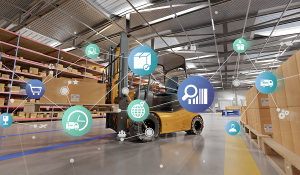
- Storage and Warehousing: Food products are required to be stored under controlled conditions. For perishable goods, cold chain logistics maintains temperature-controlled environments to preserve freshness.
- Distribution and Logistics: Food logistics requires transportation via road, rail, air, or sea. Effective routing and real-time tracking help maintain product freshness and timely delivery.
- Retail and Consumption: The last and final stage includes supermarkets, restaurants, and direct-to-consumer delivery, where product freshness and safety must be preserved.
Challenges in the Food Supply Chain
Despite advancements, many challenges exist in the Food Supply Chain:
- Perishability and Spoilage: Due to the limited shelf life of products like dairy and meat, timely delivery becomes critical.
- Infrastructure Limitations: In developing regions, inadequate cold storage and transportation systems hinder the supply chain.
- Supply Chain Disruptions: Events such as pandemics, climate shocks, and geopolitical tensions can disrupt food distribution systems.
- Lack of Traceability: Poor visibility across the supply chain adversely affects supply chain safety.
- Food Waste: Significant losses occur during storage and transportation due to inefficiencies
These challenges have direct implications for cost, safety, and accessibility. Delays increase spoilage, infrastructure gaps raise logistics costs, and a lack of traceability makes recalls slower and less effective, directly impacting consumer trust and food safety outcomes.
Sustainable Food Supply Chain Solutions
To address these challenges, organisations are adopting sustainable food supply chain solutions, including:
- Short Food Supply Chains (SFSC): Direct farmer-to-consumer sales, local sourcing, and farmers' markets, and reducing the role of middlemen can lead to lower transportation costs.
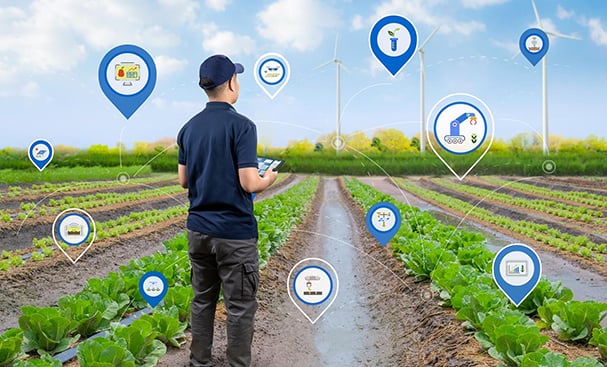
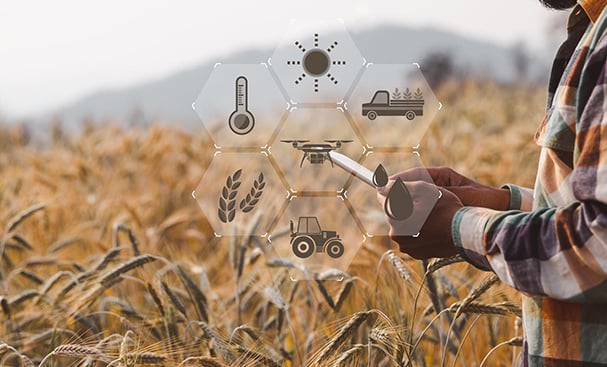
- Smart Chain Management: IoT sensors enable real-time tracking of temperature and humidity, reducing spoilage.
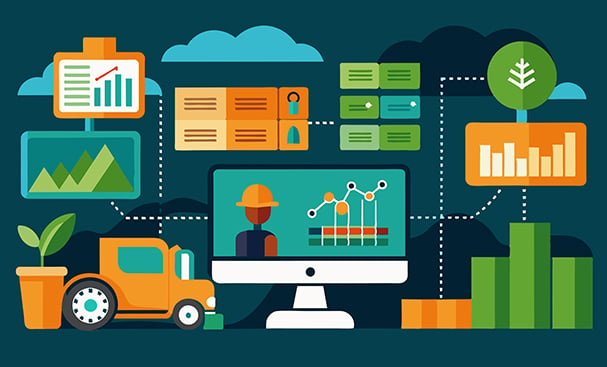
- AI-Powered Demand Planning: Artificial Intelligence can be used to forecast demand, reducing overstocking and waste.
- Optimized Last-Mile Delivery: The clustering-based routing heuristics and automated logistics can be used to optimize routes.
- Urban Agriculture & Vertical Farming: Growing food closer to urban consumers to reduce the emissions of transport can fortify resilience.
Food Quality Control and Safety Mechanisms
To ensure products meet safety standards and regulatory requirements throughout the supply chain, food quality control mechanisms are implemented.
- Hazard Analysis and Critical Control Points (HACCP)
- Traceability systems for recall management
- Hygiene and sanitation protocols
- Quality inspection at each stage
Ensuring food safety in supply chain processes is important to prevent contamination, foodborne illnesses, and reputational damage.
Conclusion
The food supply chain plays an important role in ensuring food safety, quality, and accessibility. As the demand for fresh and sustainable food arises, the incorporation of advanced technologies, strong logistics systems, and sustainable practices has become indispensable. Strengthening cold chain logistics, improving quality control systems, and addressing infrastructure gaps will be key to building a more efficient and resilient fresh produce supply chain.
Future developments must focus on sustainability, digital transformation, and stronger governance frameworks to ensure long-term food security and supply chain reliability.
Explore Related Courses













COMMENTS(0)
Explore Related Courses
Our Popular Insights
Careers are shifting faster than ever, and staying relevant takes more than experience. Explore UniAthena’s most-read blogs for sharp insights, emerging skills, and practical pathways that help you move forward with clarity and confidence in a changing professional world.


How to Switch Career to Data Analytics?
Read More
6
mins read




How to Switch Career to Data Analytics?
Read more
6
mins read

Get in Touch

It’s Time to Start
Join NowMost Popular Online Specialization
- Master of International Business Administration
- Master of Business Administration
- MBA in General Management- FastTrack
- Master in Innovation and Entrepreneurship
- MBA-Family Business Management
- Master in Procurement and Contract Management
- Extended Diploma in Business Analytics (SCQF Level 11)
- Diploma in Supply Chain and Logistics Management (SCQF Level 11)
- Strategic Human Resource Management Practitioner
- Master in Data Science
- Master in Engineering Management
Trending Online
- Integrated Doctorate of Business Administration
- Postgraduate Certificate in Finance for Next Generation Managers
- Master of Business Administration- General Management (Fast Track)
- Postgraduate Certificate in Socio-Economic and Legal Framework
- Postgraduate Certificate in Business Sustainability
- Certified Manager
- Supply Chain Management Practitioner
- MBA - AI in Business
- MBA - Accounting & Finance
- Master in Supply Chain and Logistics Management
Top Universities Online Certificates
- Postgraduate Certificate in International Marketing Management
- Postgraduate Certificate In International Human Resource Management
- Postgraduate Certificate in Strategic Management
- Postgraduate Certificate in Procurement & Contracts Management
- Postgraduate Certificate in Business Analytics
- Postgraduate Certificate in Strategic Supply Chain & Logistics Management
- Postgraduate Certificate in Human Resource and Leadership
- Project Management Practitioner
- Postgraduate Certificate in Supply Chain Design & Implementation
- Postgraduate Certificate in Management Accounting and Finance
Accredited Online Degree Program
- MBA - Digital Transformation
- MBA - Family Business Management
- MBA - Marketing Management
- MBA in Quality Management
- MBA - Business Intelligence & Data Analytics
- MBA in Operations & Project Management
- MBA in Energy Management
- MBA In Construction & Safety Management
- Master in Organisational Leadership
- Master in Public Health
- Master in Construction Management
- Bachelor of Arts in Business Administration


 Install Now


UniAthena is an Ed-Tech, offering flexible, affordable learning solutions, including Free-Learning Upskilling Courses and Academic Programs in partnerships with accredited and globally renowned universities and professional qualification bodies.


Do you have any questions ?
Feel free to send us your questions or request a free consultation
Send a message
UK
Athena Global Education
Magdalen Centre,
Robert Robinson Avenue,
Oxford, OX4 4GA, UK
Phone : 01865 784299
MIDDLE EAST
Athena Global Education FZE
Block L-03, First Floor,
P O Box 519265, Sharjah Publishing City,
Free Zone, Sharjah, UAE
Phone : +971 55 879 5492
INDIA
Uniathena Private Limited
9A,Midas Tower
Phase 1
Hinjewadi Rajiv Gandhi Infotech Park
Pune-411057
Phone: +91 9145665544
All Copyrights Reserved @ Athena Global Education 2021-2026