-

Bachelor's

-

Masters
-

MBA
-

Doctorate
-

Micro Credit
-

Explore all Courses
-
Postgraduate Certifications

-
Postgraduate Diploma
-
Undergraduate Diploma
-
Diploma



International Year of Glaciers’ Preservation 2025: Protecting Earth's Frozen Lifelines
Author: rinta george
|4
MINS READ
| 0
| 102
Created On: 08 August, 2025
Share




Introduction
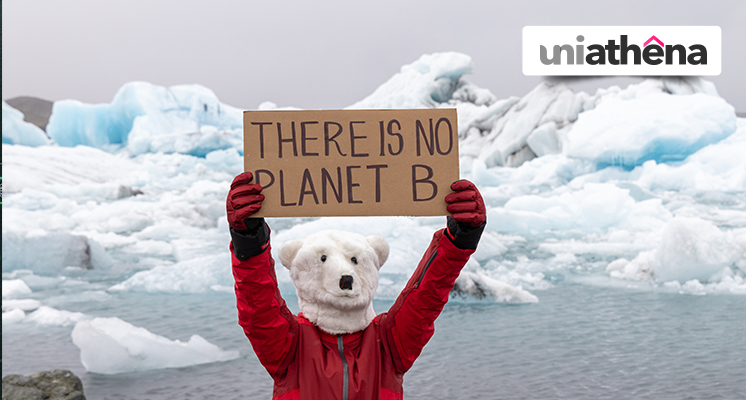
In 2025, the UN officially declared the International Year of Glaciers’ Preservation, spotlighting the urgency of glacial climate change, glacier preservation, and global water security. Glaciers do more than inspire scenic photos—they’re essential water towers, climate buffers, and climate-change early indicators. Their accelerated disappearance under global warming jeopardizes biodiversity, livelihoods, and human health futures.
Why Glaciers Matter
Containing nearly 70% of the planetary freshwater, glaciers feed major river systems—including the Ganges, Yangtze, and Amazon—and supply water, irrigation, hydroelectricity, and sanitation services globally. As sensitive climate sensors, glaciers warn of warming before other systems respond.
Glacier Loss & Water Security: Major Impacts
1. Erratic Water Supplies
Initially, summer melt increases, but it falls sharply as glaciers retreat. Projections suggest up to two-thirds of summer flow may vanish in Himalayan rivers by 2100, risking over a billion lives reliant on hydropower and agriculture.
2. Sea‑Level Rise
Mountain glaciers currently add more to sea-level rise than Greenland or Antarctica, accelerating coastal threats.
3. Glacial Lake Outburst Floods (GLOFs)
Retreat leads to unstable moraine lakes. In the Himalaya, over 15 million people are at risk from sudden floods.
4. Public Health Crises
Diminishing clean water access fuels sanitation issues, disease outbreaks, and malnutrition. UN agencies warn that two billion people may face water shortages without urgent glacier conservation.
What Is Glacier Preservation?
Glacier preservation encompasses strategies to slow melting and protect glacier-fed watershed ecosystems. Core actions include:
- Cutting greenhouse gas emissions
- Deploying sustainable water management
- Enhancing satellite and ground monitoring
- Raising public awareness about what glacier preservation is and why it matters
The 2025 theme, “Preserving Ice, Protecting Life,” positions glaciers as strategic assets in climate resilience.
Why Are Glaciers Melting Rapidly?
Glacial retreat has accelerated since the mid‑19th century. From 2000–2023, glaciers lost about 273 gigatons of ice annually, with a 36% acceleration in recent years. Key drivers include global heating, rising CO₂, and dark soot deposits reducing ice reflectivity (albedo).
How Organizations & Businesses Are Stepping In
- Financial institutions are assessing glacier-loss risks as part of water security exposures: The UNEP Finance Initiative highlights a potential $4 trillion hit to global GDP from melting glaciers—motivating investment in monitoring, risk insurance, and sustainable water infrastructure tools such as green bonds.
- Scientific collaborations like Ice Memory, backed by companies such as The North Face and Panasonic, are archiving century-scale ice cores for future climate and health research—preserving invaluable environmental data heritage.
- Tourism businesses such as ski resorts near Passo Tonale in the Italian Alps have used geotextile covers and artificial snow to slow glacier retreat—for both environmental and economic reasons—preserving ski tourism viability.
Organizational Involvement: Glacier Preservation as ESG Strategy
For modern organizations, glacier preservation is increasingly seen through the lens of Environmental, Social, and Governance (ESG) responsibility. Companies across sectors are integrating glacier-focused action into their sustainability roadmaps.
For instance, multinational firms in the food and beverage sector, whose supply chains depend heavily on stable freshwater sources, are investing in watershed restoration and glacier-monitoring partnerships to ensure long-term operational resilience.
Energy providers—particularly hydropower operators—are using AI-based glacier modeling to forecast meltwater availability and adapt power production accordingly.
Moreover, insurance and reinsurance companies are developing climate risk models that now factor in glacial lake outburst flood (GLOF) risks—especially for infrastructure and property near mountainous regions. Forward-thinking brands also leverage cause-based marketing, linking their products to awareness campaigns, eco-tourism programs, or contributions toward glacier-related climate research.
These integrated strategies not only protect natural assets but also enhance brand reputation, investor confidence, and regulatory alignment in a world where climate-linked disclosures are fast becoming mandatory.
Global Cooperation in 2025
Leading up to World Glacier Day (21 March 2025) and the International Glacier Preservation Conference in Dushanbe (29 May–1 June), stakeholders were mobilized through UN agencies (UNESCO, WMO), governments, NGOs, and scientific institutions The ICIMOD joined the launch as head of Task Force 2, organizing regional dialogues, capacity-building workshops, and public outreach across the Hindu Kush Himalayan areas.
The International Year of Glacier Preservation 2025 is far more than symbolism—it’s a global call to preserve Earth’s critical freshwater reserves, support climate resilience, and safeguard community well-being. Through coordination between governments, businesses, scientists, and civil society, we can avert a water security catastrophe.
Saving glaciers means ensuring food security, energy stability, and public health for billions. Let this be our defining year for climate courage, sustainable solutions, and collective resolve.
Sources:
Explore Related Courses













COMMENTS(0)
Explore Related Courses
Our Popular Insights
Careers are shifting faster than ever, and staying relevant takes more than experience. Explore UniAthena’s most-read blogs for sharp insights, emerging skills, and practical pathways that help you move forward with clarity and confidence in a changing professional world.

What is the usage of Power BI?
Read More
5
mins read





How to Switch Career to Data Analytics?
Read More
6
mins read

What is the usage of Power BI?
Read more
5
mins read
How to Switch Career to Data Analytics?
Read more
6
mins read

Get in Touch

It’s Time to Start
Join NowMost Popular Online Specialization
- Master of International Business Administration
- Master of Business Administration
- MBA in General Management- FastTrack
- Master in Innovation and Entrepreneurship
- MBA-Family Business Management
- Master in Procurement and Contract Management
- Extended Diploma in Business Analytics (SCQF Level 11)
- Diploma in Supply Chain and Logistics Management (SCQF Level 11)
- Strategic Human Resource Management Practitioner
- Master in Data Science
- Master in Engineering Management
Trending Online
- Integrated Doctorate of Business Administration
- Postgraduate Certificate in Finance for Next Generation Managers
- Master of Business Administration- General Management (Fast Track)
- Postgraduate Certificate in Socio-Economic and Legal Framework
- Postgraduate Certificate in Business Sustainability
- Certified Manager
- Supply Chain Management Practitioner
- MBA - AI in Business
- MBA - Accounting & Finance
- Master in Supply Chain and Logistics Management
Top Universities Online Certificates
- Postgraduate Certificate in International Marketing Management
- Postgraduate Certificate In International Human Resource Management
- Postgraduate Certificate in Strategic Management
- Postgraduate Certificate in Procurement & Contracts Management
- Postgraduate Certificate in Business Analytics
- Postgraduate Certificate in Strategic Supply Chain & Logistics Management
- Postgraduate Certificate in Human Resource and Leadership
- Project Management Practitioner
- Postgraduate Certificate in Supply Chain Design & Implementation
- Postgraduate Certificate in Management Accounting and Finance
Accredited Online Degree Program
- MBA - Digital Transformation
- MBA - Family Business Management
- MBA - Marketing Management
- MBA in Quality Management
- MBA - Business Intelligence & Data Analytics
- MBA in Operations & Project Management
- MBA in Energy Management
- MBA In Construction & Safety Management
- Master in Organisational Leadership
- Master in Public Health
- Master in Construction Management
- Bachelor of Arts in Business Administration


 Install Now


UniAthena is an Ed-Tech, offering flexible, affordable learning solutions, including Free-Learning Upskilling Courses and Academic Programs in partnerships with accredited and globally renowned universities and professional qualification bodies.


Do you have any questions ?
Feel free to send us your questions or request a free consultation
Send a message
UK
Athena Global Education
Magdalen Centre,
Robert Robinson Avenue,
Oxford, OX4 4GA, UK
Phone : 01865 784299
MIDDLE EAST
Athena Global Education FZE
Block L-03, First Floor,
P O Box 519265, Sharjah Publishing City,
Free Zone, Sharjah, UAE
Phone : +971 55 879 5492
INDIA
Uniathena Private Limited
9A,Midas Tower
Phase 1
Hinjewadi Rajiv Gandhi Infotech Park
Pune-411057
Phone: +91 9145665544
All Copyrights Reserved @ Athena Global Education 2021-2026