-

Bachelor's

-

Masters
-

MBA
-

Doctorate
-

Micro Credit
-

Explore all Courses
-
Postgraduate Certifications

-
Postgraduate Diploma
-
Undergraduate Diploma
-
Diploma



Talent Risk Assessment: A Game-Changer in HR Due Diligence

Author: ankita jawalkar
|3
MINS READ
| 0
| 123
Created On: 17 June, 2025 Updated On: 16 July, 2025
Share




While organizations strategize on how to grow—whether by collaborations, expansions, or new ventures—the eyes are mostly on numbers, systems, and operational efficiency. But there’s another factor that can make or break a deal: people.
It is very noticeable how much Talent Risk has got its rightful place in the HR due diligence process. This is not only about replacing people in their positions but rather it is about the availability of the right people, whether they are willing to go, and whether they are following the organization's goals. The vacancies in leadership, a considerable likelihood of staff leaving, the wrong mix of skills, and cultural differences can all be the reasons why a previously strategic move cannot bring the expected returns.
This is the wisdom in making the Talent Risk Assessment that helps to spot these vulnerabilities before they metamorphose into huge problems. It gives leaders the determination to stick with the best personnel, fix the knowledge gaps, and form a culture of sustainable growth.
Why Does Talent Risk Assessment Matter in HR Due Diligence?

Red flags for Talent Risk are high levels of attrition, no succession planning, excessive dependence on key talent, uncompetitive pay, low engagement, and culture mismatch. To pre-empt these risks, organizations can use retention bonuses, create integration plans, maintain transparent communication, have aligned leadership teams, and invest in focused upskilling. Active measures ensure talent continuity, minimise disruption, and facilitate transition in case of mergers and acquisitions.
How is Talent Risk Analysis Conducted?
Talent Risk Analysis, being part of HR diligence, encompasses various critical elements and instruments to identify and mitigate workforce risk factors. The central elements are the identification of key talent, attrition risk analysis, measurement of leadership strength and succession planning, review of skill fit with future business strategy, compensation structure benchmarking, and analysis of culture fit and engagement levels.
To enable these, companies utilize talent review matrices to chart the mapping of the potential and performance of employees, predictive analytics to project turnover risks, stay interviews to analyze employee motivations, culture diagnostic tools to analyze organizational fit, and psychometric testing of leaders to identify team dynamics and compatibility. All these elements and instruments collectively give an integrated overview of the people-related risk factors and enable the development of strategies to retain the key talent and integrate it successfully.
Conclusion
Talent Risk Assessment is an important piece of HR due diligence with a direct impact on the success of an organisation. Organizations can safeguard their human capital, ensure operational stability, and maximize long-term value creation by establishing key vulnerabilities and using specific mitigating measures. Focusing strategically on talent guarantees more streamlined integration and builds the bedrock for post-deal growth and performance.
Explore Related Courses










COMMENTS(0)
Explore Related Courses
Our Popular Insights
Careers are shifting faster than ever, and staying relevant takes more than experience. Explore UniAthena’s most-read blogs for sharp insights, emerging skills, and practical pathways that help you move forward with clarity and confidence in a changing professional world.


What is the usage of Power BI?
Read More
5
mins read
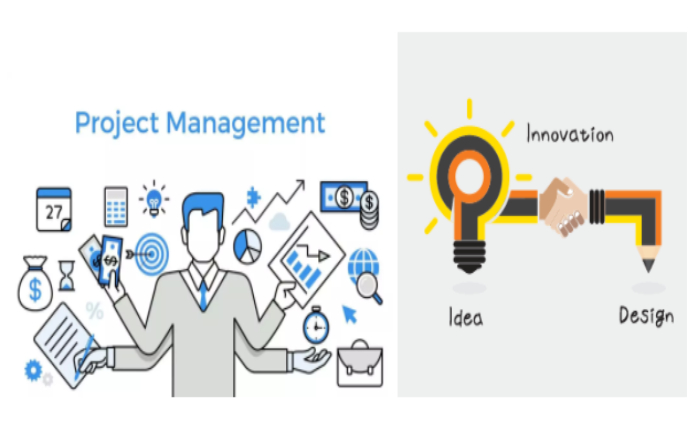





How to Switch Career to Data Analytics?
Read More
6
mins read
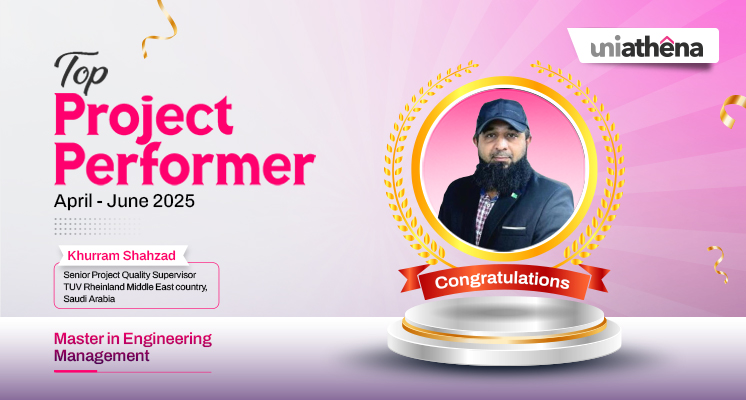
What is the usage of Power BI?
Read more
5
mins read
How to Switch Career to Data Analytics?
Read more
6
mins read
Get in Touch

It’s Time to Start
Join NowMost Popular Online Specialization
- Master of International Business Administration
- Master of Business Administration
- MBA in General Management- FastTrack
- Master in Innovation and Entrepreneurship
- MBA-Family Business Management
- Master in Procurement and Contract Management
- Extended Diploma in Business Analytics (SCQF Level 11)
- Diploma in Supply Chain and Logistics Management (SCQF Level 11)
- Strategic Human Resource Management Practitioner
- Master in Data Science
- Master in Engineering Management
Trending Online
- Integrated Doctorate of Business Administration
- Postgraduate Certificate in Finance for Next Generation Managers
- Master of Business Administration- General Management (Fast Track)
- Postgraduate Certificate in Socio-Economic and Legal Framework
- Postgraduate Certificate in Business Sustainability
- Certified Manager
- Supply Chain Management Practitioner
- MBA - AI in Business
- MBA - Accounting & Finance
- Master in Supply Chain and Logistics Management
Top Universities Online Certificates
- Postgraduate Certificate in International Marketing Management
- Postgraduate Certificate In International Human Resource Management
- Postgraduate Certificate in Strategic Management
- Postgraduate Certificate in Procurement & Contracts Management
- Postgraduate Certificate in Business Analytics
- Postgraduate Certificate in Strategic Supply Chain & Logistics Management
- Postgraduate Certificate in Human Resource and Leadership
- Project Management Practitioner
- Postgraduate Certificate in Supply Chain Design & Implementation
- Postgraduate Certificate in Management Accounting and Finance
Accredited Online Degree Program
- MBA - Digital Transformation
- MBA - Family Business Management
- MBA - Marketing Management
- MBA in Quality Management
- MBA - Business Intelligence & Data Analytics
- MBA in Operations & Project Management
- MBA in Energy Management
- MBA In Construction & Safety Management
- Master in Organisational Leadership
- Master in Public Health
- Master in Construction Management
- Bachelor of Arts in Business Administration


 Install Now


UniAthena is an Ed-Tech, offering flexible, affordable learning solutions, including Free-Learning Upskilling Courses and Academic Programs in partnerships with accredited and globally renowned universities and professional qualification bodies.


Do you have any questions ?
Feel free to send us your questions or request a free consultation
Send a message
UK
Athena Global Education
Magdalen Centre,
Robert Robinson Avenue,
Oxford, OX4 4GA, UK
Phone : 01865 784299
MIDDLE EAST
Athena Global Education FZE
Block L-03, First Floor,
P O Box 519265, Sharjah Publishing City,
Free Zone, Sharjah, UAE
Phone : +971 55 879 5492
INDIA
Uniathena Private Limited
9A,Midas Tower
Phase 1
Hinjewadi Rajiv Gandhi Infotech Park
Pune-411057
Phone: +91 9145665544
All Copyrights Reserved @ Athena Global Education 2021-2026