-

Bachelor's

-

Masters
-

MBA
-

Doctorate
-

Micro Credit
-

Explore all Courses
-
Postgraduate Certifications

-
Postgraduate Diploma
-
Undergraduate Diploma
-
Diploma



The Hidden Tug-of-War Every Engineering Manager Faces

Author: rinta george
|3
MINS READ
| 0
| 93
Created On: 10 November, 2025
Share




Introduction
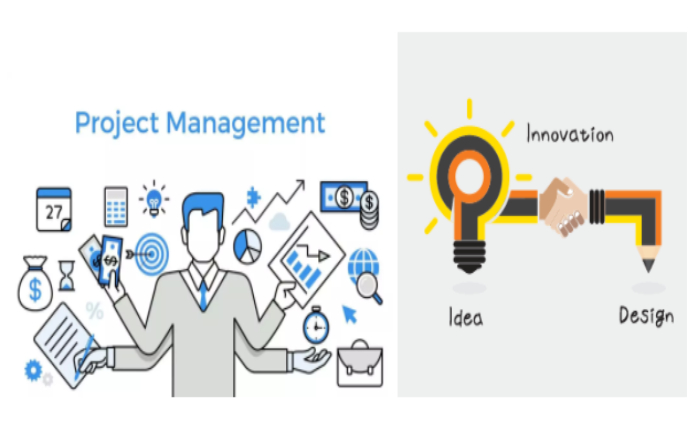
In today's rapidly changing engineering landscape, the realm of the engineering manager is where creativity and control meet resistance. While engineers live and breathe creativity, manager-level professionals must often restrain or channel that creativity within project parameters. This has created an ongoing dilemma: the tendency to confuse creative ideas with quality, safety, or value, forming a part of the quintessential engineering manager’s dilemma.
Who Is an Engineering Manager?
The Engineering Manager demonstrates technical expertise while leading teams to accomplish organizational and project objectives. There are differences between individuals who possess engineering skills and those who manage engineers. In an analogous sense, if engineers craft innovation, the engineering manager makes it real, safe, and value-based, aligning it with the company’s mission.
What Does an Engineering Manager Do?
The Engineering Manager handles a wide range of expertise and responsibilities, including:
- Managing engineering teams and ensuring collaboration
- Establishing and implementing engineering standards and workflows
- Helping innovate in engineering while demonstrating operational discipline
- Overseeing technical compliance, safety, and project quality
- Mentoring engineers to develop leadership and professional growth
While balancing all these responsibilities, the engineering manager helps their teams innovate consistently and reliably.
Engineering Discipline vs Engineering Innovation
The main challenge faced by the engineering manager is balancing engineering discipline and innovation:
- Innovation drives progress through experimentation and discovery of new materials, processes, and technologies
- Discipline guarantees innovation stays within industry standards, safety considerations, and schedules
The key is finding the right balance; too little authority invites risk, while too much authority stifles innovation and creativity.
Skills for the Engineering Manager
A successful engineering manager must blend technical expertise with interpersonal skills and strategic insight.
- Technical Knowledge: A strong understanding of the specific engineering discipline to evaluate and guide project direction.
- Leadership: The ability to inspire engineers, develop new ideas, and hold team members accountable for deliverables and objectives.
- Strategic Perspective: Aligning engineering outcomes with broader business objectives.
- Communication Skills: Effectively and accurately transferring complex technical information to stakeholders.
- Decision-Making: Balancing opportunity and risk in management decisions.
Engineering Workflows and Best Practices
Engineering management structured design processes and defined workflows. Project designs must include processes, checks, and metrics to ensure due diligence, especially since frontline challenges constantly evolve through change management.
To embed the necessary discipline, engineering best practices are adopted to allow teams to innovate and review designs appropriately while working within constraints that ensure consistency and quality. Agile, Lean, and Six Sigma are common examples of process methodologies that engineers apply to maintain quality in design pathways.
How to Become an Engineering Manager
A career in engineering management begins with a degree in one of the core engineering disciplines. Career progression typically involves executing projects, collaborating within teams, and eventually leading them. Continuing education in engineering management, or obtaining certifications in leadership and project management, can support career advancement.
The engineering management career path holds the most promise for professionals who can blend technical competence, team facilitation, and organizational vision while balancing creativity with discipline.
Conclusion
When innovation in engineering and structured practices are effectively combined, this defines the role of the engineering manager. One can expect success by developing innovative ideas while delivering projects that meet both technical requirements and business needs.
Balancing innovation and project requirements is how an engineering manager leads teams of professionals to develop life-changing innovations that impact people and the planet - not for profit alone, but for the benefit of present and future generations.
Sources:
https://onlinedegrees.sandiego.edu/engineering-manager-skills/
https://online-engineering.case.edu/blog/innovative-engineering-practices
Explore Related Courses




.jpg)




COMMENTS(0)
Explore Related Courses
Our Popular Insights
Careers are shifting faster than ever, and staying relevant takes more than experience. Explore UniAthena’s most-read blogs for sharp insights, emerging skills, and practical pathways that help you move forward with clarity and confidence in a changing professional world.




How to Switch Career to Data Analytics?
Read More
6
mins read


How to Switch Career to Data Analytics?
Read more
6
mins read

Get in Touch

It’s Time to Start
Join NowMost Popular Online Specialization
- Master of International Business Administration
- Master of Business Administration
- MBA in General Management- FastTrack
- Master in Innovation and Entrepreneurship
- MBA-Family Business Management
- Master in Procurement and Contract Management
- Extended Diploma in Business Analytics (SCQF Level 11)
- Diploma in Supply Chain and Logistics Management (SCQF Level 11)
- Strategic Human Resource Management Practitioner
- Master in Data Science
- Master in Engineering Management
Trending Online
- Integrated Doctorate of Business Administration
- Postgraduate Certificate in Finance for Next Generation Managers
- Master of Business Administration- General Management (Fast Track)
- Postgraduate Certificate in Socio-Economic and Legal Framework
- Postgraduate Certificate in Business Sustainability
- Certified Manager
- Supply Chain Management Practitioner
- MBA - AI in Business
- MBA - Accounting & Finance
- Master in Supply Chain and Logistics Management
Top Universities Online Certificates
- Postgraduate Certificate in International Marketing Management
- Postgraduate Certificate In International Human Resource Management
- Postgraduate Certificate in Strategic Management
- Postgraduate Certificate in Procurement & Contracts Management
- Postgraduate Certificate in Business Analytics
- Postgraduate Certificate in Strategic Supply Chain & Logistics Management
- Postgraduate Certificate in Human Resource and Leadership
- Project Management Practitioner
- Postgraduate Certificate in Supply Chain Design & Implementation
- Postgraduate Certificate in Management Accounting and Finance
Accredited Online Degree Program
- MBA - Digital Transformation
- MBA - Family Business Management
- MBA - Marketing Management
- MBA in Quality Management
- MBA - Business Intelligence & Data Analytics
- MBA in Operations & Project Management
- MBA in Energy Management
- MBA In Construction & Safety Management
- Master in Organisational Leadership
- Master in Public Health
- Master in Construction Management
- Bachelor of Arts in Business Administration


 Install Now


UniAthena is an Ed-Tech, offering flexible, affordable learning solutions, including Free-Learning Upskilling Courses and Academic Programs in partnerships with accredited and globally renowned universities and professional qualification bodies.


Do you have any questions ?
Feel free to send us your questions or request a free consultation
Send a message
UK
Athena Global Education
Magdalen Centre,
Robert Robinson Avenue,
Oxford, OX4 4GA, UK
Phone : 01865 784299
MIDDLE EAST
Athena Global Education FZE
Block L-03, First Floor,
P O Box 519265, Sharjah Publishing City,
Free Zone, Sharjah, UAE
Phone : +971 55 879 5492
INDIA
Uniathena Private Limited
9A,Midas Tower
Phase 1
Hinjewadi Rajiv Gandhi Infotech Park
Pune-411057
Phone: +91 9145665544
All Copyrights Reserved @ Athena Global Education 2021-2026