-

Bachelor's

-

Masters
-

MBA
-

Doctorate
-

Micro Credit
-

Explore all Courses
-
Postgraduate Certifications

-
Postgraduate Diploma
-
Undergraduate Diploma
-
Diploma



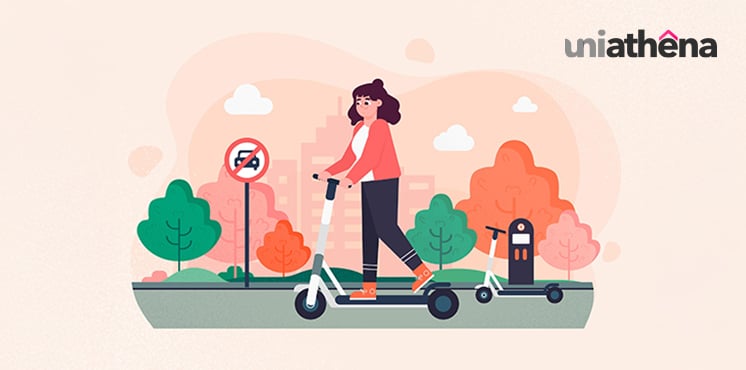
E-Scooters, Bikes & Road Safety: What Every Rider Should Know
Author: aishwarya sancheti
|8
MINS READ
| 0
| 248
Created On: 29 October, 2025
Share




Table of Content (TOC):
- Introduction
- Key Takeaways
- The Pulse of Modern Mobility
- Why Road Safety is Important
- Recent Trends & E-Scooter / Bike Models (2025)
- E-Scooter Safety Tips
- Bike & Motorcycle Safety Guide Tips (Beginners Especially)
- Is Electric Scooter Safe? Are Scooters Safer than Motorcycles?
- What Are the 7 Keys to Safe Driving / Riding
- How Can We Improve Road Safety (At a Broader Scale)
- Conclusion
- Frequently Asked Questions
Introduction
The world of two-wheelers is evolving faster than ever. From silent electric scooters gliding through cityscapes to high-powered motorcycles conquering long highways, one thing ties every rider together - road safety.
E-scooters and bikes offer freedom and thrill, but understanding their risks and mastering safe driving practices are what truly define a responsible rider.
Key Takeaways:
- E-scooter safety, bike safety, and motorcycle safety share many tips but differ in risk profiles.
- Recent models (Ultraviolette Tesseract, Ather Rizta, Hero Vida VX2 etc.) are pushing for better safety through design, braking systems, and tech.
- Behavioral safety matters: helmets, sober riding, visibility, obeying laws.
- Infrastructure, regulation and innovation are essential complements.
The Pulse of Modern Mobility
Electric scooters and motorcycles have become the icons of green mobility in 2025. Popular e-scooter brands such as Ather, Ola S1 Pro, Segway GT3 Superscooter, NIU NQiX 300, and Xiaomi Electric Scooter 5 Pro, and Ultraviolette Tesseract are set to redefine urban commuting with AI-driven diagnostics and auto-balancing features. These bikes are setting new benchmarks in safety and performance with features like traction control, advanced suspension systems, and regenerative braking.
Meanwhile, advanced hybrid bikes and gear innovations such as airbag vests and thermal riding gloves keep redefining motorcycle safety trends.
Why Road Safety is Important
Road safety isn’t merely about obeying traffic signals but about preserving lives. Every year, millions of riders face preventable injuries that could be avoided with awareness and discipline.
Understanding what road safety is and why it is important reminds us that our smallest actions: wearing protective gear, signaling properly, maintaining our vehicles, create safer roads for everyone.
When we talk about road safety, several dimensions matter:
- Vehicle Safety: How safe is the machine you ride? Does it have good brakes? Lights? Stability?
- Rider Behavior & Training: Includes helmet use, obeying traffic laws, avoiding intoxicated riding, knowing how to ride in rain, etc.
- Infrastructure & Environment: Smooth roads, bike lanes, marked crossings, street lighting, signage.
- Regulation & Enforcement: Rules like mandatory helmets, ABS (Anti-lock Braking System), speed limits, licensing, etc.
- Technology & Innovation: Features like driver-assist, obstacle detection, smart dashboards, or AI-assisted safety tools.
Recent Trends & E-Scooter / Bike Models (2025)
To stay up to date, let’s look at some of what’s new in electric scooter (and bike) design, regulation, and market changes that impact safety.
1. Market Growth Projections:
Globally, electric two-wheeler sales are rising rapidly, with China leading (~73% of sales) and India emerging as the second-largest market with ~19% growth in FY 2025. Europe (+36%) and North America are expanding due to incentives and EV infrastructure, while Asia-Pacific and Latin America show strong emerging-market adoption. Overall, the market is expected to grow at ~11% CAGR through 2030.
2. New Safety Rules:
The Transport Ministry has approved mandatory ABS in all 2-wheelers, and the requirement that new bikes/scooters come with two BIS-certified helmets. These initiatives become effective from January 2027.
3. Technological Innovations:
Research is underway for real-time obstacle detection using deep learning + sensors, especially for e-scooters. This helps detect potholes, debris, etc., giving riders more reaction time.
4. Regulatory Push:
Authorities are paying more attention: safety campaigns, stricter rules about helmets, speed, and licensing. For example, in many jurisdictions, riding under influence or riding at night without visibility is being penalized more heavily.
5. Release of New Enhanced Models:
- Ultraviolette Tesseract: Premium electric scooter with dual ABS, disc brakes, blind-spot detection, front & rear dashcams, built-in lights, and long range / high speed (~125 km/h top).
- Ather Rizta: A family-friendly electric scooter, good real-world range (~150-160 km depending on variant), modern safety features.
- Segway GT3 Superscooter (Global): High-performance eKickScooter with dual hydraulic suspension, 11-inch self-sealing tires, front & rear disc brakes, SegRide stability enhancement system (improves skid resistance & handling), IPX6 rating for water resistance, strong power (~2400W) and range in both Eco & Sport modes.
- NIU NQiX 300 (Global): A powerful electric scooter with up to ~80 km/h top speed, ~120 km range, disc brakes, traction control, Auto-Hold, and smart connectivity (dashboard + ride modes). Designed for everyday performance with safety features.
E-Scooter Safety Tips
If you ride or plan to ride an electric scooter, these tips will help keep you safe.
- Wear Protective Gear: Always wear a helmet that meets safety standards. Knee and elbow pads help. Gloves improve grip. Reflective clothing or accessories especially at night.
- Check Your Scooter Regularly: Inspect your brakes, tires (pressure, tread), lights & reflectors, battery health. If you feel instability in movement, hear squeaks, or sense weak brakes, get them checked.
- Ride Smart, Especially if You’re a Beginner: Learn how the throttle works, how braking feels, and how turning & balance are different from a bike. Learn under expert guidance and support.
- Obey Traffic Laws: Learn about traffic signals, speed limits, and right of way. Use signals or hand gestures when turning. Respect pedestrians and cyclists.
- Ride Sober & Alert: Alcohol or drugs heavily increase risk. Even momentary distractions (phone, music) may reduce your situational awareness.
- Avoid Riding in Bad Weather Unless Equipped: Rain, wet roads, and low visibility can drastically reduce control. Use wet-weather tires or modes if available, slow down, and keep safe distances.
- Use Lighting & Visibility Tools: Bright front & rear lights, reflectors, and high visibility patches or vests can help you be seen, reducing collision risks.
- Pick Safer Routes: Use dedicated scooter lanes and bike paths when possible; avoid cars where traffic is heavy, roads in bad condition, or routes with many intersections.
- Don’t Ride Tandem (unless designed for it): Many scooters are built for a single rider; adding load or passenger shifts center of gravity and reduces safe control.
- Know Braking & Stopping Distances: Especially for electric scooters or bikes, because a combination of weight, speed, and road condition affect how quickly you can stop.
Also Read: The Smart Helmet Revolution: Where Tech Meets Safety
Bike & Motorcycle Safety Guide Tips (Beginners Especially)
Although many tips overlap with e-scooters, two-wheel motorcycles or pedal bikes need some extra caution due to speed & mass.
- Motorcycle Riding Tips for Beginners: Enroll in training, get familiar with clutch & throttle, practice emergency braking.
- For Bikes: Ensure you have good brakes (disc if possible), maintain tire pressure, use lights at dawn/dusk, and wear a proper bike helmet.
Is Electric Scooter Safe? Are Scooters Safer than Motorcycles?
This is nuanced:
- Electric scooters tend to have lower mass and lower top speed (though high-end models challenge that), offering less protection to the rider compared to motorcycles. So while accidents may be less forceful, injuries can still be serious, especially head injuries.
- Motorcycles help you move with great speed and power, increasing risk of injury. But they often have more robust build and often have better braking systems that can offset this risk. Rider skill and protective gear also make a big difference.
So scooters can be safer if ridden responsibly, in the right environment, and with proper gear. But they are not inherently safe simply by being electric or lighter.
What Are the 7 Keys to Safe Driving / Riding?
Here’s a compact mnemonic list to remember safe practices:
1. Know your vehicle (bike, scooter, motorcycle condition & limits).
2. Equipment: helmet, lights, visibility.
3. Yours-truly: ride sober, focused.
4. Speed control: don’t overspeed.
5. Awareness of surroundings: traffic, road hazards, weather.
6. Follow rules & laws: signals, right of way, licensing.
7. Environment & maintenance: keep roads and vehicles in good shape.
How Can We Improve Road Safety (At a Broader Scale)
- Investing in Safe Infrastructure: Build and maintain bike lanes, protected intersections, and roads with good lighting.
- Enforcing Standards: Enact Helmet laws, ABS, speed limits, and vehicle safety certifications.
- Innovation & Technology: Install real-time obstacle detection, AI assisted safety, better dashboards, and over-the-air updates for e-scooters/bikes.
- Awareness Campaigns: Educating beginners and the public on risks & safe practices.
- Policy & Regulation: Mandate electric scooter safety standards, incentivise companies to provide improved safety features and enforce certified helmets with every purchase of two-wheelers.
Also Read: The Green Promise of Electric Vehicles by the Automotive Industry: Myth or Reality?
Conclusion
As e-scooters become more high tech (with features like obstacle detection, wireless charging, smart dashboards), and as regulations tighten (e.g. ABS, helmet mandates), riders are better protected than ever. But technology is only part of the equation. Your choices – how you ride, what you wear, what routes you pick matter deeply.
If you ride with care, equip properly, stay aware, and advocate for safer roads, you don’t just protect yourself, you protect everyone on the road. Let’s ride safely, ride smart, and push for a future where two-wheels (electric scooter, bike, or motorcycle) are synonymous with freedom and responsibility.
Frequently Asked Questions
Q: Is it safe to ride an electric scooter in the rain?
A: Rain increases risk: wet surfaces, poor visibility, reduced tire grip. If you must ride while raining, slow down, use good tires, ensure your lights work, and avoid puddles & painted road markings as they can be slippery.
Q: What are bike riding tips for beginners?
A: Start slow, in low traffic; learn turns & balance; ensure your posture, brakes, tires are all good; ride defensively; wear helmet always.
Q: What motorcycle safety guide tips should I know?
A: For motorcycles, protective gear (helmet + jacket + gloves + boots) matters even more; learn clutch/twist throttle control; understand weight shifts; avoid leaning too much until experienced; maintain chain, brakes, tires.
Explore Related Courses






COMMENTS(0)
Explore Related Courses
Our Popular Insights
Careers are shifting faster than ever, and staying relevant takes more than experience. Explore UniAthena’s most-read blogs for sharp insights, emerging skills, and practical pathways that help you move forward with clarity and confidence in a changing professional world.




How to Switch Career to Data Analytics?
Read More
6
mins read



How to Switch Career to Data Analytics?
Read more
6
mins read
Get in Touch

It’s Time to Start
Join NowMost Popular Online Specialization
- Master of International Business Administration
- Master of Business Administration
- MBA in General Management- FastTrack
- Master in Innovation and Entrepreneurship
- MBA-Family Business Management
- Master in Procurement and Contract Management
- Extended Diploma in Business Analytics (SCQF Level 11)
- Diploma in Supply Chain and Logistics Management (SCQF Level 11)
- Strategic Human Resource Management Practitioner
- Master in Data Science
- Master in Engineering Management
Trending Online
- Integrated Doctorate of Business Administration
- Postgraduate Certificate in Finance for Next Generation Managers
- Master of Business Administration- General Management (Fast Track)
- Postgraduate Certificate in Socio-Economic and Legal Framework
- Postgraduate Certificate in Business Sustainability
- Certified Manager
- Supply Chain Management Practitioner
- MBA - AI in Business
- MBA - Accounting & Finance
- Master in Supply Chain and Logistics Management
Top Universities Online Certificates
- Postgraduate Certificate in International Marketing Management
- Postgraduate Certificate In International Human Resource Management
- Postgraduate Certificate in Strategic Management
- Postgraduate Certificate in Procurement & Contracts Management
- Postgraduate Certificate in Business Analytics
- Postgraduate Certificate in Strategic Supply Chain & Logistics Management
- Postgraduate Certificate in Human Resource and Leadership
- Project Management Practitioner
- Postgraduate Certificate in Supply Chain Design & Implementation
- Postgraduate Certificate in Management Accounting and Finance
Accredited Online Degree Program
- MBA - Digital Transformation
- MBA - Family Business Management
- MBA - Marketing Management
- MBA in Quality Management
- MBA - Business Intelligence & Data Analytics
- MBA in Operations & Project Management
- MBA in Energy Management
- MBA In Construction & Safety Management
- Master in Organisational Leadership
- Master in Public Health
- Master in Construction Management
- Bachelor of Arts in Business Administration


 Install Now


UniAthena is an Ed-Tech, offering flexible, affordable learning solutions, including Free-Learning Upskilling Courses and Academic Programs in partnerships with accredited and globally renowned universities and professional qualification bodies.


Do you have any questions ?
Feel free to send us your questions or request a free consultation
Send a message
UK
Athena Global Education
Magdalen Centre,
Robert Robinson Avenue,
Oxford, OX4 4GA, UK
Phone : 01865 784299
MIDDLE EAST
Athena Global Education FZE
Block L-03, First Floor,
P O Box 519265, Sharjah Publishing City,
Free Zone, Sharjah, UAE
Phone : +971 55 879 5492
INDIA
Uniathena Private Limited
9A,Midas Tower
Phase 1
Hinjewadi Rajiv Gandhi Infotech Park
Pune-411057
Phone: +91 9145665544
All Copyrights Reserved @ Athena Global Education 2021-2026