-

Bachelor's

-

Masters
-

MBA
-

Doctorate
-

Micro Credit
-

Explore all Courses
-
Postgraduate Certifications

-
Postgraduate Diploma
-
Undergraduate Diploma
-
Diploma



Data Science & Analytics Tools Every Professional Should Know
Author: malik basit
|4
MINS READ
| 0
| 164
Created On: 25 September, 2025
Share




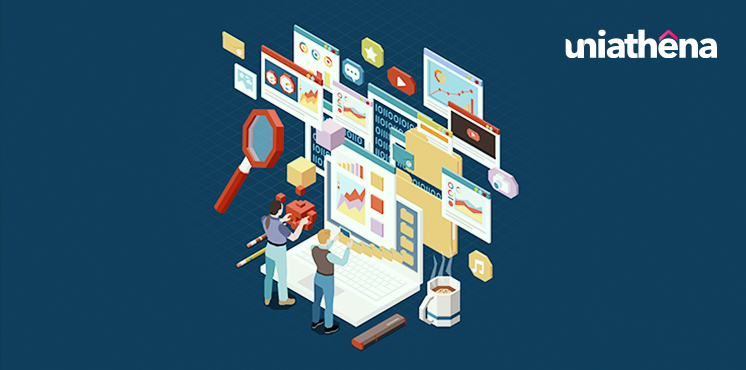
In this age of data, data science and data analytics have emerged as fundamental competencies across every industry. As a beginner entering the space or as a professional looking to enhance your arsenal, being aware of the right data science tools and data analytics tools can be the difference-maker.
What is Data Science and What is Data Analytics?
Let’s start with the basics.
What is Data Science?
Data science is an interdisciplinary application of programming, statistics, and domain knowledge for extracting useful insights from structured and unstructured data. It applies numerous data science techniques and methodologies—like machine learning, predictive modeling, and AI—to address intricate issues and forecast future events.
What is Data Analytics?
Data analytics is more about looking at the current data to find patterns, trends, and insights. It's usually descriptive and diagnostic—enabling companies to answer questions such as "what happened" and "why did it happen."
Are Data Science and Data Analytics the Same?
Not quite! Although they intersect, data science is broader and more predictive in nature, while data analytics is more interpretive and more directly related to immediate decision-making. They complement each other to become the cornerstone of modern-day data-driven decision-making processes.
Why Tools Matter in Data Science and Data Analytics
Just like a craftsman needs the right set of tools, professionals in this field need the right tools required for data science and analytics. These tools help with:
- Data cleaning and preparation
- Statistical analysis
- Visualization of trends and patterns
- Building predictive models
- Implementing data analytics projects and data science projects
Must-Know Data Science & Analytics Tools
Here’s a quick comparison of some widely used tools in the industry:

Also Read: Data Analyst vs Data Scientist: Which Career Path is Right for You?
How Professionals Use These Tools
- For Beginners: Start with Excel, SQL, and Python. These are the most approachable data analytics tools for beginners.
- For Projects: Use Tableau or Power BI to visualize insights in data analytics projects and experiment with data analytics project ideas using Python or R.
- For Machine Learning: Dive into TensorFlow, Scikit-learn, and Spark for data science and machine learning use cases.
- For Enterprises: Tools like SAS and Power BI help manage large-scale, complex datasets.
Data Analysis Techniques and Methods
Once you've got the tools, it's time to apply them through proven methods. Data analysis techniques and data analysis methods form the backbone of turning raw data into actionable insights.
Here are some key ones in bullet points for easy reading:
- Descriptive Analysis: Summarizes what has happened by using metrics like mean, median, and mode. Great for initial data exploration.
- Diagnostic Analysis: Digs into why something happened, often using drill-downs or root cause analysis.
- Predictive Analysis: Forecasts future trends based on historical data, incorporating data science and machine learning algorithms like regression.
- Prescriptive Analysis: Recommends actions by optimizing outcomes, often enhanced with data science and analytics with AI. Similarly, data science techniques and data science methods build on these but go deeper:
- Machine Learning Models: Techniques like clustering, classification, and neural networks for pattern recognition.
- Natural Language Processing (NLP): For analyzing text data, which is huge in sentiment analysis.
- Big Data Handling: Methods involving distributed computing to manage volume, velocity, and variety of data.
These approaches aren't set in stone—mix and match based on your project's needs.
Data Science and Machine Learning: The AI Angle
No discussion on data science tools would be complete without touching on data science and machine learning. Machine learning is essentially a subset of data science, where algorithms learn from data to make predictions without explicit programming. Tools like TensorFlow make this accessible, especially when combined with AI for smarter analytics.
For instance, data science and analytics with AI can automate tedious tasks, like anomaly detection in fraud prevention. If you're advancing your skills, explore how Python libraries bridge data analytics with machine learning—it's a game-changer.
Key Takeaways
- Choosing the right data analyst tools and technologies is crucial for the successful implementation of data science and analytics with AI.
- Data science essentials include Python, R, and Jupyter Notebook.
- Data analysis techniques and methods become more powerful when paired with strong visualization and reporting tools.
- Start small with data analytics projects for beginners before moving on to advanced data science and machine learning initiatives.
Final Thoughts
Mastering these data science tools and data analytics tools not only makes professionals more effective but also opens doors to exciting opportunities. Whether you’re experimenting with data analytics with Python, exploring data analytics project ideas, or diving deeper into data science methods, the right tools are your stepping stones to success.
Explore Related Courses













COMMENTS(0)
Explore Related Courses
Our Popular Insights
Careers are shifting faster than ever, and staying relevant takes more than experience. Explore UniAthena’s most-read blogs for sharp insights, emerging skills, and practical pathways that help you move forward with clarity and confidence in a changing professional world.

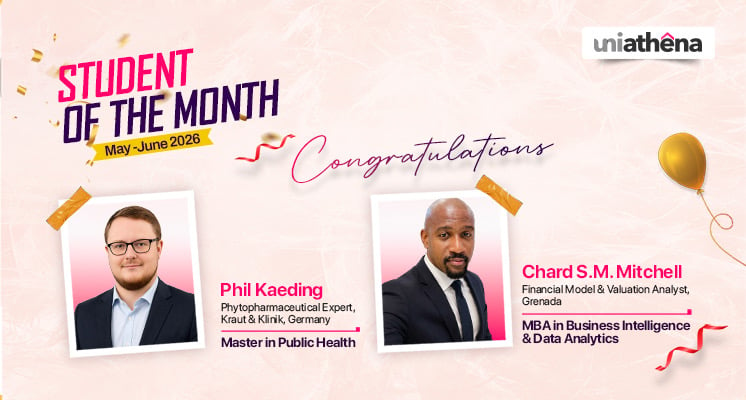
🌟 Students of the Month | May – June 2026 🌟
Read More
1
mins read





🌟 Students of the Month | May – June 2026 🌟
Read more
1
mins read
Get in Touch

It’s Time to Start
Join NowMost Popular Online Specialization
- Master of International Business Administration
- Master of Business Administration
- MBA in General Management- FastTrack
- Master in Innovation and Entrepreneurship
- MBA-Family Business Management
- Master in Procurement and Contract Management
- Extended Diploma in Business Analytics (SCQF Level 11)
- Diploma in Supply Chain and Logistics Management (SCQF Level 11)
- Strategic Human Resource Management Practitioner
- Master in Data Science
- Master in Engineering Management
Trending Online
- Integrated Doctorate of Business Administration
- Postgraduate Certificate in Finance for Next Generation Managers
- Master of Business Administration- General Management (Fast Track)
- Postgraduate Certificate in Socio-Economic and Legal Framework
- Postgraduate Certificate in Business Sustainability
- Certified Manager
- Supply Chain Management Practitioner
- MBA - AI in Business
- MBA - Accounting & Finance
- Master in Supply Chain and Logistics Management
Top Universities Online Certificates
- Postgraduate Certificate in International Marketing Management
- Postgraduate Certificate In International Human Resource Management
- Postgraduate Certificate in Strategic Management
- Postgraduate Certificate in Procurement & Contracts Management
- Postgraduate Certificate in Business Analytics
- Postgraduate Certificate in Strategic Supply Chain & Logistics Management
- Postgraduate Certificate in Human Resource and Leadership
- Project Management Practitioner
- Postgraduate Certificate in Supply Chain Design & Implementation
- Postgraduate Certificate in Management Accounting and Finance
Accredited Online Degree Program
- MBA - Digital Transformation
- MBA - Family Business Management
- MBA - Marketing Management
- MBA in Quality Management
- MBA - Business Intelligence & Data Analytics
- MBA in Operations & Project Management
- MBA in Energy Management
- MBA In Construction & Safety Management
- Master in Organisational Leadership
- Master in Public Health
- Master in Construction Management
- Bachelor of Arts in Business Administration


 Install Now


UniAthena is an Ed-Tech, offering flexible, affordable learning solutions, including Free-Learning Upskilling Courses and Academic Programs in partnerships with accredited and globally renowned universities and professional qualification bodies.


Do you have any questions ?
Feel free to send us your questions or request a free consultation
Send a message
UK
Athena Global Education
Magdalen Centre,
Robert Robinson Avenue,
Oxford, OX4 4GA, UK
Phone : 01865 784299
MIDDLE EAST
Athena Global Education FZE
Block L-03, First Floor,
P O Box 519265, Sharjah Publishing City,
Free Zone, Sharjah, UAE
Phone : +971 55 879 5492
INDIA
Uniathena Private Limited
9A,Midas Tower
Phase 1
Hinjewadi Rajiv Gandhi Infotech Park
Pune-411057
Phone: +91 9145665544
All Copyrights Reserved @ Athena Global Education 2021-2026