-

Bachelor's

-

Masters
-

MBA
-

Doctorate
-

Micro Credit
-

Explore all Courses
-
Postgraduate Certifications

-
Postgraduate Diploma
-
Undergraduate Diploma
-
Diploma



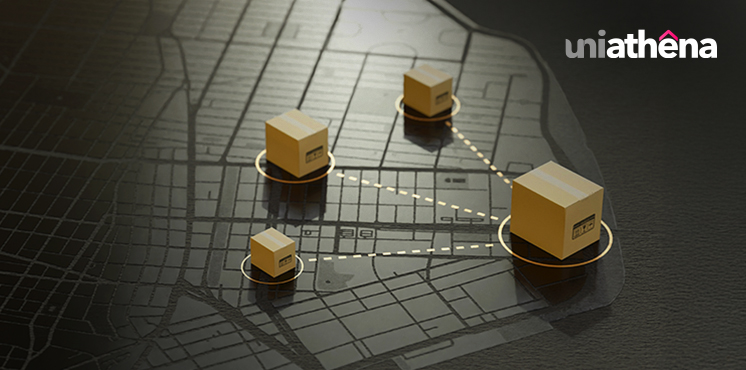
Enhancing Consumer Trust Through Supply Chain Transparency
Author: argha chakraborty
|5
MINS READ
| 0
| 127
Created On: 11 July, 2025
Share




Introduction
Stop trusting brands blindly.
If a company can’t show where its products come from, there’s a good chance it doesn’t want anyone to know. And here’s why that matters—82% of consumers say they would stop buying from a brand if they discovered its supply chain was unethical. That’s not a passing trend; it’s a shift in how people think about trust.
Terms like “eco-friendly,” “ethically made,” or “sourced responsibly” appear everywhere. But without proof, they mean very little. This blog explores how brands across industries are moving from vague claims to real, verifiable transparency. It’s not just about logistics—it’s about earning and keeping consumer trust in a time when facts matter more than ever.
Supply Chain Transparency Matters
1. Trust is Fragile
Once lost, it’s hard to get back. Consumers today expect honesty, and brands that don’t deliver are quickly called out or abandoned.
2. Transparency Drives Value
In 2024, 67% of shoppers reported being willing to pay more for products with traceable supply chains. Brands that open up aren’t just doing good—they’re doing better financially.
3. Regulation is Tightening
Laws in the EU, UK, and other countries are now pushing for mandatory traceability and ethical compliance. Brands that fall short risk legal and financial fallout.
4. Investors are Watching
Sustainability-focused investors are prioritising traceable, transparent businesses. Trust is no longer just a consumer issue—it’s a capital one, too.
Real-World Examples:
Fashion: QR Tags & Digital Product Passports
Nobody’s Child is rolling out digital product passports across all Autumn/Winter 2025 styles, covering over 50 products and 7 suppliers. Each item carries about 110 traceable data points.
Another Tomorrow, a certified B Corp, uses QR codes to trace organic cotton and linen right to the farm level. This transparent approach has helped drive steady online growth.
By 2030, the EU will require product passports for many goods, starting with textiles—meaning brands that don’t get ahead of this now could be left behind.
Food & Drink: Blockchain for the Win
Mars and IBM are tracking over 100,000 cocoa farmers using blockchain to create pod-to-package records.
Microsoft and Olam Food Ingredients saw a 30% drop in cocoa fraud after adopting blockchain technology.
Tony’s Chocolonely partnered with Provenance to reach over 50,000 consumers with its traceability data, boosting ethical chocolate sales by 20%.
How to Spot Real Transparency and Avoid Greenwashing
You’ve seen the words: “eco-friendly,” “ethically made,” “sustainable.” But without proof, they’re just words. So, how can you tell if a brand walks the talk?
1. Can you check the facts yourself?
Look for QR codes, supplier lists, or tools that show where the product came from. Real transparency means you should be able to check the facts for yourself, not just trust what the brand says.
A good sign – You can scan a QR code or an app download QR code to access the brand's official app and track your chocolate bar or T-shirt back to the farm or factory it started from. That level of detail shows the brand has nothing to hide.
A red flag – When a brand talks big about being “sustainable” or “ethical” but doesn’t provide any real information. If there’s no way to verify their claims, it’s worth questioning how true they are.
2. Is anyone checking their work?
The best brands don’t mark their homework. They get verified by trusted third parties or use traceability tools that can’t be edited or manipulated.
A good sign – The brand has certifications like B Corp, GOTS, or Fair Trade, or they work with partners like IBM or Provenance to trace their supply chains with tech.
A red flag – They claim to be “eco-conscious,” but there’s no sign of third-party validation. If they’re not being held accountable, it’s easier to hide behind clever marketing.
Strategies to Check Transparency
The future of transparency isn’t about complex tech—it’s about making the truth easier to see. Whether you’re buying clothes, chocolate, or furniture, new tools are helping brands show exactly where their products come from and how they’re made. And the best part? You don’t need to be tech-savvy to understand any of it.
Digital Twins
A digital twin is like an online copy of your product. It tracks everything that happens to it, from where the materials come from to how it’s made and delivered. Think of it as a digital logbook. This helps brands spot issues quickly and gives you access to the full journey of the item you’re buying.
Blockchain
Blockchain sounds complicated, but it’s pretty simple. It’s like a digital notebook where every step in the supply chain is recorded, and once it’s written down, it can’t be changed. This means no one can cover up mistakes or fake where something came from. Some supermarkets already use it for tracking meat and produce, and luxury brands are using it to prove authenticity.
Product Passports
Soon, more products will come with a digital ID, like a passport. This ID stays with the item throughout its life and shows you what it’s made of, who made it, and how to recycle it when you’re done. Big fashion and luxury brands are already testing this, and it’s expected to become standard in the next few years.
Info at Checkout
Imagine seeing a summary that shows the factory location, how far the item travelled, and how sustainable it is. Whether you’re shopping online or in-store, you’ll be able to make informed choices quickly and easily.
Transparency Matters More Than Ever
If there’s one thing that matters in today’s market, it’s this: people deserve to know the truth about the products they buy. Not vague claims. Not clever marketing. Real, verifiable facts.
That’s what transparency offers. Brands that invest in traceability, whether through QR codes, blockchain, digital twins, or product passports, aren’t just ticking boxes. They’re providing clear and accountable information about how their products are made, sourced, and delivered.
This gives consumers the power to make better choices. Whether someone values fair labour, sustainability, or authenticity, transparency allows them to align their purchases with what they believe in. And when brands are honest and open, trust follows, and so does loyalty.
The best part? Transparency is becoming more accessible. Shoppers won’t need to be tech experts. The tools being developed are designed to be easy to use, whether that’s scanning a code, clicking a link, or reading a product profile at checkout.
In the end, the brands that are willing to show the full story—from raw material to finished product—are the ones that will stand out. And those that can’t? That silence speaks volumes.
Explore Related Courses









COMMENTS(0)
Explore Related Courses
Our Popular Insights
Careers are shifting faster than ever, and staying relevant takes more than experience. Explore UniAthena’s most-read blogs for sharp insights, emerging skills, and practical pathways that help you move forward with clarity and confidence in a changing professional world.

What is the usage of Power BI?
Read More
5
mins read




How to Switch Career to Data Analytics?
Read More
6
mins read

What is the usage of Power BI?
Read more
5
mins read
How to Switch Career to Data Analytics?
Read more
6
mins read
Get in Touch

It’s Time to Start
Join NowMost Popular Online Specialization
- Master of International Business Administration
- Master of Business Administration
- MBA in General Management- FastTrack
- Master in Innovation and Entrepreneurship
- MBA-Family Business Management
- Master in Procurement and Contract Management
- Extended Diploma in Business Analytics (SCQF Level 11)
- Diploma in Supply Chain and Logistics Management (SCQF Level 11)
- Strategic Human Resource Management Practitioner
- Master in Data Science
- Master in Engineering Management
Trending Online
- Integrated Doctorate of Business Administration
- Postgraduate Certificate in Finance for Next Generation Managers
- Master of Business Administration- General Management (Fast Track)
- Postgraduate Certificate in Socio-Economic and Legal Framework
- Postgraduate Certificate in Business Sustainability
- Certified Manager
- Supply Chain Management Practitioner
- MBA - AI in Business
- MBA - Accounting & Finance
- Master in Supply Chain and Logistics Management
Top Universities Online Certificates
- Postgraduate Certificate in International Marketing Management
- Postgraduate Certificate In International Human Resource Management
- Postgraduate Certificate in Strategic Management
- Postgraduate Certificate in Procurement & Contracts Management
- Postgraduate Certificate in Business Analytics
- Postgraduate Certificate in Strategic Supply Chain & Logistics Management
- Postgraduate Certificate in Human Resource and Leadership
- Project Management Practitioner
- Postgraduate Certificate in Supply Chain Design & Implementation
- Postgraduate Certificate in Management Accounting and Finance
Accredited Online Degree Program
- MBA - Digital Transformation
- MBA - Family Business Management
- MBA - Marketing Management
- MBA in Quality Management
- MBA - Business Intelligence & Data Analytics
- MBA in Operations & Project Management
- MBA in Energy Management
- MBA In Construction & Safety Management
- Master in Organisational Leadership
- Master in Public Health
- Master in Construction Management
- Bachelor of Arts in Business Administration


 Install Now


UniAthena is an Ed-Tech, offering flexible, affordable learning solutions, including Free-Learning Upskilling Courses and Academic Programs in partnerships with accredited and globally renowned universities and professional qualification bodies.


Do you have any questions ?
Feel free to send us your questions or request a free consultation
Send a message
UK
Athena Global Education
Magdalen Centre,
Robert Robinson Avenue,
Oxford, OX4 4GA, UK
Phone : 01865 784299
MIDDLE EAST
Athena Global Education FZE
Block L-03, First Floor,
P O Box 519265, Sharjah Publishing City,
Free Zone, Sharjah, UAE
Phone : +971 55 879 5492
INDIA
Uniathena Private Limited
9A,Midas Tower
Phase 1
Hinjewadi Rajiv Gandhi Infotech Park
Pune-411057
Phone: +91 9145665544
All Copyrights Reserved @ Athena Global Education 2021-2026