-

Bachelor's

-

Masters
-

MBA
-

Doctorate
-

Micro Credit
-

Explore all Courses
-
Postgraduate Certifications

-
Postgraduate Diploma
-
Undergraduate Diploma
-
Diploma



Cloud Computing Explained: How the Internet Runs Almost Everything

Author: priyanka chatterjee
|6
MINS READ
| 2
| 371
Created On: 23 January, 2026
Share




Table of Contents (TOC):
- What is Cloud Computing?
- The History and Evolution of Cloud Computing
- How Does Cloud Computing Operate?
- Cloud Computing Components
- Types of Cloud Computing
- Characteristics and Benefits of Cloud Computing
- Applications and Impact of Cloud Computing
- Challenges of Cloud Computing
- How to Learn Cloud Computing and Build a Career
- Final Thoughts
Imagine working on documents with teammates across continents, watching a movie without downloading it, or starting a business without purchasing a single physical server. These days, everything seems normal, but behind the scenes, cloud computing is a key idea that makes it all possible.
Prior to delving into terminology, consider the cloud as a hidden power that drives modern life. From smartphones and smart homes to enterprises and government agencies, cloud technology implicitly encourages speed, scalability, and innovation. This article provides an in-depth overview of cloud computing, including how it functions, why it is important, how it has evolved, its benefits, challenges, and how you might pursue a career in the field.

Source: https://tinyurl.com/yc6vk5nj
What is Cloud Computing?
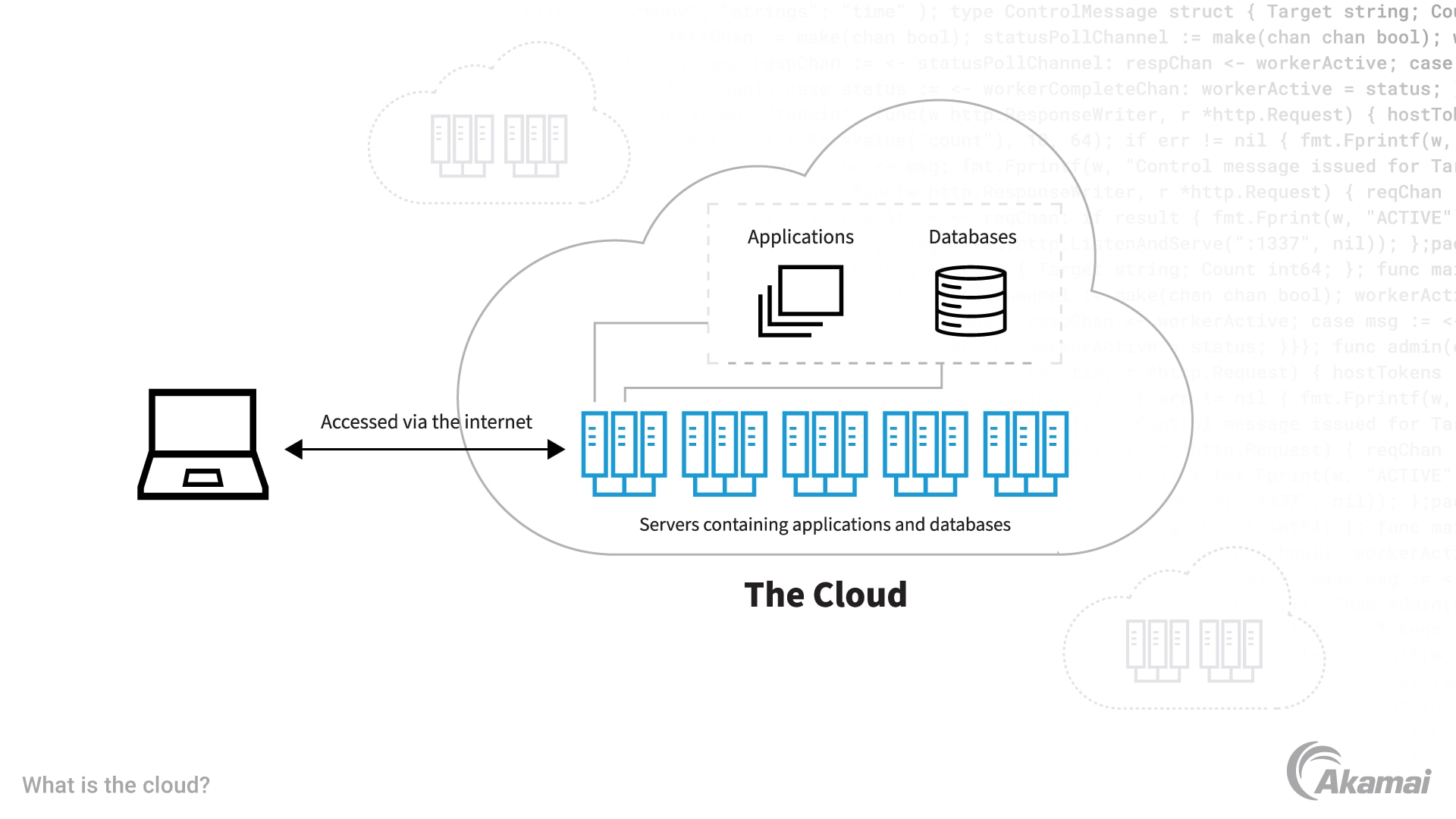
In simple terms, cloud computing means using computing resources—including servers, storage, databases, networking, and software—over the internet instead of owning physical hardware.
For instance, when you store images on Google Drive or stream content on Netflix, your data is processed and stored on remote servers (the cloud), not on your local device. That is the real-world illustration of cloud computing.
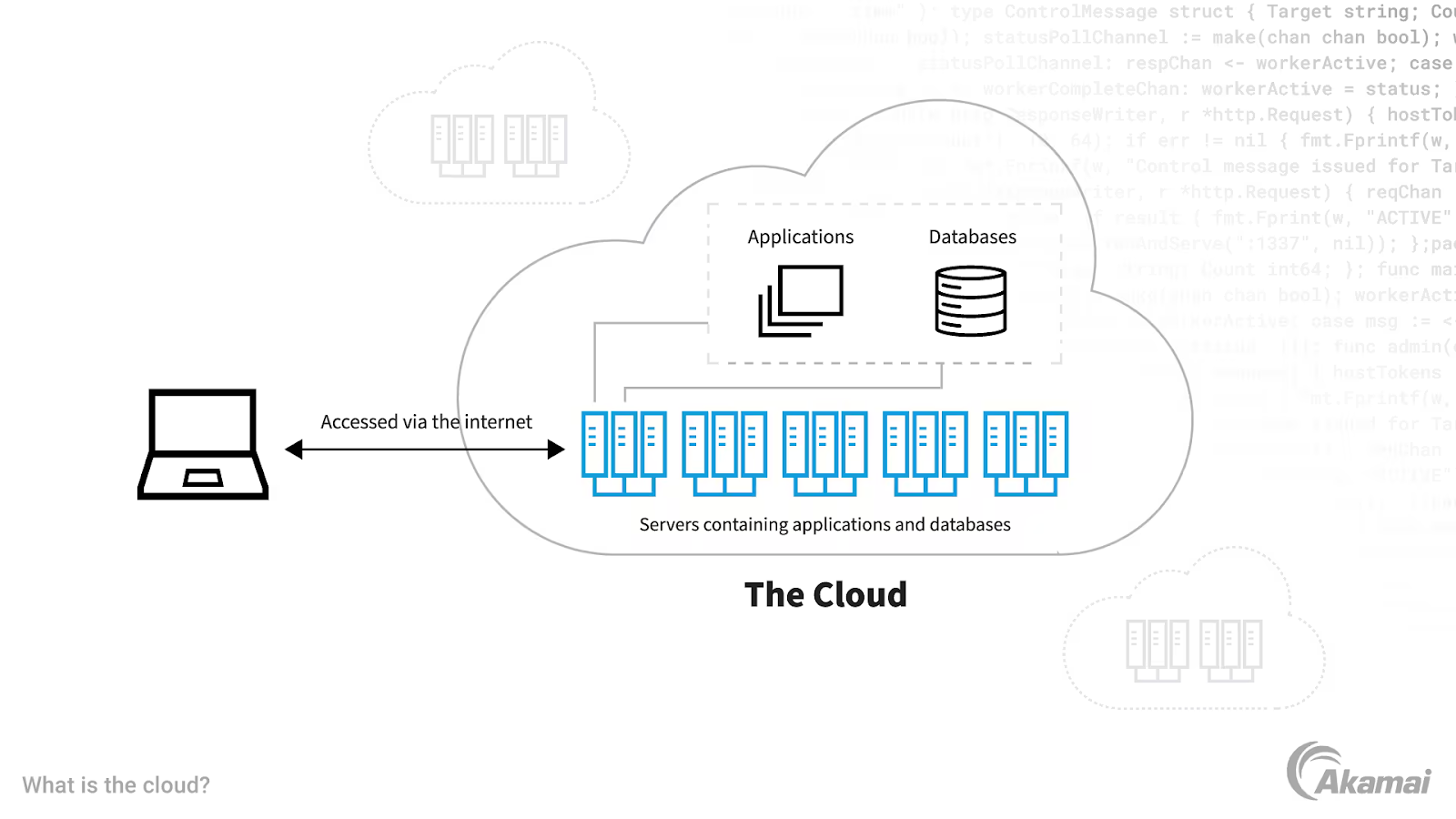
Source: https://www.akamai.com/site/en/images/article/2023/what-is-the-cloud.png
The History and Evolution of Cloud Computing
The history of cloud computing can be traced back to early ideas about shared computing resources, but the modern concept evolved gradually over several decades. In the 1960s, computer scientist John McCarthy introduced the concept of time-sharing, which allowed multiple users to share computing resources. While this was not cloud computing in its modern form, it laid important foundations for the idea of computing as a shared service.
The real evolution of cloud computing began in the early 2000s with the rise of high-speed internet and virtualization technologies.
- 2006: Amazon launched AWS cloud computing, offering on-demand infrastructure.
- 2010s: Google Cloud and Microsoft Azure were introduced.
- Today: Cloud-native apps, AI, and serverless computing dominate.
So, who invented cloud computing? No single individual created it. Instead, pioneers such as McCarthy and technology companies like Amazon, Google, and Microsoft shaped its modern form.

Source: https://tinyurl.com/bdcutbxc
How Does Cloud Computing Operate?
Consider three primary layers to comprehend how cloud computing operates:
- Front End: User devices (browsers, laptops, and mobile phones)
- Back End: Storage, databases, and cloud servers
- Network: The internet connects both
When you make a service request, it is sent to the cloud provider's data center, where resources are dynamically distributed. The fundamental efficiency of the cloud is that you only pay for what you use.

Source: https://tinyurl.com/2fpp9aku
Also Read: How Small Businesses Can Strengthen Their Cloud Security
Cloud Computing Components
Important cloud computing components consist of:
- Servers: Containers or virtual machines
- Storage: Object, block, or file storage
- Networking: Virtual networks and load balancers
- Management Software: Monitoring, security, automation
Together, these components deliver scalable, flexible, and reliable computing services.
Types of Cloud Computing
Understanding the different types of cloud computing helps businesses choose the most appropriate model.
Deployment Models
- Public Cloud: Services provided by vendors such as AWS, Azure, and Google Cloud
- Private Cloud: Dedicated infrastructure used by a single organisation
- Hybrid Cloud: A combination of public and private cloud environments
- Multi-Cloud: The use of multiple cloud providers for resilience and flexibility

Source: https://tinyurl.com/3xe5z3rt
Service Models
- IaaS (Infrastructure as a Service): Provides virtual servers, storage, and networking without physical hardware.
- PaaS (Platform as a Service): Offers tools and platforms to build and deploy applications without managing infrastructure.
- SaaS (Software as a Service): Delivers software over the internet with no installation or maintenance required.
Also Read: The Rise of AIaaS (AI-as-a-Service) in Cloud Platforms
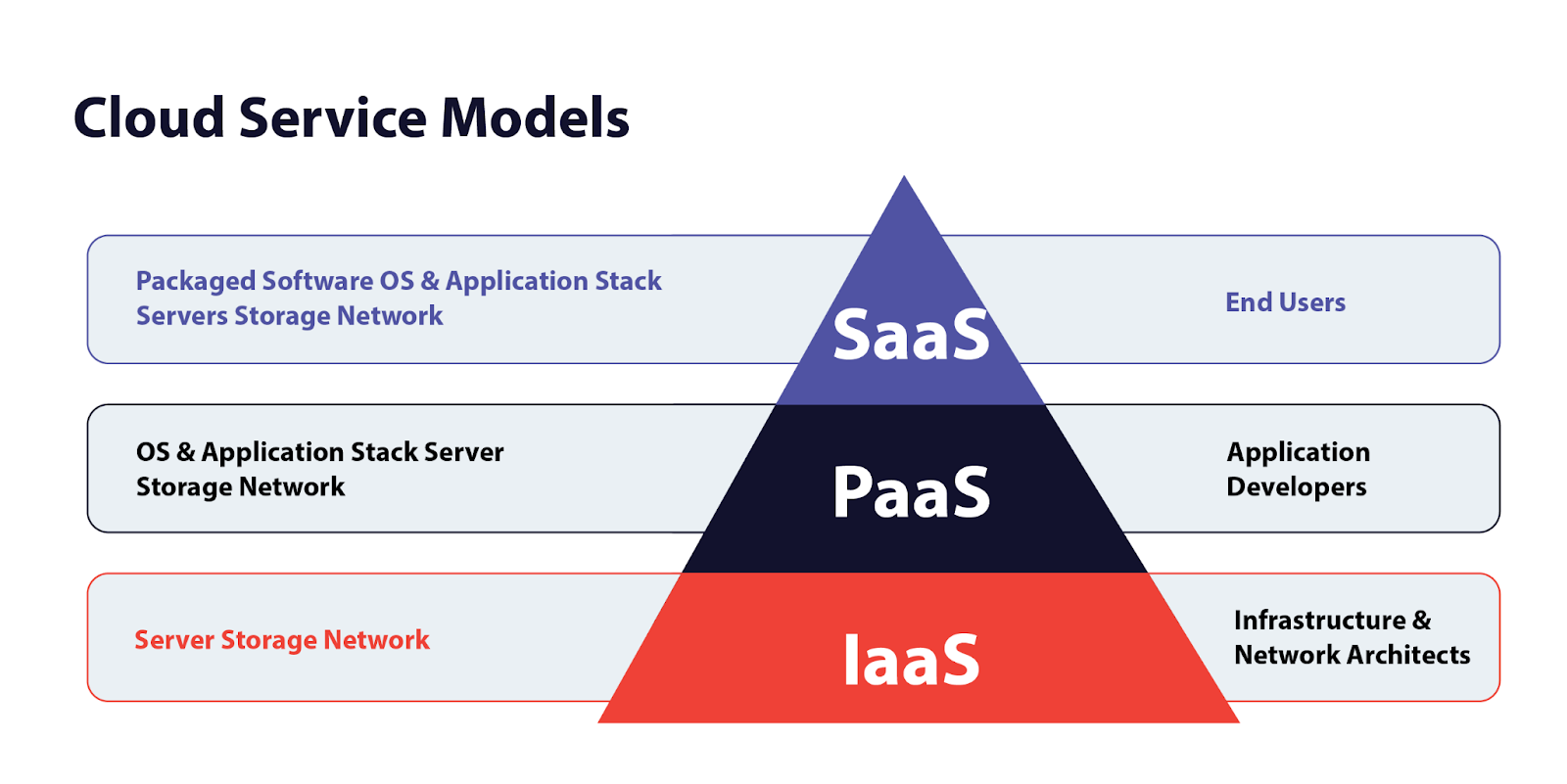
Source: https://tinyurl.com/2tfw8uu5
Characteristics and Benefits of Cloud Computing
Key Characteristics of Cloud Computing
- On-demand Self-service: Users can access computing resources instantly without human interaction
- Scalability and Elasticity: Resources can grow or shrink automatically based on demand
- Pay-as-you-go Pricing: Users pay only for the resources they actually consume
- High Availability and Reliability: Systems are designed to remain accessible with minimal downtime
Advantages of Cloud Computing
- Reduced IT Infrastructure Costs: Eliminates the need for expensive hardware and maintenance
- Faster Application Deployment: Enables rapid setup and launch of applications
- Global Accessibility: Allows access to systems and data from anywhere in the world
- Automatic Software Update: Keeps applications secure and up to date without manual effort
These explain the significance of cloud computing for contemporary businesses.
Also Read: Zero Trust Architecture: A Must-Have for Cloud Security in Modern Times
Applications and Impact of Cloud Computing
Applications of Cloud Computing
- AI and Data Analytics: Running machine learning models and processing large datasets in the cloud
- Mobile and Web Applications: Hosting and scaling apps for global user access
- Internet of Things (IoT) and Smart Systems: Connecting and managing data from smart devices and sensors
- Disaster Recovery and Business Continuity: Backing up systems and restoring operations after failures
Impact of Cloud Computing
Cloud computing has revolutionized businesses, healthcare, education, and finance, reducing entry barriers and boosting global innovation.
Challenges of Cloud Computing
Cloud computing has challenges despite its advantages:
- Data Privacy and Security Concerns: Protecting sensitive data stored on external servers
- Vendor Lock-in Risks: Difficulty moving systems between different cloud providers
- Potential Downtime and Service Outages: Temporary loss of access due to provider failures
- Skills Shortages in Cloud Technologies: Limited availability of trained cloud professionals
Understanding these challenges facilitates smarter cloud adoption.
Also Read: Taming Multi-Cloud Complexity with Supercloud for Tech Leaders
How to Learn Cloud Computing and Build a Career
How to Learn Cloud Computing
- Build Strong Foundations: Start with core fundamentals such as Linux and networking
- Choose a Primary Platform: Learn one major cloud service like AWS, Azure, or Google Cloud
- Practise Hands-on Skills: Use labs and real-world projects to gain experience
- Validate Your Knowledge: Earn industry-recognised cloud certifications
How to Become a Cloud Computing Engineer
- Gain Applied Experience: Work on practical cloud-based projects
- Master Automation Skills: Learn DevOps tools and automation practices
- Understand System Design: Develop expertise in cloud architecture and security
Cloud roles are among the highest-paying tech careers today.
Final Thoughts
Cloud computing is not the future; it is the present. Understanding cloud technology opens the door to innovation and professional growth. From its early conceptual foundations to its massive global impact today, cloud computing continues to shape the digital world.
Whether you are a student, entrepreneur, or technology professional, cloud literacy is essential in a society driven by digital transformation.
The cloud is more than a technology. It is a new way of thinking about faster, smarter, and more connected computing.
References:
- https://www.akamai.com/glossary/what-is-cloud-computing
- https://aithority.com/it-and-devops/10-ai-ml-in-cloud-computing-trends-to-look-out-for-in-2024/
- https://8grams.medium.com/cloud-computing-the-fundamental-51b50b84c76a
- https://www.appviewx.com/education-center/cloud-services/
- https://www.veritis.com/blog/what-are-the-different-types-of-cloud-computing-services/
Explore Related Courses













COMMENTS(2)

UniAthena
Thank you for your support. Keep browsing. You can visit our page uniathena.com to explore more courses.
Thank you for your support. Keep browsing. You can visit our page uniathena.com to explore more courses.
Explore Related Courses
Our Popular Insights
Careers are shifting faster than ever, and staying relevant takes more than experience. Explore UniAthena’s most-read blogs for sharp insights, emerging skills, and practical pathways that help you move forward with clarity and confidence in a changing professional world.


🌟 Top Project Performer – June 2026 🌟
Read More
1
mins read



🌟 Top Project Performer – May 2026 🌟
Read More
1
mins read

🌟 Top Project Performer – April 2026 🌟
Read More
1
mins read

🌟 Top Project Performer – June 2026 🌟
Read more
1
mins read
🌟 Top Project Performer – May 2026 🌟
Read more
1
mins read

🌟 Top Project Performer – April 2026 🌟
Read more
1
mins read
Get in Touch

It’s Time to Start
Join NowMost Popular Online Specialization
- Master of International Business Administration
- Master of Business Administration
- MBA in General Management- FastTrack
- Master in Innovation and Entrepreneurship
- MBA-Family Business Management
- Master in Procurement and Contract Management
- Extended Diploma in Business Analytics (SCQF Level 11)
- Diploma in Supply Chain and Logistics Management (SCQF Level 11)
- Strategic Human Resource Management Practitioner
- Master in Data Science
- Master in Engineering Management
Trending Online
- Integrated Doctorate of Business Administration
- Postgraduate Certificate in Finance for Next Generation Managers
- Master of Business Administration- General Management (Fast Track)
- Postgraduate Certificate in Socio-Economic and Legal Framework
- Postgraduate Certificate in Business Sustainability
- Certified Manager
- Supply Chain Management Practitioner
- MBA - AI in Business
- MBA - Accounting & Finance
- Master in Supply Chain and Logistics Management
Top Universities Online Certificates
- Postgraduate Certificate in International Marketing Management
- Postgraduate Certificate In International Human Resource Management
- Postgraduate Certificate in Strategic Management
- Postgraduate Certificate in Procurement & Contracts Management
- Postgraduate Certificate in Business Analytics
- Postgraduate Certificate in Strategic Supply Chain & Logistics Management
- Postgraduate Certificate in Human Resource and Leadership
- Project Management Practitioner
- Postgraduate Certificate in Supply Chain Design & Implementation
- Postgraduate Certificate in Management Accounting and Finance
Accredited Online Degree Program
- MBA - Digital Transformation
- MBA - Family Business Management
- MBA - Marketing Management
- MBA in Quality Management
- MBA - Business Intelligence & Data Analytics
- MBA in Operations & Project Management
- MBA in Energy Management
- MBA In Construction & Safety Management
- Master in Organisational Leadership
- Master in Public Health
- Master in Construction Management
- Bachelor of Arts in Business Administration


 Install Now


UniAthena is an Ed-Tech, offering flexible, affordable learning solutions, including Free-Learning Upskilling Courses and Academic Programs in partnerships with accredited and globally renowned universities and professional qualification bodies.


Do you have any questions ?
Feel free to send us your questions or request a free consultation
Send a message
UK
Athena Global Education
Magdalen Centre,
Robert Robinson Avenue,
Oxford, OX4 4GA, UK
Phone : 01865 784299
MIDDLE EAST
Athena Global Education FZE
Block L-03, First Floor,
P O Box 519265, Sharjah Publishing City,
Free Zone, Sharjah, UAE
Phone : +971 55 879 5492
INDIA
Uniathena Private Limited
9A,Midas Tower
Phase 1
Hinjewadi Rajiv Gandhi Infotech Park
Pune-411057
Phone: +91 9145665544
All Copyrights Reserved @ Athena Global Education 2021-2026