-

Bachelor's

-

Masters
-

MBA
-

Doctorate
-

Micro Credit
-

Explore all Courses
-
Postgraduate Certifications

-
Postgraduate Diploma
-
Undergraduate Diploma
-
Diploma



Zero Trust Architecture: A Must-Have for Cloud Security in Modern Times

Author: malik basit ahmad
|5
MINS READ
| 0
| 233
Created On: 19 June, 2025
Share




With businesses moving more and more data and operations to the cloud, cloud security is one of the most important concerns for companies globally. Moving towards cloud technology security is inevitable, but so is the challenge of safeguarding cloud environments against advanced cyber attacks.
Enter Zero Trust Architecture (ZTA) — a revolutionary approach that is fast becoming the cornerstone of modern cloud computing security. In present times, adopting a zero-trust model cloud strategy isn’t just recommended; it’s a must-have.
What is Zero Trust?
The Zero Trust model turns security paradigms on their heads. Rather than trusting devices or users within a network as a default, zero trust security demands that every access attempt be verified, no matter where it comes from. The mantra: never trust, always verify. This means that no user, device, or application is trusted implicitly, limiting attack surfaces and stopping lateral movement in the event of a breach.
Essentially, the zero trust model eliminates the concept of trusted internal networks and untrusted external networks. All requests are inherently suspect, and access is only granted on a need-to-know, least-privilege basis.
Why Zero Trust is Critical for Cloud Security
Cloud networks are fundamentally distinct from legacy on-premises networks. Clouds are dynamic, elastic, and accessed remotely and by multiple devices. This introduces new risks that traditional perimeter-based security models can't manage well.
The zero trust approach to cloud security provides a more fine-grained, adaptive, and pervasive security stance well-suited for the cloud.
By authenticating and authorizing at each step, ZTA gives more robust protection against threats, including:
- Credential theft
- Insider threats
- Data exfiltration
- Unauthorized access
- Advanced persistent threats (APTs)
Identity components in Zero Trust
One of the key pillars of a trust network is robust identity management. Key components of Identity Zero Trust entail:
- Multi-Factor Authentication (MFA): MFA enforcement adds an important layer of security by demanding multiple proof factors for access.
- Continuous Verification: Rather than one-time verification, zero trust requires constant monitoring of user activity and device posture.
- Least Privilege Access: Users receive only the most minimal access required to execute their function, minimizing the chance of abuse.
- Role-Based Access Control (RBAC): Establishes permissions based on job roles to simplify security policies.
Implementing Zero Trust for Cloud Security
Zero Trust for Cloud is not implemented in one step but is a strategic evolution that incorporates multiple best practices in cloud security:
- Map the Attack Surface: Determine key assets, data flows, and user interactions in your cloud environment to recognize where threats exist.
- Segment Your Network: Segment your cloud network into micro segments to compartmentalize sensitive resources and keep access tight.
- Strengthen Identity and Access Management (IAM): Use strong IAM solutions to facilitate MFA, single sign-on (SSO), and adaptive access policies.
- Continuous Monitoring and Analytics: Implement real-time monitoring and AI-based threat detection & response to rapidly detect and contain threats.
- Encrypt Data Everywhere: Secure data at rest, in transit, and processing with strong encryption protocols.
- Adopt Cloud Security Best Practice Frameworks: Adhere to guidelines from established standards such as NIST, CSA, or ISO 27001 for end-to-end coverage.
- Test and Update Policies Regularly: Cyber threats change so quickly, so review your zero trust policies and fix weaknesses continually.
Effects of a Zero Trust Security Architecture
Implementing a zero-trust security architecture revolutionizes how organizations secure cloud computing by improving:
- Security Posture: Minimized likelihood of breaches and data exposure by tight access control.
- Visibility: Real-time monitoring gives extensive insights into user activity and system abnormalities.
- Compliance: Facilitates regulatory compliance by implementing rigorous security policies.
- Resilience: Encompasses adaptive trust & cyber resilience by dynamically adapting trust levels based on context, e.g., device health or location.
- Efficiency: Reduces the attack surface while allowing secure remote access, facilitating cutting-edge hybrid work models.
Overcoming Gaps in Zero Trust Security
Although Zero Trust offers sound security, it's not without issues. Typical Gaps in Zero Trust Security are:
- Complexity of Implementation: Moving away from legacy models needs organizational acceptance and competency building.
- Legacy Systems: Legacy applications might not natively support zero trust controls.
- Developing User Experience: Excessive authentication can anger users unless well-designed.
- Issues in Integrations: Seamless working between a variety of cloud services and tools can prove to be challenging.
Developing organizations need to pursue phased development, invest in training, and utilize automation to bridge these gaps.
AI-Powered Threat Detection & Response: Zero Trust's Future
One of the thrilling innovations augmenting the zero-trust model cloud is the combination of machine learning and AI. AI tools scan enormous amounts of data from cloud logs of activity, revealing anomalies that may go unnoticed by humans.
These technologies allow:
- Quicker threat identification
- Automated response to incidents
- Proactive threat hunting
- Predictive risk modeling
By integrating AI and Zero Trust design principles, organizations can realize a new standard of cloud security best practice, with fast adaptation to changing cyber threats.
Best Practices with Zero Trust
In conclusion, the following are some cloud computing security best practices to adopt in addition to a zero-trust strategy:
- Employ identity-based security controls with MFA and RBAC.
- Segment cloud environments and apply tight network policies.
- Encrypt all sensitive data, wherever located.
- Monitor cloud workloads and user behavior constantly.
- Utilize AI-powered security solutions for real-time threat analysis.
- Audit and refresh security settings on a regular basis.
- Train employees to mitigate phishing and social engineering threats.
- Select cloud providers with comprehensive security compliance and certifications.
Cloud Security: Defined in the Context of Zero Trust
To define cloud security simply: safeguarding data, applications, and services deployed in the cloud against unauthorized access, data breach, and cyber attacks. The zero-trust cloud security model enhances this protection with holistic removal of implicit trust and insistence on verification at all levels of access.
Conclusion
As cloud deployment speeds up and cyber threats become more advanced, the old security models do not do the trick anymore. Zero Trust Architecture is the future-proof solution to security in the cloud, allowing organizations to protect valuable assets without compromising agility and performance.
Organizations on cloud security must incorporate zero trust concepts into their infrastructure, deploying identity management, continuous monitoring, AI-powered detection, and adaptive trust policies. If these best practices for cloud security are followed, it guarantees a secure, compliant, and robust cloud environment prepared to tackle challenges ahead.
If you’re looking to future-proof your cloud security strategy, now is the time to adopt the zero trust model and make it the foundation of your cloud computing security approach. Because in the cloud, trust is earned, never assumed.
References:
- NIST Special Publication 800-207 - Zero Trust Architecture
https://csrc.nist.gov/publications/detail/sp/800-207/final
(The authoritative framework defining Zero Trust principles and architecture.) - Microsoft - What is Zero Trust?
https://learn.microsoft.com/en-us/security/zero-trust/zero-trust-overview
(Comprehensive explanation of Zero Trust concepts and implementation guidelines.) - Gartner - Zero Trust Security: How to Implement and Operationalize
https://www.gartner.com/en/documents/3982526-zero-trust-security-how-to-implement-and-operationalize
(Insights on practical Zero Trust deployment and its role in cloud security.)
Explore Related Courses












COMMENTS(0)
Explore Related Courses
Our Popular Insights
Careers are shifting faster than ever, and staying relevant takes more than experience. Explore UniAthena’s most-read blogs for sharp insights, emerging skills, and practical pathways that help you move forward with clarity and confidence in a changing professional world.
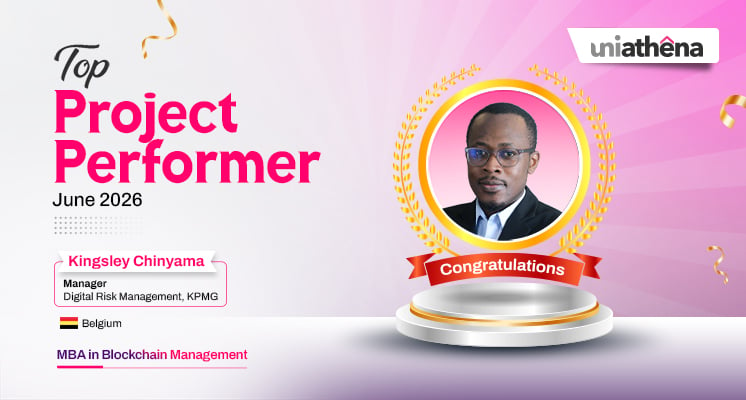
🌟 Top Project Performer – June 2026 🌟
Read More
1
mins read


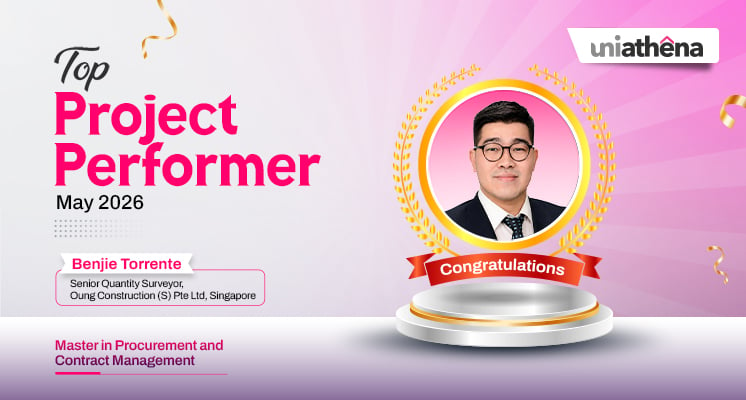
🌟 Top Project Performer – May 2026 🌟
Read More
1
mins read

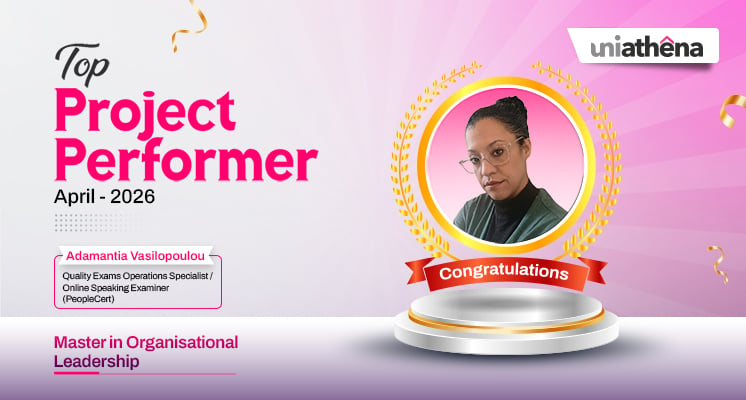
🌟 Top Project Performer – April 2026 🌟
Read More
1
mins read

🌟 Top Project Performer – June 2026 🌟
Read more
1
mins read
🌟 Top Project Performer – May 2026 🌟
Read more
1
mins read

🌟 Top Project Performer – April 2026 🌟
Read more
1
mins read
Get in Touch

It’s Time to Start
Join NowMost Popular Online Specialization
- Master of International Business Administration
- Master of Business Administration
- MBA in General Management- FastTrack
- Master in Innovation and Entrepreneurship
- MBA-Family Business Management
- Master in Procurement and Contract Management
- Extended Diploma in Business Analytics (SCQF Level 11)
- Diploma in Supply Chain and Logistics Management (SCQF Level 11)
- Strategic Human Resource Management Practitioner
- Master in Data Science
- Master in Engineering Management
Trending Online
- Integrated Doctorate of Business Administration
- Postgraduate Certificate in Finance for Next Generation Managers
- Master of Business Administration- General Management (Fast Track)
- Postgraduate Certificate in Socio-Economic and Legal Framework
- Postgraduate Certificate in Business Sustainability
- Certified Manager
- Supply Chain Management Practitioner
- MBA - AI in Business
- MBA - Accounting & Finance
- Master in Supply Chain and Logistics Management
Top Universities Online Certificates
- Postgraduate Certificate in International Marketing Management
- Postgraduate Certificate In International Human Resource Management
- Postgraduate Certificate in Strategic Management
- Postgraduate Certificate in Procurement & Contracts Management
- Postgraduate Certificate in Business Analytics
- Postgraduate Certificate in Strategic Supply Chain & Logistics Management
- Postgraduate Certificate in Human Resource and Leadership
- Project Management Practitioner
- Postgraduate Certificate in Supply Chain Design & Implementation
- Postgraduate Certificate in Management Accounting and Finance
Accredited Online Degree Program
- MBA - Digital Transformation
- MBA - Family Business Management
- MBA - Marketing Management
- MBA in Quality Management
- MBA - Business Intelligence & Data Analytics
- MBA in Operations & Project Management
- MBA in Energy Management
- MBA In Construction & Safety Management
- Master in Organisational Leadership
- Master in Public Health
- Master in Construction Management
- Bachelor of Arts in Business Administration


 Install Now


UniAthena is an Ed-Tech, offering flexible, affordable learning solutions, including Free-Learning Upskilling Courses and Academic Programs in partnerships with accredited and globally renowned universities and professional qualification bodies.


Do you have any questions ?
Feel free to send us your questions or request a free consultation
Send a message
UK
Athena Global Education
Magdalen Centre,
Robert Robinson Avenue,
Oxford, OX4 4GA, UK
Phone : 01865 784299
MIDDLE EAST
Athena Global Education FZE
Block L-03, First Floor,
P O Box 519265, Sharjah Publishing City,
Free Zone, Sharjah, UAE
Phone : +971 55 879 5492
INDIA
Uniathena Private Limited
9A,Midas Tower
Phase 1
Hinjewadi Rajiv Gandhi Infotech Park
Pune-411057
Phone: +91 9145665544
All Copyrights Reserved @ Athena Global Education 2021-2026