-

Bachelor's

-

Masters
-

MBA
-

Doctorate
-

Micro Credit
-

Explore all Courses
-
Postgraduate Certifications

-
Postgraduate Diploma
-
Undergraduate Diploma
-
Diploma



Biophilic Design in Industrial Workspaces: A New Safety Tool for EHS Professionals
Author: aishwarya sancheti
|3
MINS READ
| 0
| 119
Created On: 22 May, 2025 Updated On: 15 October, 2025
Share




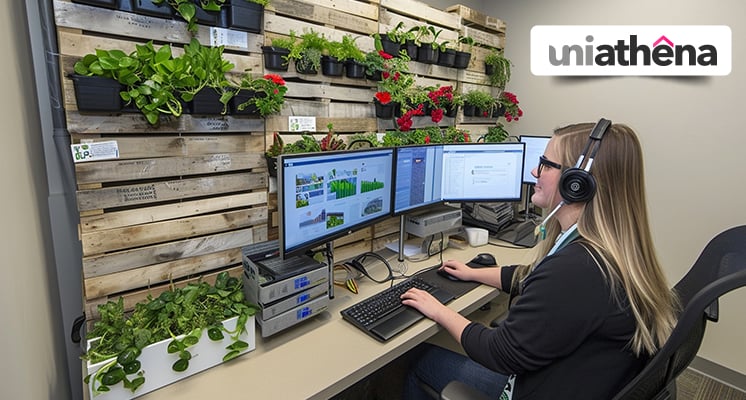
In the pursuit of zero-incident workplaces, Environmental, Health, and Safety (EHS) frameworks often focus on immediate, tangible risks – hazardous materials, machinery safety, emergency protocols. However, an overlooked, research-backed approach is emerging as a silent contributor to workplace safety: biophilic design.
By introducing natural elements such as daylight, greenery, and organic textures into industrial workspaces, organizations are not just enhancing aesthetics; they are reducing accidents, lowering fatigue, and improving worker wellness. For EHS leaders, understanding how biophilic strategies enhance operational safety is no longer optional, it’s essential.
When was the last time your risk assessment included environmental stress factors like lighting, color, or natural elements?
Understanding the Science: How Nature Boosts Safety
The human brain has evolved in natural environments. Research from the Center for Disease Control and Prevention (CDC) confirms that prolonged exposure to artificial, sterile environments can contribute to elevated stress levels, cognitive fatigue, and reduced focus factors that directly correlate with increased workplace incidents.
A report by NIOSH also highlights how chronic workplace stress compromises decision-making and reaction times. In high-risk industries like manufacturing, construction, or logistics, even minor lapses can lead to major incidents.
Real-world visualization: Picture a forklift operator navigating tight warehouse lanes at midnight, under harsh fluorescent lights and no visual breaks. Now imagine the same worker operating in a brighter space with skylights and calming greenery. Which environment do you think promotes sharper alertness and safer operations?
Practical Integration: Biophilic Design for Industrial EHS
Biophilic design doesn’t require major architectural overhauls. Even small, deliberate changes can significantly influence workplace safety:
- Natural Lighting: Prioritize daylight exposure where feasible. Introduce skylights, windows, or solar tubes into operational areas.
- Green Zones: Create plant-filled break areas to support mental recovery during shifts.
- Material Choices: Use wood, natural fibers, or stone textures in common zones to foster a calming atmosphere.
- Living Walls and Art: Install vertical gardens or nature-themed murals in production floors and lobbies.
- Nature Exposure: Where outdoor access is limited, virtual windows or projected nature visuals can simulate calming environments.
Conduct a "sensory audit", analysing employee exposure to light, color, sound, and greenery across high-risk zones. Then, map stress patterns against incident reports. This will help you pinpoint target areas for intervention.
Biophilic Safety Culture: Building the Business Case
A study cited by the U.S. General Services Administration (GSA) found that incorporating biophilic elements into workspaces led to a 15% improvement in employee well-being and a 6% increase in productivity.
For EHS leaders, this is more than a wellness initiative, it’s a strategic risk mitigation tool. Safer, healthier employees mean lower absenteeism, reduced error rates, and improved morale. These are critical factors in industries battling talent shortages and rising operational demands.
Investing in biophilic improvements could directly align with your organization's HSE KPIs, while also enhancing your ESG (Environmental, Social, Governance) profile, a rising priority in industrial compliance frameworks.
Advancing Your EHS Expertise with UniAthena
UniAthena’s Global EHS programs are designed to equip safety professionals with emerging strategies like biophilic integration, sustainable workplace design, and environmental ergonomics. Our flexible, internationally recognized courses bridge theoretical understanding with practical application, preparing EHS leaders to craft work environments that are safe, resilient, and human-centric.
Conclusion: Is Your Workplace Designed for Safety or Just for Compliance?
Today’s Safety leaders must go beyond regulations. True safety leadership involves understanding human behavior, environmental stressors, and designing environments that actively support well-being.
Explore UniAthena’s Diploma in Environment Health and Safety Management to discover how you can lead the next generation of safer, smarter workplaces, because a thriving workforce begins with an environment that works with human nature, not against it.
Explore Related Courses









COMMENTS(0)
Explore Related Courses
Our Popular Insights
Careers are shifting faster than ever, and staying relevant takes more than experience. Explore UniAthena’s most-read blogs for sharp insights, emerging skills, and practical pathways that help you move forward with clarity and confidence in a changing professional world.


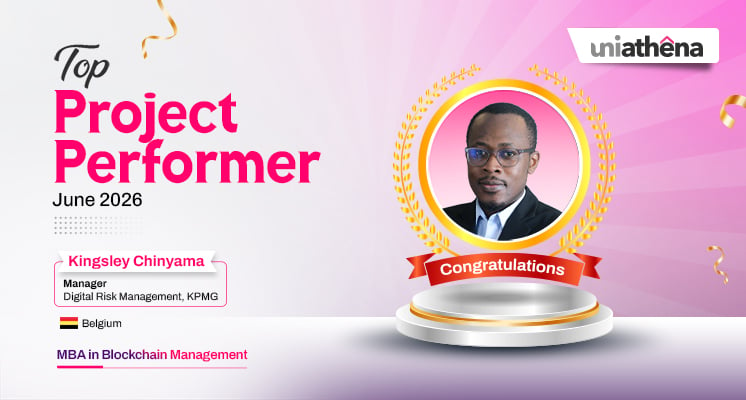
🌟 Top Project Performer – June 2026 🌟
Read More
1
mins read


🌟 Top Project Performer – May 2026 🌟
Read More
1
mins read



🌟 Top Project Performer – April 2026 🌟
Read More
1
mins read
🌟 Top Project Performer – June 2026 🌟
Read more
1
mins read

🌟 Top Project Performer – May 2026 🌟
Read more
1
mins read
🌟 Top Project Performer – April 2026 🌟
Read more
1
mins read
Get in Touch

It’s Time to Start
Join NowMost Popular Online Specialization
- Master of International Business Administration
- Master of Business Administration
- MBA in General Management- FastTrack
- Master in Innovation and Entrepreneurship
- MBA-Family Business Management
- Master in Procurement and Contract Management
- Extended Diploma in Business Analytics (SCQF Level 11)
- Diploma in Supply Chain and Logistics Management (SCQF Level 11)
- Strategic Human Resource Management Practitioner
- Master in Data Science
- Master in Engineering Management
Trending Online
- Integrated Doctorate of Business Administration
- Postgraduate Certificate in Finance for Next Generation Managers
- Master of Business Administration- General Management (Fast Track)
- Postgraduate Certificate in Socio-Economic and Legal Framework
- Postgraduate Certificate in Business Sustainability
- Certified Manager
- Supply Chain Management Practitioner
- MBA - AI in Business
- MBA - Accounting & Finance
- Master in Supply Chain and Logistics Management
Top Universities Online Certificates
- Postgraduate Certificate in International Marketing Management
- Postgraduate Certificate In International Human Resource Management
- Postgraduate Certificate in Strategic Management
- Postgraduate Certificate in Procurement & Contracts Management
- Postgraduate Certificate in Business Analytics
- Postgraduate Certificate in Strategic Supply Chain & Logistics Management
- Postgraduate Certificate in Human Resource and Leadership
- Project Management Practitioner
- Postgraduate Certificate in Supply Chain Design & Implementation
- Postgraduate Certificate in Management Accounting and Finance
Accredited Online Degree Program
- MBA - Digital Transformation
- MBA - Family Business Management
- MBA - Marketing Management
- MBA in Quality Management
- MBA - Business Intelligence & Data Analytics
- MBA in Operations & Project Management
- MBA in Energy Management
- MBA In Construction & Safety Management
- Master in Organisational Leadership
- Master in Public Health
- Master in Construction Management
- Bachelor of Arts in Business Administration


 Install Now


UniAthena is an Ed-Tech, offering flexible, affordable learning solutions, including Free-Learning Upskilling Courses and Academic Programs in partnerships with accredited and globally renowned universities and professional qualification bodies.


Do you have any questions ?
Feel free to send us your questions or request a free consultation
Send a message
UK
Athena Global Education
Magdalen Centre,
Robert Robinson Avenue,
Oxford, OX4 4GA, UK
Phone : 01865 784299
MIDDLE EAST
Athena Global Education FZE
Block L-03, First Floor,
P O Box 519265, Sharjah Publishing City,
Free Zone, Sharjah, UAE
Phone : +971 55 879 5492
INDIA
Uniathena Private Limited
9A,Midas Tower
Phase 1
Hinjewadi Rajiv Gandhi Infotech Park
Pune-411057
Phone: +91 9145665544
All Copyrights Reserved @ Athena Global Education 2021-2026