-

Bachelor's

-

Masters
-

MBA
-

Doctorate
-

Micro Credit
-

Explore all Courses
-
Postgraduate Certifications

-
Postgraduate Diploma
-
Undergraduate Diploma
-
Diploma



Sustainability by Design: Engineering Tomorrow’s Net Zero Operations
Author: rinta george
|3
MINS READ
| 0
| 112
Created On: 08 August, 2025
Share




Introduction
As the climate crisis accelerates, embedding sustainability at the heart of engineering and design is no longer optional — it’s essential. Sustainability-by-Design ensures that sustainable architecture and net-zero operations guide every planning and operational decision. Through sustainable design and green engineering solutions, companies and communities can forge cleaner, more resilient infrastructure that is geared toward long-term health and equity.
What Is Sustainability by Design?
This philosophy involves weaving environmental, economic, and social values into every stage of project development. Whether you’re working on sustainable industrial design, sustainable product design, or low-carbon construction, Sustainability-by-Design makes eco-conscious decisions foundational, not supplemental.
Understanding Net Zero: What Does It Mean?
- What is net zero?: Achieving a balance between greenhouse gases emitted and those removed.
- What are net zero emissions?: Ensuring that annual emissions are offset by removals or avoided altogether.
- What is a net-zero carbon building?: A building that produces as much energy from renewables—like solar PV, wind, or geothermal systems—as it consumes over a year.
- What does net zero mean for a company?: It involves minimizing emissions through efficiency and offsetting residuals responsibly.
- How to achieve net zero emissions?: Strategies include energy reduction, renewable energy integration, carbon offsetting, and behavior change.
The Role of Engineering in Achieving Net Zero Operations
Net Zero Engineering & Sustainable Engineering
Engineers are designing low-carbon engineering solutions across the transport, data centers, and manufacturing sectors. Smart grids, carbon capture, and circular economy models exemplify this shift.
Green Engineering Solutions
Modern structures often integrate geothermal HVAC systems, rainwater harvesting, and greywater recycling to reduce resource consumption and carbon intensity. These are core features of net-zero infrastructure.
Engineering Net Zero Infrastructure
Projects like the Pearl River Tower in China use built-in wind turbines and photovoltaics along with energy recuperation systems to approach zero-energy benchmarks. Similarly, Indira Paryavaran Bhawan in New Delhi relies on passive design, geothermal exchange, and solar power to reduce energy use by nearly 70 % compared to conventional buildings.
Digital Realty, a global data center operator, is targeting massive emission cuts—optimizing cooling and power usage with AI-driven controls and modular design, while using renewables to support net zero operations in core IT infrastructure.
Why Is Sustainable Design Important?
- Environmental: Reduces emissions, conserves water, and restores ecosystems.
- Economic: Lowers operational costs, stabilizes energy budgets, and enhances property value.
- Social: Fosters healthier workspaces, promotes wellbeing, and broader community resilience.
These benefits extend across sustainable architecture as well as sustainable design —from green architecture to sustainable product design.
What Is Sustainable Design in Architecture?
In architecture, sustainability emphasizes minimizing ecological impact over a building’s lifespan. Sustainable design principles include:
- Passive design: Optimizing orientation, daylighting, natural ventilation, and thermal mass to reduce HVAC load.
- High-performance envelopes: Airtight building skins with insulation and thermal breaks that improve energy efficiency.
- Renewable integration: Solar panels, geothermal systems, and solar thermal are incorporated seamlessly into the design.
- Water and waste systems: Rainwater harvesting, greywater recycling, low-flow fixtures to support net-zero water goals.
- Sustainable materials: Using recycled, locally sourced, and low‑carbon materials that are verified by life-cycle assessments or EPDs.
Sustainable Design Across Sectors
- Buildings: Smart monitoring, photovoltaics, green roofs, and energy-positive strategies.
- Products & Industry: Sustainable product design with minimal embodied carbon, recycling, and renewable sourcing.
- Urban Planning: Mixed-use, walkable developments with green infrastructure and biophilic design to lower transport emissions and promote resilience.
The Path Forward: Engineering a Sustainable Future
Engineering net zero starts with integrating sustainability from day one. As Peacock Architects explain: “Net-zero isn’t a feature you can tack on at the end. It has to be baked into the DNA… Energy modeling, life cycle assessment, and iterative design reviews are all part of our process”. This means choosing materials and systems with both operational and embodied carbon in mind.
To thrive on a warming planet, businesses and communities must design for sustainability. Sustainability-by-Design, combined with net zero operations, sustainable engineering, and green architecture, enables resilient, profitable, and environmentally regenerative outcomes. By committing to net zero, i.e., balancing emissions with removals—and designing net zero infrastructure, we can safeguard a livable planet for generations to come.
Sources:
Explore Related Courses












COMMENTS(0)
Explore Related Courses
Our Popular Insights
Careers are shifting faster than ever, and staying relevant takes more than experience. Explore UniAthena’s most-read blogs for sharp insights, emerging skills, and practical pathways that help you move forward with clarity and confidence in a changing professional world.
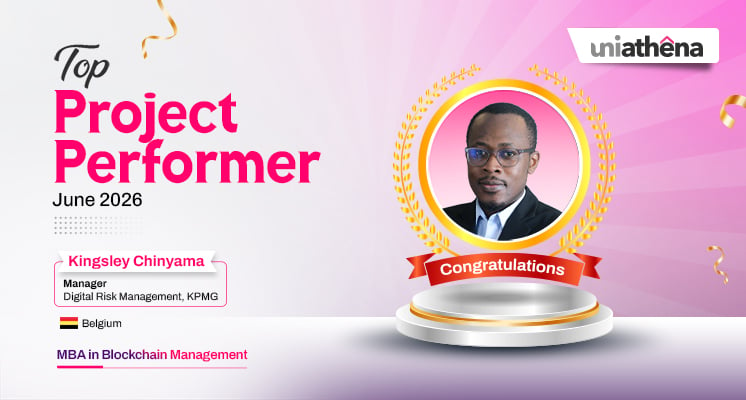
🌟 Top Project Performer – June 2026 🌟
Read More
1
mins read


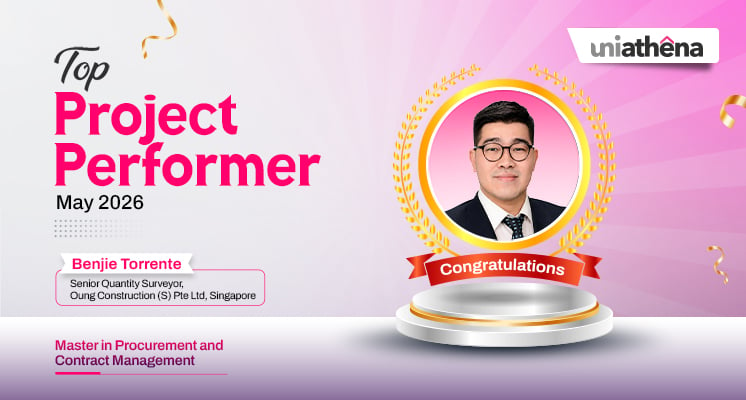
🌟 Top Project Performer – May 2026 🌟
Read More
1
mins read

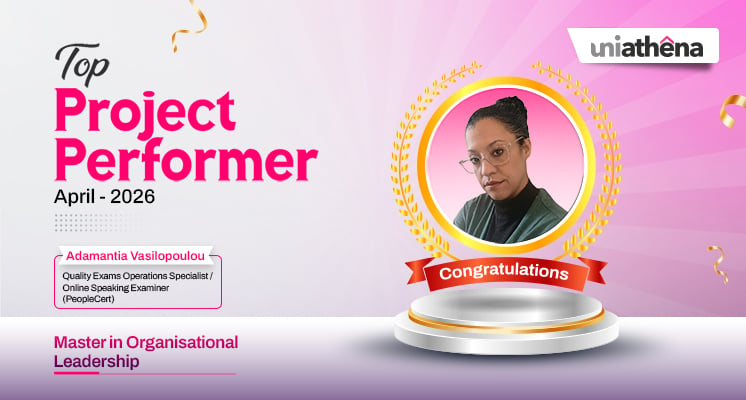
🌟 Top Project Performer – April 2026 🌟
Read More
1
mins read

🌟 Top Project Performer – June 2026 🌟
Read more
1
mins read
🌟 Top Project Performer – May 2026 🌟
Read more
1
mins read
🌟 Top Project Performer – April 2026 🌟
Read more
1
mins read
Get in Touch

It’s Time to Start
Join NowMost Popular Online Specialization
- Master of International Business Administration
- Master of Business Administration
- MBA in General Management- FastTrack
- Master in Innovation and Entrepreneurship
- MBA-Family Business Management
- Master in Procurement and Contract Management
- Extended Diploma in Business Analytics (SCQF Level 11)
- Diploma in Supply Chain and Logistics Management (SCQF Level 11)
- Strategic Human Resource Management Practitioner
- Master in Data Science
- Master in Engineering Management
Trending Online
- Integrated Doctorate of Business Administration
- Postgraduate Certificate in Finance for Next Generation Managers
- Master of Business Administration- General Management (Fast Track)
- Postgraduate Certificate in Socio-Economic and Legal Framework
- Postgraduate Certificate in Business Sustainability
- Certified Manager
- Supply Chain Management Practitioner
- MBA - AI in Business
- MBA - Accounting & Finance
- Master in Supply Chain and Logistics Management
Top Universities Online Certificates
- Postgraduate Certificate in International Marketing Management
- Postgraduate Certificate In International Human Resource Management
- Postgraduate Certificate in Strategic Management
- Postgraduate Certificate in Procurement & Contracts Management
- Postgraduate Certificate in Business Analytics
- Postgraduate Certificate in Strategic Supply Chain & Logistics Management
- Postgraduate Certificate in Human Resource and Leadership
- Project Management Practitioner
- Postgraduate Certificate in Supply Chain Design & Implementation
- Postgraduate Certificate in Management Accounting and Finance
Accredited Online Degree Program
- MBA - Digital Transformation
- MBA - Family Business Management
- MBA - Marketing Management
- MBA in Quality Management
- MBA - Business Intelligence & Data Analytics
- MBA in Operations & Project Management
- MBA in Energy Management
- MBA In Construction & Safety Management
- Master in Organisational Leadership
- Master in Public Health
- Master in Construction Management
- Bachelor of Arts in Business Administration


 Install Now


UniAthena is an Ed-Tech, offering flexible, affordable learning solutions, including Free-Learning Upskilling Courses and Academic Programs in partnerships with accredited and globally renowned universities and professional qualification bodies.


Do you have any questions ?
Feel free to send us your questions or request a free consultation
Send a message
UK
Athena Global Education
Magdalen Centre,
Robert Robinson Avenue,
Oxford, OX4 4GA, UK
Phone : 01865 784299
MIDDLE EAST
Athena Global Education FZE
Block L-03, First Floor,
P O Box 519265, Sharjah Publishing City,
Free Zone, Sharjah, UAE
Phone : +971 55 879 5492
INDIA
Uniathena Private Limited
9A,Midas Tower
Phase 1
Hinjewadi Rajiv Gandhi Infotech Park
Pune-411057
Phone: +91 9145665544
All Copyrights Reserved @ Athena Global Education 2021-2026