-

Bachelor's

-

Masters
-

MBA
-

Doctorate
-

Micro Credit
-

Explore all Courses
-
Postgraduate Certifications

-
Postgraduate Diploma
-
Undergraduate Diploma
-
Diploma



The Power of Sentiment Analysis in the Corporate Realm
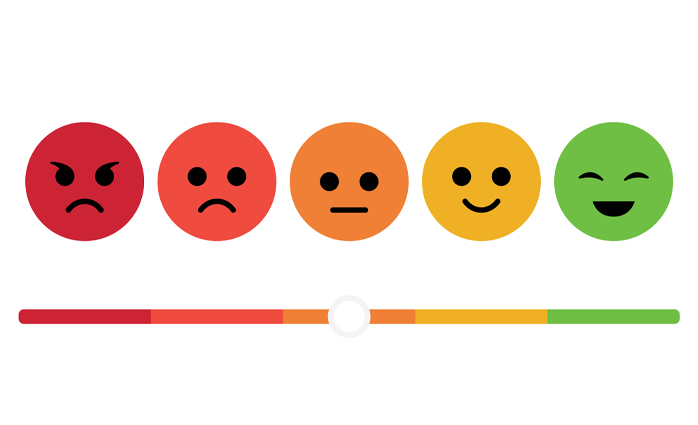
Author: prashant priyadarshi
|3
MINS READ
| 2
| 194
Created On: 03 February, 2024
Share




In today's fast-paced business landscape, staying ahead of the competition requires more than just crunching numbers and analyzing statistics. Understanding the emotions, opinions, and sentiments of customers and stakeholders has become a critical aspect of making informed decisions. This is where the application of sentiment analysis comes into play, revolutionizing the way companies perceive and respond to the market. In this blog post, we'll delve into the fascinating world of sentiment analysis and explore its profound impact on various sectors of the business world.
What is Sentiment Analysis?
Sentiment analysis, also known as opinion mining, is a computational technique that involves extracting and categorizing emotions, opinions, and attitudes expressed in textual data. By utilizing natural language processing (NLP) and machine learning algorithms, sentiment analysis seeks to determine whether a given piece of text carries a positive, negative, or neutral sentiment. This technology has rapidly evolved, allowing businesses to gain valuable insights from social media posts, customer reviews, surveys, and other text-based sources.
Customer Insights and Market Research
Understanding customer sentiment is paramount for businesses aiming to develop products and services that resonate with their target audience. Sentiment analysis enables companies to gain a comprehensive understanding of customer opinions, concerns, and preferences. By analyzing customer feedback from various channels, such as social media, online reviews, and customer service interactions, businesses can adapt their strategies in real-time. Positive sentiment can be capitalized on, while negative sentiment can be addressed promptly to prevent potential crises.
Brand Reputation Management
In the digital age, a company's reputation can be tarnished or enhanced within moments. Sentiment analysis acts as a vigilant guardian, helping businesses monitor their brand perception across the web. By identifying negative sentiment early, companies can take proactive measures to rectify issues and protect their brand integrity. Furthermore, positive sentiment can be leveraged for marketing and promotional efforts, strengthening customer trust and loyalty.
Financial Markets and Investment Strategies
Sentiment analysis isn't limited to consumer-oriented businesses. It has found its way into the world of finance, where understanding market sentiment can influence investment decisions. Traders and investors now rely on sentiment analysis tools to gauge market sentiment by analyzing news articles, social media chatter, and financial reports. This information can provide valuable insights into market trends, helping investors make more informed decisions.
Enhancing Customer Service
In the age of instant communication, customers expect quick and personalized responses. Sentiment analysis can be integrated into customer service systems to gauge the emotions behind customer inquiries and complaints. By understanding the sentiment of customer interactions, companies can tailor their responses to provide empathetic and effective solutions, enhancing customer satisfaction and loyalty.
Product Innovation and Development
Creating products that meet customer needs and desires is a complex process. Sentiment analysis offers a direct window into customer preferences and pain points. By analyzing sentiments expressed in product reviews and feedback, businesses can identify areas for improvement and innovation. This insight guides product development strategies, ensuring that new offerings align with customer expectations.
Challenges and Considerations
While sentiment analysis holds great promise, there are challenges to overcome. Contextual understanding, sarcasm detection, and cultural nuances can pose difficulties for algorithms. Additionally, the ethical handling of personal data and user privacy must be maintained throughout the analysis process.
Conclusion
Sentiment analysis has transformed the way businesses interact with their audience, interpret market trends, and make critical decisions. By harnessing the power of natural language processing and machine learning, companies can uncover hidden insights that were once buried within vast amounts of textual data. From customer insights to brand management and financial analysis, sentiment analysis has truly emerged as a game-changer in the corporate realm. As technology continues to evolve, businesses that embrace sentiment analysis stand to gain a competitive edge by adapting swiftly to the ever-changing sentiments of their stakeholders.
Explore Related Courses











COMMENTS(2)

UniAthena
Thank you so much for your support. Keep browsing.
You can visit our page uniathena.com for more interesting articles.
Thank you so much for your support. Keep browsing.
You can visit our page uniathena.com for more interesting articles.
Explore Related Courses
Our Popular Insights
Careers are shifting faster than ever, and staying relevant takes more than experience. Explore UniAthena’s most-read blogs for sharp insights, emerging skills, and practical pathways that help you move forward with clarity and confidence in a changing professional world.

What is the usage of Power BI?
Read More
5
mins read




How to Switch Career to Data Analytics?
Read More
6
mins read

What is the usage of Power BI?
Read more
5
mins read
How to Switch Career to Data Analytics?
Read more
6
mins read
Get in Touch

It’s Time to Start
Join NowMost Popular Online Specialization
- Master of International Business Administration
- Master of Business Administration
- MBA in General Management- FastTrack
- Master in Innovation and Entrepreneurship
- MBA-Family Business Management
- Master in Procurement and Contract Management
- Extended Diploma in Business Analytics (SCQF Level 11)
- Diploma in Supply Chain and Logistics Management (SCQF Level 11)
- Strategic Human Resource Management Practitioner
- Master in Data Science
- Master in Engineering Management
Trending Online
- Integrated Doctorate of Business Administration
- Postgraduate Certificate in Finance for Next Generation Managers
- Master of Business Administration- General Management (Fast Track)
- Postgraduate Certificate in Socio-Economic and Legal Framework
- Postgraduate Certificate in Business Sustainability
- Certified Manager
- Supply Chain Management Practitioner
- MBA - AI in Business
- MBA - Accounting & Finance
- Master in Supply Chain and Logistics Management
Top Universities Online Certificates
- Postgraduate Certificate in International Marketing Management
- Postgraduate Certificate In International Human Resource Management
- Postgraduate Certificate in Strategic Management
- Postgraduate Certificate in Procurement & Contracts Management
- Postgraduate Certificate in Business Analytics
- Postgraduate Certificate in Strategic Supply Chain & Logistics Management
- Postgraduate Certificate in Human Resource and Leadership
- Project Management Practitioner
- Postgraduate Certificate in Supply Chain Design & Implementation
- Postgraduate Certificate in Management Accounting and Finance
Accredited Online Degree Program
- MBA - Digital Transformation
- MBA - Family Business Management
- MBA - Marketing Management
- MBA in Quality Management
- MBA - Business Intelligence & Data Analytics
- MBA in Operations & Project Management
- MBA in Energy Management
- MBA In Construction & Safety Management
- Master in Organisational Leadership
- Master in Public Health
- Master in Construction Management
- Bachelor of Arts in Business Administration


 Install Now


UniAthena is an Ed-Tech, offering flexible, affordable learning solutions, including Free-Learning Upskilling Courses and Academic Programs in partnerships with accredited and globally renowned universities and professional qualification bodies.


Do you have any questions ?
Feel free to send us your questions or request a free consultation
Send a message
UK
Athena Global Education
Magdalen Centre,
Robert Robinson Avenue,
Oxford, OX4 4GA, UK
Phone : 01865 784299
MIDDLE EAST
Athena Global Education FZE
Block L-03, First Floor,
P O Box 519265, Sharjah Publishing City,
Free Zone, Sharjah, UAE
Phone : +971 55 879 5492
INDIA
Uniathena Private Limited
9A,Midas Tower
Phase 1
Hinjewadi Rajiv Gandhi Infotech Park
Pune-411057
Phone: +91 9145665544
All Copyrights Reserved @ Athena Global Education 2021-2026