-

Bachelor's

-

Masters
-

MBA
-

Doctorate
-

Micro Credit
-

Explore all Courses
-
Postgraduate Certifications

-
Postgraduate Diploma
-
Undergraduate Diploma
-
Diploma



What Is Business Process Automation? Why It's Replacing Traditional Workflows

Author: munazzah ali
|6
MINS READ
| 0
| 9
Created On: 19 June, 2026
Share




Table of Contents (TOC):
- Introduction
- Key Takeaways
- The Hidden Cost of Traditional Workflows
- Behind Every Efficient Workflow Is Automation
- Where Business Process Automation Creates Immediate Impact
- Why Organizations Are Redesigning the Way Work Gets Done
- Building an Effective Business Process Automation Strategy
- Conclusion
- FAQs
Introduction
Every postponed approval, missed email, and spreadsheet that is manually updated carries a cost implication. Taken separately, these moments seem insignificant. They all lead to the delaying of decisions, frustrating teams, and causing bottlenecks that prevent businesses from operating at optimal levels.
One of the reasons why business process automation (BPA) is no longer on the IT department wishlist, but on the boardroom agenda, is this increasing pressure. The conventional workflows are finding it difficult to cope with the growing amount of data, transactions, and customer interactions that organizations have to deal with.
Business automation is a growing trend in businesses to make their operations easier, more consistent, and come up with processes that can grow with the business rather than hinder it.
Key Takeaways:
- Business Process Automation helps companies to automate routine and rule-based processes.
- Traditional workflows are likely to cause delays, errors, and bottlenecks.
- Automation of workflow enhances speed, visibility, and consistency of processes.
- BPA assists businesses in expanding as it enables scalable operations.
- Planning, stakeholder participation, and continuous improvement are needed to make implementation a success.
The Hidden Cost of Traditional Workflows
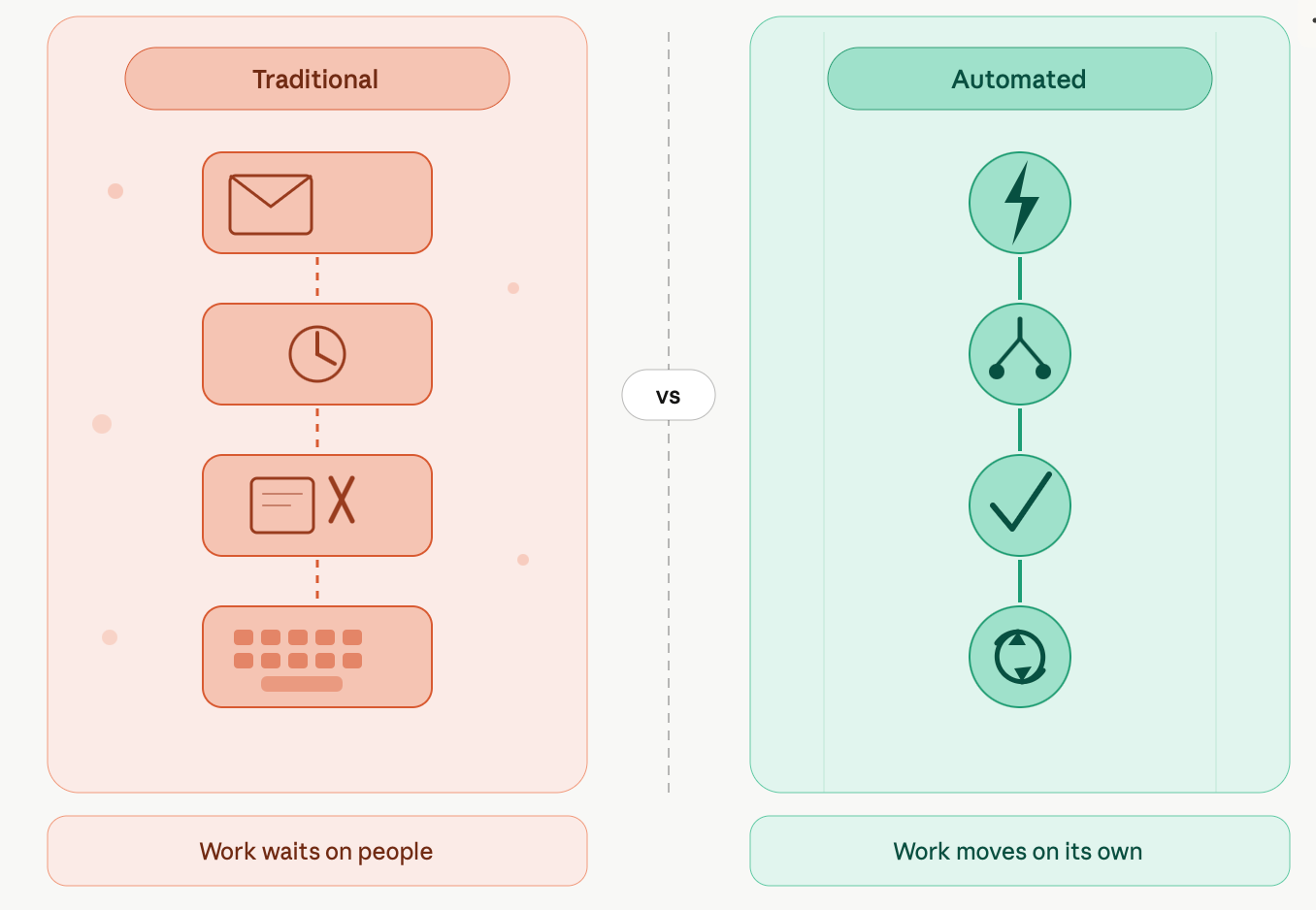
Conventional procedures may seem to work well until companies start to grow. Common challenges include:
- Manual Delays: The delays are frequently observed in the processes that are waiting for approvals, reviews, or data entry.
- Routine Management: Employees waste valuable time on unimportant routine tasks, which do not add much to the strategic value of a company.
- Increased Vulnerability to Errors: Manual data processing enhances the chances of errors and inconsistencies.
- Lack of Visibility of Processes: Managers tend to have difficulties with tracking the progress of the ongoing tasks and projects.
- Scaling Issues: When organizations grow, what may be effective with small groups may not be effective with others.
These restrictions have made companies revise the flow of work within and across departments and systems.
Behind Every Efficient Workflow Is Automation
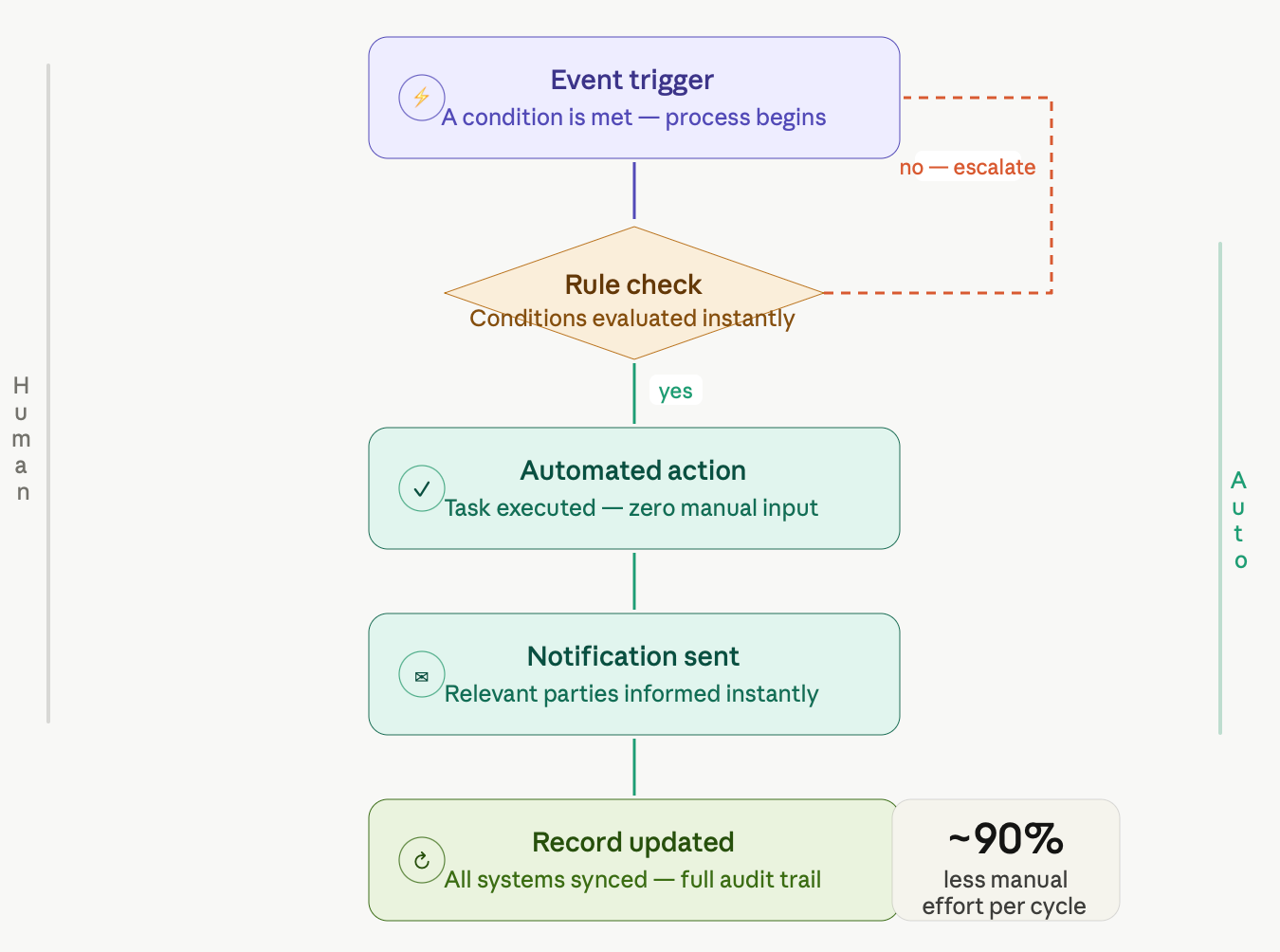
The most efficient organizations do not necessarily work harder; they are simply creating systems that work smarter. Business process automation (BPA) allows tasks that previously needed endless emails, follow-ups, and manual data entry to occur automatically.
BPA employs technology to automate rule-based, repetitive tasks like approvals, notifications, document routing, and record updates. It does not substitute employees; instead, it eliminates administrative burdens and enables the teams to work on higher-value work. When paired with strong business process management, automation will provide workflows that are quicker, more predictable, and simpler to scale.
Where Business Process Automation Creates Immediate Impact
Employee Onboarding
New employees usually need numerous approvals, submission of documents, and account setups. These steps can be automated by BPA and assist employees in being productive sooner and meeting the compliance requirements.
Invoice Processing
Handling of invoices manually may cause delays and payment errors. Information validation, approvals of routes, and payments can be processed faster and more accurately by automated workflows.
Professionals interested in this area can explore UniAthena's Mastering Financial Reporting Automation course. The course enables students to learn about financial statement analysis, changes in the IFRS, automation of financial reporting, and the increasing importance of data analytics in reporting and decision-making.
Leave Approval Management
Rather than having to use long email chains, workflow automation can be used to automatically forward leave requests to the appropriate managers and update attendance systems once approvals have been made.
Routing of Customer Support Tickets
Support requests may be grouped and automatically assigned according to some rules. This speeds up response time and enhances consistency in customer service.
Procurement and Purchase Requests
Automation of procurement processes in organizations enables organizations to direct requests to the approval hierarchy, monitor their progress, and record management without having to follow up manually.
Why Organizations Are Redesigning the Way Work Gets Done
Speed Has Become a Business Requirement
Customers, partners, and employees demand prompt reactions. Automated workflows assist organizations in responding more quickly to requests and minimizing unnecessary waiting time.
Precision Leads to improved Decisions
With businesses growing into more data-driven companies, accuracy is critical. Automation of workflow minimizes the occurrence of human error and promotes consistency in the execution of tasks among teams.
Visibility Improves Accountability
Leaders require real-time information on what is happening. BPA is more transparent as it enables the managers to track the progress, detect bottlenecks, and make effective decisions.
Growth Requires Scalable Processes
Procedures that perform well in a small organization tend to fail when the workload is increased. BPA assists companies in managing increased volumes without necessarily complicating their operations.
Also Read: How AI and Machine Learning Are Powering the Future of Business Automation
Building an Effective Business Process Automation Strategy
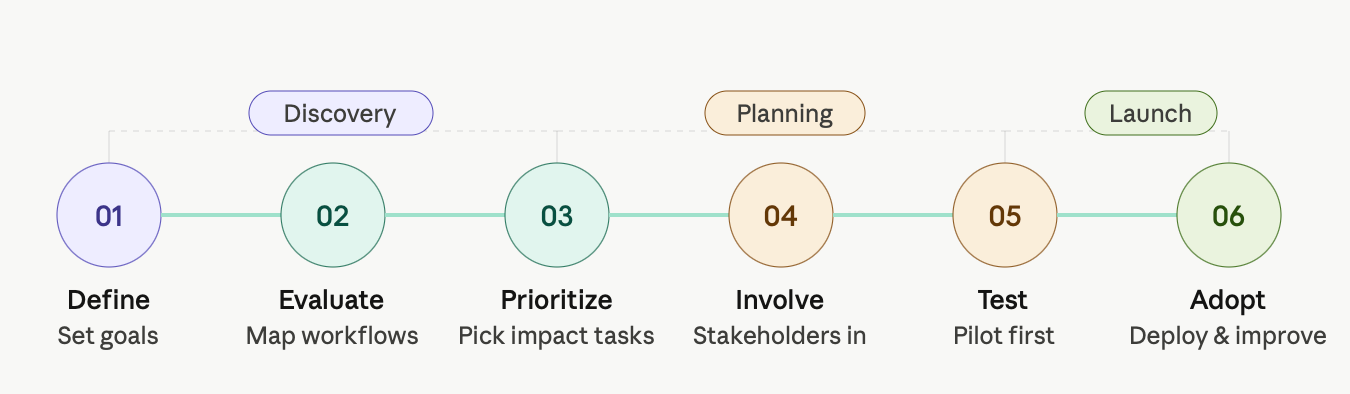
Define Clear Objectives
The organizations must start by defining particular objectives like cutting down on processing time, enhancing customer experience, or enhancing operational efficiency.
Evaluate Existing Processes
Before automation, a business has to map the current workflows and determine the bottlenecks, inefficiencies, and redundancies.
Emphasize the Right Processes
Not all tasks need to be automated. Target routine, process-driven, and time-consuming activities to optimize influence.
Involve Key Stakeholders
Planning and implementation should involve employees, managers, and process owners to make sure that automation is in line with business requirements.
Test Before Complete Deployment
Problems can be found out through pilot testing in advance of organization-wide implementation and can reduce the impact of rollout.
Support User Adoption
Technology can never be helpful unless people utilize it properly. Training and communication are the only ways in which the business process automation tools and workflow automation tools can be adopted successfully.
To implement BPA successfully, it takes more than technology; it takes a good sense of how the processes are to be planned, monitored, and continuously improved.
Mastering Management Processes at UniAthena will equip you with the knowledge of the most significant functions of management, such as planning, organizing, directing, and controlling, and will discuss the styles of leadership and the decision-making practices. The course helps the learners to understand the importance of good management practices in promoting operational effectiveness, process improvement, and organizational success.
Also Read: The Rise of Intelligent IT Support: How Automation Is Changing the Way Businesses Operate
Conclusion
Automation of business processes is becoming a business imperative, rather than a competitive advantage, as organizations strive to find quicker, more trustworthy, and scalable ways of doing business. The transformation is not only technological in nature—it is about creating processes which allow individuals and systems to work more effectively.
In order to gain expertise in the field of workflow optimization, operational excellence, and contemporary business practices, continuous learning can be of great benefit to professionals.
Those looking to strengthen their operational and process management skills may explore UniAthena's Diploma in Operations Management, which offers knowledge on the major functional areas of operation, like productivity, inventory management, logistics, supply chain management, and materials management. Through the course, learners are helped in building a solid understanding of how successful operations can result in business performance and growth.
For learners seeking a broader understanding of business functions before specializing, the Diploma in Business Administration encompasses the fundamental aspects of management, such as marketing, human resources, finance, and operations. It assists learners to establish a good base in the business basics so that they can make better decisions and be in a position to undertake higher management courses.
FAQs
Q1. What is business process automation?
A: Business Process Automation (BPA) refers to the technological automation of business processes that are repetitive and rule-based, eliminating manual effort and enhancing efficiency.
Q2. What is the difference between workflow automation and BPA?
A: Workflow automation is concerned with automating the process of task movement between humans or systems, whereas BPA is generally concerned with the more wide-ranging business processes that involve a variety of workflows and activities.
Q3. What are the advantages of automating business processes?
A: The expected advantages are increased processing speed, more accuracy, increased visibility, lower operational expenses, and increased scalability.
Q4. What processes can be best automated?
A: The repetitive, predictable processes that require many approvals or data transfer are commonly good targets of automation.
Q5. Do small businesses need business process automation?
A: Yes. Automation can help even small businesses to reduce administrative burdens, enhance consistency, and facilitate future growth.
Our Popular Courses

$14000


Doctoral Degree in Business Administration
Universidad Catolica De Murcia (UCAM), Spain
Duration:
2 - 3 Years
$17500*
Integrated Doctorate of Business Administration
Guglielmo Marconi University, Italy
Universidad Catolica De Murcia (UCAM), Spain
Duration:
2.5 - 3.5 Years
$5600*
Master of Business Administration
Guglielmo Marconi University, Italy
Duration:
12 - 24 Months
$5600*
MBA in Operations & Project Management
Guglielmo Marconi University, Italy
Duration:
12 - 24 Months
$5600*
Master in Supply Chain and Logistics Management
Guglielmo Marconi University, Italy
Duration:
12 - 24 Months
$5950*
Master in Data Sciences
Guglielmo Marconi University, Italy
Duration:
12 - 24 Months
$5600*
Master in Engineering Management
Guglielmo Marconi University, Italy
Duration:
12 - 24 Months
$5600*
Master in Procurement and Contract Management
Guglielmo Marconi University, Italy
Duration:
12 - 24 Months
$5600*
Master in Public Health
Guglielmo Marconi University, Italy
Duration:
12 - 24 MonthsOur Popular Courses
COMMENTS(0)
Our Popular Courses
$14000
Doctoral Degree in Business Administration
Universidad Catolica De Murcia (UCAM), Spain
Duration:
2 - 3 Years
$17500*
Integrated Doctorate of Business Administration
Guglielmo Marconi University, Italy
Universidad Catolica De Murcia (UCAM), Spain
Duration:
2.5 - 3.5 Years
$5600*
Master of Business Administration
Guglielmo Marconi University, Italy
Duration:
12 - 24 Months
$5600*
MBA in Operations & Project Management
Guglielmo Marconi University, Italy
Duration:
12 - 24 Months
$5600*
Master in Supply Chain and Logistics Management
Guglielmo Marconi University, Italy
Duration:
12 - 24 Months
$5950*
Master in Data Sciences
Guglielmo Marconi University, Italy
Duration:
12 - 24 Months
$5600*
Master in Engineering Management
Guglielmo Marconi University, Italy
Duration:
12 - 24 Months
$5600*
Master in Procurement and Contract Management
Guglielmo Marconi University, Italy
Duration:
12 - 24 Months
$5600*
Master in Public Health
Guglielmo Marconi University, Italy
Duration:
12 - 24 MonthsOur Popular Courses
Our Popular Insights
Careers are shifting faster than ever, and staying relevant takes more than experience. Explore UniAthena’s most-read blogs for sharp insights, emerging skills, and practical pathways that help you move forward with clarity and confidence in a changing professional world.

Best Courses In The Philippines 2026
Read More
7
mins read


🌟 Top Project Performer – May 2026 🌟
Read More
1
mins read



🌟 Top Project Performer – April 2026 🌟
Read More
1
mins read



Best Courses In The Philippines 2026
Read more
7
mins read
🌟 Top Project Performer – May 2026 🌟
Read more
1
mins read
🌟 Top Project Performer – April 2026 🌟
Read more
1
mins read
Get in Touch

It’s Time to Start
Join NowMost Popular Online Specialization
- Master of International Business Administration
- Master of Business Administration
- MBA in General Management- FastTrack
- Master in Innovation and Entrepreneurship
- MBA-Family Business Management
- Master in Procurement and Contract Management
- Extended Diploma in Business Analytics (SCQF Level 11)
- Diploma in Supply Chain and Logistics Management (SCQF Level 11)
- Strategic Human Resource Management Practitioner
- Master in Data Science
- Master in Engineering Management
Trending Online
- Integrated Doctorate of Business Administration
- Postgraduate Certificate in Finance for Next Generation Managers
- Master of Business Administration- General Management (Fast Track)
- Postgraduate Certificate in Socio-Economic and Legal Framework
- Postgraduate Certificate in Business Sustainability
- Certified Manager
- Supply Chain Management Practitioner
- MBA - AI in Business
- MBA - Accounting & Finance
- Master in Supply Chain and Logistics Management
Top Universities Online Certificates
- Postgraduate Certificate in International Marketing Management
- Postgraduate Certificate In International Human Resource Management
- Postgraduate Certificate in Strategic Management
- Postgraduate Certificate in Procurement & Contracts Management
- Postgraduate Certificate in Business Analytics
- Postgraduate Certificate in Strategic Supply Chain & Logistics Management
- Postgraduate Certificate in Human Resource and Leadership
- Project Management Practitioner
- Postgraduate Certificate in Supply Chain Design & Implementation
- Postgraduate Certificate in Management Accounting and Finance
Accredited Online Degree Program
- MBA - Digital Transformation
- MBA - Family Business Management
- MBA - Marketing Management
- MBA in Quality Management
- MBA - Business Intelligence & Data Analytics
- MBA in Operations & Project Management
- MBA in Energy Management
- MBA In Construction & Safety Management
- Master in Organisational Leadership
- Master in Public Health
- Master in Construction Management
- Bachelor of Arts in Business Administration


 Install Now


UniAthena is an Ed-Tech, offering flexible, affordable learning solutions, including Free-Learning Upskilling Courses and Academic Programs in partnerships with accredited and globally renowned universities and professional qualification bodies.


Do you have any questions ?
Feel free to send us your questions or request a free consultation
Send a message
UK
Athena Global Education
Magdalen Centre,
Robert Robinson Avenue,
Oxford, OX4 4GA, UK
Phone : 01865 784299
MIDDLE EAST
Athena Global Education FZE
Block L-03, First Floor,
P O Box 519265, Sharjah Publishing City,
Free Zone, Sharjah, UAE
Phone : +971 55 879 5492
INDIA
Uniathena Private Limited
9A,Midas Tower
Phase 1
Hinjewadi Rajiv Gandhi Infotech Park
Pune-411057
Phone: +91 9145665544
All Copyrights Reserved @ Athena Global Education 2021-2026