-

Bachelor's

-

Masters
-

MBA
-

Doctorate
-

Micro Credit
-

Explore all Courses
-
Postgraduate Certifications

-
Postgraduate Diploma
-
Undergraduate Diploma
-
Diploma



The Next Leap in AI: Why Future Engineers Must Understand Neuromorphic and Bio-Hybrid Computing
Author: pallavi patnaik
|6
MINS READ
| 0
| 145
Created On: 12 November, 2025
Share




Introduction
As the future of AI unfolds, traditional computing architectures are reaching their limits. High power consumption, limited scalability, and latency issues are slowing progress. That’s where neuromorphic computing and bio-hybrid computing enter the stage, redefining what’s possible in AI engineering and machine learning hardware.
These emerging technologies don’t just power the next generation of AI chips; they also reshape how machines think, learn, and adapt. For aspiring engineers and learners, understanding neuromorphic processors and bio-hybrid systems is becoming essential to designing sustainable, energy-efficient AI ecosystems. [1]
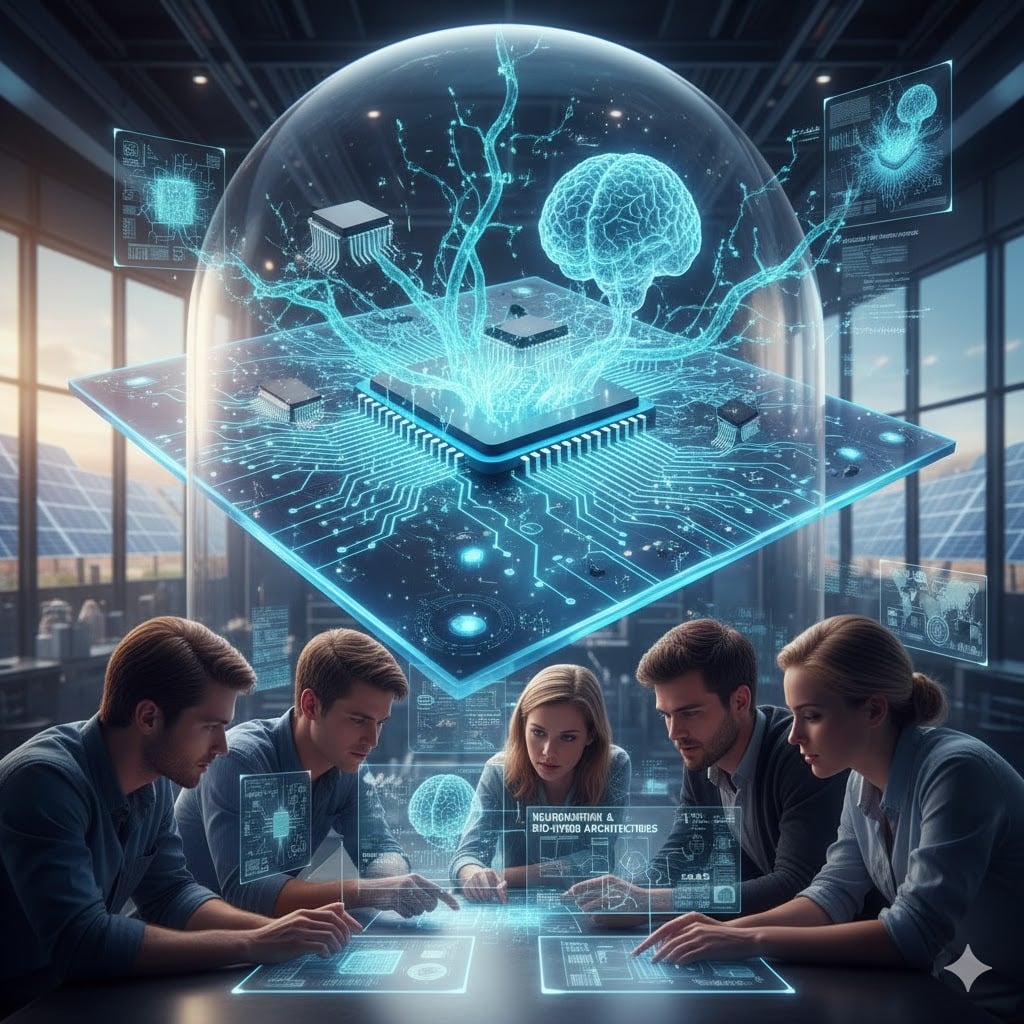
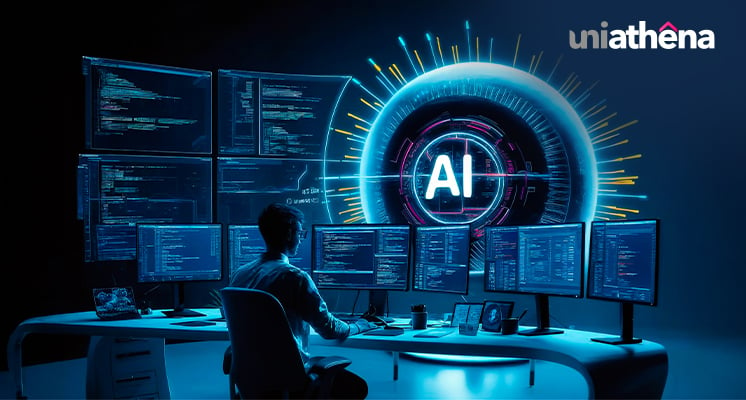
FIG 1: Neuromorphic and bio-hybrid computing emerge as sustainable solutions, overcoming the limits of traditional architectures for the next generation of intelligent machines.
What Is Neuromorphic Computing?
Neuromorphic computing is a new kind of AI hardware innovation that tries to work like the human brain. Unlike traditional computers that keep memory and processing separate, neuromorphic chips combine both in one system. This design helps them process data much faster while using far less energy. [2]
These chips use a structure called spiking neural networks (SNNs), a way of mimicking how brain neurons send signals. Because of this, they can learn, adapt, and make decisions efficiently, which makes them ideal for edge AI computing and cognitive computing tasks that need smart performance with low power use. [3]
Big tech companies such as IBM and Intel are already building these kinds of neuromorphic processors, such as Loihi and TrueNorth. Their work shows that the future of AI hardware is moving toward brain-inspired systems that are faster, smarter, and more sustainable. [4]
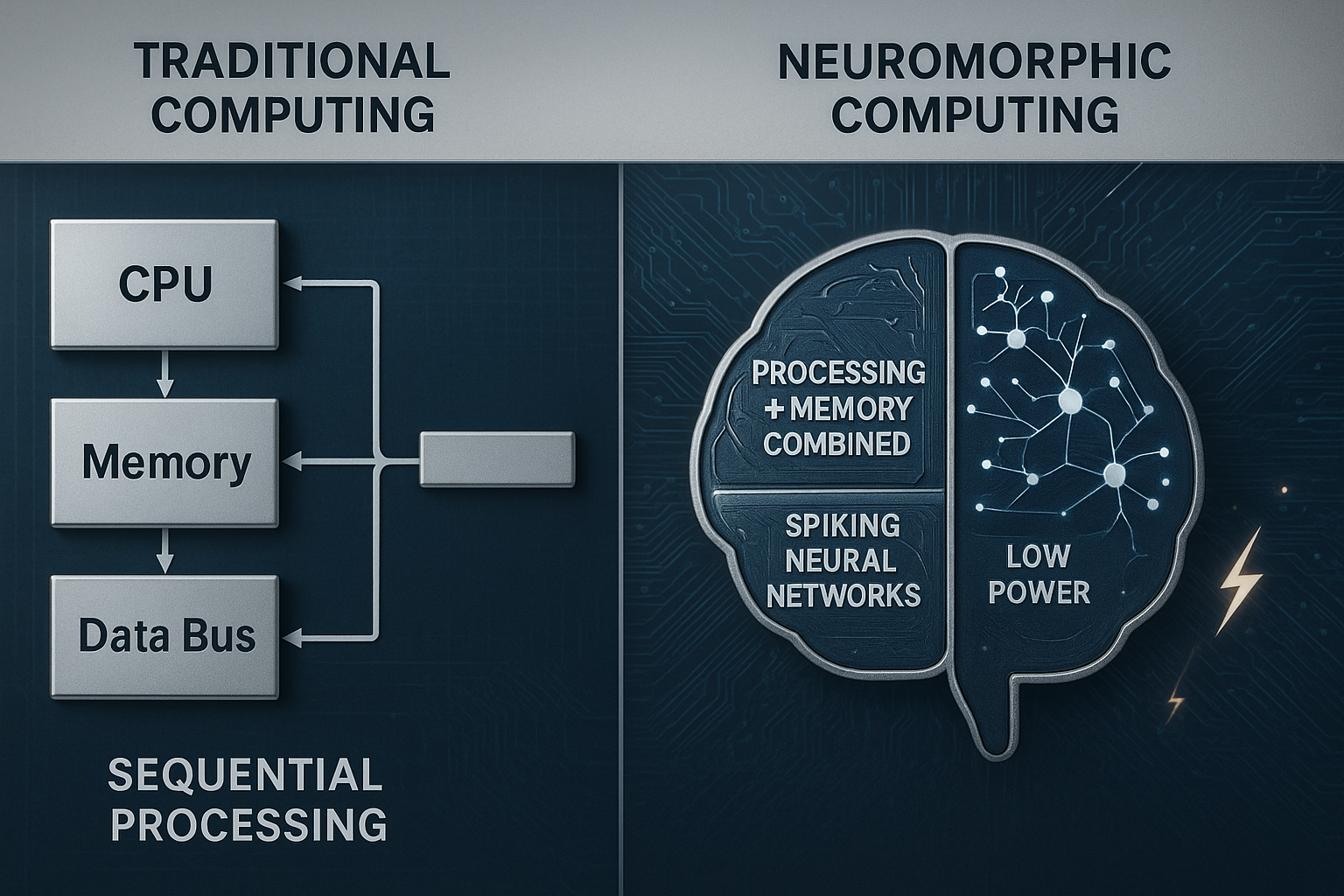
FIG 2: Traditional Computing VS Neuromorphic Computing
What Is Bio-Hybrid Computing?
Bio-hybrid computing takes this idea a step further by combining digital circuits with living biological components. In simple terms, imagine computers that partly use real brain cells or organic materials to think and process information. This mix brings the natural learning power of biology into AI hardware. [5]
It may sound futuristic, but research in AI infrastructure and bio-engineered circuits is already moving fast. Scientists are developing systems that can self-repair, adapt, and use almost no energy, much like living organisms do. [6]
Though still in the early stages, bio-hybrid computing has tremendous potential for AI innovation. These organic-digital systems could transform machine learning hardware and make future technologies more intelligent and sustainable.
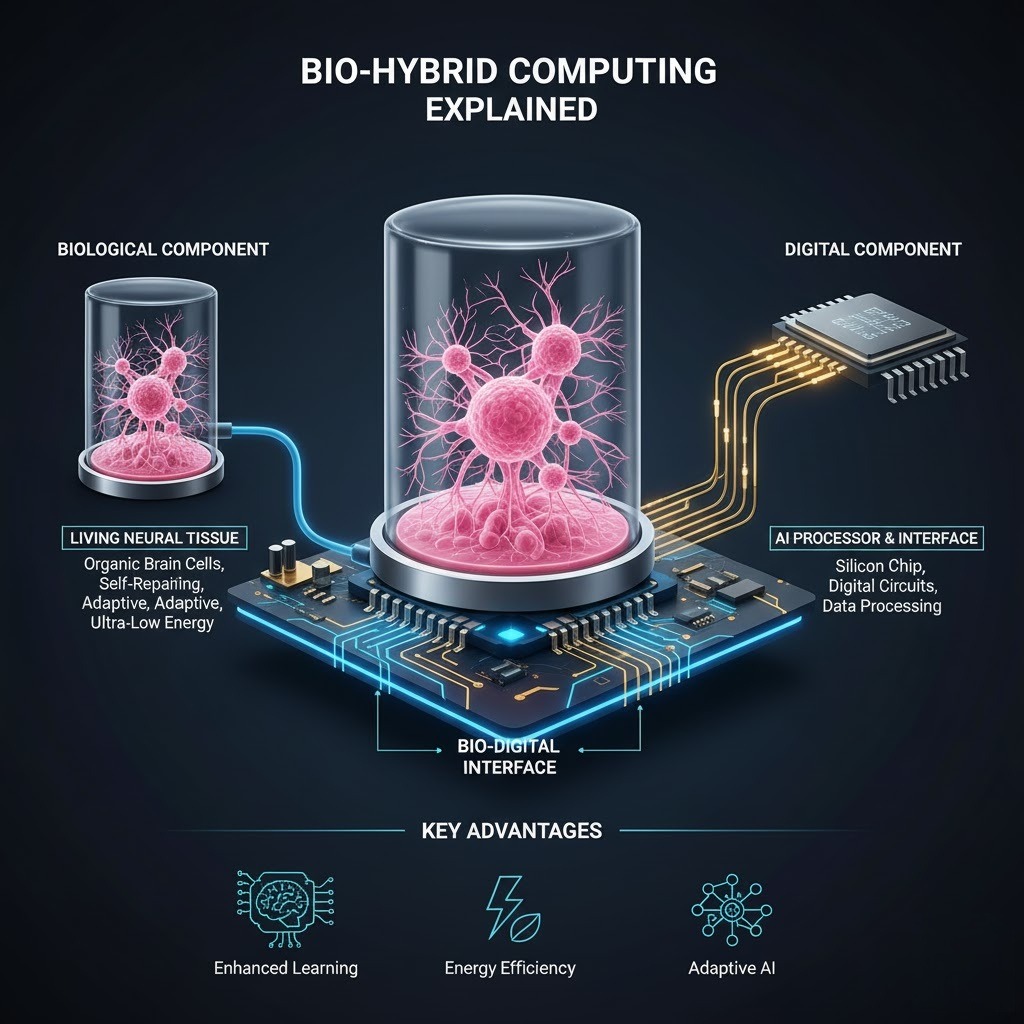
FIG 3: Bio-Hybrid Computing Mechanism
Neuromorphic Computing vs Quantum Computing
Many learners often ask: Is neuromorphic computing the future, or will quantum technology take the lead?
The truth is, both have different goals. Quantum computing is designed to solve complex mathematical problems that need immense computational power. In contrast, neuromorphic computing is built to handle real-time pattern recognition, quick decision-making, and low-power operations, making it perfect for AI chip technology and edge AI computing. [2][3]
Instead of competing, these two technologies can actually complement each other. Neuromorphic systems will likely be used in autonomous devices and embedded AI, where speed and energy efficiency matter most. Meanwhile, quantum computing will power large-scale simulations and optimization tasks that require immense processing strength. Together, they’ll help shape the future of artificial intelligence.
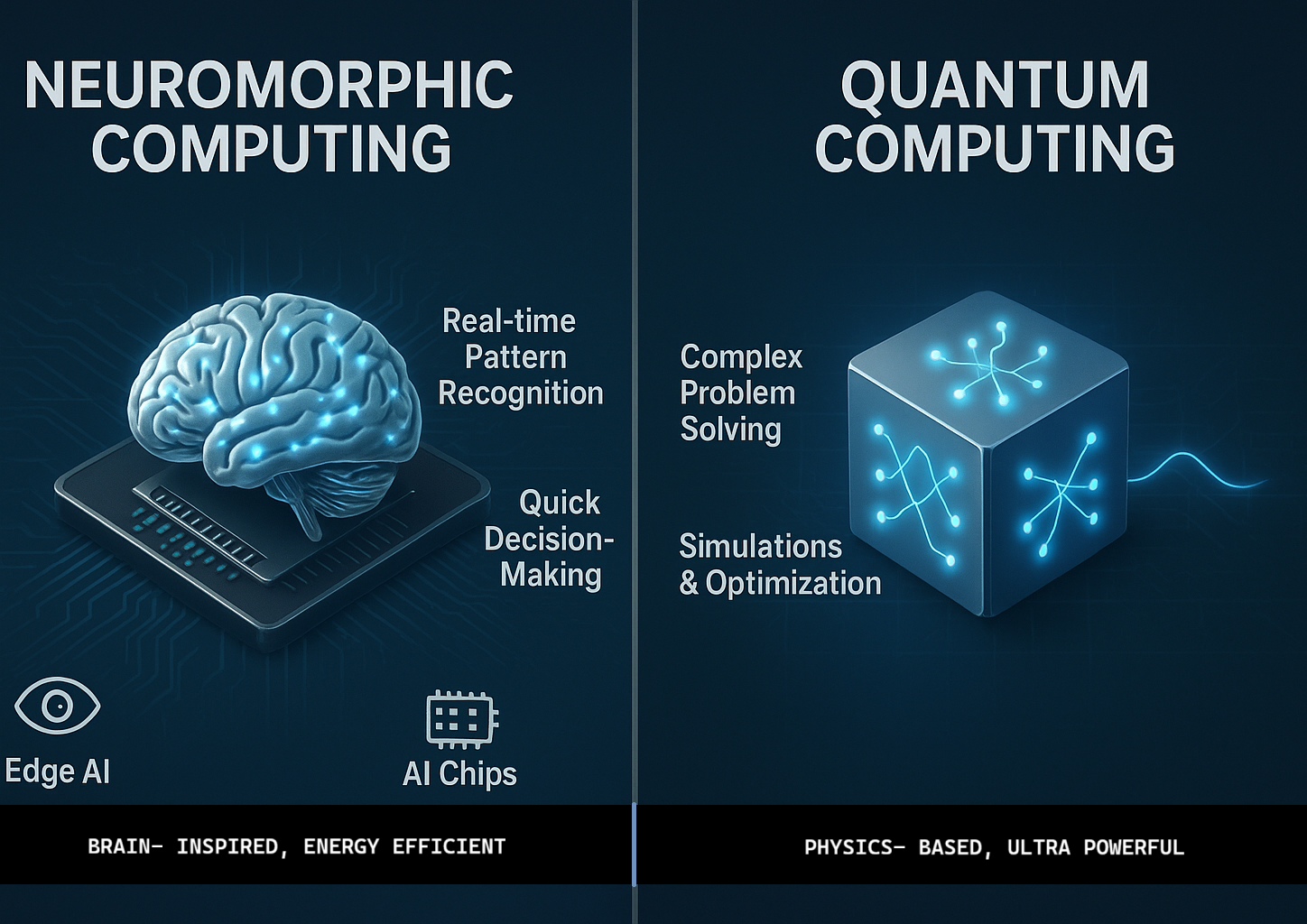
FIG 4: Neuromorphic Computing VS Quantum Computing
Why Should Future Engineers Learn These Technologies?
1. Energy-Efficient AI Systems
Data centers now use as much energy as some countries, making efficiency crucial. Neuromorphic computing architecture saves power by processing data only when needed, unlike traditional CPUs and GPUs that run constantly. This design can be up to 1000× more energy-efficient, helping future engineers build sustainable AI infrastructure that supports global green goals. [5]
2. Revolution in AI Hardware and Engineering
The next wave of AI hardware will rely on skills in neuromorphic processors, AI chip technology, and hardware–software design. Engineers who learn these areas will gain an advantage in fields like smart sensors, robotics, and autonomous systems. [1][4]
3. Edge AI and Cognitive Computing Applications
Imagine drones, medical devices, and self-driving cars that can learn and make decisions instantly. With neuromorphic chips, edge AI computing will process data locally instead of relying on the cloud. When combined with cognitive computing, these systems will be able to understand and react with human-like intelligence. [3][6]
Academic and Industry Relevance
Learning about neuromorphic computing and bio-hybrid computing helps future engineers build smarter and more efficient AI systems. Skills in AI hardware design, energy-efficient architecture, and cross-disciplinary problem-solving will be key to creating responsible AI innovation. [5]
Emerging opportunities include:
Neuromorphic Chip Design:
Focused on developing processors modeled after the human brain, neuromorphic chips use spiking neural networks to process information efficiently, making AI systems faster, smarter, and more energy-conscious. [3]
Edge AI Computing:
Edge AI brings intelligence closer to where data is created, like in sensors, cameras, or IoT devices. It reduces the need for cloud computing, cuts latency, and enables real-time decision-making with lower energy use. [6]
Cognitive AI Systems:
These are AI models designed to think, learn, and adapt more like humans. Cognitive systems combine reasoning and perception, allowing machines to understand context, make judgments, and continuously improve. [2]
Sustainable Machine Learning Hardware:
This involves developing AI hardware that consumes less power and generates less heat, using eco-friendly materials and architectures. The goal is to make AI innovation environmentally sustainable and scalable. [5]
Challenges and Opportunities Ahead
- Standardization: There’s still no universal framework for neuromorphic computing architecture, making development fragmented.
- Educational Gaps: Institutions must update curricula to include neuromorphic computing and quantum computing, as well as related technologies.
- Practical Application: While early prototypes exist, real-world adoption of bio-hybrid computing depends on overcoming material and ethical constraints.
Despite these challenges, one question keeps driving innovation: Is neuromorphic computing the future?
Given the pace of progress, the answer increasingly appears to be yes, especially for engineers who blend creativity, sustainability, and interdisciplinary thinking. [1][6]
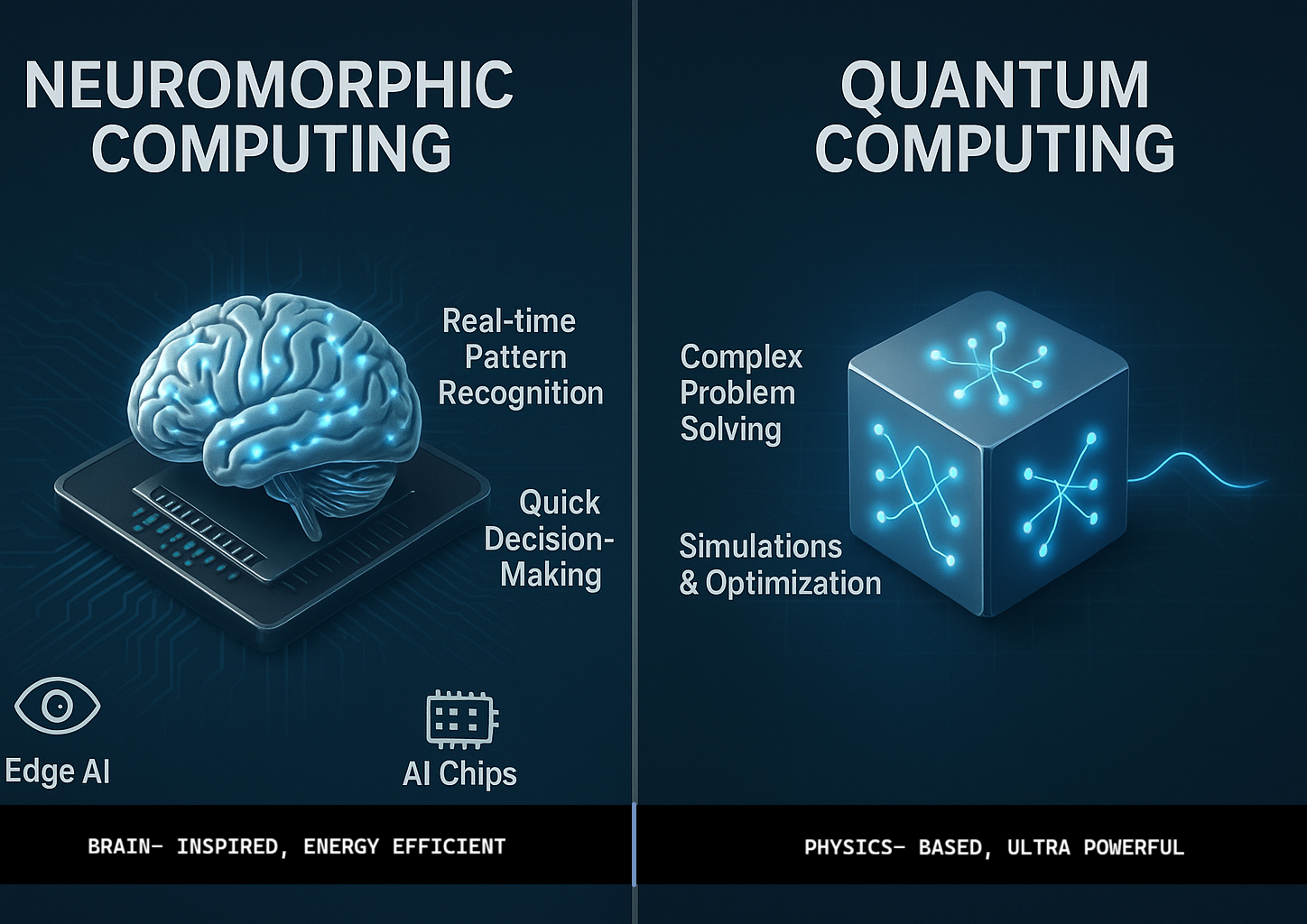
FIG 5: Challenges and Opportunities Ahead in Next-Gen Computing
Conclusion
The future of AI isn’t just about being faster or smarter; it’s about being inspired by the human brain, energy-efficient, and capable of adaptive thinking. For learners and engineers, understanding neuromorphic computing, bio-hybrid computing, and AI hardware innovation means gaining the skills needed to lead the next wave of technology.
This new era of AI will blur the line between machines and human intelligence, creating systems that don’t just compute, but also learn, adapt, and evolve. [1][5]
References:
[1] What Is Neuromorphic Computing? – IBM Think.
[2] Quantum vs. Neuromorphic Computing: What Will the Future of AI Look Like? – Fingent.
[3] Brain-Inspired Chip for Speedy, Efficient AI – IEEE Spectrum (IBM).
[4] Major Neuromorphic Computing Projects – Conscium.
[5] Neuromorphic Computing: Advancing Brain-Inspired Architectures – Georgia Tech ScaleUpLab.
[6] Neuromorphic Hardware and Systems – IBM Research.
Explore Related Courses








COMMENTS(0)
Explore Related Courses
Our Popular Insights
Careers are shifting faster than ever, and staying relevant takes more than experience. Explore UniAthena’s most-read blogs for sharp insights, emerging skills, and practical pathways that help you move forward with clarity and confidence in a changing professional world.






Get in Touch

It’s Time to Start
Join NowMost Popular Online Specialization
- Master of International Business Administration
- Master of Business Administration
- MBA in General Management- FastTrack
- Master in Innovation and Entrepreneurship
- MBA-Family Business Management
- Master in Procurement and Contract Management
- Extended Diploma in Business Analytics (SCQF Level 11)
- Diploma in Supply Chain and Logistics Management (SCQF Level 11)
- Strategic Human Resource Management Practitioner
- Master in Data Science
- Master in Engineering Management
Trending Online
- Integrated Doctorate of Business Administration
- Postgraduate Certificate in Finance for Next Generation Managers
- Master of Business Administration- General Management (Fast Track)
- Postgraduate Certificate in Socio-Economic and Legal Framework
- Postgraduate Certificate in Business Sustainability
- Certified Manager
- Supply Chain Management Practitioner
- MBA - AI in Business
- MBA - Accounting & Finance
- Master in Supply Chain and Logistics Management
Top Universities Online Certificates
- Postgraduate Certificate in International Marketing Management
- Postgraduate Certificate In International Human Resource Management
- Postgraduate Certificate in Strategic Management
- Postgraduate Certificate in Procurement & Contracts Management
- Postgraduate Certificate in Business Analytics
- Postgraduate Certificate in Strategic Supply Chain & Logistics Management
- Postgraduate Certificate in Human Resource and Leadership
- Project Management Practitioner
- Postgraduate Certificate in Supply Chain Design & Implementation
- Postgraduate Certificate in Management Accounting and Finance
Accredited Online Degree Program
- MBA - Digital Transformation
- MBA - Family Business Management
- MBA - Marketing Management
- MBA in Quality Management
- MBA - Business Intelligence & Data Analytics
- MBA in Operations & Project Management
- MBA in Energy Management
- MBA In Construction & Safety Management
- Master in Organisational Leadership
- Master in Public Health
- Master in Construction Management
- Bachelor of Arts in Business Administration


 Install Now


UniAthena is an Ed-Tech, offering flexible, affordable learning solutions, including Free-Learning Upskilling Courses and Academic Programs in partnerships with accredited and globally renowned universities and professional qualification bodies.


Do you have any questions ?
Feel free to send us your questions or request a free consultation
Send a message
UK
Athena Global Education
Magdalen Centre,
Robert Robinson Avenue,
Oxford, OX4 4GA, UK
Phone : 01865 784299
MIDDLE EAST
Athena Global Education FZE
Block L-03, First Floor,
P O Box 519265, Sharjah Publishing City,
Free Zone, Sharjah, UAE
Phone : +971 55 879 5492
INDIA
Uniathena Private Limited
9A,Midas Tower
Phase 1
Hinjewadi Rajiv Gandhi Infotech Park
Pune-411057
Phone: +91 9145665544
All Copyrights Reserved @ Athena Global Education 2021-2026