In early 2025, a multinational CEO authorized a $25 million transfer after a convincing video call with his CFO. The only problem?
The “CFO” was an AI-generated deepfake with a flawless voice, realistic gestures, and even the same background office décor.
Welcome to the era of Generative AI cyber security threats, where technology can not only imitate but also manipulate. This new wave of deception has a name, “vibe hacking, “and it’s redefining what cyberattacks look and feel like.
Understanding the New Threat Landscape
At its core, Generative AI means artificial intelligence that can create text, images, audio, and even code. Tools like ChatGPT, Claude, and Gemini can generate human-like conversations, emails, or even entire malware scripts. However, this capability also has a downside.
Cybercriminals are now using these same tools for AI cyberattacks, crafting highly personalized phishing emails, fake corporate messages, and even AI-generated malware that evolves with every detection attempt.
The Claude code incident, for example, showed how even well-meaning AI assistants could be manipulated to produce malicious scripts. This isn’t science fiction anymore; it’s happening in real time.
Deepfakes: The Face of Deception
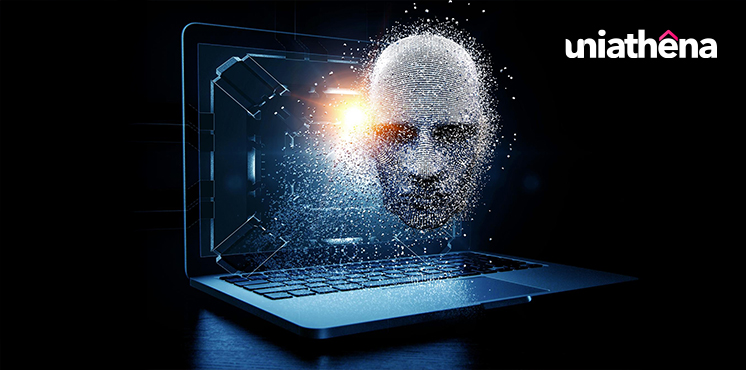
Deepfake technology is one of the most concerning innovations in this space. It uses neural networks to recreate human likeness, voices, faces, and body language almost indistinguishably.
Imagine receiving a video from your manager asking for an urgent wire transfer, or a voice note from your spouse requesting sensitive information. Would you question it? Most people wouldn’t.
These deepfakes in cybersecurity are blurring the line between reality and manipulation. Attackers no longer just steal your password; they become someone you trust.
That’s the essence of vibe hacking, not breaking into systems, but breaking into your sense of familiarity.
Vibe Hacking: The Next Phase of Social Engineering
So, what is vibe hacking?
It’s the art of using AI to mirror your tone, speech, and emotional rhythm, the “vibe” that builds digital trust.
In this context, vibe coding refers to how attackers train generative AI to replicate human conversation styles, email patterns, and even typing habits. The goal is not just to sound human, but to feel human.
For example:
An employee gets a Slack message from “IT support” that matches the company’s internal tone emojis, quick responses, and familiar sign-offs. Within seconds, credentials are handed over.
Unlike traditional phishing, vibe hacking isn’t about bad grammar or suspicious links. It’s about psychological mimicry, powered by artificial intelligence.
Behind the Scenes: How Generative AI Powers These Attacks
The real game-changer is automation.
Generative AI can now produce AI-generated malware, adapt to automated malware analysis, and even evolve through polymorphic and metamorphic viruses, self-altering codes that evade traditional antivirus systems.
Attackers can use simple text prompts to generate:
- Automated phishing campaigns that adjust tone and content per target
- AI-powered scams that use cloned voices for real-time phone fraud
- Dark web monitoring tools to identify vulnerabilities faster than defenders can patch them
The same creativity that drives innovation also fuels an invisible cyber arms race.
Also Read: The Role of Open Source Intelligence in Advancing Cybersecurity
Fighting Back: The Evolving Cyber Defense
Fortunately, defenders aren’t standing still.
Generative AI in cybersecurity is becoming just as powerful, but this time, it’s working for the good guys.
Some emerging defenses include:
- AI-driven phishing detection systems that recognize behavioral anomalies instead of keywords
- Deepfake detection tools that analyze pixel-level inconsistencies
- AI-assisted malware scanners that identify new virus mutations
- Dark web AI monitoring to track stolen data or malicious chatter in real time
These innovations highlight a new balance, one where artificial intelligence and data security must evolve hand in hand.
However, even the smartest AI needs human judgment. Machine learning can detect patterns, but humans are still essential for interpreting intent and making contextual decisions.
Also Read: AI-Driven Cybersecurity - How Machine Learning is Revolutionising Threat Detection
The Human Element: Awareness Still Wins
Despite automation, one truth remains: people are both the target and the solution.
Most AI cyberattacks succeed not because systems fail, but because humans trust too quickly. That’s why organizations are focusing on cyber awareness training that helps employees recognize emotional manipulation and digital mimicry.
Practical steps include:
- Verifying any urgent financial request through a second communication channel
- Being cautious of “too-perfect” voices or videos
- Watching for slight behavioral inconsistencies: tone, timing, or response patterns
In vibe hacking, awareness is your antivirus.
Also Read: The Everyday Guide to Cybersecurity in a Digitally Connected World
The Future of Trust in the Age of AI
We’ve entered an era where seeing is no longer believing. Deepfakes and generative AI have turned deception into an art form, making artificial intelligence a threat and a tool at the same time.
But the lesson isn’t to fear AI. It’s to understand it.
The next chapter of the AI threat landscape will be written by how responsibly we use these tools and not how cleverly they’re exploited.
Because in the age of vibe hacking, cybersecurity isn’t just about firewalls and encryption keys.
It’s about knowing who — or what — you’re really talking to
































 Install Now