-

Bachelor's

-

Masters
-

MBA
-

Doctorate
-

Micro Credit
-

Explore all Courses
-
Postgraduate Certifications

-
Postgraduate Diploma
-
Undergraduate Diploma
-
Diploma



Why Blockchain Is the Future of Trustworthy Public Records

Author: ankita shrikrishna jawalkar
|3
MINS READ
| 4
| 144
Created On: 24 October, 2025
Share




The Shift Towards Blockchain in Public Records
As 2025 draws to a close, the use of blockchain technology in public record management has moved from experimentation to widespread adoption across several regions.
Blockchain has become a reliable basis for guaranteeing openness, data integrity, and administrative effectiveness in governance as governments continue their digital transformation initiatives.
The Importance of Public Records in Governance
Any government's relationship with its citizens is based on public records, which include everything from identity documents, tax returns, and land titles to legal records and licenses. These documents have traditionally been kept in centralized systems that are susceptible to inefficiency, corruption, and data manipulation.
With its decentralized and impenetrable ledger, blockchain technology has emerged as a game-changing remedy.
Blockchain: A Secure and Transparent Solution
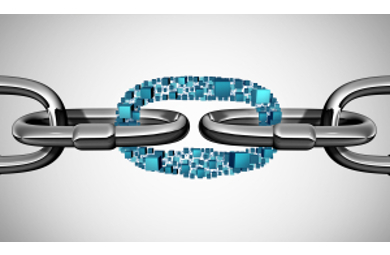
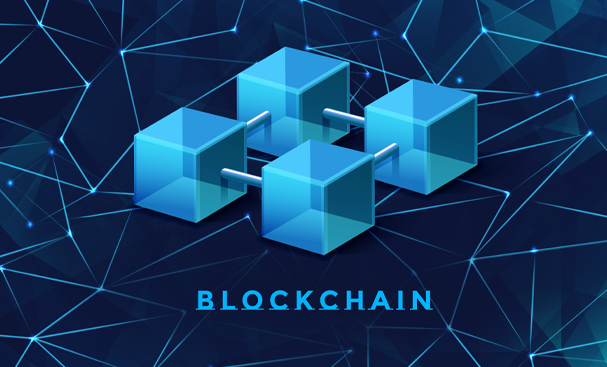
Each transaction or entry on a blockchain is encrypted, time-stamped, and linked to previous records, creating a secure and immutable chain of data. This structure makes it virtually impossible to alter records without detection, thereby fostering trust and transparency in public administration.
Global Adoption of Blockchain for Public Records
As 2025 nears its end, countries such as Estonia, Sweden, the United Arab Emirates, and Singapore have already integrated blockchain into various aspects of governance. Estonia’s digital identity and healthcare systems are secured through blockchain, while Sweden’s land registry pilot has drastically reduced real estate transaction time and fraud.
Dubai, under its Blockchain Strategy 2030, is nearing its goal of becoming the world’s first fully blockchain-powered government.
Efficiency and Benefits of Blockchain in Public Records
The benefits extend beyond transparency. Efficiency has also improved remarkably. Smart contracts—self-executing programs embedded in blockchain—automate verification and validation processes, cutting down paperwork and reducing human error.
Government agencies report faster service delivery, lower operational costs, and enhanced inter-departmental coordination. Citizens, too, enjoy real-time access to verifiable public data without bureaucratic delays.
Blockchain as a Solution for Developing Nations
For developing nations, blockchain offers hope in addressing chronic governance issues such as corruption, poor recordkeeping, and land disputes. Secure and transparent digital registries empower citizens with verifiable ownership and prevent unauthorized alterations by intermediaries or officials.
Challenges to Full Blockchain Adoption
While blockchain’s potential is clear, its adoption still faces several challenges. These include high implementation costs, regulatory uncertainty, interoperability issues, and the need for robust data privacy frameworks.
Additionally, many countries must address the digital divide and invest in building the technical capacity of public officials to fully realize blockchain’s benefits.
The Future of Trustworthy Public Records
In today’s era, blockchain has firmly established itself as a symbol of digital trust, reshaping the foundation of public record systems worldwide.
As governments prioritize transparency, efficiency, and citizen empowerment, blockchain will continue to drive innovation in the public sector. It stands as one of the most promising technological advancements of the decade, helping create a future of transparent and efficient governance.
Explore Related Courses













COMMENTS(4)

UniAthena
Thank you for your support. Keep browsing. You can visit our page uniathena.com for more informative articles.
Thank you for your support. Keep browsing. You can visit our page uniathena.com for more informative articles.
UniAthena
Thank you for your support. Keep browsing. You can visit our page uniathena.com for more such informative articles.
Thank you for your support. Keep browsing. You can visit our page uniathena.com for more such informative articles.
Explore Related Courses
Our Popular Insights
Careers are shifting faster than ever, and staying relevant takes more than experience. Explore UniAthena’s most-read blogs for sharp insights, emerging skills, and practical pathways that help you move forward with clarity and confidence in a changing professional world.


🌟 Top Project Performer – June 2026 🌟
Read More
1
mins read



🌟 Top Project Performer – May 2026 🌟
Read More
1
mins read


🌟 Top Project Performer – April 2026 🌟
Read More
1
mins read
🌟 Top Project Performer – June 2026 🌟
Read more
1
mins read
🌟 Top Project Performer – May 2026 🌟
Read more
1
mins read
🌟 Top Project Performer – April 2026 🌟
Read more
1
mins read
Get in Touch

It’s Time to Start
Join NowMost Popular Online Specialization
- Master of International Business Administration
- Master of Business Administration
- MBA in General Management- FastTrack
- Master in Innovation and Entrepreneurship
- MBA-Family Business Management
- Master in Procurement and Contract Management
- Extended Diploma in Business Analytics (SCQF Level 11)
- Diploma in Supply Chain and Logistics Management (SCQF Level 11)
- Strategic Human Resource Management Practitioner
- Master in Data Science
- Master in Engineering Management
Trending Online
- Integrated Doctorate of Business Administration
- Postgraduate Certificate in Finance for Next Generation Managers
- Master of Business Administration- General Management (Fast Track)
- Postgraduate Certificate in Socio-Economic and Legal Framework
- Postgraduate Certificate in Business Sustainability
- Certified Manager
- Supply Chain Management Practitioner
- MBA - AI in Business
- MBA - Accounting & Finance
- Master in Supply Chain and Logistics Management
Top Universities Online Certificates
- Postgraduate Certificate in International Marketing Management
- Postgraduate Certificate In International Human Resource Management
- Postgraduate Certificate in Strategic Management
- Postgraduate Certificate in Procurement & Contracts Management
- Postgraduate Certificate in Business Analytics
- Postgraduate Certificate in Strategic Supply Chain & Logistics Management
- Postgraduate Certificate in Human Resource and Leadership
- Project Management Practitioner
- Postgraduate Certificate in Supply Chain Design & Implementation
- Postgraduate Certificate in Management Accounting and Finance
Accredited Online Degree Program
- MBA - Digital Transformation
- MBA - Family Business Management
- MBA - Marketing Management
- MBA in Quality Management
- MBA - Business Intelligence & Data Analytics
- MBA in Operations & Project Management
- MBA in Energy Management
- MBA In Construction & Safety Management
- Master in Organisational Leadership
- Master in Public Health
- Master in Construction Management
- Bachelor of Arts in Business Administration


 Install Now


UniAthena is an Ed-Tech, offering flexible, affordable learning solutions, including Free-Learning Upskilling Courses and Academic Programs in partnerships with accredited and globally renowned universities and professional qualification bodies.


Do you have any questions ?
Feel free to send us your questions or request a free consultation
Send a message
UK
Athena Global Education
Magdalen Centre,
Robert Robinson Avenue,
Oxford, OX4 4GA, UK
Phone : 01865 784299
MIDDLE EAST
Athena Global Education FZE
Block L-03, First Floor,
P O Box 519265, Sharjah Publishing City,
Free Zone, Sharjah, UAE
Phone : +971 55 879 5492
INDIA
Uniathena Private Limited
9A,Midas Tower
Phase 1
Hinjewadi Rajiv Gandhi Infotech Park
Pune-411057
Phone: +91 9145665544
All Copyrights Reserved @ Athena Global Education 2021-2026