-

Bachelor's

-

Masters
-

MBA
-

Doctorate
-

Micro Credit
-

Explore all Courses
-
Postgraduate Certifications

-
Postgraduate Diploma
-
Undergraduate Diploma
-
Diploma



Can Digital Care Reduce Global Health Gaps? Understanding Telemedicine

Author: argha chakraborty
|5
MINS READ
| 0
| 154
Created On: 18 December, 2025
Share




Introduction
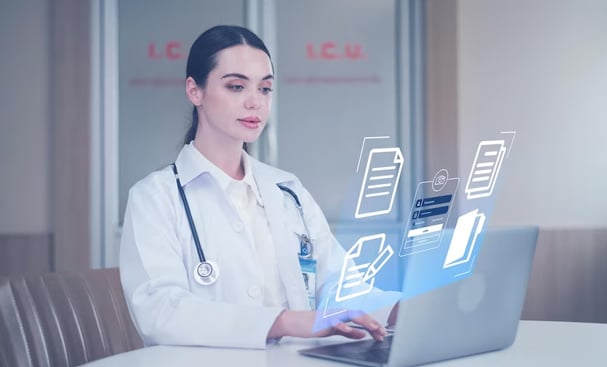
Telemedicine has evolved into a critical part of healthcare delivery, helping connect patients and clinicians across distances. In many countries, digital platforms are now commonly used for routine checkups, follow-ups, and chronic disease management. This shift is easing pressure on physical clinics and hospitals while offering a pathway to more continuous, accessible care.
Across Europe, platforms such as Kry, Livi, and Doctolib have made same-day teleconsultations increasingly common, allowing patients to consult healthcare providers without visiting clinics. In India, the government-led eSanjeevani platform has been reported to facilitate a large volume of daily consultations, connecting rural communities with doctors and specialists. Private initiatives like Practo also support specialist access in urban and semi-urban areas, demonstrating the growing integration of telemedicine into both public and private healthcare systems.
Meanwhile, companies offering connected medical devices, such as AliveCor, Teladoc, and Sheba Beyond (Israel’s virtual hospital), allow patients to monitor heart rhythm, oxygen levels, blood sugar, and other vital signs from home. These devices complement teleconsultations and help clinicians track patient health remotely, supporting clinical decision-making in some pilot programs.
Telemedicine as a Digital Care Ecosystem
AI-Supported Triage and Remote Monitoring:
Modern telemedicine increasingly includes AI-assisted triage, remote monitoring, digital prescriptions, and virtual therapy. Platforms like Teladoc Health, Amwell, and Doctor Anywhere provide end-to-end digital pathways that help guide patients through diagnosis, treatment, and long-term management, under clinician supervision and regulatory oversight.
Integration with National Healthcare Systems:
Countries such as Japan, India, Rwanda, and the UK have embedded digital care into public-health frameworks. In the UK, NHS GP Online integrates with multiple teleconsultation services, while Rwanda uses Babylon Health Rwanda to support nationwide teleconsultations. However, adoption varies significantly depending on regulation, infrastructure, and funding.
Chronic Disease Management:
Telemedicine platforms across regions increasingly monitor chronic conditions in near real time, enabling early intervention in some pilot programs and potentially reducing hospital admissions when coordinated with clinician oversight. These tools allow patients to remain under consistent supervision without needing frequent hospital visits.
Bridging Health Gaps Globally
1. Access in Remote and Rural Communities:
Telemedicine has proven particularly useful in extending healthcare access to underserved regions:
- India: eSanjeevani connects villagers with doctors through local health workers.
- Rwanda: Teleconsultation services deliver medical advice to patients via basic mobile phones.
- Australia: The Royal Flying Doctor Service uses teleconsultations to provide preliminary care before physical transport.
2. Supporting Underserved Populations:
- United States: Platforms like Teladoc and Amwell provide urgent care and chronic-disease management for remote communities.
- Canada: Telehealth services such as Maple are increasingly available in remote Northern provinces.
3. Reducing Pressure on Hospitals:
- UK: Tele-triage systems help ensure that only complex cases reach A&E.
- Southeast Asia: Digital platforms provide rapid, affordable consultations, reducing unnecessary clinic visits and hospital congestion.
Telehealth Services
Virtual Consultations:
Digital platforms allow rapid appointments for general health concerns, medication reviews, and follow-up checks.
AI-Based Triage:
Some providers, including Babylon Health and Ping An Good Doctor, use AI to assess symptoms and suggest appropriate care levels, supporting clinician decision-making rather than replacing it.
Remote Patient Monitoring (RPM):
Connected devices, like portable ECGs or glucose monitors, allow patients to be monitored at home. Sheba Beyond and Teladoc also run virtual wards to track chronic patients remotely in coordination with healthcare professionals.
Digital Mental Health Services:
Online therapy, mental-wellness programs, and stress management tools are now commonly available through platforms such as Teladoc, Amwell, Kry, and Doctor Anywhere.
Tele-Rehabilitation and Physiotherapy:
Video-guided recovery exercises and progress tracking help patients complement in-person therapy, though they cannot fully replace hands-on rehabilitation in most cases.
Diagnostics, Specialist Access, and Community Health
1. AI-Assisted Diagnostics:
AI tools are being trialed in pilot programs to support early detection and clinical decision-making.
- Kenya: AI-enabled ultrasound tools assist midwives in identifying complications.
- China: AI-assisted diagnostics support faster triage in urban and rural clinics.
2. Cross-Border Specialist Access:
Telemedicine allows patients to consult specialists internationally, where regulatory and licensing requirements permit:
- Middle East: Oncology advice can be obtained from European experts via telehealth platforms.
- Pacific Islands: Remote cardiology consultations provide expert diagnostics in isolated communities.
3. Strengthening Community Health Systems:
Telemedicine complements local clinics for cardiac assessments, chronic disease monitoring, and health surveillance under clinician oversight.
The Future of Telemedicine
AI-Heavy Predictive Care:
K Health, Babylon Health, and Ping An Good Doctor are refining AI models to predict risks before symptoms appear, assisting doctors in early decision-making.
Universal Healthcare Integrating Telemedicine:
Public systems in India, the UAE, and the UK are expanding telemedicine as a covered service, often integrating with Kry, Doctolib, Practo, and national platforms like eSanjeevani.
Expansion of Hospital-At-Home Models:
Sheba Beyond, Teladoc, and Maple are pioneering virtual wards allowing patients to receive hospital-level monitoring from home.
Rise of Cross-Border Virtual Hospitals:
Teladoc, Ping An Good Doctor, and Doctor Anywhere are building networks where specialists collaborate on scans, reports, and treatment plans across countries.
Opportunities in Telemedicine
Telemedicine provides opportunities to improve healthcare access and efficiency globally:
- Digital-First Care Pathways: Patients can begin treatment online, visiting clinics only when necessary.
- Addressing Specialist Shortages: Remote consultations enable access to cardiologists, radiologists, and mental-health experts.
- Smart-Home Monitoring: Wearable sensors and connected devices support early intervention and personalized care.
- Public-Health Surveillance: Digital platforms allow tracking of disease patterns, early outbreak identification, and policy guidance.
- Emergency Response: Telemedicine maintains continuity of care during floods, wildfires, and other crises.
Challenges in Telemedicine
Connectivity Barriers:
Babylon Health in Rwanda or Doctor Anywhere in Southeast Asia depend on internet access, which remains inconsistent in rural regions.
Low Digital Literacy among Seniors:
Telemedicine companies increasingly design simplified interfaces, but many older adults still struggle without support.
Privacy and Data-Sharing Limitations:
Strict data laws in the EU complicate cross-border services for many organisations, may it be Doctolib, Kry, and Babylon.
Telemedicine Cannot Replace Physical Examinations:
Companies emphasise blended models, where digital care complements but does not replace hands-on hospital care.
Need for Upskilling Healthcare Professionals:
Providers such as Sheba Beyond, Teladoc, and government programmes run extensive training to help clinicians adapt to digital-care workflows.
Conclusion
Telemedicine is increasingly mature, connected, and impactful, supporting access to healthcare and continuous monitoring worldwide. With government adoption, robust digital infrastructure, and AI-assisted tools used under clinician oversight, telemedicine is expected to reduce health gaps and complement traditional care pathways, while offering a flexible and responsive approach to global health needs.
Explore Related Courses











COMMENTS(0)
Explore Related Courses
Our Popular Insights
Careers are shifting faster than ever, and staying relevant takes more than experience. Explore UniAthena’s most-read blogs for sharp insights, emerging skills, and practical pathways that help you move forward with clarity and confidence in a changing professional world.



🌟 Students of the Month | May – June 2026 🌟
Read More
1
mins read





🌟 Students of the Month | May – June 2026 🌟
Read more
1
mins read
Get in Touch

It’s Time to Start
Join NowMost Popular Online Specialization
- Master of International Business Administration
- Master of Business Administration
- MBA in General Management- FastTrack
- Master in Innovation and Entrepreneurship
- MBA-Family Business Management
- Master in Procurement and Contract Management
- Extended Diploma in Business Analytics (SCQF Level 11)
- Diploma in Supply Chain and Logistics Management (SCQF Level 11)
- Strategic Human Resource Management Practitioner
- Master in Data Science
- Master in Engineering Management
Trending Online
- Integrated Doctorate of Business Administration
- Postgraduate Certificate in Finance for Next Generation Managers
- Master of Business Administration- General Management (Fast Track)
- Postgraduate Certificate in Socio-Economic and Legal Framework
- Postgraduate Certificate in Business Sustainability
- Certified Manager
- Supply Chain Management Practitioner
- MBA - AI in Business
- MBA - Accounting & Finance
- Master in Supply Chain and Logistics Management
Top Universities Online Certificates
- Postgraduate Certificate in International Marketing Management
- Postgraduate Certificate In International Human Resource Management
- Postgraduate Certificate in Strategic Management
- Postgraduate Certificate in Procurement & Contracts Management
- Postgraduate Certificate in Business Analytics
- Postgraduate Certificate in Strategic Supply Chain & Logistics Management
- Postgraduate Certificate in Human Resource and Leadership
- Project Management Practitioner
- Postgraduate Certificate in Supply Chain Design & Implementation
- Postgraduate Certificate in Management Accounting and Finance
Accredited Online Degree Program
- MBA - Digital Transformation
- MBA - Family Business Management
- MBA - Marketing Management
- MBA in Quality Management
- MBA - Business Intelligence & Data Analytics
- MBA in Operations & Project Management
- MBA in Energy Management
- MBA In Construction & Safety Management
- Master in Organisational Leadership
- Master in Public Health
- Master in Construction Management
- Bachelor of Arts in Business Administration


 Install Now


UniAthena is an Ed-Tech, offering flexible, affordable learning solutions, including Free-Learning Upskilling Courses and Academic Programs in partnerships with accredited and globally renowned universities and professional qualification bodies.


Do you have any questions ?
Feel free to send us your questions or request a free consultation
Send a message
UK
Athena Global Education
Magdalen Centre,
Robert Robinson Avenue,
Oxford, OX4 4GA, UK
Phone : 01865 784299
MIDDLE EAST
Athena Global Education FZE
Block L-03, First Floor,
P O Box 519265, Sharjah Publishing City,
Free Zone, Sharjah, UAE
Phone : +971 55 879 5492
INDIA
Uniathena Private Limited
9A,Midas Tower
Phase 1
Hinjewadi Rajiv Gandhi Infotech Park
Pune-411057
Phone: +91 9145665544
All Copyrights Reserved @ Athena Global Education 2021-2026