-

Bachelor's

-

Masters
-

MBA
-

Doctorate
-

Micro Credit
-

Explore all Courses
-
Postgraduate Certifications

-
Postgraduate Diploma
-
Undergraduate Diploma
-
Diploma



Internal and External Business Transactions: What’s the Difference?

Author: aishwarya sancheti
|4
MINS READ
| 0
| 502
Created On: 28 May, 2025 Updated On: 16 July, 2025
Share




Table of Contents (TOC):
- Business Transaction
- Key Differences Between Internal and External Transactions
- Why Understanding Transactions Builds Business Confidence
- Role of Online and Digital Transactions
- What You'll Learn at UniAthena and Why it Empowers Decision-Making
- Why Earning a Free Certificate Still Counts
- Conclusion
We often hear about innovation, sales, customer focus, and long-term growth. But behind all of these lies something more fundamental: business transactions. The missing link between running a business and truly understanding it is knowing how transactions function at every level.
Whether you're launching a startup or steering an established company, understanding the mechanics of business transactions is essential. It shapes your decisions, guides your financial practices, and strengthens your operational awareness.
Yet, "business transactions" can feel overly technical or intimidating. It’s a practical and powerful lens that helps decode how organizations function, allocate resources, and make impactful choices.
Business Transactions: What They are and Why They Matter
So, what is a business transaction? At its core, it’s any exchange of value between two or more parties. This could mean sales, purchases, payments, receipts; essentially, the financial heartbeat of a company.
There are two main types:
- Internal Transactions: These occur within the business. Think of depreciation of machinery, recording employee bonuses, or inventory adjustments. While money might not change hands, value does.
- External Transactions: These involve third parties: your customers, suppliers, and lenders. A customer paying for a product or a business purchasing raw materials are everyday examples.
Key Differences Between Internal and External Transactions

Why Understanding Transactions Builds Business Confidence
Let’s be real. Most of us have wondered, "How do businesses actually track all the moving parts?" Or, "What happens behind the scenes of that sales or payment transaction?"
Those questions aren’t just for accountants. No matter your role, be it in marketing, logistics, HR, or entrepreneurship, grasping how transactions work helps you interpret the inner mechanics of business and engage more meaningfully in its operations. And that fluency is becoming increasingly vital in a digitized economy.
Think of this knowledge as the bedrock of financial literacy for business. Once you learn how to record business transactions or understand their types, you begin to see patterns: how revenue flows, how decisions are recorded, and how they impact bottom lines.
The Role of Online and Digital Transactions
With e-commerce and digital payments on the rise, online transactions have become a significant feature of modern businesses. Learning to distinguish digital payment flows from traditional ones helps professionals stay relevant and competitive.
It’s no longer just about entering numbers into a ledger. It’s about grasping how digital tools and evolving technology are transforming the way businesses handle sales, purchases, payments, and receipts, making each transaction faster, smarter, and more interconnected.
What You'll Learn at UniAthena and Why it Empowers Decision-Making
“It has enabled me to see things differently and in a good way.”- Kipngeno Koech Patrick, a learner at UniAthena.
That’s the kind of shift that happens when you go beyond theory and into application.
In UniAthena’s Essentials of Business Transactions Certificate Course, you’ll explore:
- What is a Business Transaction and its Elements
- History and Nature of International Business
- Laws Governing Transactions
- How Internal and External Transactions Affect Business Operations
- Sales, Purchase, Payment, and Receipt Transactions
- How to Record and Analyze Transactions Using Accounting Basics
This free course is designed to be clear, practical, and globally accessible. It doesn't require prior experience in finance or accounting. What it offers instead is a no-fluff guide to business transactions in accounting, structured to help you build fluency fast.
Also, explore the Basics of Business Transactions if you’re looking for a quick, foundational dive into the topic.
Why Earning a Free Certificate Still Counts
We understand the hesitation that comes with “free” offers. But this certificate is different. It’s issued by CIQ, UK—a globally recognized body, making your knowledge count in professional spaces.
Here’s why it matters:
- Enhances your resume with a verified global credential
- Builds confidence in your financial and business literacy
- Bridges knowledge gaps without cost or prerequisites
- Prepares you to engage more effectively in business conversations
Conclusion: Practical Skills with a Purpose
"Mastering how transactions operate isn't limited to finance professionals; it’s a core business skill that links everyday actions to long-term strategic goals."
Whether you're aiming to make smarter financial decisions, communicate better with your finance team, or simply deepen your business knowledge, this course is your starting point.
Enroll in the Essentials of Business Transactions today. Give your future self the tools to lead with clarity.
Explore Related Courses











COMMENTS(0)
Explore Related Courses
Our Popular Insights
Careers are shifting faster than ever, and staying relevant takes more than experience. Explore UniAthena’s most-read blogs for sharp insights, emerging skills, and practical pathways that help you move forward with clarity and confidence in a changing professional world.


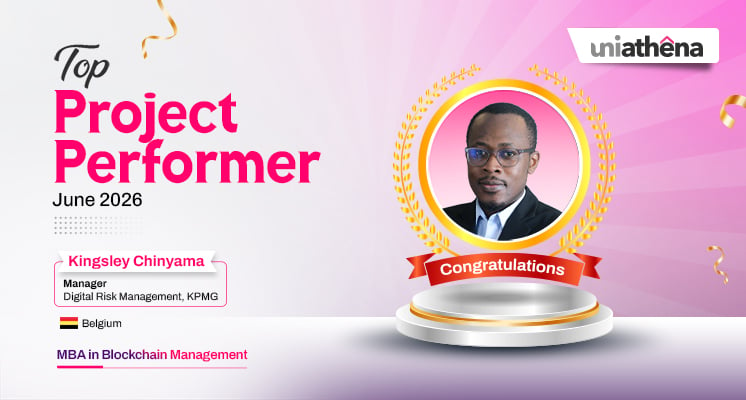
🌟 Top Project Performer – June 2026 🌟
Read More
1
mins read



🌟 Top Project Performer – May 2026 🌟
Read More
1
mins read
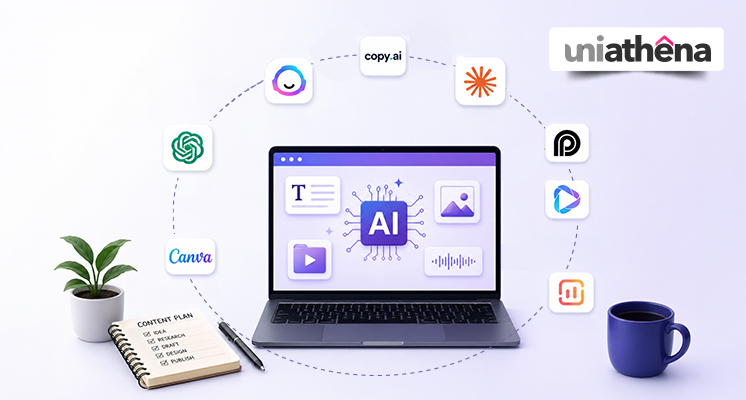
Best AI Tools for Content Creation
Read More
9
mins read

How to Start Freelancing With No Experience
Read More
8
mins read
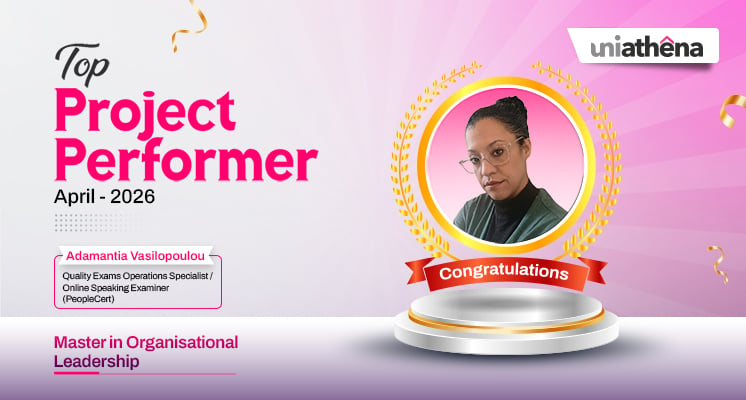
🌟 Top Project Performer – April 2026 🌟
Read More
1
mins read
🌟 Top Project Performer – June 2026 🌟
Read more
1
mins read
🌟 Top Project Performer – May 2026 🌟
Read more
1
mins read
Best AI Tools for Content Creation
Read more
9
mins read
How to Start Freelancing With No Experience
Read more
8
mins read
🌟 Top Project Performer – April 2026 🌟
Read more
1
mins read
Get in Touch

It’s Time to Start
Join NowMost Popular Online Specialization
- Master of International Business Administration
- Master of Business Administration
- MBA in General Management- FastTrack
- Master in Innovation and Entrepreneurship
- MBA-Family Business Management
- Master in Procurement and Contract Management
- Extended Diploma in Business Analytics (SCQF Level 11)
- Diploma in Supply Chain and Logistics Management (SCQF Level 11)
- Strategic Human Resource Management Practitioner
- Master in Data Science
- Master in Engineering Management
Trending Online
- Integrated Doctorate of Business Administration
- Postgraduate Certificate in Finance for Next Generation Managers
- Master of Business Administration- General Management (Fast Track)
- Postgraduate Certificate in Socio-Economic and Legal Framework
- Postgraduate Certificate in Business Sustainability
- Certified Manager
- Supply Chain Management Practitioner
- MBA - AI in Business
- MBA - Accounting & Finance
- Master in Supply Chain and Logistics Management
Top Universities Online Certificates
- Postgraduate Certificate in International Marketing Management
- Postgraduate Certificate In International Human Resource Management
- Postgraduate Certificate in Strategic Management
- Postgraduate Certificate in Procurement & Contracts Management
- Postgraduate Certificate in Business Analytics
- Postgraduate Certificate in Strategic Supply Chain & Logistics Management
- Postgraduate Certificate in Human Resource and Leadership
- Project Management Practitioner
- Postgraduate Certificate in Supply Chain Design & Implementation
- Postgraduate Certificate in Management Accounting and Finance
Accredited Online Degree Program
- MBA - Digital Transformation
- MBA - Family Business Management
- MBA - Marketing Management
- MBA in Quality Management
- MBA - Business Intelligence & Data Analytics
- MBA in Operations & Project Management
- MBA in Energy Management
- MBA In Construction & Safety Management
- Master in Organisational Leadership
- Master in Public Health
- Master in Construction Management
- Bachelor of Arts in Business Administration


 Install Now


UniAthena is an Ed-Tech, offering flexible, affordable learning solutions, including Free-Learning Upskilling Courses and Academic Programs in partnerships with accredited and globally renowned universities and professional qualification bodies.


Do you have any questions ?
Feel free to send us your questions or request a free consultation
Send a message
UK
Athena Global Education
Magdalen Centre,
Robert Robinson Avenue,
Oxford, OX4 4GA, UK
Phone : 01865 784299
MIDDLE EAST
Athena Global Education FZE
Block L-03, First Floor,
P O Box 519265, Sharjah Publishing City,
Free Zone, Sharjah, UAE
Phone : +971 55 879 5492
INDIA
Uniathena Private Limited
9A,Midas Tower
Phase 1
Hinjewadi Rajiv Gandhi Infotech Park
Pune-411057
Phone: +91 9145665544
All Copyrights Reserved @ Athena Global Education 2021-2026