-

Bachelor's

-

Masters
-

MBA
-

Doctorate
-

Micro Credit
-

Explore all Courses
-
Postgraduate Certifications

-
Postgraduate Diploma
-
Undergraduate Diploma
-
Diploma



How To Answer ‘Tell Me About Yourself’ In 2026

Author: sheza firoz
|9
MINS READ
| 0
| 916
Created On: 27 November, 2024 Updated On: 04 February, 2026
Share




Table of Contents (TOC):
- Introduction
- Key Takeaways
- The Real Intention of ‘Tell Me About Yourself’
- How ‘Tell Me About Yourself’ Has Evolved in 2026
- ‘Tell Me About Yourself’: What Not To Do
- How do I Explain About Myself in an Interview?
- ‘Tell me about yourself’ Examples
- General Tips for Interview Preparation
- Conclusion
- Bonus Points
- FAQs
Introduction
Your answer to ‘Tell me about yourself’ should be different in different circumstances. When asked in informal settings by acquaintances, you can furnish the answer with interesting tidbits about your personality. This, however, will not fly in an interview. Answering ‘Tell me about yourself’ in an interview with informal details like, ‘I love dogs’, ‘I am an avid skier’, or ‘I spend my weekends volunteering at the animal shelter’ is a major blunder.
In Interview settings, this deceptively simple and casual question means something else entirely. As a Professional, you must not only be aware of the information the interviewer wishes to extract with this question but also be prepared with the best possible response.
This blog will detail the wrong ways to answer this question, the true intention of the question in interview settings, and the best tips to ace it in your next interview.
Key Takeaways:
- “Tell me about yourself” is a strategic screening question, not a casual introduction.
- The best way to answer ‘Tell me about yourself’ is to connect your past, present, and future to the role.
- Interviewers use this question to assess communication skills, role fit, and career intent within the first 90 seconds.
- A strong answer avoids personal oversharing and focuses on professional value and growth.
- Tailoring your response to the company and role significantly improves interview outcomes in 2026 hiring.
- Freshers and MBA candidates should highlight learning agility, internships, and career direction.
- Structured storytelling performs better than resume repetition, especially in AI-led interviews.
The Real Intention of ‘Tell Me About Yourself’
When an Interviewer says, ‘Tell me about yourself.’, what they really want to know is, ‘Tell me details about yourself that show you are a good fit for this role.’ They are looking to add some context to the experiences in your resume and understand your professional progress so far, your ambitions, and your future plans.
So your answer must be tailored to address this unspoken question and include these aspects.
How ‘Tell Me About Yourself’ Has Evolved in 2026
In coming times, the way candidates answer “Tell me about yourself” has subtly but significantly evolved. With AI-powered Applicant Tracking Systems (ATS), structured interviews, and hybrid hiring models becoming standard, interviewers are increasingly listening for clarity, relevance, and future alignment rather than lengthy career histories.
According to global hiring trend reports, recruiters now spend less than 90 seconds forming a first impression, making your opening response more critical than ever.
In 2026, employers are also assessing how well candidates understand where they see themselves in coming years, especially in fast-changing industries like technology, business, healthcare, and management. This means your answer should reflect adaptability, continuous learning, and role-specific intent.
Whether you are preparing a “tell me about yourself MBA sample answer” or a “tell me about yourself sample answer for freshers MBA”, recruiters expect you to demonstrate awareness of industry shifts, digital skills, and long-term value creation.
Additionally, video interviews and AI-screened interviews have increased the importance of structured storytelling. Candidates who follow a clear past–present–future format consistently outperform those who speak spontaneously without direction.
The best way to answer “tell us about yourself” in 2026 is to combine professional credibility with forward-thinking goals, showing not just who you are, but where you are headed and why the role fits that journey.
‘Tell Me About Yourself’: What Not To Do
1. Avoid irrelevant and overly personal details about yourself or your life. Unlike in informal settings, this question is not an invitation to open up too personally.
2. Keep it professional and brief – don’t keep rambling on. A concise and targeted answer will do.
3. Try to sound animated and engaged. Don’t appear bored, irritated, or caught off-guard. Remember: your body language, tone of voice and expression are also being tested.
4. Avoid repeating your resume like a parrot. Only mention key information and build upon it with relevant context. We will explain how you can do this in the next section.
How do I Explain About Myself in an Interview?
So what is the best answer to ‘Tell me about yourself’? Here are some strategies to craft the perfect response:
1. Start with your relevant educational background and past working experience:
This offers insight into your credentials and level of expertise in your field. If you have several qualifications and past work experiences, try to only mention the most relevant points here. Keep this brief and to the point.
2. Transition into your current position:
Turn your answer towards the position you hold presently. Mention something you enjoy about your current job, and why you wish to move on from it. If your reasons are not pleasant (e.g.: a toxic working environment), keep your reason vague (e.g.: moving on to better opportunities). Pursuing growth, a challenge or a change of pace are common answers.
3. Connect your reason for career/role shift to the company you are interviewing for:
This requires you to research the company you are applying to. Research their offerings, mission, vision, target demographic, and competition to align them with your reasonings. Frame it with your reason as a problem statement, and their company as the solution to it.
4. Optionally, you can add some hobbies here:
While we did mention avoiding very personal or irrelevant details, adding a few casual hobbies at the end of your answer is alright. This offers insight into you as a person (while your previous responses only shed light on you as a Professional). Keep these details brief, wholesome, and non-controversial.
Feeling a bit lost? That’s alright, here are some ‘Tell me something about yourself’ sample answers and examples, based on the format suggested above.
‘Tell me about yourself’ Examples
Example 1: A Recent Graduate
“My name is Sarah, and I graduated from the University of California in Los Angeles with a Master’s in Marketing. I have completed marketing Internships with Honey, Bosch, and Heinz, which gave me practical experience and insights into the daily operations of this role.
I noticed your commitment to sustainability and eco-friendly practices, which are values close to my heart. I hope to join your Marketing Team and grow my expertise while bringing my own perspectives and novel ideas to the table.”
Example 2: Seasoned Professional
“My name is Matthew, and I earned my Master of Science in Organisational Psychology from New York University. I have worked as an Organisational Psychologist for Microsoft, Amazon, and the Department of Health. My specialities include Psychometric Testing during recruitment, overseeing performance management, and implementing well-being initiatives for employees.
I have successfully reduced burnout levels in the Accounts department at my previous company by 15%. I noticed that your company is dedicated to protecting employee well-being, which motivated me to pursue opportunities for growth here. I hope to use my expertise to help the company achieve its wellness goals.”
Example 3: Career Shifting Professional
“I have 8 years of experience in Data Science and Data Analytics, where I developed strong data reading skills and honed my ability to convert data into insights. I am transitioning to a career in Marketing, where my affinity with Data will help me curate efficient and targeted Marketing campaigns, both online and offline. I am eager to apply my Data skills to help your business reach its targets.”
These are just a few ways to approach ‘Tell me about yourself’ as per your professional profile.
Also Read: Why Are You Looking for a New Job? - How to Respond
General Tips For Interview Preparation
1. Have a general idea of the questions you are likely to encounter:
In addition to ‘Tell me about yourself’, be ready for questions like ‘Why should we hire you?’, ‘Where do you see yourself in 5 years?’, ‘What is your biggest strength and weakness?’, ‘How do you function under pressure and stress?’, ‘Tell us about a time when you handled a tricky situation with a difficult colleague/disagreement with a boss/impossible deadline’ and so on.
2. Keep your answers ready for these questions:
While it is important to understand the underlying intent of these questions and know how you will respond, sticking to a script will not help. Answer these questions naturally, without appearing too rehearsed.
3. Prepare yourself for technical questions:
Depending on the domain you work in, you will be required to answer some technical questions. Research the kind of technical queries that may come up and practise them to become familiar with this line of questioning.
4. Address the gaps in your Resume:
If you know that your resume will raise certain kinds of questions, be prepared to address them. For example, if you are a Job Hopper, you may be asked why you switched jobs so often (this is how you respond!). If you have taken a career break or switched careers, be prepared to answer questions about that, too.
5. Use the STAR Method to answer unexpected questions:
If you are asked to describe a situation in which you acted a certain way (took initiative, handled a crisis, dealt with conflict or failure), then use the STAR method to answer. Start by briefly describing the situation, mention the task or challenge at hand, explain the action you took (and your rationale), and end with the results of your actions. This is a tried-and-true method.
Also Read: How to Prepare for a Group Discussion
6. Practice, Practice, Practice:
Doing mock interviews with friends, colleagues, or even AI to help you get used to being in an interview setting. This can help take some of the mystery and discomfort out of being interviewed and help you consolidate your responses with peer or AI feedback.
7. Manage pre-interview anxiety:
If you feel tense and jittery before a big interview, identify and do an activity that will calm your nerves. This could be leisure activities, spending time with your family, playing with a pet, or anything else you find relaxing. Try breathing exercises when you are waiting to attend the interview and remember that this is not the very last opportunity you will encounter. If not this, then the next.
These interview tips are a good place to start, but you can also check out more tips here.
Conclusion
Reader, we hope you will now be able to ‘Tell us about yourself’ with ease and confidence. We have covered the Do’s (and Don'ts) of answering ‘Tell me about yourself’ in an interview. We have also included ‘tell me something about yourself’ sample answers, along with some job interview questions and tips to answer them well. Time for your interview!
Bonus Points:
- The first step to interview success is an impressive Resume! Keep your resume ATS-friendly and brief (here's how to make the perfect resume!)
- We know the day of the interview is a stressful and nerve-wracking time, so here's a checklist of everything you need to carry!
FAQs
Q1. How do you answer “tell me about yourself” in an interview?
A: Start with relevant education or experience, explain your current role, and connect your goals to the job you’re applying for.
Q2. What is the best way to answer “tell me about yourself” in 2026?
A: Use a concise past–present–future format that shows adaptability, role fit, and long-term career intent.
Q3. What should I avoid when answering “tell us about yourself”?
A: Avoid personal anecdotes, long career histories, and repeating your resume word for word.
Q4. How long should a “tell me about yourself” answer be?
A: Ideally 60–90 seconds to maintain clarity, confidence, and interviewer engagement.
Q5. Can freshers or MBA candidates answer this question without work experience?
A: Yes, by focusing on education, internships, projects, skills, and career aspirations.
Q6. Should I customize my “tell me about yourself” answer for each interview?
A: Absolutely, customization signals preparation and increases perceived role alignment.
Explore Related Courses









.jpg)

.jpg)


COMMENTS(0)
Explore Related Courses
Our Popular Insights
Careers are shifting faster than ever, and staying relevant takes more than experience. Explore UniAthena’s most-read blogs for sharp insights, emerging skills, and practical pathways that help you move forward with clarity and confidence in a changing professional world.

What is Business Development?
Read More
6
mins read
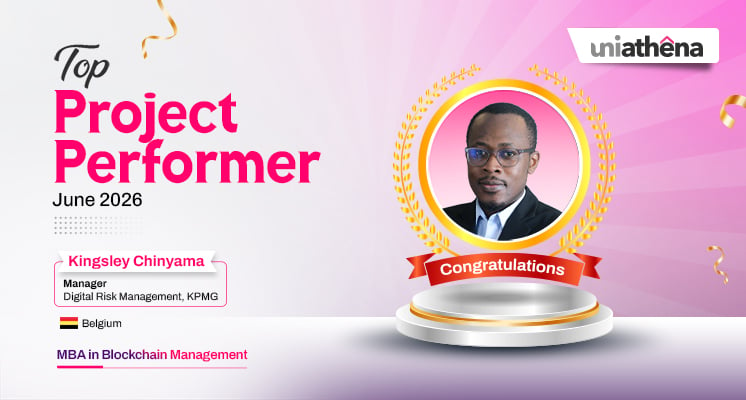
🌟 Top Project Performer – June 2026 🌟
Read More
1
mins read

What is the Role of AI in Education?
Read More
4
mins read
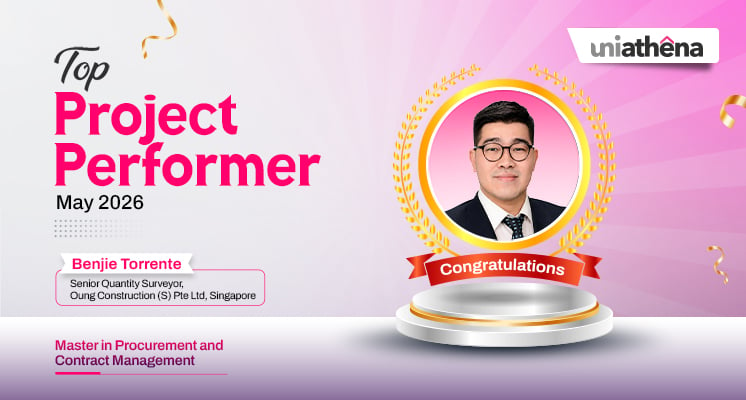
🌟 Top Project Performer – May 2026 🌟
Read More
1
mins read

🌟 Top Project Performer – April 2026 🌟
Read More
1
mins read
What is Business Development?
Read more
6
mins read
🌟 Top Project Performer – June 2026 🌟
Read more
1
mins read
What is the Role of AI in Education?
Read more
4
mins read
🌟 Top Project Performer – May 2026 🌟
Read more
1
mins read

🌟 Top Project Performer – April 2026 🌟
Read more
1
mins read
Get in Touch

It’s Time to Start
Join NowMost Popular Online Specialization
- Master of International Business Administration
- Master of Business Administration
- MBA in General Management- FastTrack
- Master in Innovation and Entrepreneurship
- MBA-Family Business Management
- Master in Procurement and Contract Management
- Extended Diploma in Business Analytics (SCQF Level 11)
- Diploma in Supply Chain and Logistics Management (SCQF Level 11)
- Strategic Human Resource Management Practitioner
- Master in Data Science
- Master in Engineering Management
Trending Online
- Integrated Doctorate of Business Administration
- Postgraduate Certificate in Finance for Next Generation Managers
- Master of Business Administration- General Management (Fast Track)
- Postgraduate Certificate in Socio-Economic and Legal Framework
- Postgraduate Certificate in Business Sustainability
- Certified Manager
- Supply Chain Management Practitioner
- MBA - AI in Business
- MBA - Accounting & Finance
- Master in Supply Chain and Logistics Management
Top Universities Online Certificates
- Postgraduate Certificate in International Marketing Management
- Postgraduate Certificate In International Human Resource Management
- Postgraduate Certificate in Strategic Management
- Postgraduate Certificate in Procurement & Contracts Management
- Postgraduate Certificate in Business Analytics
- Postgraduate Certificate in Strategic Supply Chain & Logistics Management
- Postgraduate Certificate in Human Resource and Leadership
- Project Management Practitioner
- Postgraduate Certificate in Supply Chain Design & Implementation
- Postgraduate Certificate in Management Accounting and Finance
Accredited Online Degree Program
- MBA - Digital Transformation
- MBA - Family Business Management
- MBA - Marketing Management
- MBA in Quality Management
- MBA - Business Intelligence & Data Analytics
- MBA in Operations & Project Management
- MBA in Energy Management
- MBA In Construction & Safety Management
- Master in Organisational Leadership
- Master in Public Health
- Master in Construction Management
- Bachelor of Arts in Business Administration


 Install Now


UniAthena is an Ed-Tech, offering flexible, affordable learning solutions, including Free-Learning Upskilling Courses and Academic Programs in partnerships with accredited and globally renowned universities and professional qualification bodies.


Do you have any questions ?
Feel free to send us your questions or request a free consultation
Send a message
UK
Athena Global Education
Magdalen Centre,
Robert Robinson Avenue,
Oxford, OX4 4GA, UK
Phone : 01865 784299
MIDDLE EAST
Athena Global Education FZE
Block L-03, First Floor,
P O Box 519265, Sharjah Publishing City,
Free Zone, Sharjah, UAE
Phone : +971 55 879 5492
INDIA
Uniathena Private Limited
9A,Midas Tower
Phase 1
Hinjewadi Rajiv Gandhi Infotech Park
Pune-411057
Phone: +91 9145665544
All Copyrights Reserved @ Athena Global Education 2021-2026