-

Bachelor's

-

Masters
-

MBA
-

Doctorate
-

Micro Credit
-

Explore all Courses
-
Postgraduate Certifications

-
Postgraduate Diploma
-
Undergraduate Diploma
-
Diploma



Resume Writing 101: Expert Tips & Tricks (2026)

Author: sheza firoz
|7
MINS READ
| 0
| 960
Created On: 23 May, 2024 Updated On: 16 February, 2026
Share




Table of Contents (TOC):
- Key Takeaways
- Resume Writing Tips? Start with Presentation
- Resume Formatting Rules
- Update your Resume with a Brain Dump
- How to Create a Resume? Start Writing
- Figures & Keywords Matter
- AI is Your Friend
- Resume Trends for 2026: Stay Ahead of the Game
- How to Improve Your Resume
- Video Resumes
- Conclusion
- FAQs
Resume writing can feel overwhelming if you don’t know where to start. Luckily for you, we have collected tried-and-tested resume writing tips from Career Expert Erin McGoff.
Here are her top tips to help you create the perfect resume to win over the Hiring Manager (and ATS)!
Key Takeaways:
- Resume writing in 2026 is focused on skills, clarity, and measurable results.
- Simple formatting and ATS-friendly design improve visibility with recruiters.
- Tailoring your resume for each job increases interview chances.
- AI resume tools and Grammarly can help improve wording and accuracy.
- Keeping your resume honest, relevant, and updated is key to long-term career success.
1. Resume Writing Tips? Start with Presentation
Avoid flashy colours, fonts, styles, images, or templates. All resume-building tips are unhelpful without this, as it ruins readability. Keep your design minimal and easy on the eyes. Remember, Hiring Managers only spend about 7 seconds per resume, so keep it simple and easy to skim.
Keep it short. Always stick to one-page Resumes. If you feel that you must have two pages, then ensure that all crucial information is covered on the first page alone.
Anything that distracts from the content you have written must go. Even if you work in a creative industry, like Design or Photography, Erin recommends a simple resume. Display your creativity in your Portfolio instead.
Because your resume must pass ATS (Applicant Tracking System) before it reaches the hands of the Hiring Manager, avoid JPEG formats or anything else that ATS Software does not understand.
2. Resume Formatting Rules
Left-Align All Content
Always keep your resume left-aligned. This improves readability and helps both recruiters and ATS systems scan your resume quickly and accurately.
Use Standard 1-inch Margins
Using 1-inch margins on all sides keeps your resume balanced and professional. It also ensures that your content doesn’t look crowded or cut off when viewed on different devices.
Choose a Professional, Easy-to-Read Font
Select simple fonts like Arial, Calibri, or Times New Roman. These fonts are widely accepted, look professional, and make your resume easy to read, even during a quick scan.
Divide Your Content into Clear Sections
Organise your resume into clear sections such as Experience, Skills, Education, and Certifications. This structure helps recruiters find important information without confusion.
Use Bullet Points for Work Experience
Bullet points make your achievements and responsibilities easier to read. They help recruiters quickly understand what you did and what results you achieved.
Keep Your Resume Length Appropriate
For most job seekers, one page is ideal. Senior professionals with extensive experience may use two pages, but only if every detail adds value.
3. Update your Resume with a Brain Dump
Before you look at how to write a resume, you must know what you intend to include. To begin, set up a Google Docs or Word Document. Here, you will include all educational and professional skills for the resume, including soft and hard skills.
Now you have a handy cheat sheet of all the details employers would want. Keep updating this document, and you will never wonder what to put on a resume again.
Erin’s biggest tip? Tailor your resume to the job you are applying for by editing it for each position. For example, if the job description mentions expertise with specialised software like Adobe After Effects or Photoshop, add that to the resume you submit for that opening.
4. How to Create a Resume? Start Writing
Now that your Brain Dump sheet is ready, you can start creating a resume! Choose a simple and minimal template from Google Docs to get started.
Five sections are mandatory in every resume: Name, Contact Details, Relevant Past Experience, Education, and Skills. Optionally, if you are multilingual, you can add all the languages you speak, your soft skills, your LinkedIn profile, etc.
Erin recommends (as does research) writing a Professional Summary at the top of your resume. This can significantly boost your chances of getting called for an Interview.
Ideally, you must mention the most relevant details first. For instance, if you work in an experience-relevant field, add your Past Experiences right after your Name and Contact Details.
Alternatively, you can add your experience from the latest to the oldest occurring, or a chronological order.
Remember: NEVER lie or embellish facts on your Resume. You need employers to know and value your unique contribution and actual skills, not anyone else’s. Stay true to yourself and do not compromise on your ethics.
Also Read: Which Soft Skills Employers Will Value Most in 2026?
5. Figures & Keywords Matter
Erin recommends quantifying your skills and achievements because people find them more compelling and credible. For example, you could say ‘wrote 5-8 Blogs per week’ instead of ‘wrote blogs’.
Revisit the job description of the position you are applying for. Look at the skills and experience they mention, and add those words (when and where relevant) to your resume too.
This makes your resume more personalised & in tune with what the company expects, making you the preferred candidate for the job.
Additionally, Erin suggests adding the important details and significant keywords to the upper left quadrant of the resume. This helps ensure that it does not miss the reader’s attention.
Here’s a simple example that shows how small changes can completely transform a job resume.
6. AI is Your Friend:
Not sure about your resume writing skills yet? Tools like ChatGPT and Gemini can help you word your resume in the best possible way.
Worried about typos and grammatical errors? Use Grammarly for resume writing! It helps with word choices, tone, and proofreading. Once your resume is completed, insert it into jobscan.com. The website will grade your resume against the job you have applied for, giving you a rating.
Also Read: What Is a Career Objective in a Resume?
Resume Trends for 2026: Stay Ahead of the Game
The job market is evolving, and so are resumes, and to stay ahead, you need to keep up with the latest trends. Here are some important trends for 2026:
AI-Optimized Resumes
Many organisations use Applicant Tracking Systems (ATS) to scan resumes before they even reach a hiring manager. If your resume isn’t ATS-friendly, it might get rejected.
Highlight Your Tech and Digital Skills
Technology is everywhere now, so it’s important to show that you’re comfortable using it. Nowadays, resumes often have a separate section just for technical skills, like Microsoft Excel, project management tools, or AI platforms. It shows you're ready for today’s digital
workplaces.
Add LinkedIn and Portfolio Links
Want to make it easier for recruiters to learn more about you? Add links to your LinkedIn profile or your online portfolio right on your resume. You can place them in the header or contact section. It saves space and gives them quick access to your professional story and work samples.
Also Read: What is the Difference Between a CV and a Resume?
How to Improve Your Resume
- Use simple formatting (no fancy fonts, tables, or images) or use an AI resume builder that creates ATS-friendly resume layouts.
- Add keywords from the job description so the system recognizes your skills.
- Save your resume as a PDF or Word document (other formats may not work well). This helps your resume pass the ATS and reach hiring managers.
Video Resumes
Some industries are starting to accept short video resumes. These help employers see your personality and communication skills.
How to Improve Your Video Resume:
- Keep your video short (30-60 seconds) and highlight your strengths.
- Speak clearly and confidently in a professional manner.
- Only use a video resume if the job or industry welcomes it.
- Not every job requires a video resume, but for creative or customer-facing roles, it can make a big difference.
Conclusion
Your resume isn’t just a document; it’s a personal marketing tool that should clearly communicate your value to employers. Following these proven resume writing strategies, incorporating AI tools, and staying updated with trends will help you create the perfect resume and increase your chances of landing your dream job.
Also Read: How to Get a Job Fast: Freshers and Career Switchers
FAQs
Q1. How do I write a resume in 2026?
A: To write a resume in 2026, focus on skills, achievements, and results rather than long job descriptions. Use simple formatting, include relevant keywords from the job description, and make sure your resume is ATS-friendly.
Q2. What should I put on a resume?
A: A job resume should include your contact details, professional summary or resume objective, work experience, skills, and education. You can also add certifications, technical skills, LinkedIn profile links, and key projects if they are relevant.
Q3. How important is a resume objective or professional summary?
A: A resume objective or professional summary is very important because it tells recruiters who you are and what you offer within seconds. A strong summary increases your chances of getting shortlisted for interviews.
Explore Related Courses








.jpg)


COMMENTS(0)
Explore Related Courses
Our Popular Insights
Careers are shifting faster than ever, and staying relevant takes more than experience. Explore UniAthena’s most-read blogs for sharp insights, emerging skills, and practical pathways that help you move forward with clarity and confidence in a changing professional world.

🌟 Top Project Performer – June 2026 🌟
Read More
1
mins read

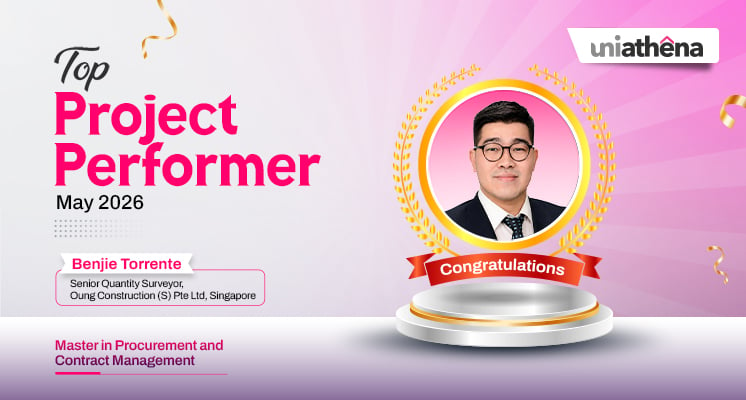
🌟 Top Project Performer – May 2026 🌟
Read More
1
mins read

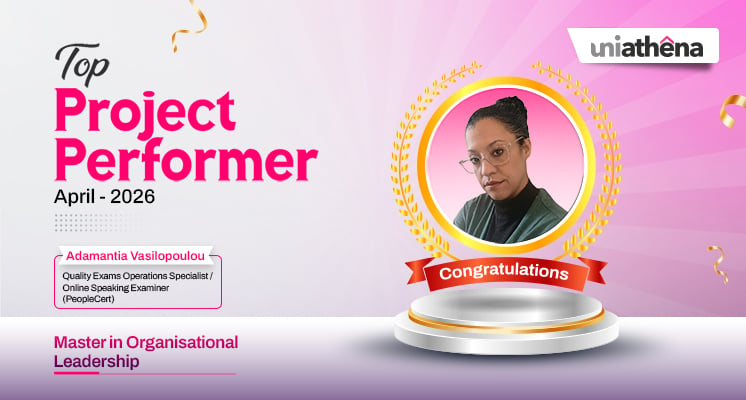
🌟 Top Project Performer – April 2026 🌟
Read More
1
mins read

🌟 Top Project Performer – June 2026 🌟
Read more
1
mins read
🌟 Top Project Performer – May 2026 🌟
Read more
1
mins read
🌟 Top Project Performer – April 2026 🌟
Read more
1
mins read
Get in Touch

It’s Time to Start
Join NowMost Popular Online Specialization
- Master of International Business Administration
- Master of Business Administration
- MBA in General Management- FastTrack
- Master in Innovation and Entrepreneurship
- MBA-Family Business Management
- Master in Procurement and Contract Management
- Extended Diploma in Business Analytics (SCQF Level 11)
- Diploma in Supply Chain and Logistics Management (SCQF Level 11)
- Strategic Human Resource Management Practitioner
- Master in Data Science
- Master in Engineering Management
Trending Online
- Integrated Doctorate of Business Administration
- Postgraduate Certificate in Finance for Next Generation Managers
- Master of Business Administration- General Management (Fast Track)
- Postgraduate Certificate in Socio-Economic and Legal Framework
- Postgraduate Certificate in Business Sustainability
- Certified Manager
- Supply Chain Management Practitioner
- MBA - AI in Business
- MBA - Accounting & Finance
- Master in Supply Chain and Logistics Management
Top Universities Online Certificates
- Postgraduate Certificate in International Marketing Management
- Postgraduate Certificate In International Human Resource Management
- Postgraduate Certificate in Strategic Management
- Postgraduate Certificate in Procurement & Contracts Management
- Postgraduate Certificate in Business Analytics
- Postgraduate Certificate in Strategic Supply Chain & Logistics Management
- Postgraduate Certificate in Human Resource and Leadership
- Project Management Practitioner
- Postgraduate Certificate in Supply Chain Design & Implementation
- Postgraduate Certificate in Management Accounting and Finance
Accredited Online Degree Program
- MBA - Digital Transformation
- MBA - Family Business Management
- MBA - Marketing Management
- MBA in Quality Management
- MBA - Business Intelligence & Data Analytics
- MBA in Operations & Project Management
- MBA in Energy Management
- MBA In Construction & Safety Management
- Master in Organisational Leadership
- Master in Public Health
- Master in Construction Management
- Bachelor of Arts in Business Administration


 Install Now


UniAthena is an Ed-Tech, offering flexible, affordable learning solutions, including Free-Learning Upskilling Courses and Academic Programs in partnerships with accredited and globally renowned universities and professional qualification bodies.


Do you have any questions ?
Feel free to send us your questions or request a free consultation
Send a message
UK
Athena Global Education
Magdalen Centre,
Robert Robinson Avenue,
Oxford, OX4 4GA, UK
Phone : 01865 784299
MIDDLE EAST
Athena Global Education FZE
Block L-03, First Floor,
P O Box 519265, Sharjah Publishing City,
Free Zone, Sharjah, UAE
Phone : +971 55 879 5492
INDIA
Uniathena Private Limited
9A,Midas Tower
Phase 1
Hinjewadi Rajiv Gandhi Infotech Park
Pune-411057
Phone: +91 9145665544
All Copyrights Reserved @ Athena Global Education 2021-2026