-

Bachelor's

-

Masters
-

MBA
-

Doctorate
-

Micro Credit
-

Explore all Courses
-
Postgraduate Certifications

-
Postgraduate Diploma
-
Undergraduate Diploma
-
Diploma



Blockchain in Education: Building the Future of Learning

Author: maria rashid
|5
MINS READ
| 0
| 496
Created On: 04 July, 2025 Updated On: 15 October, 2025
Share




In recent years, technology has revolutionized nearly every industry, and there is no exception for the education industry as well. We are moving into a future where digital transformation and technological advancements are the new norms. As a result, there is an intersection between education technology (EdTech) and blockchain technology, which has presented us with new and innovative ways of interacting with educational systems, learning, and teaching.

Source: https://mrccedtech.com/the-future-of-edtech-emerging-trends-technologies/
Blockchain technology was initially known for powering cryptocurrencies, but it is now emerging as a game-changer for various industries, including the educational sector. Let us explore how blockchain technology fits into the world of education and why it is a perfect match for future-ready learning.
What is Blockchain Technology?
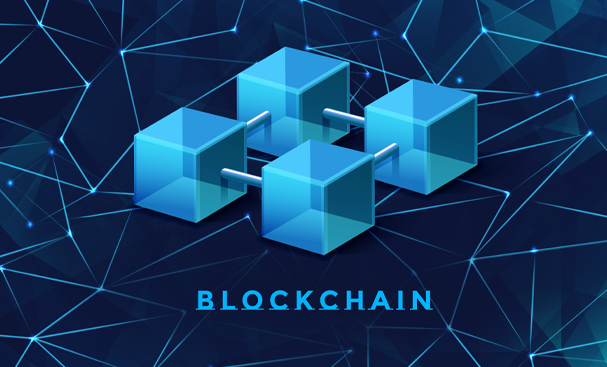
Blockchain technology is a decentralized digital ledger that records transactions across multiple computer systems in such a way that the security and transparency of data are not compromised. This technology forms a chronological chain of immutable data by linking each data set, called a “block,” to the previous block. This makes the records tamper-proof because they are decentralized, and no single entity has control over them.
While blockchain technology is primarily associated with cryptocurrencies, it is now going beyond its traditional role and entering the educational industry by revolutionizing how credentials are saved and verified, how educational data is stored, tracked, and distributed.
Blockchain in Education: A Game Changer
The integration of education systems and blockchain technology is not just a technological trend but a transformative shift that is solving critical challenges in the education sector.

Improved Data Security:
Educational institutions store and manage vast amounts of sensitive student data, like marks, records, personal information, etc. Therefore, the protection and security of this sensitive data are of utmost importance because cyber threats have become sophisticated. This is where blockchain’s cryptographic nature secures this from unknown access, breaches, or fraud.
Enhanced Trust and Transparency:
With the use of blockchain technology, educational institutions can ensure that their records and data are not compromised because blockchain provides transparent data that is immutable and verified. This builds trust among students, parents, and other stakeholders.
Decentralized Learning Ecosystems:
The use of blockchain enables decentralized learning systems where students can have more control over their learning experiences. This makes learning more accessible and inclusive as it enables peer-to-peer learning, sharing of resources, and decentralized platforms.
Smart Contracts:
Blockchain-based smart contracts help in automating processes like course enrollments, certifications, release of scholarships, etc. This enables personalized learning for the students. For instance, smart contracts can be used to release automatic certificates when a learner completes a module, so that the learner is rewarded promptly.
Credentialing Systems:
The traditional system of credentialing is often slow and prone to errors. Blockchain technology helps in overcoming this challenge by providing a decentralized ledger that stores, verifies, and shares academic credentials. It reduces the administrative overheads, costs, and speeds up the process of verification.
The Future of Blockchain in Education
As educational institutions have begun adopting blockchain technology in their systems, the future of blockchain in education holds immense promise. The following advancements can be expected:
Blockchain-based learning platforms:
The learning platforms that will be connected to blockchain technology will enable students to create, track, manage, and control their learning progress independently, allowing decentralized, secure, and transparent learning experiences.
Interoperable credentialing systems:
With interoperability of the credentialing systems by using blockchain technology, it is easier for students to share their certifications or credentials with employers or other institutions because blockchain technology enables global recognition of academic achievements.
Integration with emerging technologies:
Blockchain in education is continuously evolving and integrating with other technologies like artificial intelligence, the internet of things, machine learning, data analytics, etc. This will result in highly data-driven personalized learning experiences.
Micro-credentials and badges:
Micro-credentials are small, incremental academic achievements, including badges and certificates for specific skills. Blockchain technology facilitates the recognition of these micro-credentials and badges.
Blockchain’s Potential Applications in Education
It is true that blockchain technology in education is in its early stages, but the potential applications of this integration of blockchain technology and the educational sector are wide-ranging. Such as;
Educational record management:
A blockchain-powered record management system can automatically save, review, track, and manage student records like grades, certificates, achievements, etc.
Technology-based educational platforms:
Blockchain-powered learning or educational platforms remove intermediaries so that teachers and students can interact directly, creating a more personalized learning environment and offering peer-to-peer learning platforms.
Decentralized educational resources:
Blockchain technology could be utilized to share and manage digital learning resources like ebooks, research papers, tutorials, etc., on a decentralized network, enabling global collaboration and access.
Get Ahead with Blockchain Skills
It is beneficial to stay ahead in the world of Edtech by exploring and understanding the transformative role of blockchain technology in the education sector. It's important to acquire necessary knowledge, and it is easier because numerous online platforms and educational institutions are offering blockchain courses, teaching the integration of blockchain in various industries, including the education sector.
As students, these courses provide tools and knowledge to learn and know the role of technology in their learning experiences, and as professional individuals can learn to implement the blockchain solutions in their own organizations.
Conclusion
Blockchain technology is set to alter the world of education by providing data privacy and security, enhancing transparency, streamlining credentialing, and supporting decentralized learning. New ways to store, manage, receive, track, and share educational data will emerge as more and more EdTech institutions adopt blockchain technology. There will be a strong advantage for those who learn and understand the use of blockchain technology early. This transformation is not just a trend, but a change that will shape the future of learning.
Explore Related Courses











COMMENTS(0)
Explore Related Courses
Our Popular Insights
Careers are shifting faster than ever, and staying relevant takes more than experience. Explore UniAthena’s most-read blogs for sharp insights, emerging skills, and practical pathways that help you move forward with clarity and confidence in a changing professional world.









Get in Touch

It’s Time to Start
Join NowMost Popular Online Specialization
- Master of International Business Administration
- Master of Business Administration
- MBA in General Management- FastTrack
- Master in Innovation and Entrepreneurship
- MBA-Family Business Management
- Master in Procurement and Contract Management
- Extended Diploma in Business Analytics (SCQF Level 11)
- Diploma in Supply Chain and Logistics Management (SCQF Level 11)
- Strategic Human Resource Management Practitioner
- Master in Data Science
- Master in Engineering Management
Trending Online
- Integrated Doctorate of Business Administration
- Postgraduate Certificate in Finance for Next Generation Managers
- Master of Business Administration- General Management (Fast Track)
- Postgraduate Certificate in Socio-Economic and Legal Framework
- Postgraduate Certificate in Business Sustainability
- Certified Manager
- Supply Chain Management Practitioner
- MBA - AI in Business
- MBA - Accounting & Finance
- Master in Supply Chain and Logistics Management
Top Universities Online Certificates
- Postgraduate Certificate in International Marketing Management
- Postgraduate Certificate In International Human Resource Management
- Postgraduate Certificate in Strategic Management
- Postgraduate Certificate in Procurement & Contracts Management
- Postgraduate Certificate in Business Analytics
- Postgraduate Certificate in Strategic Supply Chain & Logistics Management
- Postgraduate Certificate in Human Resource and Leadership
- Project Management Practitioner
- Postgraduate Certificate in Supply Chain Design & Implementation
- Postgraduate Certificate in Management Accounting and Finance
Accredited Online Degree Program
- MBA - Digital Transformation
- MBA - Family Business Management
- MBA - Marketing Management
- MBA in Quality Management
- MBA - Business Intelligence & Data Analytics
- MBA in Operations & Project Management
- MBA in Energy Management
- MBA In Construction & Safety Management
- Master in Organisational Leadership
- Master in Public Health
- Master in Construction Management
- Bachelor of Arts in Business Administration


 Install Now


UniAthena is an Ed-Tech, offering flexible, affordable learning solutions, including Free-Learning Upskilling Courses and Academic Programs in partnerships with accredited and globally renowned universities and professional qualification bodies.


Do you have any questions ?
Feel free to send us your questions or request a free consultation
Send a message
UK
Athena Global Education
Magdalen Centre,
Robert Robinson Avenue,
Oxford, OX4 4GA, UK
Phone : 01865 784299
MIDDLE EAST
Athena Global Education FZE
Block L-03, First Floor,
P O Box 519265, Sharjah Publishing City,
Free Zone, Sharjah, UAE
Phone : +971 55 879 5492
INDIA
Uniathena Private Limited
9A,Midas Tower
Phase 1
Hinjewadi Rajiv Gandhi Infotech Park
Pune-411057
Phone: +91 9145665544
All Copyrights Reserved @ Athena Global Education 2021-2026