-

Bachelor's

-

Masters
-

MBA
-

Doctorate
-

Micro Credit
-

Explore all Courses
-
Postgraduate Certifications

-
Postgraduate Diploma
-
Undergraduate Diploma
-
Diploma



Academic Burnout: Why It Happens and How to Avoid It

Author: maharajan p
|7
MINS READ
| 0
| 1,427
Created On: 16 January, 2026
Share




Table of Contents (TOC):
- Introduction
- Key Takeaways
- What Is Academic Burnout?
- Why Does Academic Burnout Happen?
- How to Stay Focused and Avoid Burning Out
- Conclusion
- FAQs
Introduction
You've been studying for hours, but nothing's sticking. You sit down to start an assignment and your brain just refuses. You're exhausted, but sleep doesn't help anymore.
Is this just stress? Or is it something else?
Burnout is often treated as extreme stress, something that disappears with a short break or better time management. But the reality is more complicated. Burnout in students develops gradually, affecting focus, motivation, and emotional resilience long before students realize what’s happening. Once it sets in, recovery isn’t as simple as taking time off.
And it doesn’t just affect college students. Many working professionals enrolled in higher education or certification programs experience the same pattern of student burnout as they balance coursework with jobs, deadlines, and personal responsibilities.
This article breaks down what academic burnout actually is, why it happens to so many students, and—most importantly—how to prevent burnout from studying before it starts to derail learning.
Key Takeaways:
Most students find themselves overwhelmed, yet far fewer recover, because burnout isn’t caused by a lack of rest, it comes from doing work that feels disconnected from who they are.
- You're burning out from treating six subjects as equal priorities while comparing yourself to everyone.
- Recovery means making pressure manageable, not pushing harder. Focused learning, real breaks, and tackling one concept at a time help you regain control without draining your energy.
What is Academic Burnout?
Academic burnout is a state of emotional, physical, and mental exhaustion caused by prolonged stress. The World Health Organization breaks it down into three things: feeling drained, becoming cynical about your studies, and doubting whether you're even capable anymore.
If you think you're putting off that essay because you're stressed, or you can't focus because there's too much pressure—you might be wrong.
Burnout is not a short reaction to workload. It develops when academic pressure stays high for a long time without proper mental recovery.
It affects students who care deeply about their grades, performance, and future outcomes. When consistent effort stops translating into expected results, students don’t just get tired, they also get discouraged. That discouragement is what slowly turns effort into emotional exhaustion.
There are a few common ways students begin to recognize it:
- You can't remember the last time you felt genuinely curious about something you're studying.
- You're working harder than ever but feeling less accomplished than ever.
- You open your laptop and feel... nothing. Not anxiety. Not motivation. Just blank.
These signs indicate a shift from temporary academic stress to sustained academic burnout.
Why Does Academic Burnout Happen?
The strange thing about burnout is that most students don’t notice it themselves. You might feel stressed about failing an exam, or worried about keeping up with your classmates—but you often only realize it when someone close to you points it out.
At its core, burnout comes from stress. And stress can enter your life in more ways than you might expect.
Because You're Told Everything Matters Equally.
Think about your current week. How many responsibilities are on your plate? Classes, assignments, work projects, meetings, family obligations… Can you genuinely give all of them the same attention and energy?
Your brain already knows the answer. Some tasks matter more to your goals, others are necessary but not inspiring. Maybe you’re fascinated by one subject or project, but another feels like a box you just have to tick. Yet everything seems to demand equal excellence; your transcript, your performance review, or your certification deadlines don’t care about which you enjoy more.
So you try to juggle it all. You schedule every hour. You tell yourself you can be productive for long stretches and yes, you can. But here’s the truth: you can’t be equally effective at everything you’re trying to push through. Recognizing where to focus first is what prevents burnout and keeps your effort meaningful.
Because Rest is Treated as Failure.
When was the last time you slept a full eight hours during the semester? And beyond sleep, when was the last time you took a real break that did not involve checking notes, scrolling on your phone, or thinking about what you still had to study?
For many learners—whether in college or juggling a full-time job with higher-education studies—rest slowly starts to feel like wasted time. There is always another deadline, project, assignment, or skill you’re expected to tackle. So even when you feel exhausted, you push through, not because you have energy, but because stopping feels risky.
Without proper recovery, the brain stays in a constant performance state. Over time, attention weakens, memory becomes less reliable, and even simple tasks start to feel heavy. This continuous strain is one of the main pathways through which burnout develops.
Because You’re Comparing Yourself with Others.
When students measure their progress against peers’ outcomes—internships, grades, placements, or admissions—the internal standard for what counts as “enough” shifts upward.
This shift creates additional stress even when workload remains the same. Students begin to interpret their existing effort as insufficient. As a result, they extend study hours, delay rest, and increase task intensity to match a pressure level that was created through comparison rather than through academic requirement.
Over time, this sustained increase in self-imposed pressure leads to chronic overexertion. When mental effort remains high without proportional recovery, emotional exhaustion develops. That exhaustion is a direct pathway to academic burnout.
How to Stay Focused and Avoid Burning Out
One of the most confusing parts of burnout is how it distorts your sense of urgency. You start feeling like there is too much to do: too many modules, too many assignments, too many deadlines.
The workload feels so overwhelming that your brain chooses the easiest form of escape: doing nothing that actually reduces the pressure. That is when endless scrolling, passive watching, or random distractions take over.
This is how burnout quietly drains your energy. Important tasks feel too heavy to begin, so your attention shifts to activities that require no mental effort. But postponing work this way only compresses your deadlines further. The tasks pile up. The pressure intensifies. Anxiety increases. Sleep gets disrupted. And the next day, your capacity to focus is even lower. The cycle continues.
- For many learners, especially in self-paced or recorded formats, the challenge isn’t the mode of study. It's the lack of real-time engagement when concepts get difficult. When you’re studying independently, it’s easy to feel like you’re carrying the entire learning process on your own. That sense of studying in isolation under pressure can contribute to burnout over time.
That’s where real-time learning becomes valuable. In our academic programs, tutors guide you through concepts in real time, answer questions as they come up, and help you work through tasks step by step. This immediate support distributes the mental load, making difficult topics feel more manageable and reducing the sense of studying alone under pressure.
- The same logic applies to difficult subjects. Some topics take hours just to break through one concept. Pushing through those when you are already exhausted only makes burnout worse. Instead, clearing specific concepts through short, focused courses helps you regain control without draining your energy.
That's the approach behind our short courses. We have offerings across AI, ML, business, and finance, each one targets a single skill or concept you can complete in 3-4 hours. You can access them for free and get through them without spending days stuck in one topic.
- Daily recovery also matters. Sleep is important, but so are short breaks between tasks. Stepping away for a few minutes helps your focus reset. Hydration, rest, and small pauses all affect how well your brain handles pressure.
Burnout doesn’t reduce because you “push harder.” It reduces when pressure becomes manageable again and effort starts moving forward in smaller, controlled steps.
Conclusion
Academic burnout happens when workload, expectations, and comparison create continuous mental pressure that exceeds your capacity to cope. It builds gradually, affecting focus, motivation, and energy. Understanding these causes helps you recognize burnout early and manage your study patterns more effectively.
FAQs
Q1. What is academic burnout?
A: Academic burnout is a state of mental, emotional, and physical exhaustion caused by prolonged academic pressure without sufficient recovery.
Q2. How is academic burnout different from stress?
A: Stress is temporary and often tied to a specific deadline. Burnout is cumulative and persists even when immediate pressure is reduced.
Q3. What are early signs of academic burnout?
A: Reduced focus, emotional detachment from studies, declining motivation, and feeling mentally blank when starting academic tasks.
Q4. How does comparison contribute to academic burnout?
A: Comparison raises internal performance standards beyond actual academic requirements, increasing pressure without reducing workload.
Q5. What is the most effective way to prevent academic burnout?
A: Prioritizing tasks, focusing on one concept at a time, allowing real recovery, and reducing unnecessary cognitive load.
Explore Related Courses






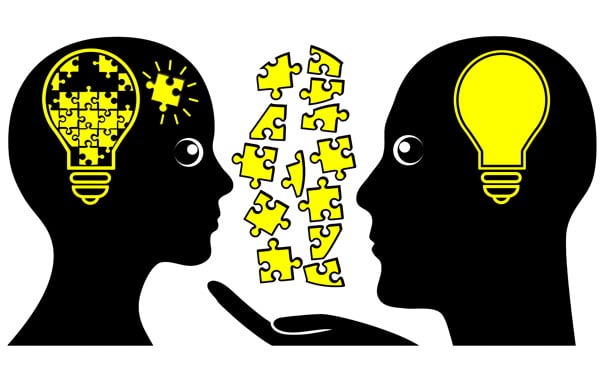

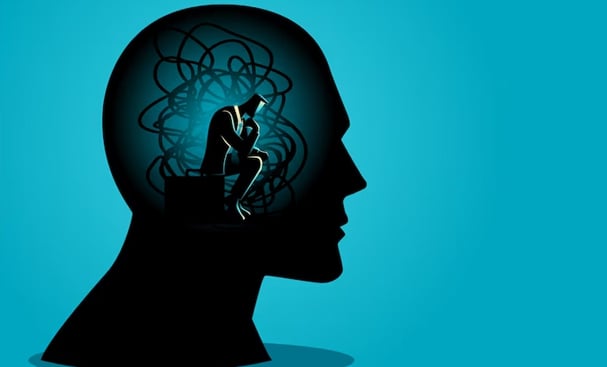
.jpg)
COMMENTS(0)
Explore Related Courses
Our Popular Insights
Careers are shifting faster than ever, and staying relevant takes more than experience. Explore UniAthena’s most-read blogs for sharp insights, emerging skills, and practical pathways that help you move forward with clarity and confidence in a changing professional world.

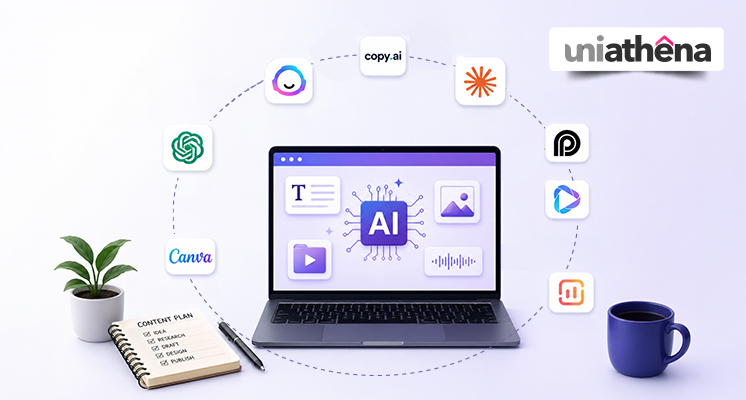
Best AI Tools for Content Creation
Read More
9
mins read

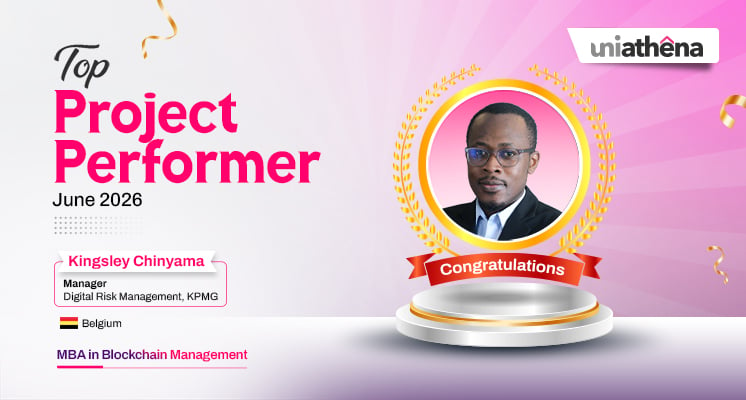
🌟 Top Project Performer – June 2026 🌟
Read More
1
mins read



🌟 Top Project Performer – May 2026 🌟
Read More
1
mins read


Best AI Tools for Content Creation
Read more
9
mins read
🌟 Top Project Performer – June 2026 🌟
Read more
1
mins read
🌟 Top Project Performer – May 2026 🌟
Read more
1
mins read
Get in Touch

It’s Time to Start
Join NowMost Popular Online Specialization
- Master of International Business Administration
- Master of Business Administration
- MBA in General Management- FastTrack
- Master in Innovation and Entrepreneurship
- MBA-Family Business Management
- Master in Procurement and Contract Management
- Extended Diploma in Business Analytics (SCQF Level 11)
- Diploma in Supply Chain and Logistics Management (SCQF Level 11)
- Strategic Human Resource Management Practitioner
- Master in Data Science
- Master in Engineering Management
Trending Online
- Integrated Doctorate of Business Administration
- Postgraduate Certificate in Finance for Next Generation Managers
- Master of Business Administration- General Management (Fast Track)
- Postgraduate Certificate in Socio-Economic and Legal Framework
- Postgraduate Certificate in Business Sustainability
- Certified Manager
- Supply Chain Management Practitioner
- MBA - AI in Business
- MBA - Accounting & Finance
- Master in Supply Chain and Logistics Management
Top Universities Online Certificates
- Postgraduate Certificate in International Marketing Management
- Postgraduate Certificate In International Human Resource Management
- Postgraduate Certificate in Strategic Management
- Postgraduate Certificate in Procurement & Contracts Management
- Postgraduate Certificate in Business Analytics
- Postgraduate Certificate in Strategic Supply Chain & Logistics Management
- Postgraduate Certificate in Human Resource and Leadership
- Project Management Practitioner
- Postgraduate Certificate in Supply Chain Design & Implementation
- Postgraduate Certificate in Management Accounting and Finance
Accredited Online Degree Program
- MBA - Digital Transformation
- MBA - Family Business Management
- MBA - Marketing Management
- MBA in Quality Management
- MBA - Business Intelligence & Data Analytics
- MBA in Operations & Project Management
- MBA in Energy Management
- MBA In Construction & Safety Management
- Master in Organisational Leadership
- Master in Public Health
- Master in Construction Management
- Bachelor of Arts in Business Administration


 Install Now


UniAthena is an Ed-Tech, offering flexible, affordable learning solutions, including Free-Learning Upskilling Courses and Academic Programs in partnerships with accredited and globally renowned universities and professional qualification bodies.


Do you have any questions ?
Feel free to send us your questions or request a free consultation
Send a message
UK
Athena Global Education
Magdalen Centre,
Robert Robinson Avenue,
Oxford, OX4 4GA, UK
Phone : 01865 784299
MIDDLE EAST
Athena Global Education FZE
Block L-03, First Floor,
P O Box 519265, Sharjah Publishing City,
Free Zone, Sharjah, UAE
Phone : +971 55 879 5492
INDIA
Uniathena Private Limited
9A,Midas Tower
Phase 1
Hinjewadi Rajiv Gandhi Infotech Park
Pune-411057
Phone: +91 9145665544
All Copyrights Reserved @ Athena Global Education 2021-2026